Close Search
The Legacy of Ca na Toneta and Celler Tonet
- By
Chiara Ferrari
sustainability 2030
off the island
The Legacy of Ca na Toneta and Celler Tonet
May 18, 2026
by
Chiara Ferrari
The Legacy of Ca na Toneta and Celler Tonet
sustainability 2030
off the island
May 18, 2026
by
Chiara Ferrari
sustainability 2030
off the island
The Legacy of Ca na Toneta and Celler Tonet
May 18, 2026
- By
Chiara Ferrari
The Legacy of Ca na Toneta and Celler Tonet
May 18, 2026
- By
Chiara Ferrari
sustainability 2030
off the island
off the island
sustainability
The Legacy of Ca na Toneta and Celler Tonet
May 18, 2026
- By
Chiara Ferrari
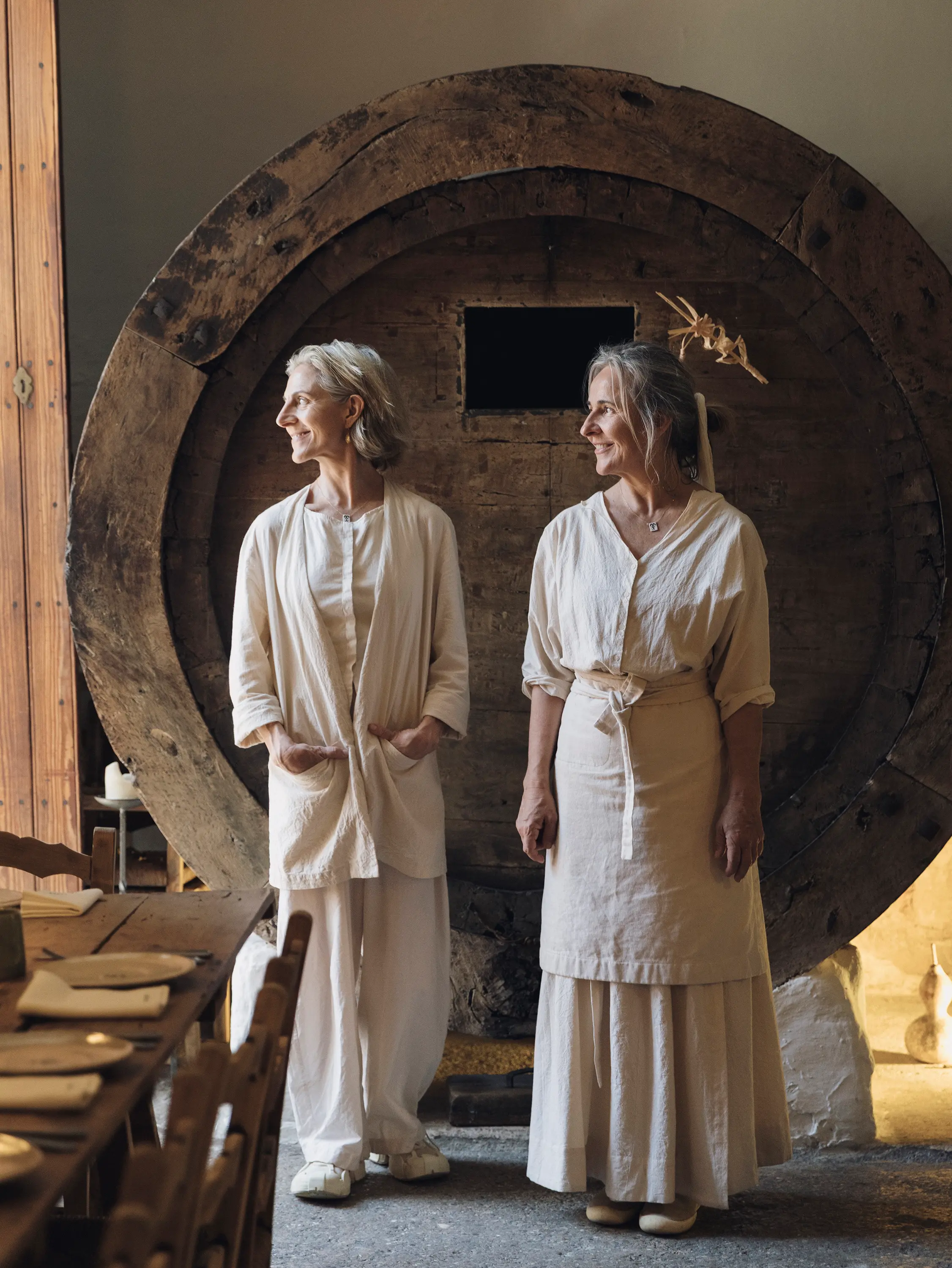
Celler Tonent. Photo: Barbara VIdal. Opening image of Maria & Teresa Solivellas. Photo: Barbara Vidal
B

efore Ca na Toneta became what it is today, María Solivellas was working in music production in Madrid when she returned to Mallorca for the summer, already
considering a shift toward a more manual, artisanal way of life. In Caimari, in a family house that had belonged to a relative named Toneta, she, her sister Teresa and their mother decided to open a restaurant: initially almost as a game, with no expectation that it would be permanent.

At the time, Caimari was considered a remote place, far removed from any gastronomic scene; opening a restaurant there was a risk and an adventurous move. From the beginning, Solivellas was the one in the kitchen, with her mother alongside her during the first three months, offering a single piece of guidance: to trust her instinct. Without a traditional culinary background, she taught herself to cook in that space, turning intuition into practice and ultimately, into her profession. What emerged was not conceived as a conventional restaurant, but as an extension of a home, shaped by its surroundings and by a way of cooking rooted in seasonality, resourcefulness and a close relationship to the land.

Over the past thirty years, Ca na Toneta has grown into a destination while maintaining that original structure and intent. María Solivellas leads the kitchen, working with a precise understanding of the island’s agricultural cycles and sourcing ingredients through long-standing relationships with farmers and small producers. Local varieties, wild plants, and lesser-used products are treated with the same attention as more familiar ingredients, and menus shift continuously according to availability.

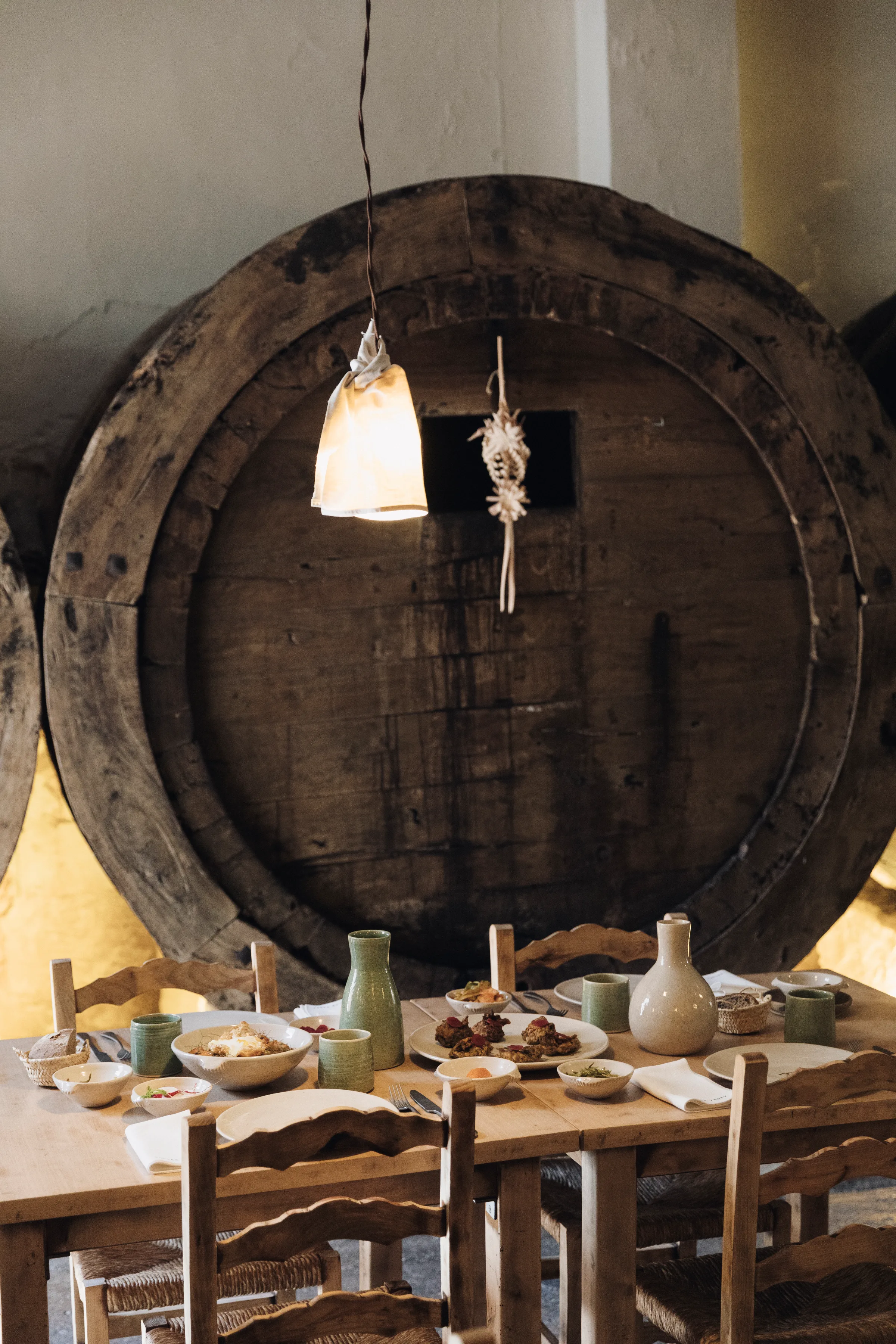
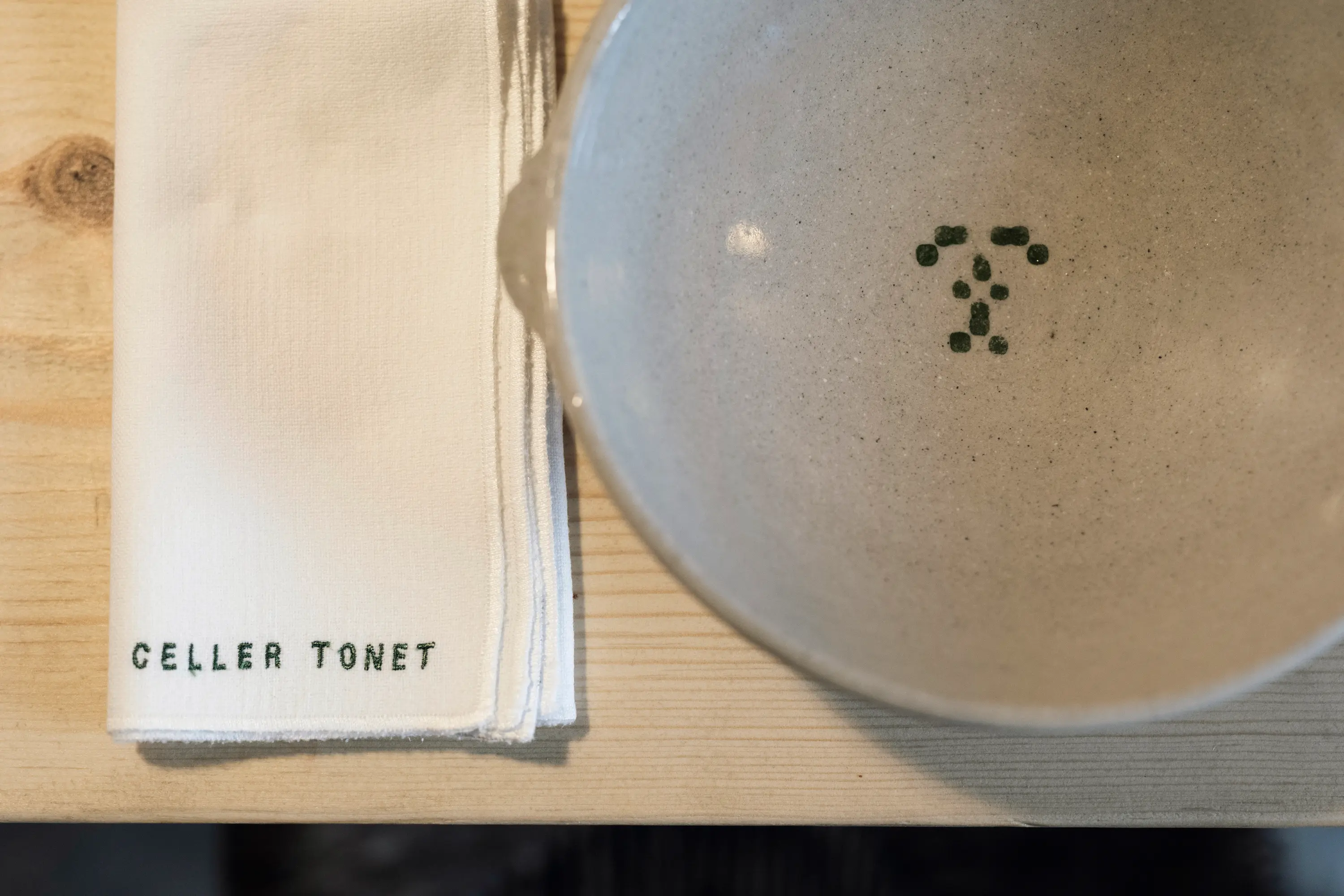
At the table, Celler Tonent. Photo: Barbara Vidal
Celler Tonent, Photo: Barbara Vidal
T

eresa Solivellas shapes the dining room and the experience of hospitality, extending that same level of care to how the space is received and inhabited. This work has contributed to a broader understanding of Mallorcan cuisine grounded in place, memory, and continuity, while remaining closely tied to its origins.

Recognition has followed, including a star from the Michelin Guide and continued acknowledgement within gastronomic circles. Coinciding with the 30th anniversary of Ca na Toneta is the opening of Celler Tonet, in Inca. Set in Can Marron, a longstanding destination that preserved the historic celler dining culture, the project returns to the figure of Toneta, linking the new space directly to the origin of the house. The format follows the traditional structure of the celler, with a menu based on classic Mallorcan dishes within an urban context.

Entering Celler Tonet, the structure and memory of Can Marron remain present, carried through with a clearer and lighter expression. The space has been
preserved and refined with a consistent intent: to strip back and clean while maintaining identity. Each dish introduces subtle variations in ingredient and presentation, creating moments of surprise while remaining recognisably rooted in tradition. This approach extends beyond the kitchen into the interiors and table setting, where each element maintains a connection to local culture and material context.

Over time, the sisters have developed a network of collaborators spanning ingredients, objects, and spatial design, shaping a setting that feels cohesive and carefully composed, where the experience of food and the atmosphere of the room operate together. The interior is organised through off-white tones and a raw concrete floor. As María Solivellas notes, “when we took over Can Marron, we wanted to simplify and clean it up, to take away rather than add, while keeping the soul of the space.”

"Over time, the sisters have developed a network of collaborators spanning ingredients, objects, and spatial design, shaping a setting that feels cohesive and carefully composed, where the experience of food and the atmosphere of the room operate together."
The team at Celler Tonent. Photo: Barbara Vidal
Mar 26, 2026
sustainability 2030
Andrew Tuck on Mallorca by Design