Close Search
Itxaso Lecumberri: Connecting On a Deeper Level Through Design
- Von
Chiara Ferrari
sustainability 2030
off the island
Itxaso Lecumberri: Connecting On a Deeper Level Through Design
Mar 13, 2026
by
Chiara Ferrari
Itxaso Lecumberri: Connecting On a Deeper Level Through Design
sustainability 2030
off the island
Itxaso Lecumberri: Connecting On a Deeper Level Through Design
Mar 13, 2026
- Von
Chiara Ferrari
Itxaso Lecumberri: Connecting On a Deeper Level Through Design
Mar 13, 2026
- Von
Chiara Ferrari
sustainability 2030
off the island
off the island
sustainability
Itxaso Lecumberri: Connecting On a Deeper Level Through Design
Mar 13, 2026
- Von
Chiara Ferrari
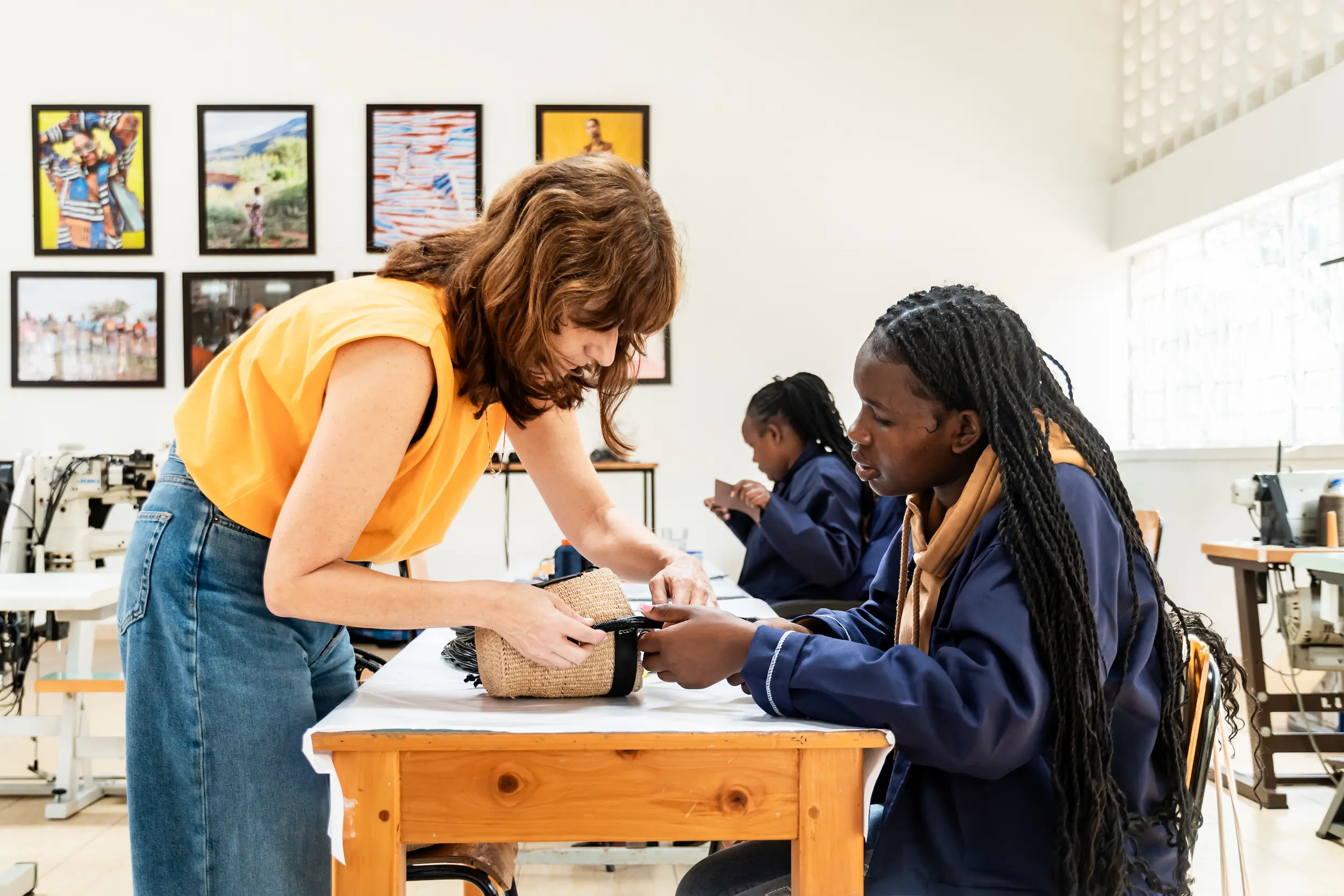
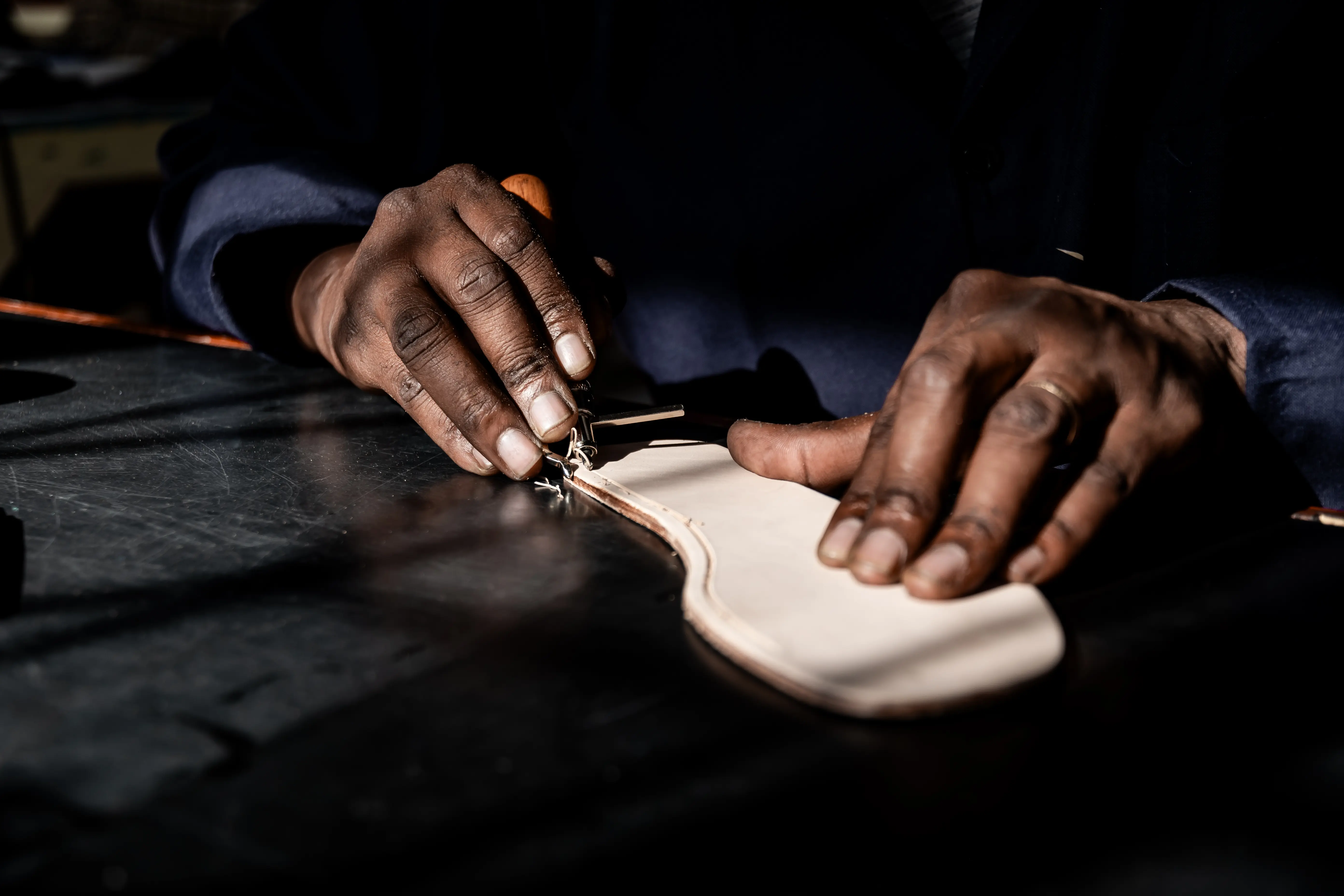
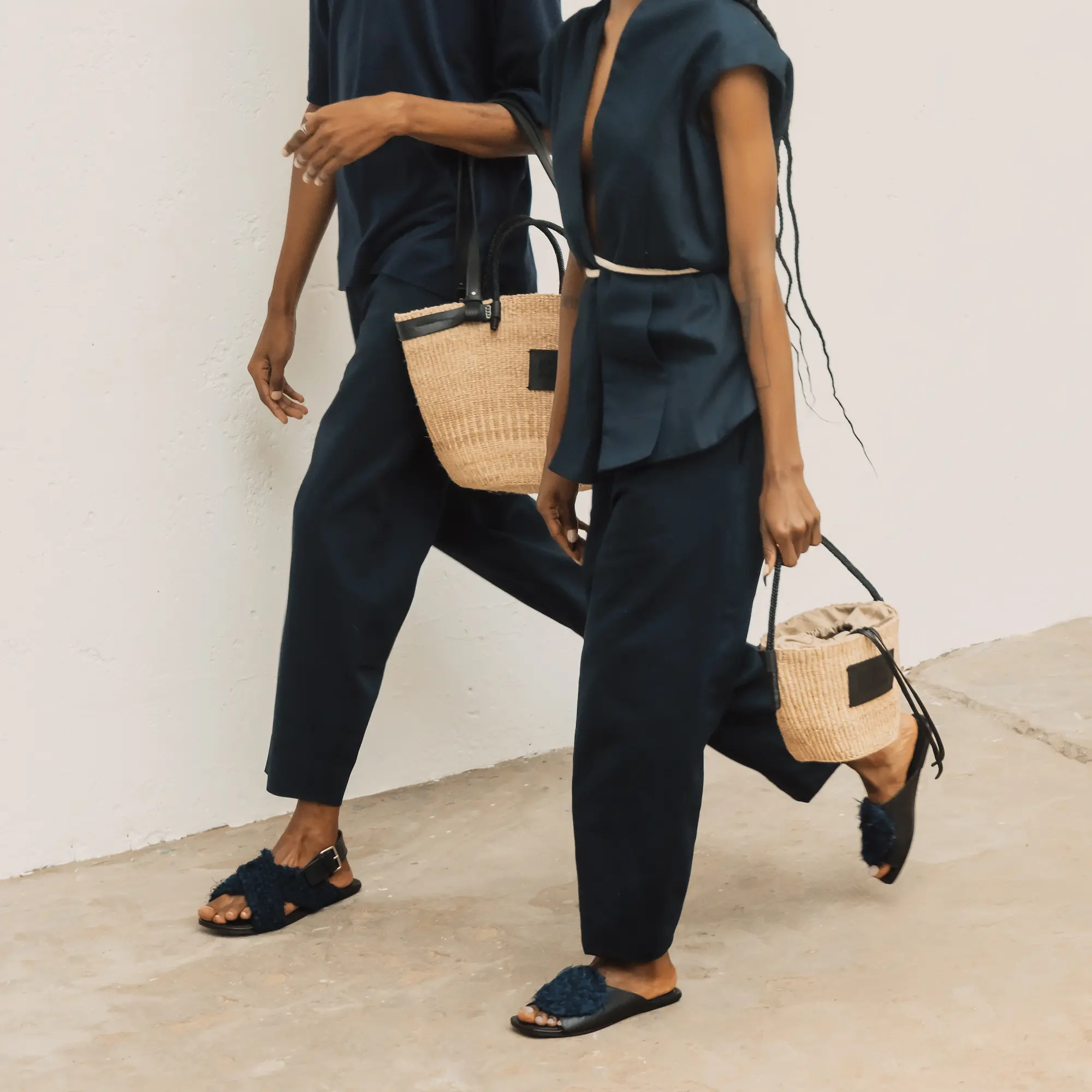
Collection Tujikuze. Photo: Maganga Mwagogo / Opening photo of Itaxo by Sara Costa
I

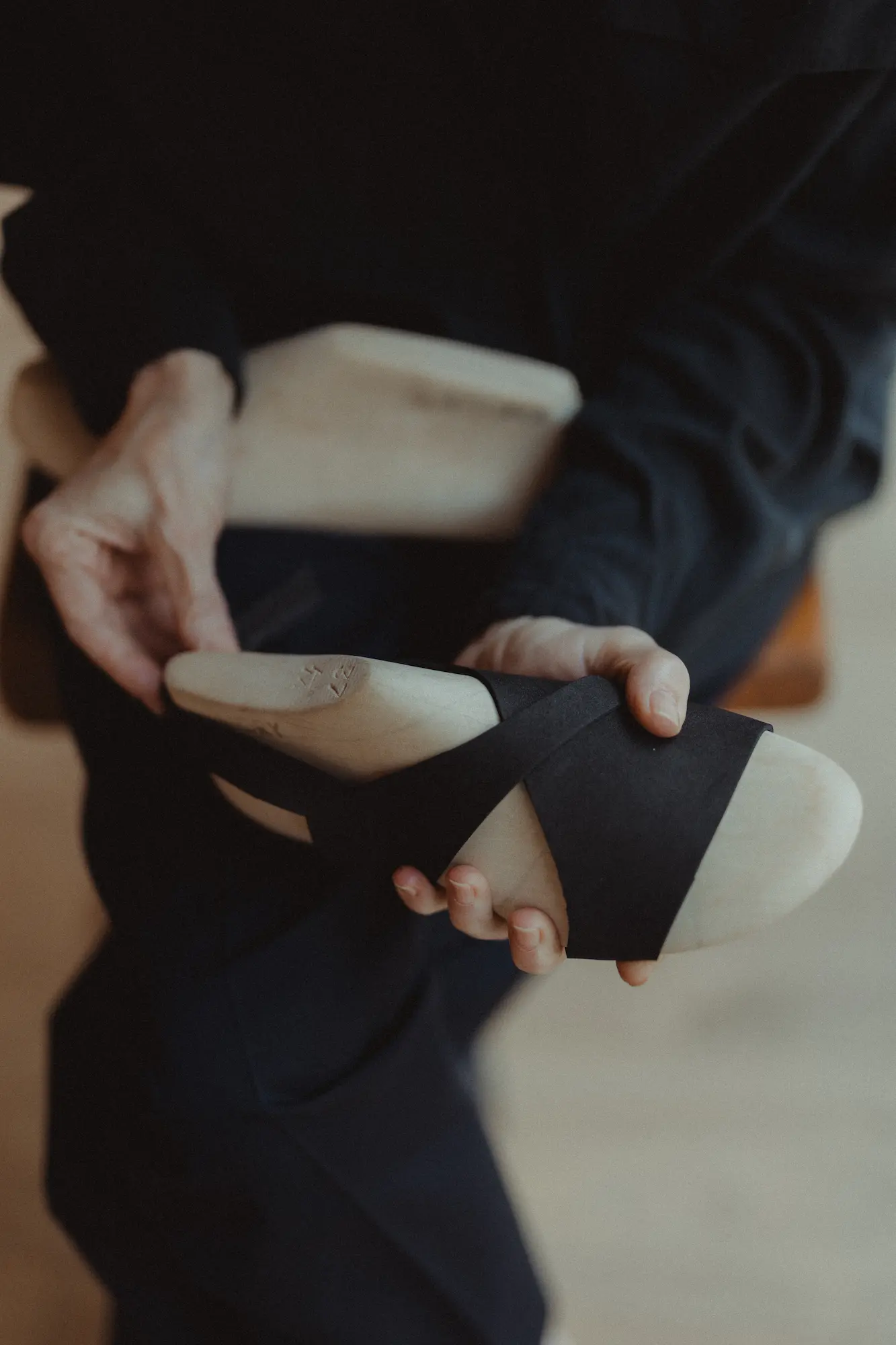
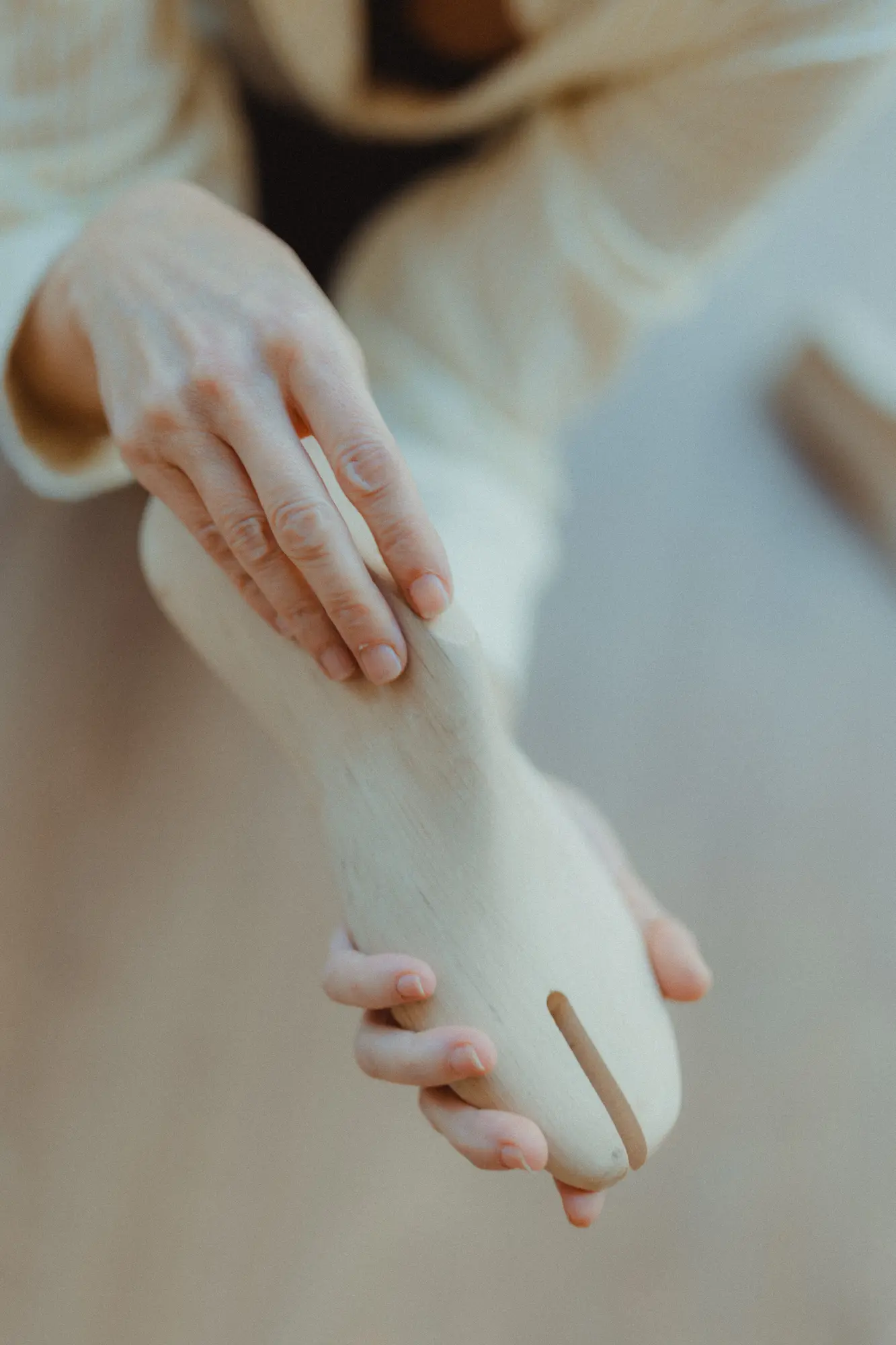
txaso Lecumberri is a designer and creative director specialising in footwear, bags and accessories, with a career spanning more than two decades across industry, consultancy and education. After over twenty years as part of Camper’s creative team – where she led collections and international collaborations – she now works independently from her studio in Mallorca. From there, she collaborates with brands, creative teams and artisan communities across different geographies, moving fluidly between concept, product and strategy. Her practice sits at the intersection of design, sustainability and craft, combining a deep understanding of materials and processes with a long-term, systemic approach to creative direction.


Itxaso grew up in northern Spain, surrounded by craftsmanship and materials, an early exposure that continues to shape her understanding of design. Rather than approaching materials as neutral resources, she learned to recognise their limits, possibilities and the knowledge embedded in making. This proximity to craft laid the foundations for a practice rooted in process and respect for how things are made: an approach that would later inform her work within an industrial context and now underpins her more expansive, strategic role as a creative consultant.


That sensitivity to process has become central to the way she works today. Her practice focuses on accompanying brands, teams and communities through complex creative processes, helping to align concept, product, production and communication within a shared vision. In her view, Design is a system of interconnected decisions, where leadership carries responsibility beyond aesthetics. Whether guiding established brands or collaborating with artisan networks, her approach prioritises clarity, coherence and long-term impact over immediacy.

T

oday, Itxaso describes her role less as a fixed title and more as a way of working. Over time, she has developed a broad, connective perspective that allows her to move between concept, design and creative direction, linking teams, processes and brand identity. Having spent many years shaping a language within a single company, she is now motivated by accompanying diverse projects, identifying their strengths and helping them grow with clarity and intention. Her focus lies in guiding ideas until they find their form, without losing their identity along the way.

She approaches each project as a system, starting from a core concept that defines what story is being told, with which resources and for whom. This framework allows decisions across product, production, communication and market to remain aligned. Her early exposure to craftsmanship continues to inform this process-led approach: a way of working grounded in materials, technique and the people behind them, rather than in the final object alone.

Chiara Ferrari: After more than two decades leading creative projects – first within a large international company and now independently – how has your understanding of creative leadership evolved? When do you most often encounter a lack of clarity in creative processes?

Itxaso Lecumberri: Over time, I’ve come to understand creative leadership increasingly through listening and accompaniment – less through imposing a vision, and more through deeply understanding context, people and the real possibilities of each project or brand. From there, it’s about making decisions with criteria and responsibility.

Very often, the lack of clarity appears right at the beginning, because the foundations of the project are not well defined. At that point, my role is to prioritise and help build a clear vision that allows ideas to grow – even within specific constraints – and enables teams to move forward with confidence.

C.F.: Alongside your professional practice, you are also active as a teacher and speaker. Where are you teaching today, and how does teaching interact with your own practice?

I.L.: My interest in teaching began many years ago, when I created my own handbag brand in Barcelona. I discovered the value of exchange and everything you learn when you challenge yourself by explaining your own process.

For the past three years, I’ve been teaching on the Footwear and Bags Master’s programme at LCI Education G roup in Barcelona, accompanying students throughout the development of a collection and the full creative and directional process, always in connection with the realities of the industry.

A particularly meaningful recent experience has been my collaboration with IED Kunsthal Bilbao, where we approached art direction from a transversal perspective, bringing together students from fashion, product and graphic design. Teaching forces me to rethink and articulate ideas that are often intuitive. That exercise enriches my own creative practice and, I hope, helps form designers who are more aware of the impact of their work.

"I’m interested in design that can move people emotionally, where objects don’t just fulfil a function but convey values and connect on a deeper level."
Tujikuze. Photo: Maganga Mwagogo
Verwandte Geschichten.