Close Search
Carmina: 160 Years of Mallorcan Shoemaking Excellence
- By
Blaire Dessent
sustainability 2030
off the island
Carmina: 160 Years of Mallorcan Shoemaking Excellence
Jan 7, 2026
by
Blaire Dessent
Carmina: 160 Years of Mallorcan Shoemaking Excellence
sustainability 2030
off the island
Carmina: 160 Years of Mallorcan Shoemaking Excellence
Jan 7, 2026
- By
Blaire Dessent
Carmina: 160 Years of Mallorcan Shoemaking Excellence
off the island
sustainability
Carmina: 160 Years of Mallorcan Shoemaking Excellence
Jan 7, 2026
- By
Blaire Dessent
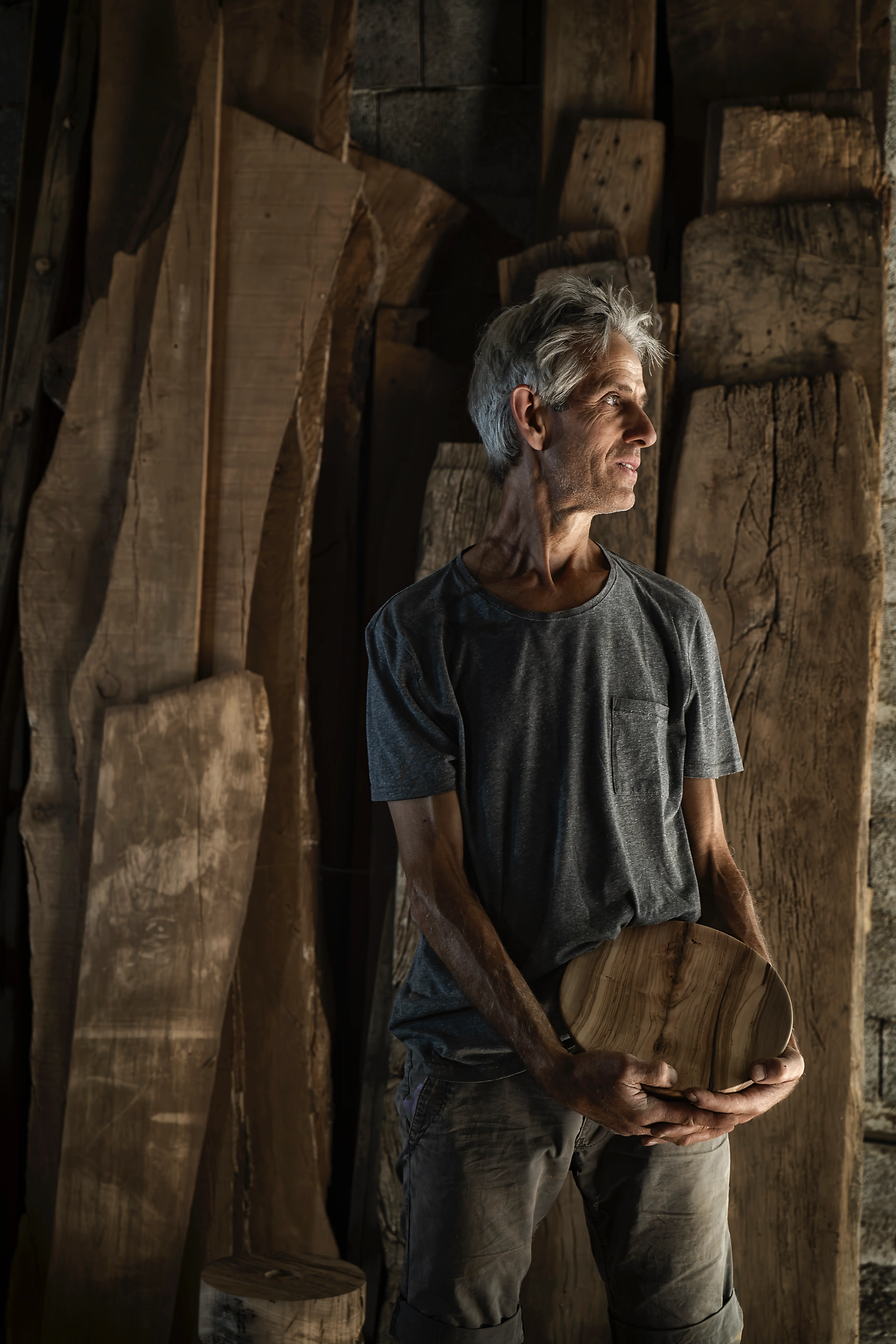
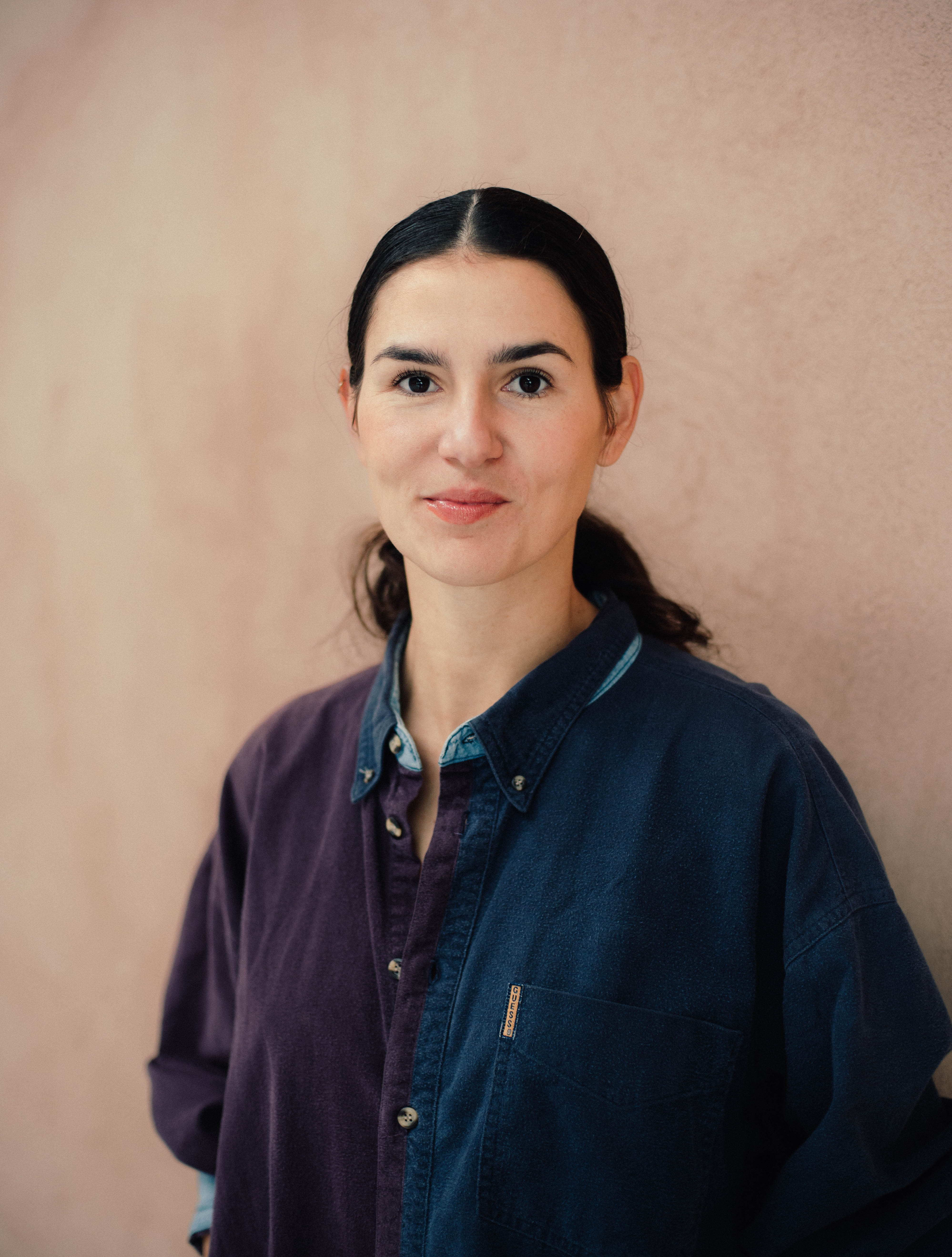
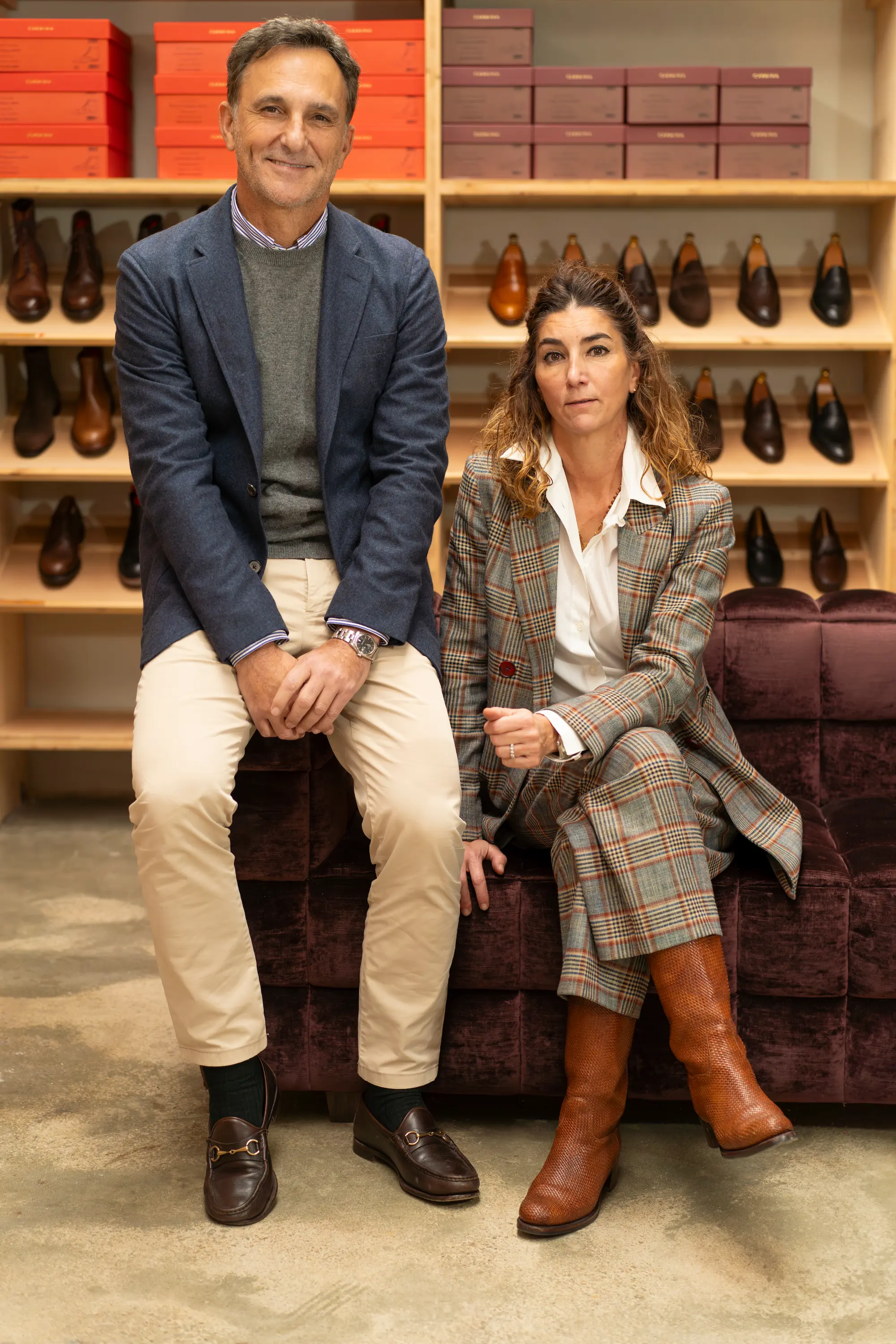
Sandro and Carmina Albaladejo. Photo: Duncan Kendall
"I

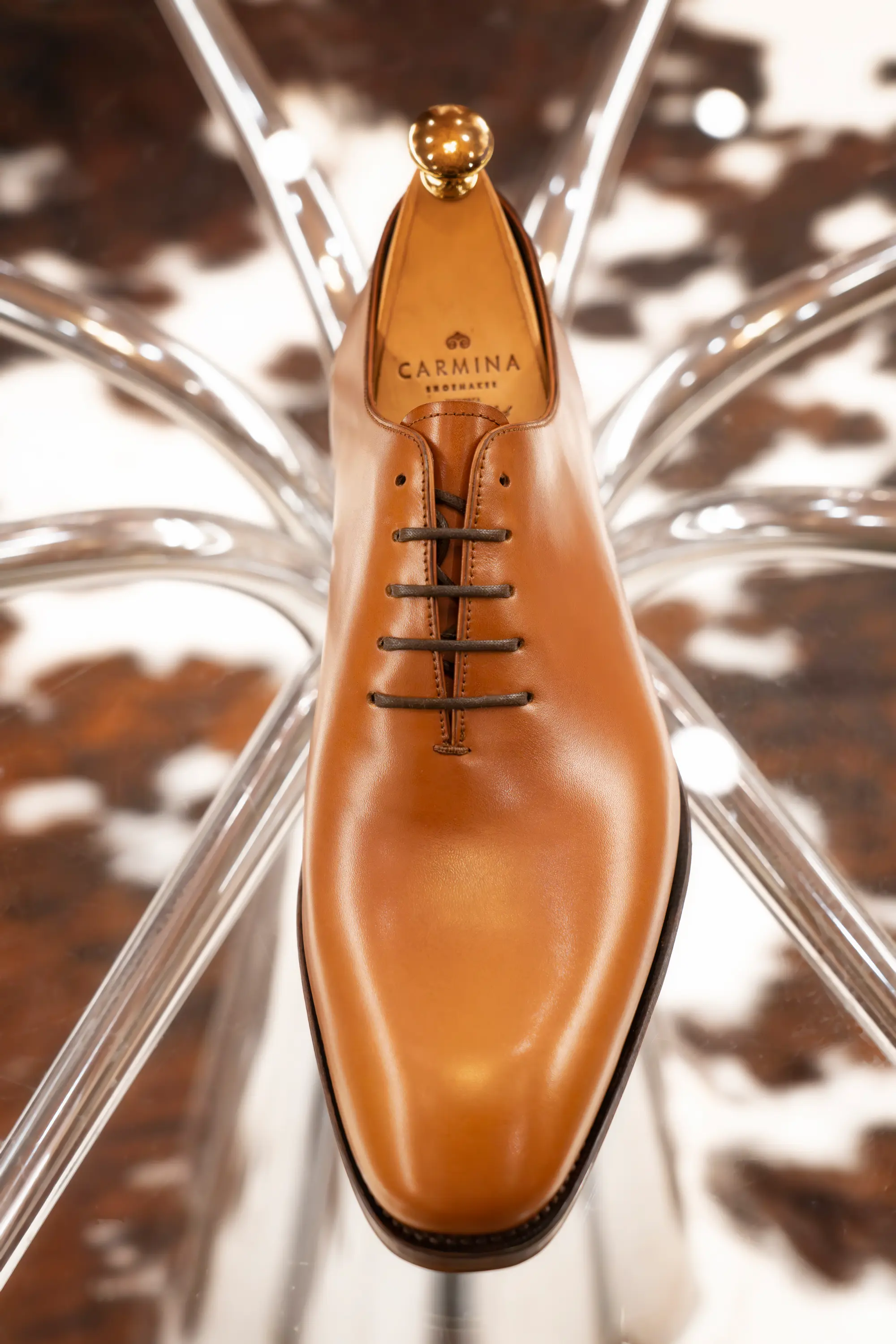
think the key has been staying true to the essential: making well-made shoes in Mallorca with a team of artisans and the best available materials. Nothing more, nothing less," says Sandro Albaladejo, the director of Carmina, the multi-generational shoe company that is synonymous with Mallorcan craftsmanship and heritage. Carmina's roots reach back to 1866, when a young shoemaker named Matías Pujadas opened a small workshop of tailor-made men's shoes in Inca, at a moment when the town was just beginning to establish itself as a centre for industrial production. Pujadas and his son Mateo had talent, but they also had vision. They began using the new construction technique of the times, the Goodyear Welt—an innovative decision that marked the family company with the quality standard that continues to define it today. The company continued producing a collection of men's shoes for decades until the early 1960s, when José Albaladejo Pujadas, the great-grandson of Matías, and Carmina Ramis (Sandro's parents) laid the foundation of the brand as it exists today, including introducing the name Carmina, expanding the men's collection, and introducing women's collections. As Carmina, they focused exclusively on the best styles, using the Goodyear Welt with the best available leathers, and opening up to the international market.

A

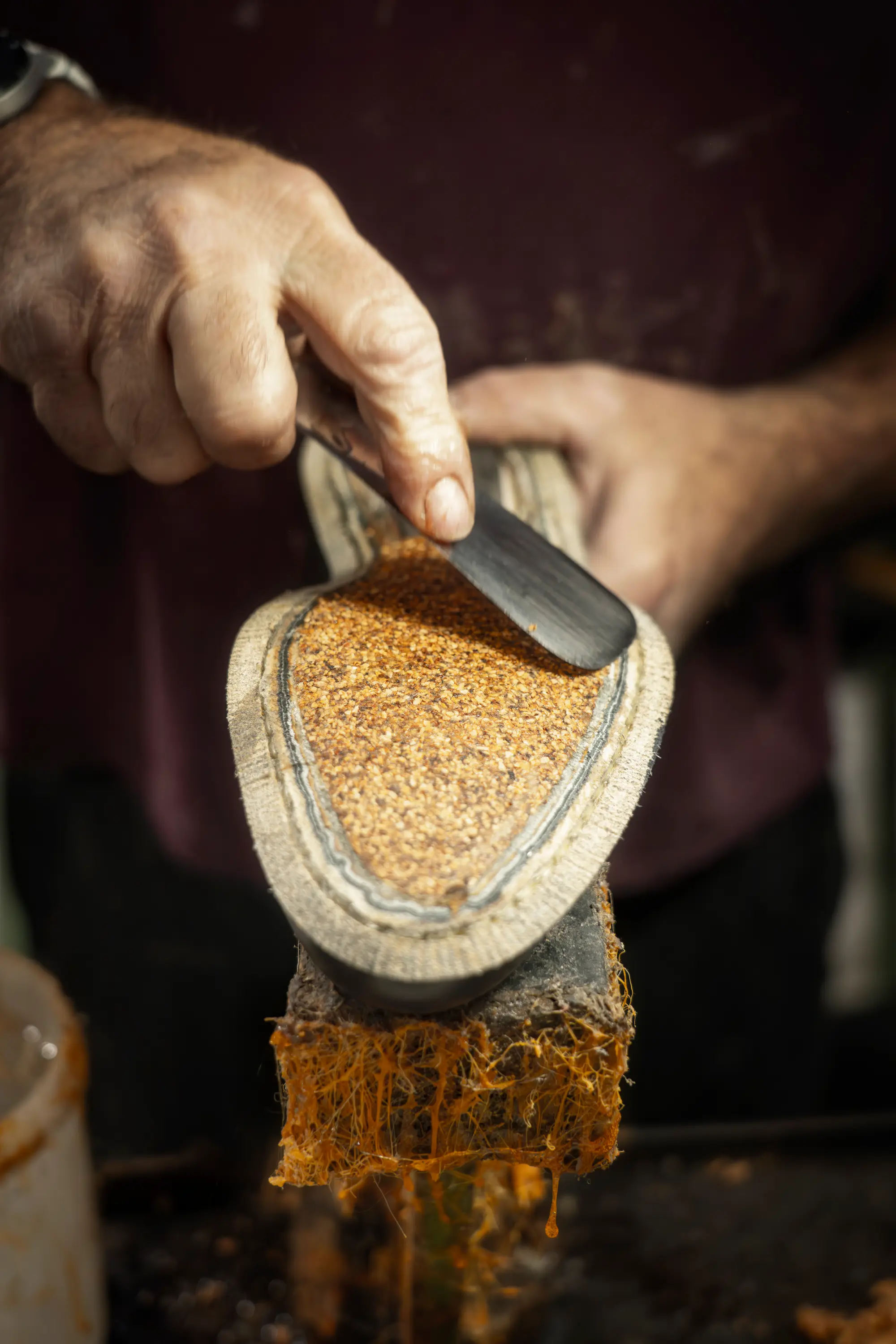
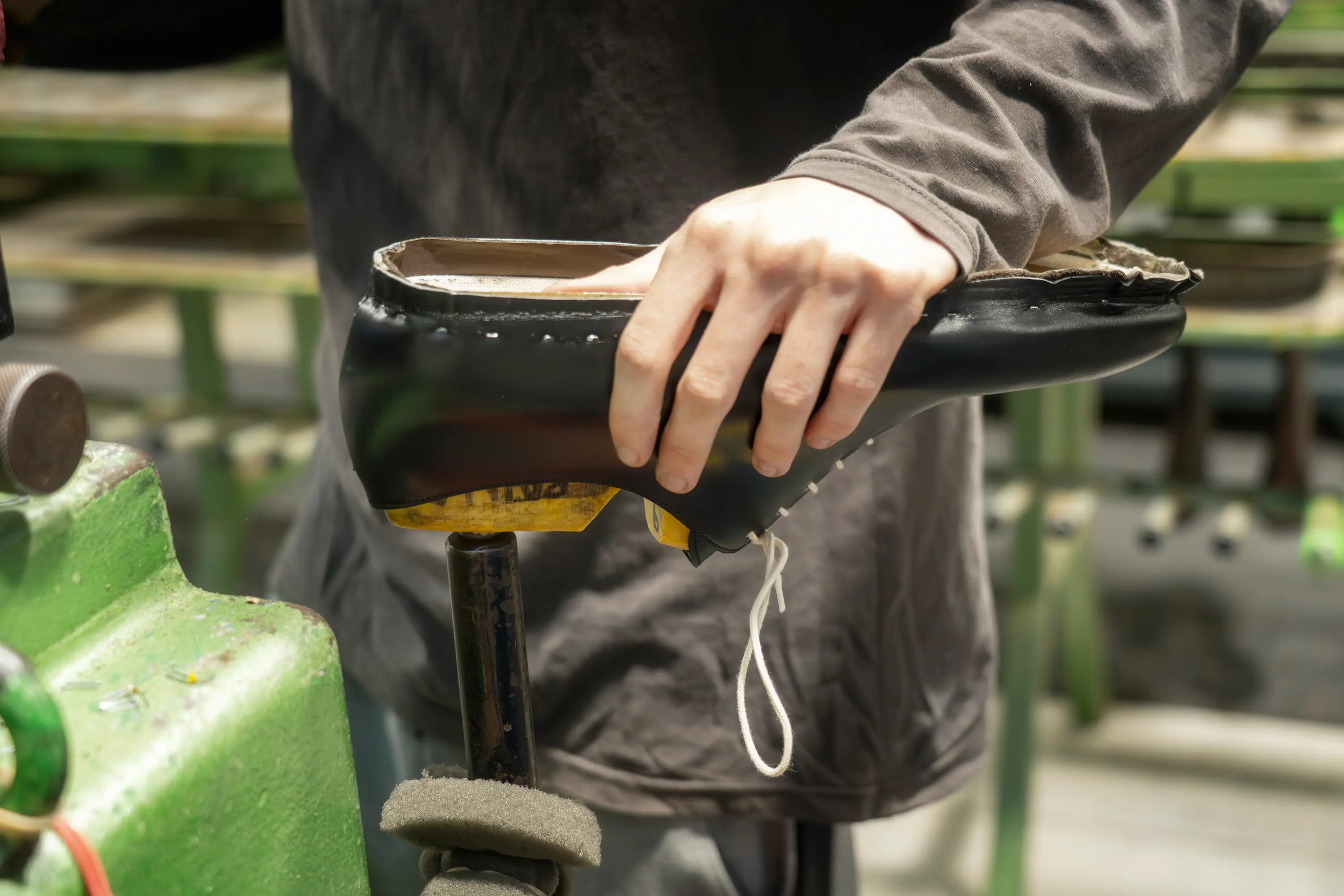
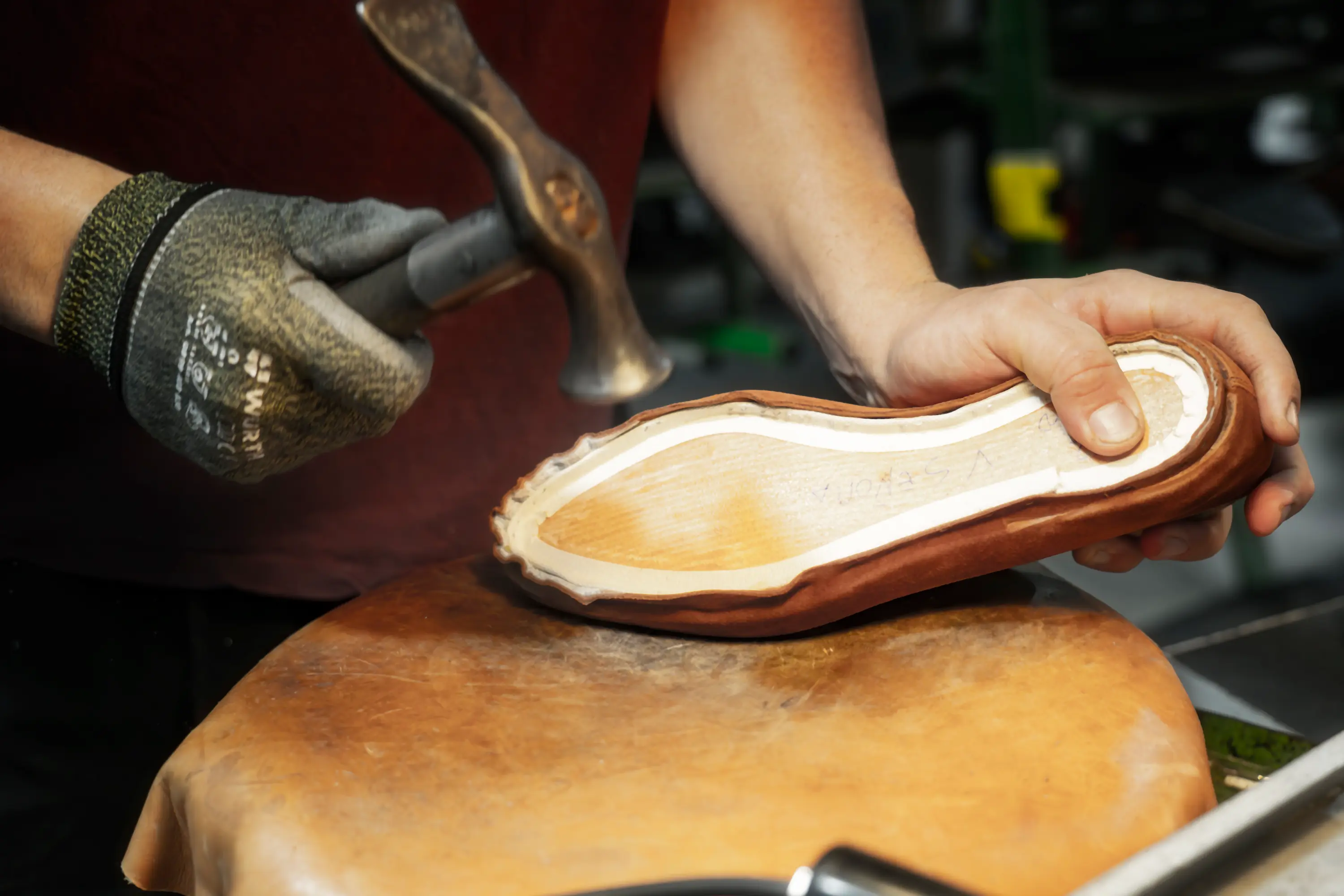
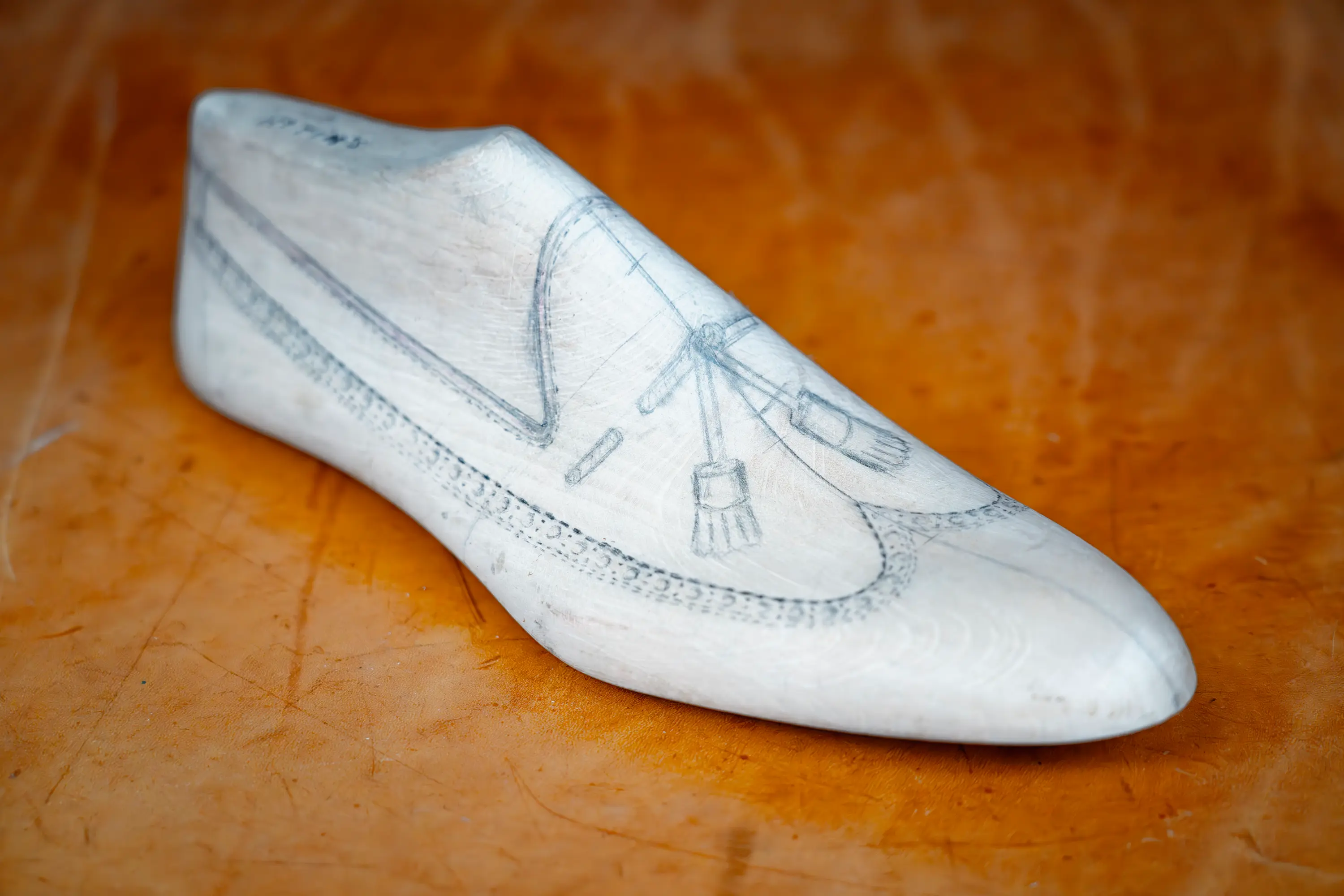
fter 160 years, Carmina has accumulated a vast range of styles and lasts, the traditional models used to handcraft the shoes. All of the production takes place in the two-floor factory in Inca, a larger and more modern production space they opened twenty-two years ago that continues the traditions essentially as they have been for generations, adapting with the times and technology. On the top floor, in addition to offices and meeting rooms, is where the details are done—such as hand-stitching, performed mainly by women—while downstairs is where the cutting, moulding, gluing, and packaging take place. Machines whir and there is a buzz of energy about the place, a sense of things moving fluidly in their place and getting done. "We have an internal training programme for young artisans. We need the techniques we inherited not to be lost and for new generations to be able to join the craft with solid learning. Many artisans who began their profession in the factory have retired as masters," says Sandro.


Carmina doesn't work with seasonal or biannual collections, but they constantly incorporate new designs, new lasts, or variations that respond to store demand and the team's creative direction. As Sandro explains, "Our base of patterns and lasts is so extensive that simply moving through the house's collections, completely current models keep emerging." The creative direction of Carmina is led by Marlene Albaladejo, who also runs her own design company and showroom, La Pecera. In addition to overseeing all of the collections and the creative process, Marlene's insightful in-store designs—such as wooden shoe lasts as door handles and incorporating elements of the brand's industrial past with contemporary design—ground the brand's distinctive aesthetic.

"Our base of patterns and lasts is so extensive that simply moving through the house's collections, completely current models keep emerging."
Inside the Carmina Factory. Photo: Duncan Kendall