S
pring has arrived in Mallorca and with it comes one of the island’s most deeply rooted celebrations. Easter, or Semana Santa, is a time of tradition and togetherness. For residents and visitors alike, it offers a rich blend of culture, community and seasonal treats, many of them especially memorable for children. Unlike the more commercialised Easter celebrations seen elsewhere, Easter in Mallorca remains rooted in long-standing traditions. The week is marked by religious processions as well as seasonal food and family activities, offering a balance between reflection and shared experiences.
Easter week in Mallorca begins on Palm Sunday (Diumenge del Ram). Across towns and villages, families gather outside churches holding palm and olive branches, often woven into unique shapes and decorated with ribbons. Children proudly carry their own small palms, marking their first involvement in a tradition passed down through generations. After being blessed, many families keep these palms at home for the year, a symbol of protection and continuity.
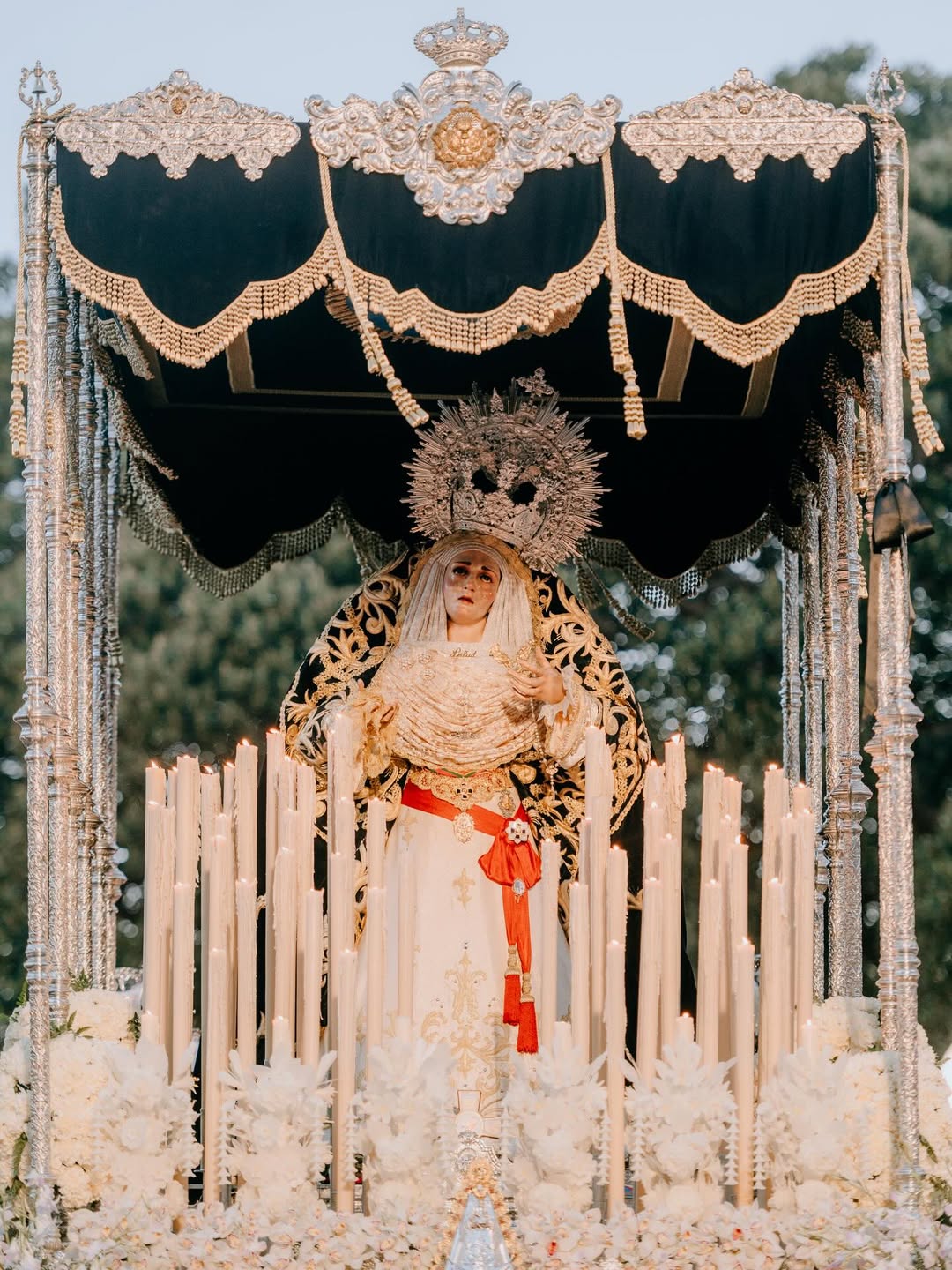
As Holy Week progresses, evenings are shaped by processions organised by local brotherhoods dressed in traditional robes. Some of the island’s brotherhoods have existed for centuries. The most well-known procession is Palma’s Procession of the Blood of Christ on Maundy Thursday. It passes through the narrow streets of the old town in near silence, accompanied by drums, candlelight and large religious figures carried on ornate platforms.
For children, these processions can feel both fascinating and dramatic. The atmosphere, costumes and sense of ceremony often leave a lasting impression, particularly for older children and teenagers. Families with younger children tend to choose shorter processions or watch from open spaces where crowds are lighter and the atmosphere feels less intense.


.webp)