Close Search
Accidente Con Flores : Between Fashion, Craftsmanship and Art
- By
Hélène Huret
sustainability 2030
off the island
Accidente Con Flores : Between Fashion, Craftsmanship and Art
Mar 3, 2026
by
Hélène Huret
Accidente Con Flores : Between Fashion, Craftsmanship and Art
sustainability 2030
off the island
Mar 3, 2026
by
Hélène Huret
sustainability 2030
off the island
Accidente Con Flores : Between Fashion, Craftsmanship and Art
Mar 3, 2026
- By
Hélène Huret
Accidente Con Flores : Between Fashion, Craftsmanship and Art
Mar 3, 2026
- By
Hélène Huret
sustainability 2030
off the island
off the island
sustainability
Accidente Con Flores : Between Fashion, Craftsmanship and Art
Mar 3, 2026
- By
Hélène Huret
Ola and Adri of Accidente con flores
A

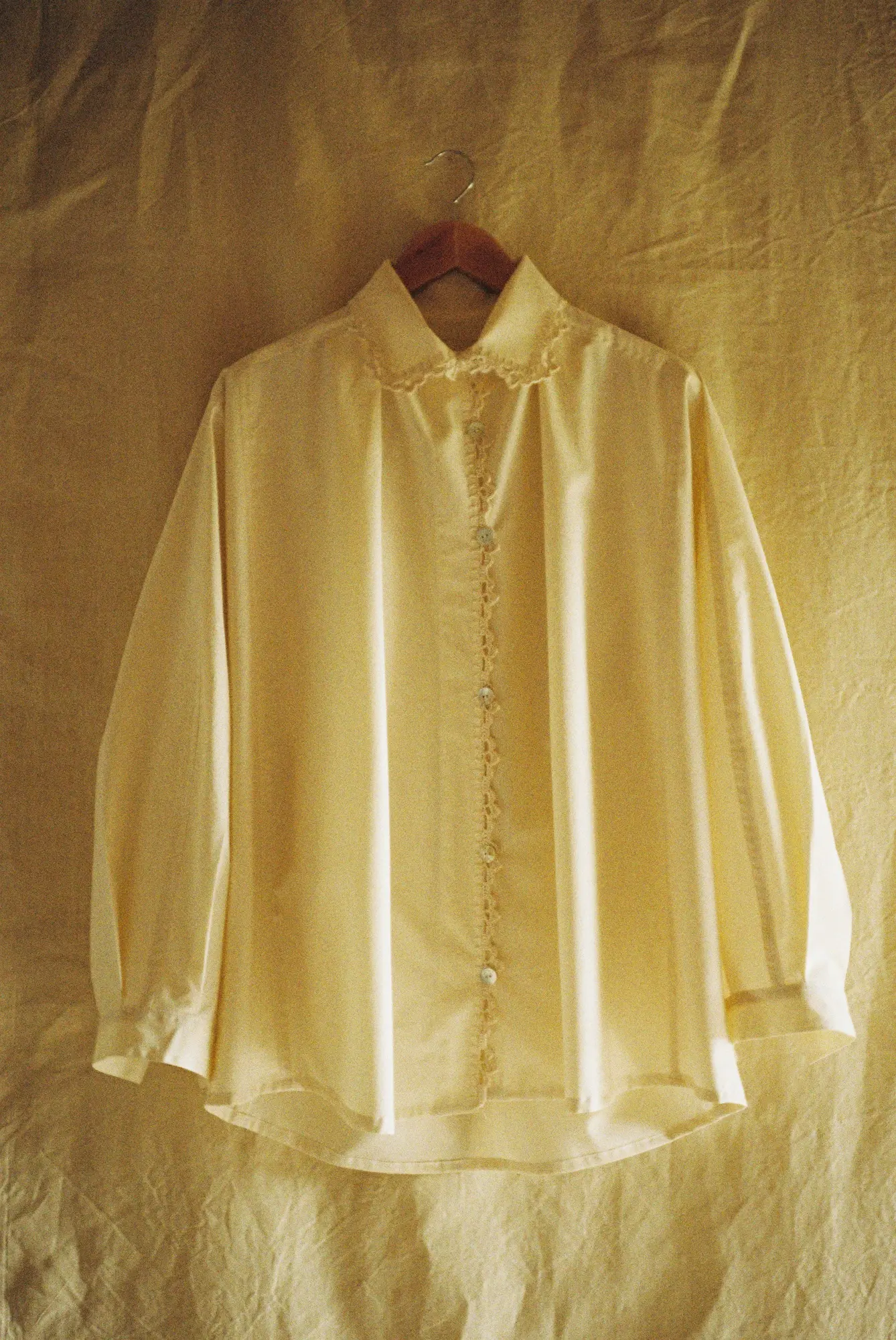
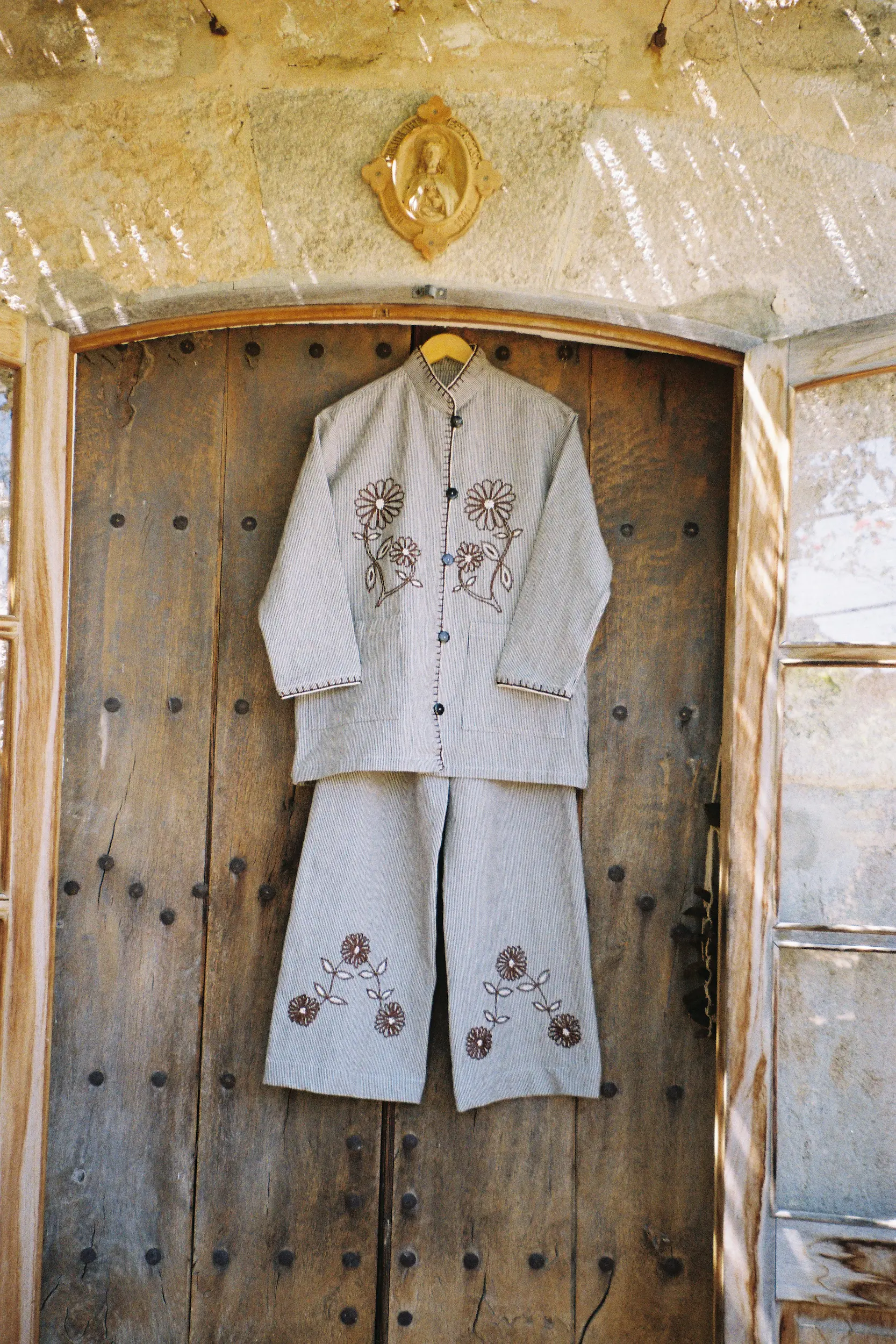
ccidente con flores... behind this poetic name lies two artists, Ola and Adrian, who are guided by uncompromising ethics and aesthetics. Imagine a distinctive brand of sustainable clothing, made entirely in Mallorca and sold through social media all over the world, from Canada and Japan to Europe, the United States, and China. A brand that operates without collections or fashion shows and controls every stage of production. Passionate about craftsmanship, Ola and Adrian have surrounded themselves on the island with a network of women who knit, embroider, and make lace to adorn shirts and vests.

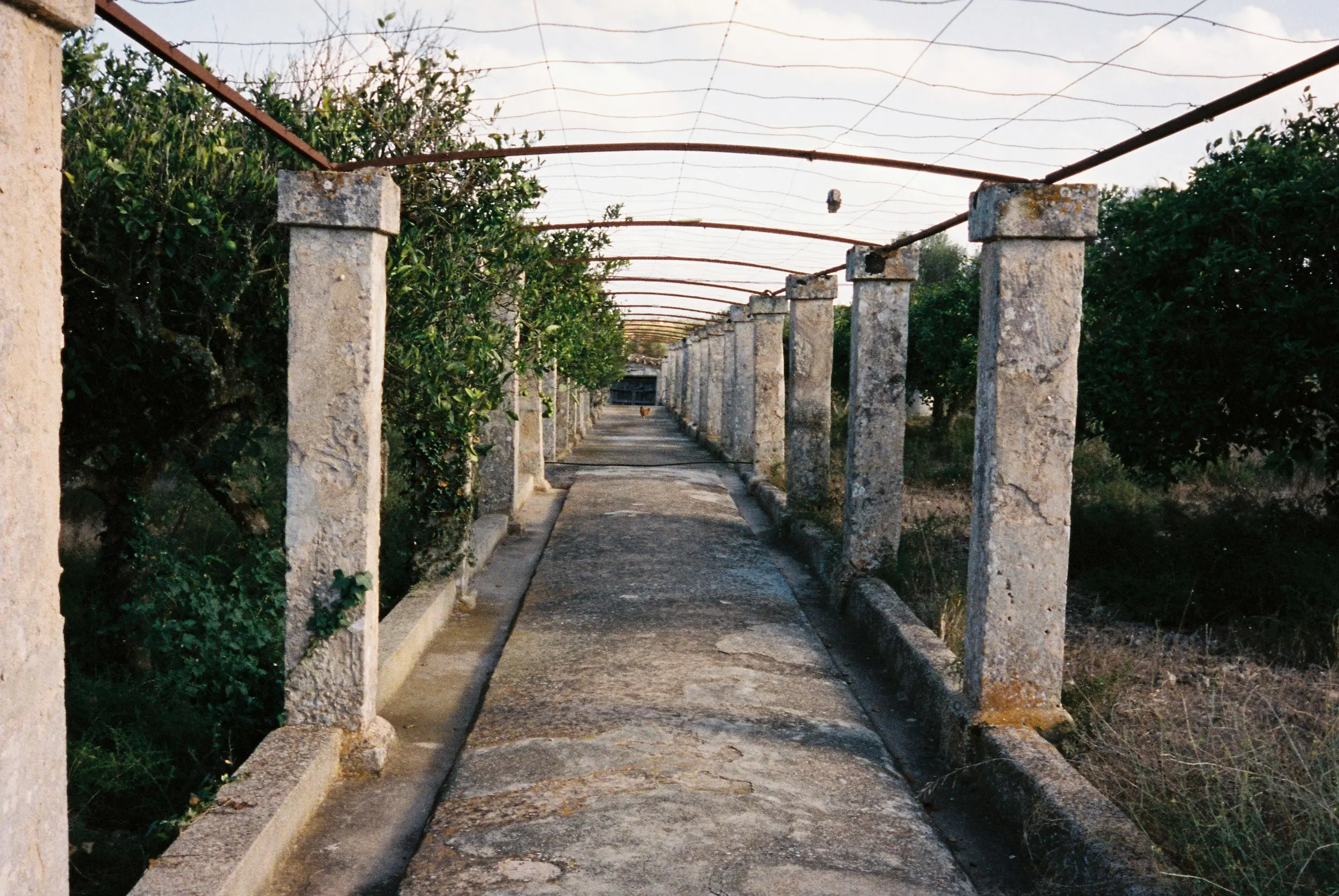
In late January, I met with Ola and Adrian at their home studio located at the entrance to the village of Sencelles. Nothing about their home is ordinary. Ola tells me that the house is 300 years old and was once a weekend retreat for monks who wanted to take a break from community life at the monastery. They would work the land and tend to the vineyards. To enter, you have to push open a wooden door in the high wall surrounding the property, climb a few steps, and walk under a pergola framed by orange and lemon trees before arriving at the cottage. Closed off from the world to protect contemplation, the house remains largely oriented towards the horizon, illustrating the monks' need to live away from prying eyes while contemplating the beauty of nature.

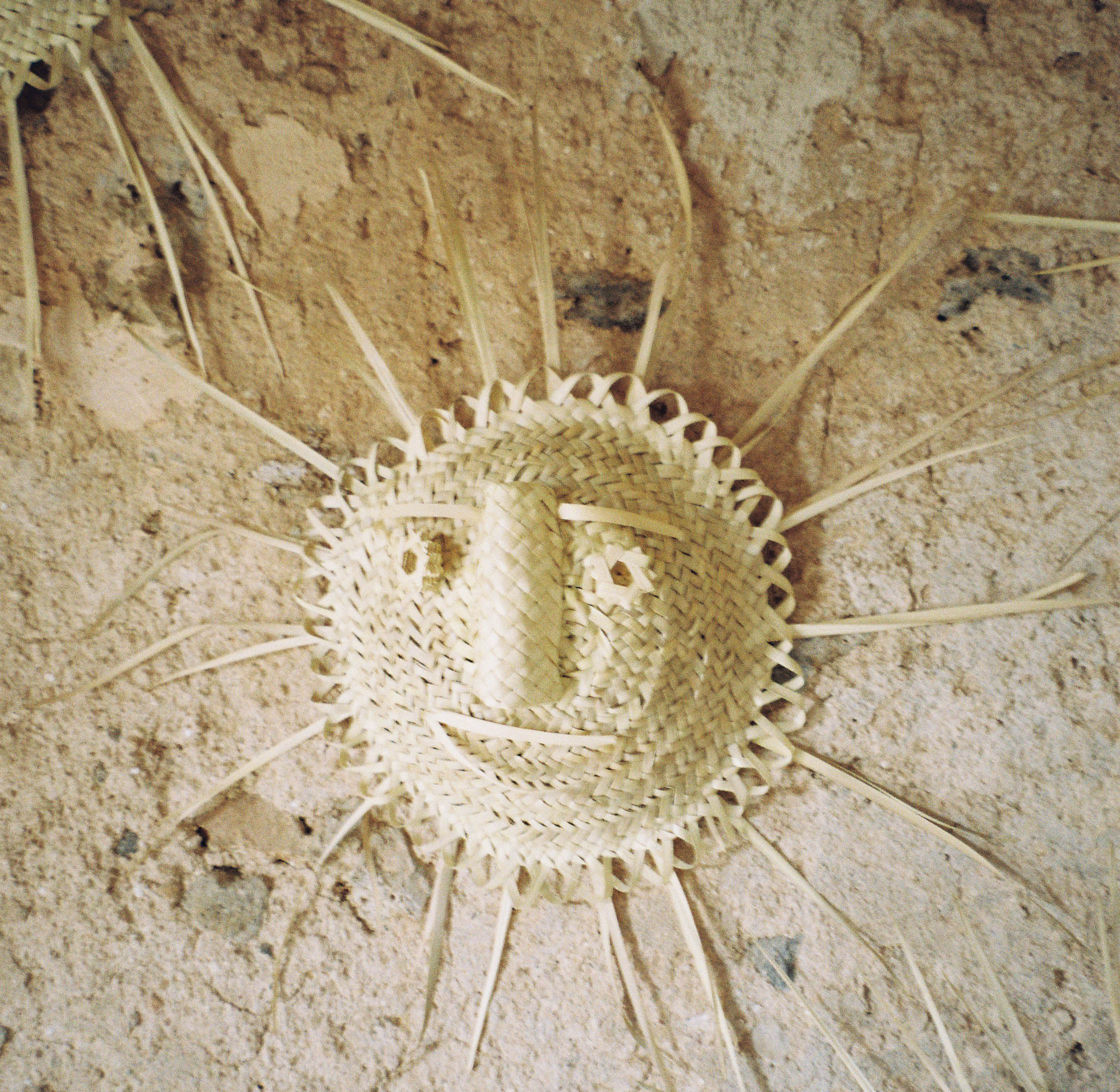
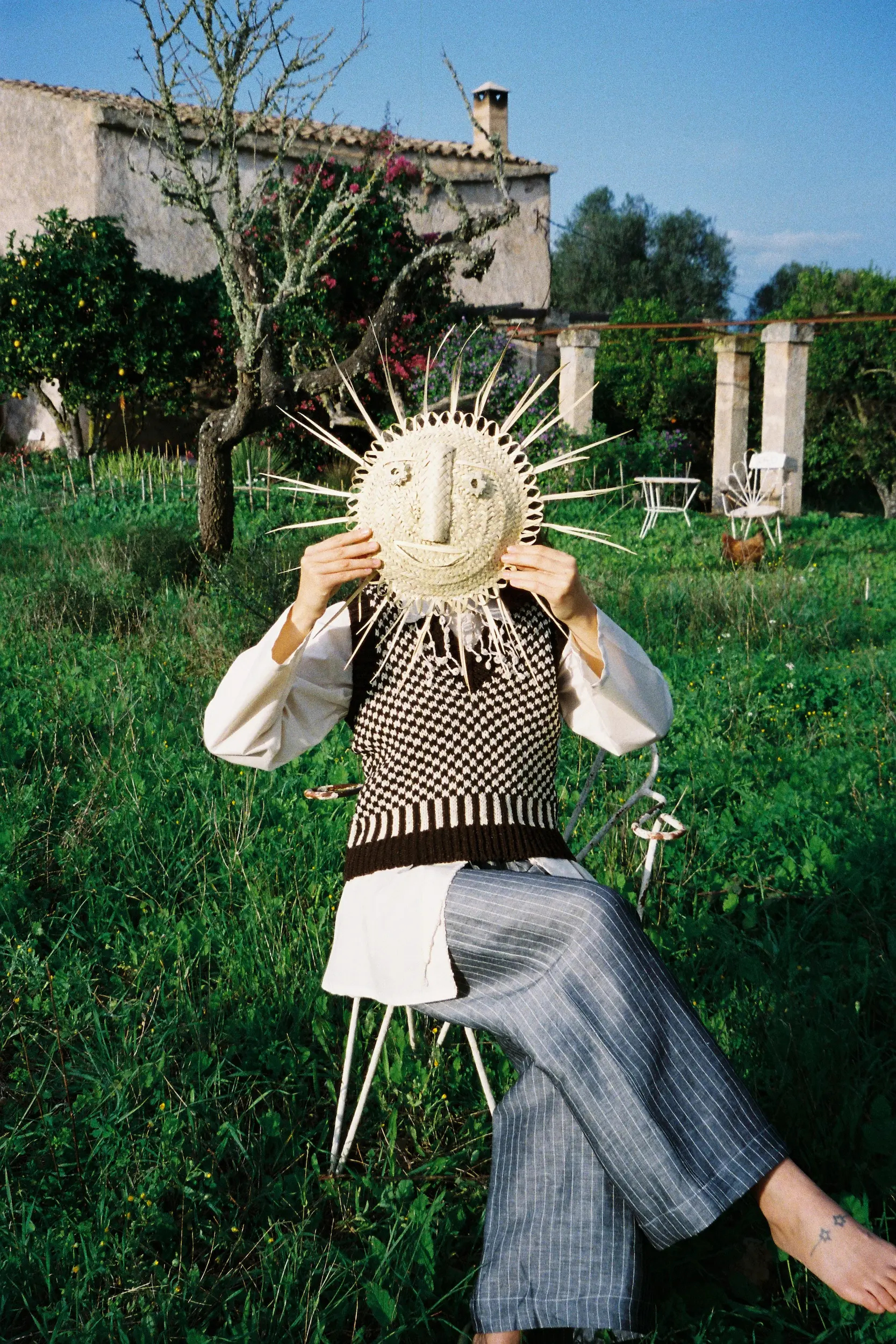
With a scarf on her head, beige canvas pants, and a loose indigo shirt under a sleeveless felted wool vest marked ACF, Ola bustles about, adding wood to the stove. Her instantly recognizable silhouette embodies the brand's style. Everything in the house exudes a simple, refined lifestyle; every object has a story. Hanging on the walls are palm-woven suns by Antic Mallorca, which works with a community of women in the north of the island to keep this dying craft alive. Long before them, Joan Miró, a fervent admirer of folk art, had hung a wicker sun bought at a market in his studio. Today, Ola and Adri are following in his footsteps. Made entirely by hand, these suns are never identical; each one has its own uniqueness, that little irregularity that gives it its charm. They have become part of ACF's identity. In fact, it is the face hidden behind these woven stars that Ola and Adri featured on the cover of Milk magazine.
“W

hen we arrived in Mallorca, we spent a lot of time exploring the island in search of artisanal skills,” explains Ola. “We love working with artisans, visiting their workshops, and understanding their work,” adds Adri. This quest gave rise to How they work, a non-profit platform designed to showcase the artisans of the Balearic Islands. The photos, taken on film, document the craftsmanship and are accompanied by short explanatory texts. 

Chandelier-like mobiles hang from the ceiling. Behind these works lie Ola's roots: originally from Poland, she infuses her creations with her taste for Slavic folklore. She reinterprets Pajaki, traditional Polish decorations made of ribbons and paper flowers, to brighten up homes at Christmas using materials from the island.  She crafts these airy decorations from palm fibres and long necklaces of chickpeas or dried beans. “It's very easy,” she explains. “You soak the beans in water, then thread them with a needle and thread.” On the floor, the humble legumes await their transformation.

On the walls, between the paintings, garlands of chili peppers and carobs hang. Here, ACF pieces coexist with prototypes and trials made by other artisans. Just yesterday, Pep brought them a splendid tapestry made of a local fibre that resembles palm. “It's beautiful, but we don't have a single inch of space left to hang it,” the couple jokes. “We don't know yet what we'll make with the bova, maybe furniture, maybe lamps," adds Ola. Collaboration is the driving force behind their work. They worked for a long time with Eugénia, a co-founder of Llananatura, producing felt from Mallorcan sheep wool. This felted wool, dyed with plants from the island, was then cut to make sleeveless cardigans, unisex pieces emblematic of the ACF style. Since the Llananatura project unfortunately came to an end, Ola and Adri have been sourcing their wool from the Pyrenees.

In a fashion world that has become insatiable, where fast fashion dictates an absurd pace and even the big names are multiplying their collections, in a system where each stage of production is delegated to myriad subcontractors based in Portugal, China, or Southeast Asia, and where, ultimately, no one has control over the piece from start to finish, Ola and Adri have chosen dissent and favored connection and humanity. This rejection of anonymity is rooted in Ola's journey, who very early on showed a unique, almost stubborn vision of her wardrobe.

"When we arrived in Mallorca, we spent a lot of time exploring the island in search of artisanal skills. We love working with artisans, visiting their workshops, and understanding their work.”
Outside the studio of Accidente con flores