Close Search
La Revetla de Sant Joan: Let Summer Begin
- By
Mario Flores
sustainability 2030
off the island
La Revetla de Sant Joan: Let Summer Begin
Jun 25, 2026
by
Mario Flores
La Revetla de Sant Joan: Let Summer Begin
sustainability 2030
off the island
Jun 25, 2026
by
Mario Flores
sustainability 2030
off the island
La Revetla de Sant Joan: Let Summer Begin
Jun 25, 2026
- By
Mario Flores
La Revetla de Sant Joan: Let Summer Begin
Jun 25, 2026
- By
Mario Flores
sustainability 2030
off the island
off the island
sustainability
La Revetla de Sant Joan: Let Summer Begin
Jun 25, 2026
- By
Mario Flores
Photo: Ryan Noble/Black Goat
T

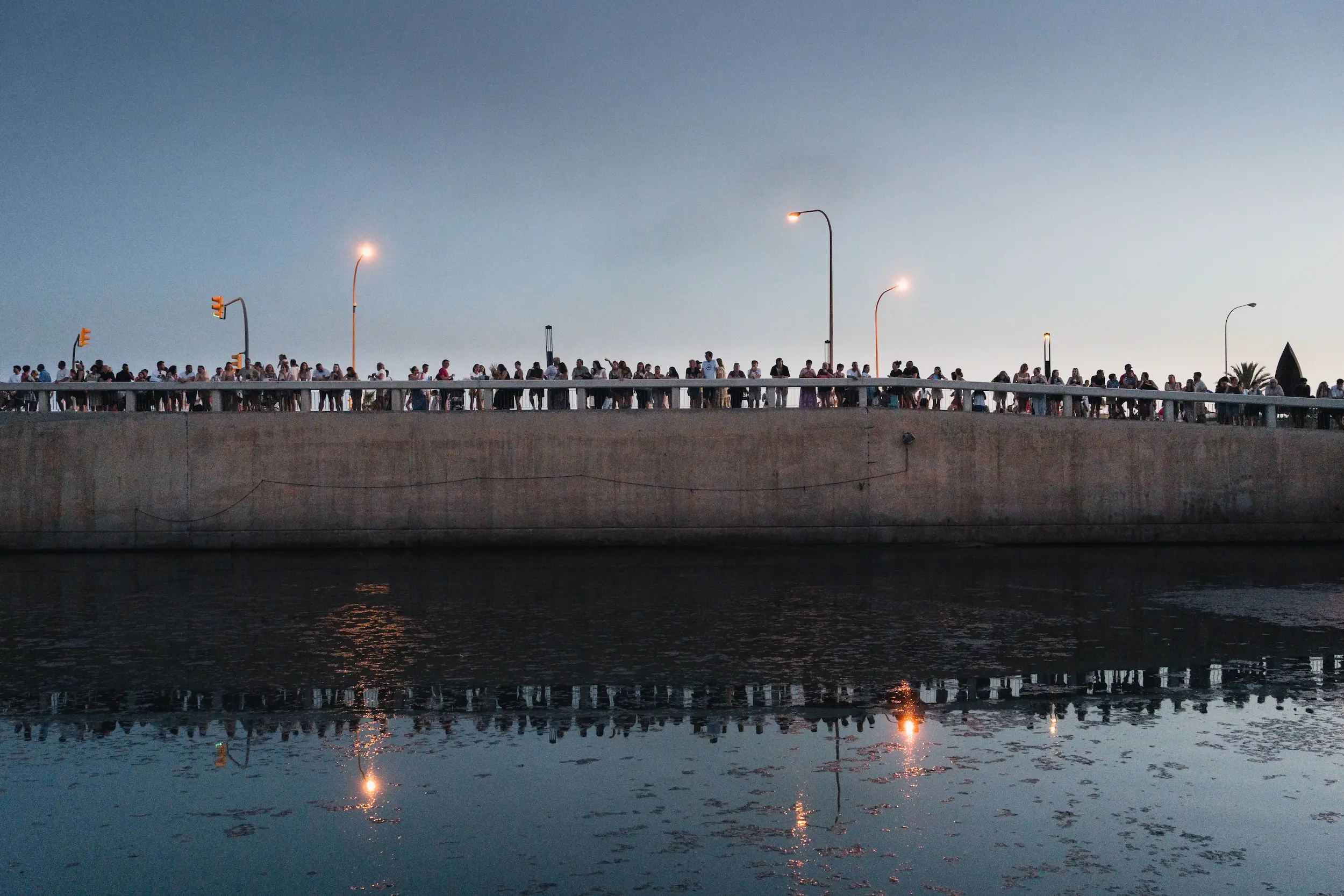
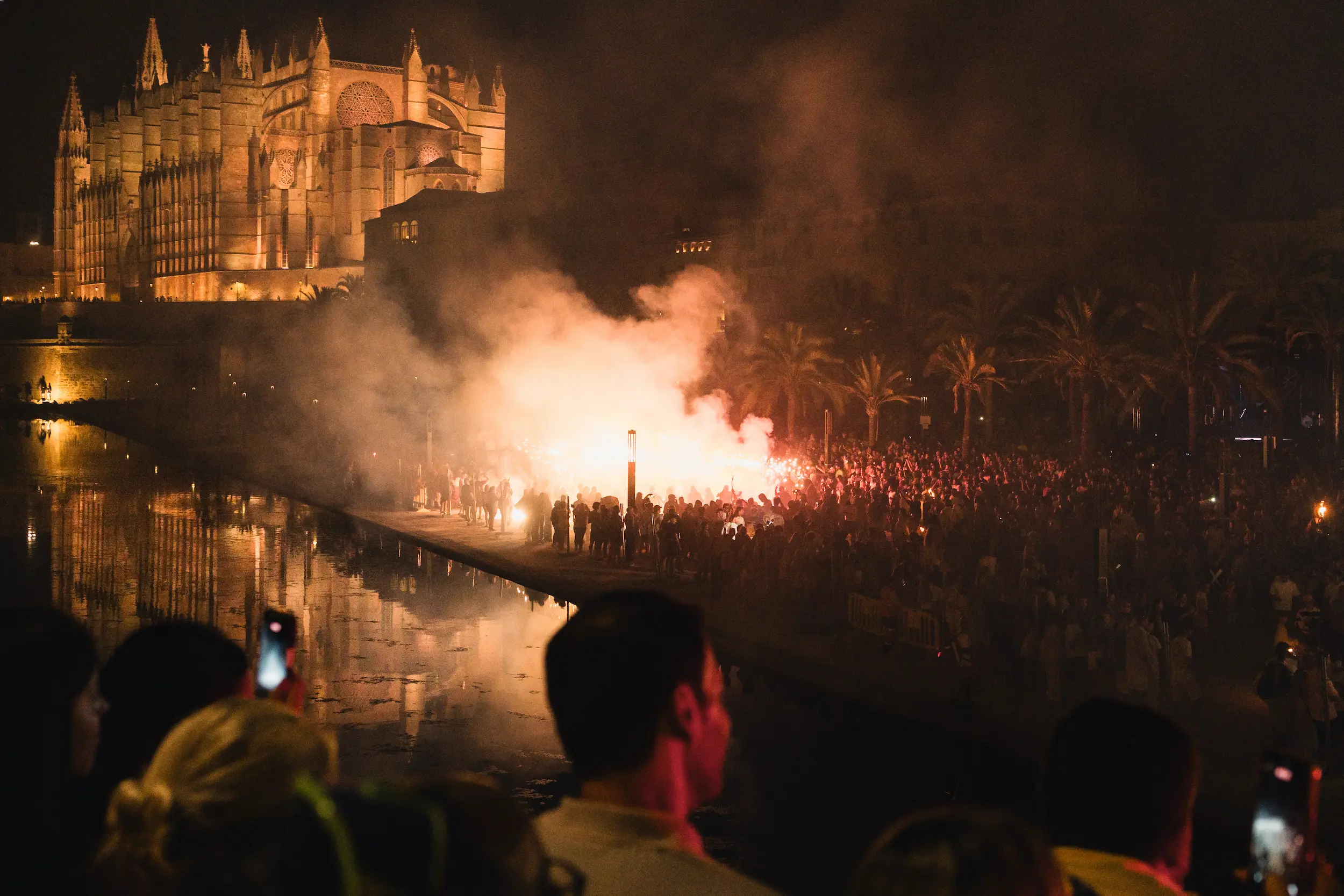
he evening of June 23rd in Palma is one that never wants to come to an end. Light lingers on the stone walls as the city begins to prepare for a night unlike any other. Between one street and the next, the sea appears suddenly, close and within reach. By late June, much of city life already takes place by the water, where the heat becomes bearable and many plans end up in a swim in the sea. During Sant Joan, on June 23, that relationship with the water inevitably leads to the Parc de la Mar. While the sandstone Cathedral takes on the honey and ochre tones of dusk, the park begins to fill with families, groups of friends, volunteers and members of the colles. The usual calm of the place slowly fades and, little by little, an ever-growing part of the city starts to gather at the foot of the Cathedral.That transformation is only the visible part of a celebration that has been weeks in the making. Before the public arrives, residents, associations and colles de dimonis have devoted a great deal of time to making it possible for the Revetla to occupy this space once again. To understand how Sant Joan came to become a night that truly belongs to Palma, let’s return to where it all began.

Palma was growing fast in the 1970s. New residents were arriving from other parts of Mallorca and from mainland Spain, and in many areas the bonds between neighbours were only just beginning to form. In that context, Sant Joan offered an occasion to meet outside the home, share other spaces and start to recognise one another as part of the same community. Maribel Alcázar Franco, president of the Federation of Neighbourhood Associations of Palma, places the origin of the Revetla within that civic movement. The celebration began in the Puig de Sant Pere, a neighbourhood historically tied to fishermen, craftsmen and maritime workers. There, around a torrada — a sardine grill — a much smaller festivity than the one that now draws thousands, began to take shape. The initiative did not come from the institutions: residents applied for permits, sourced lighting, prepared the grills and organised the stage.

The Revetla steadily drew more people until the streets of the Puig de Sant Pere were no longer enough. In the late 1980s, the Federation moved it to the Parc de la Mar and opened it to the whole of Palma. The change was driven by a necessity of more space, but it carried a deeper significance. The Parc de la Mar was the site of a successful neighbourhood movement that fought against a plan to build a car park. Holding the celebration there meant reclaiming a space that residents felt was rightfully theirs.
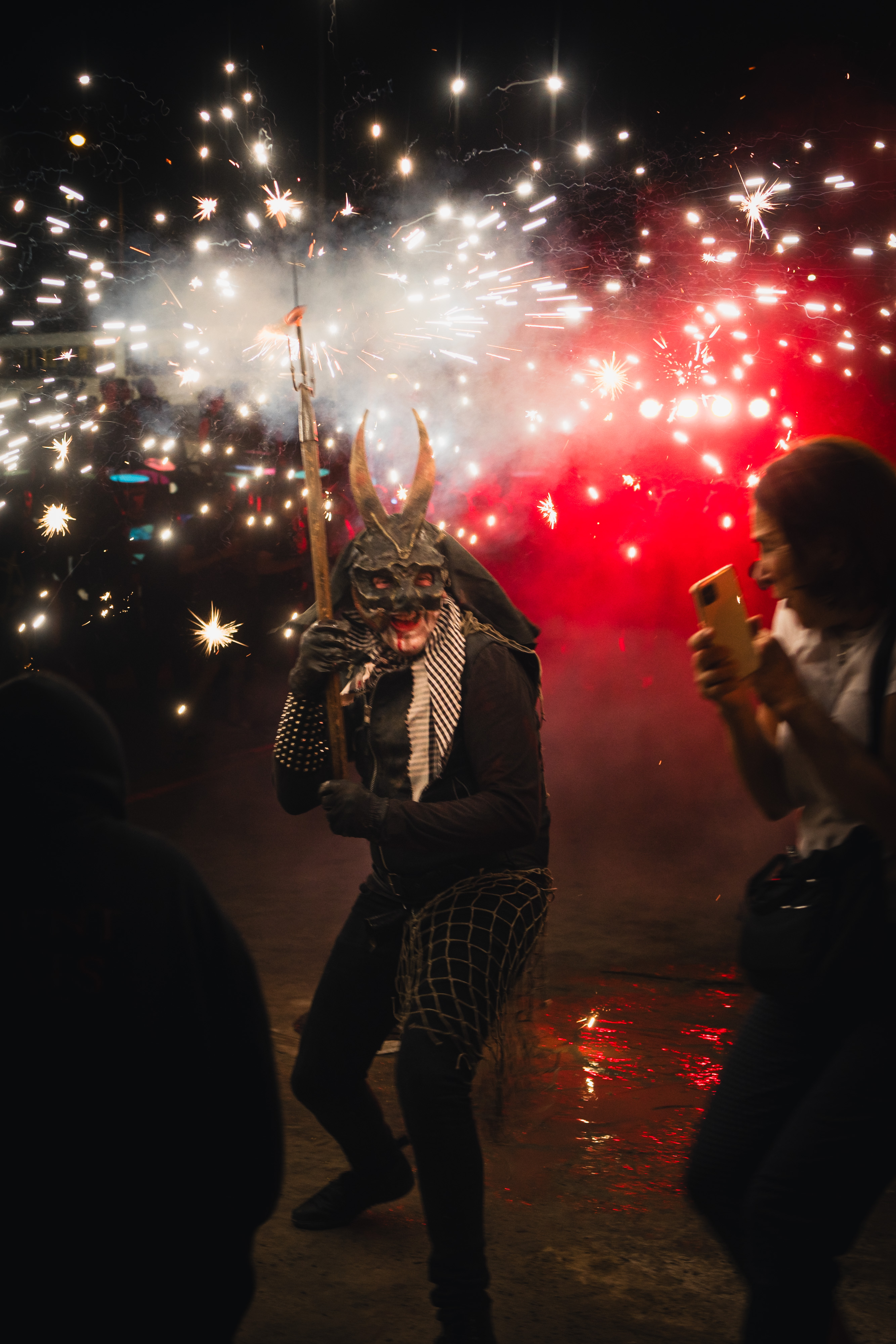
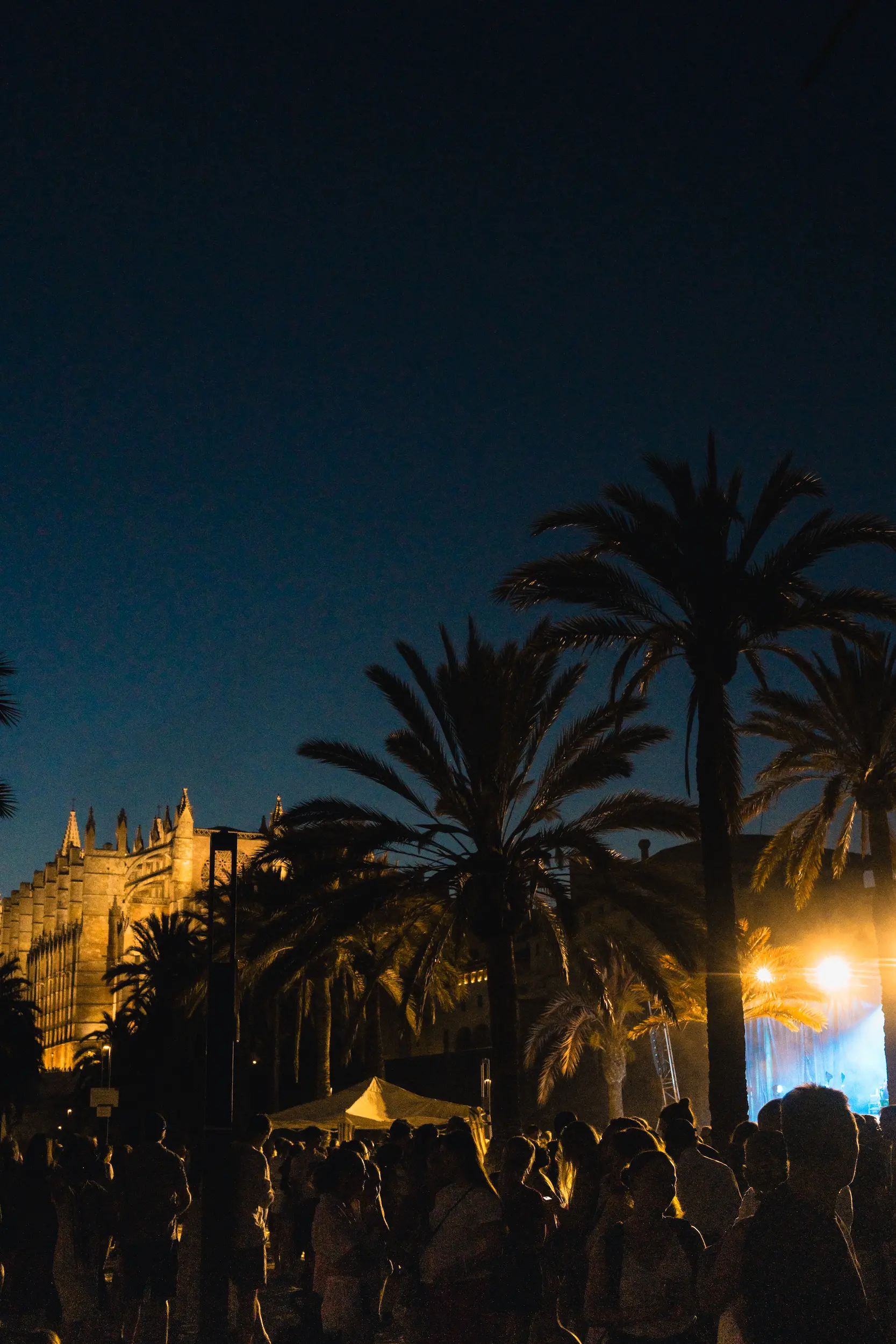
Photo: Ryan Noble/Black Goat
S

ince then, the size of the festival, the programme and the generations taking part have all changed, but its collaborative way of being built has remained. Most of that work happens away from the public eye, before the park fills and everything seems to run of its own accord. Alcázar sums it up with the Federation's motto: "the strength of unity." During Sant Joan, those words take on real meaning in the people who set up the site, serve food, coordinate the colles and remain there when the music ends and everything still needs to be cleared away. As evening falls, that work ceases to be invisible and the celebration begins to unfold beneath the Cathedral.

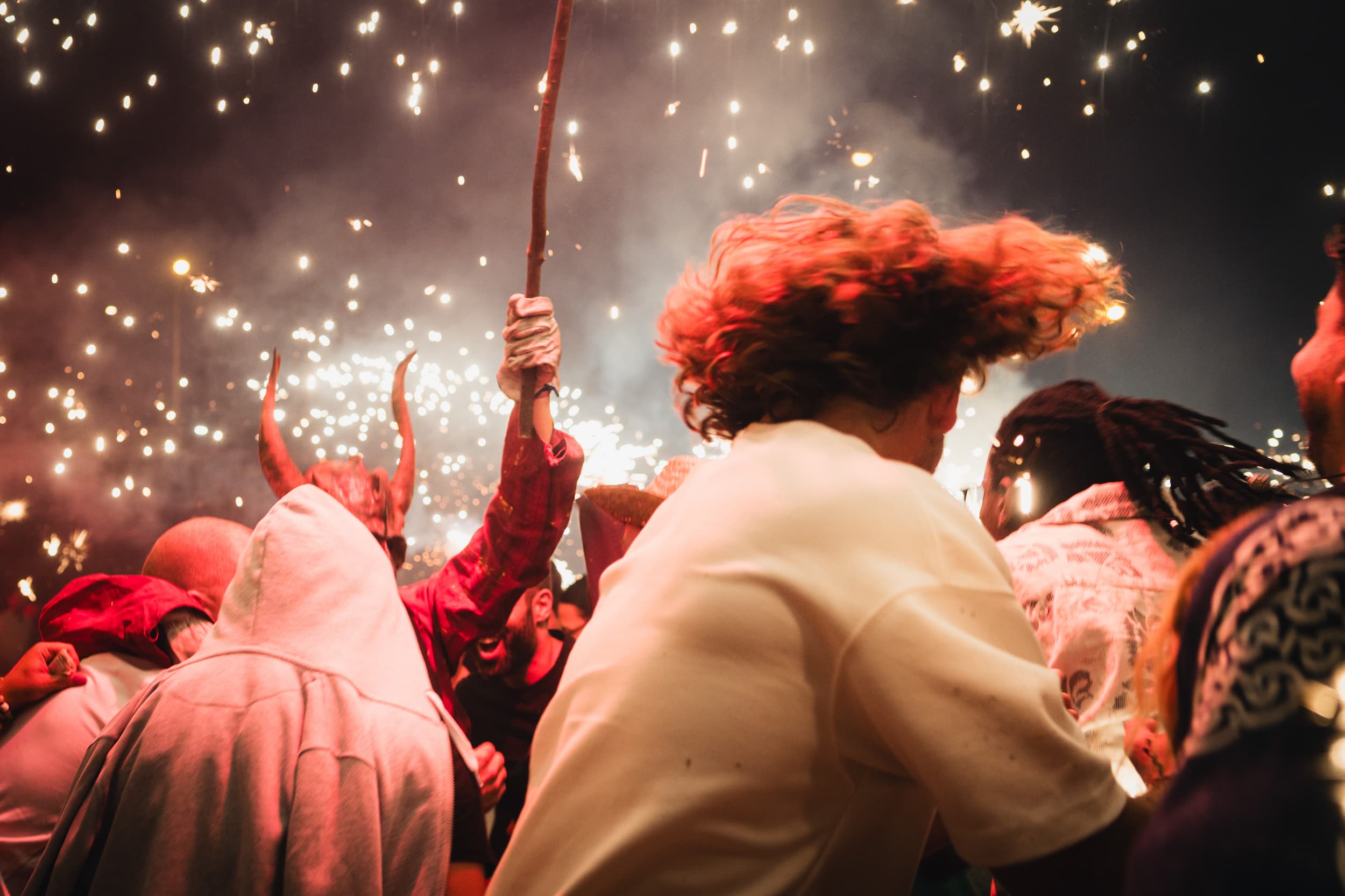
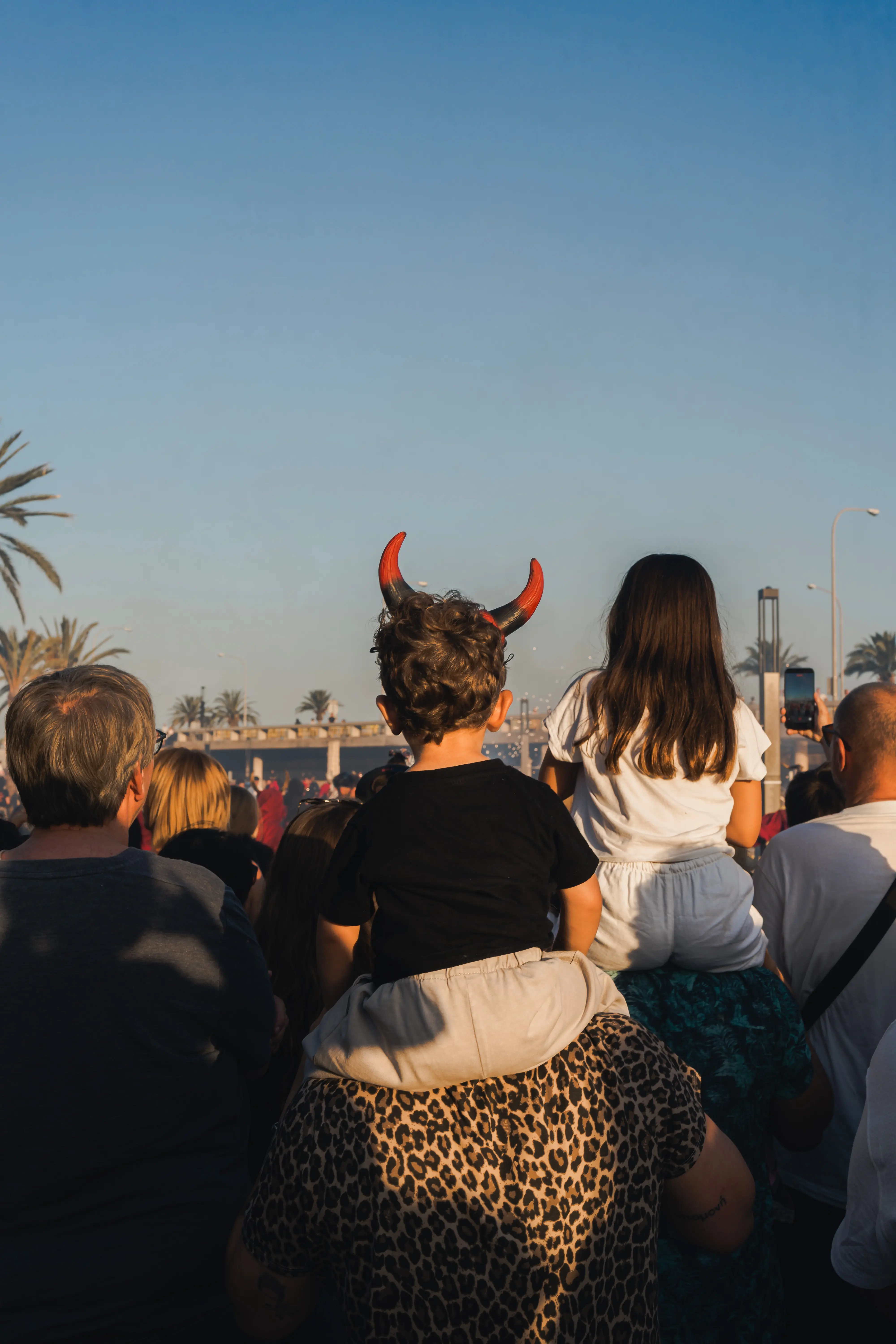
The lighting of the fogueró, with the Flama de la Llengua, starts a night that moves through different phases. Next comes the children's correfoc, in which the smallest dimonis make their way through the park accompanied by families who know how to dress for the flames, how close to get and when to give the fire its space. It is not merely a scaled-down version of the adult spectacle but one of the places where tradition begins to pass from one generation to the next. The ball de bot with Al-Mayurqa shifts the rhythm of the celebration for a while, while the pregón and its satire bring some of the city's concerns onto the stage. Memory, dance and social commentary coexist before all attention turns to the adult correfoc. Then the Parc de la Mar changes in scale. Those in the front rows cover their heads, the crowd gauges its distance and the Cathedral stands in the background, indifferent to the increasing noise. Unlike other correfocs, in which the dimonis move through streets and squares, here the fire is concentrated in a single space. The colles take over the park and mix with a crowd that never quite becomes a mere audience: people move forward, step back and decide at every moment how far they want to go.

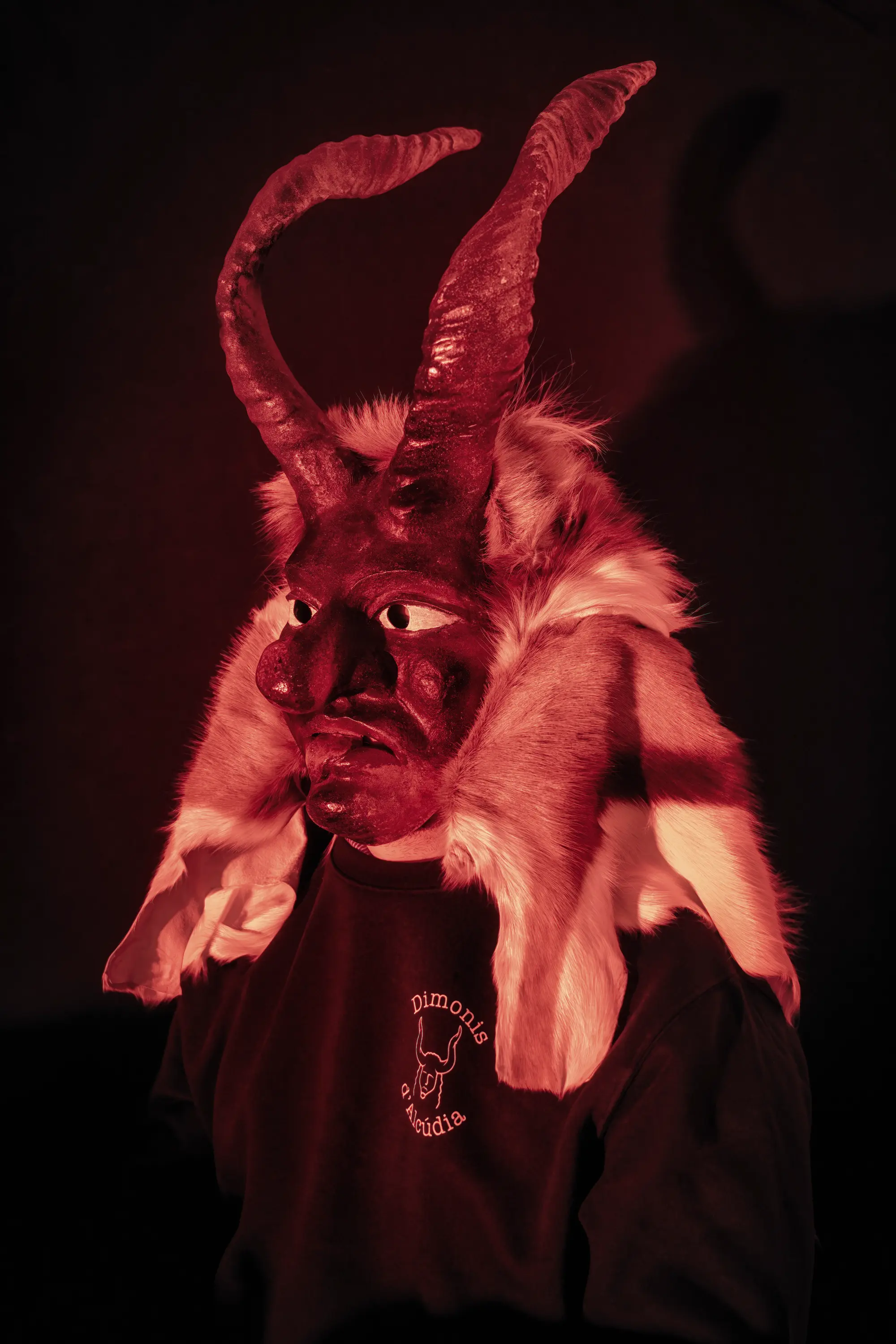
From outside, the scene can be difficult to make sense of. Smoke obscures part of the space, figures appear and disappear, and the pyrotechnics demand that you look in several directions at once. Rafael Polonio Gómez, founding member of Maleïts Encabritats, describes it as "controlled chaos." The chaos is what you see. Underneath it lies experience, shared codes and constant attention to what is happening all around. Each colla knows its movements, controls its materials and knows when to approach the crowd or hold back. Regular participants also know the precautions: cotton clothing, covered heads and eye protection. Others discover, perhaps a little too late, that sandals were not the wisest choice. The correfoc is understood through the distance each person decides to keep from the fire. You do not need to stand beneath the sparks to be part of the scene, but neither can it be fully understood from a distance. Each colla has its own colours and character. Maleïts Encabritats favour ochre and black, and some masks incorporate real goat horns. Despite their threatening appearance, Polonio resists the most literal interpretation: the dimoni does not necessarily represent the devil, but a more mischievous and provocative figure, one permitted to disrupt the order of things for a few hours.

"From the Puig de Sant Pere to the Parc de la Mar, the Revetla de Sant Joan has grown from its neighbourhood origins into a celebration open to the entire city."
Photo: Ryan Noble/Black Goat