O
ver 120,000 people have cerebral palsy in Spain, and according to the website of the ASPACE Illes Balearics Foundation, it is one of the most common disabilities in young children.
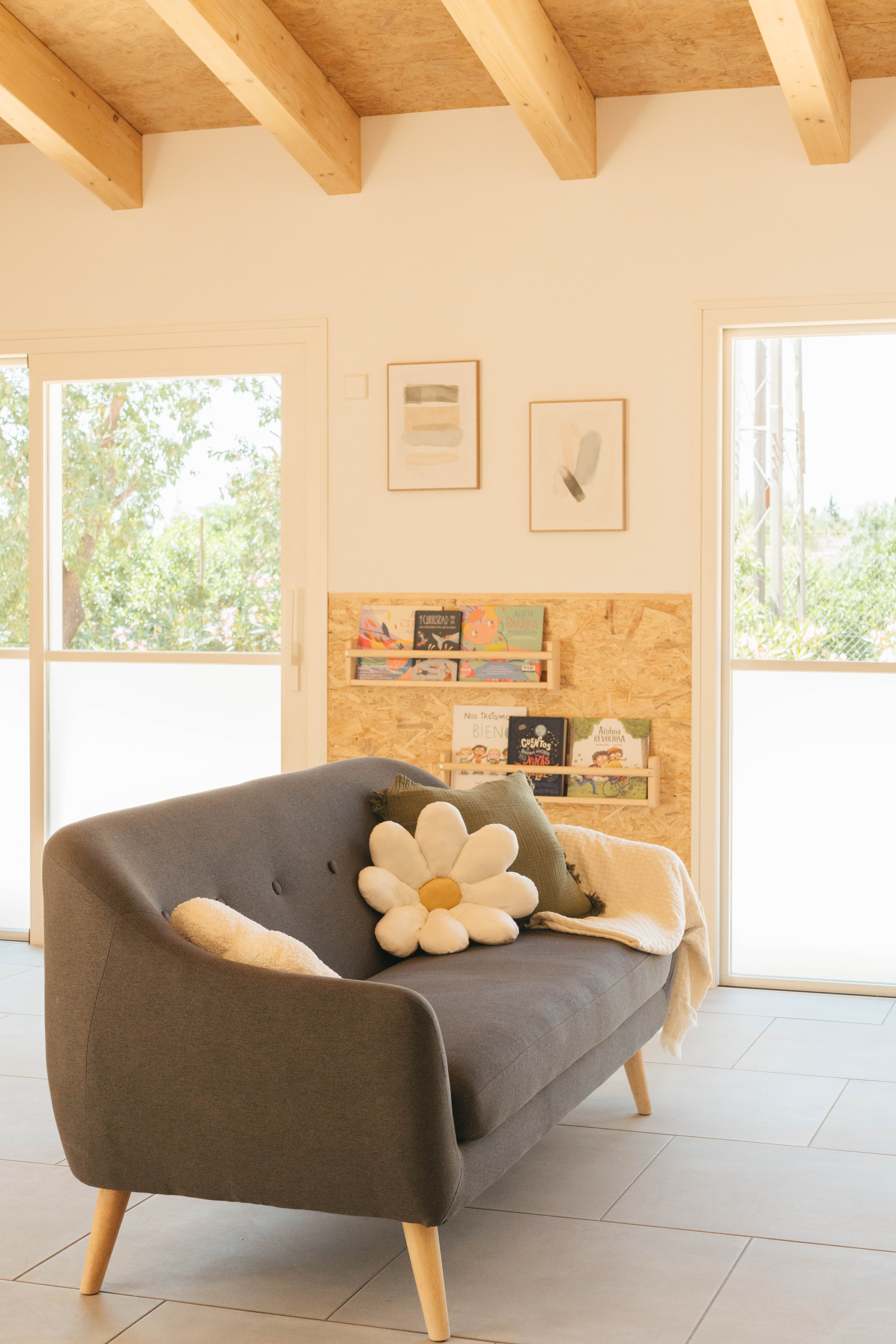
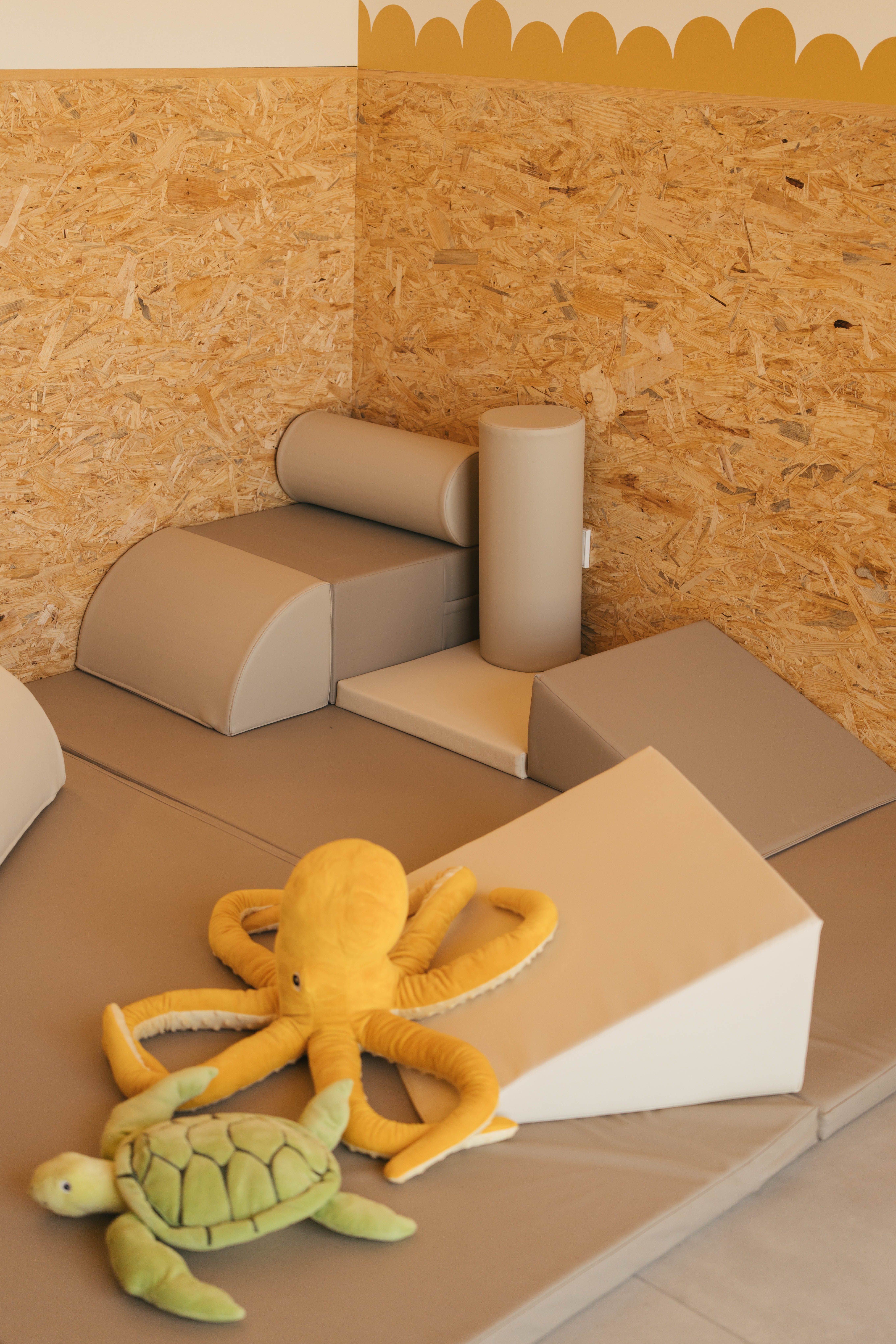
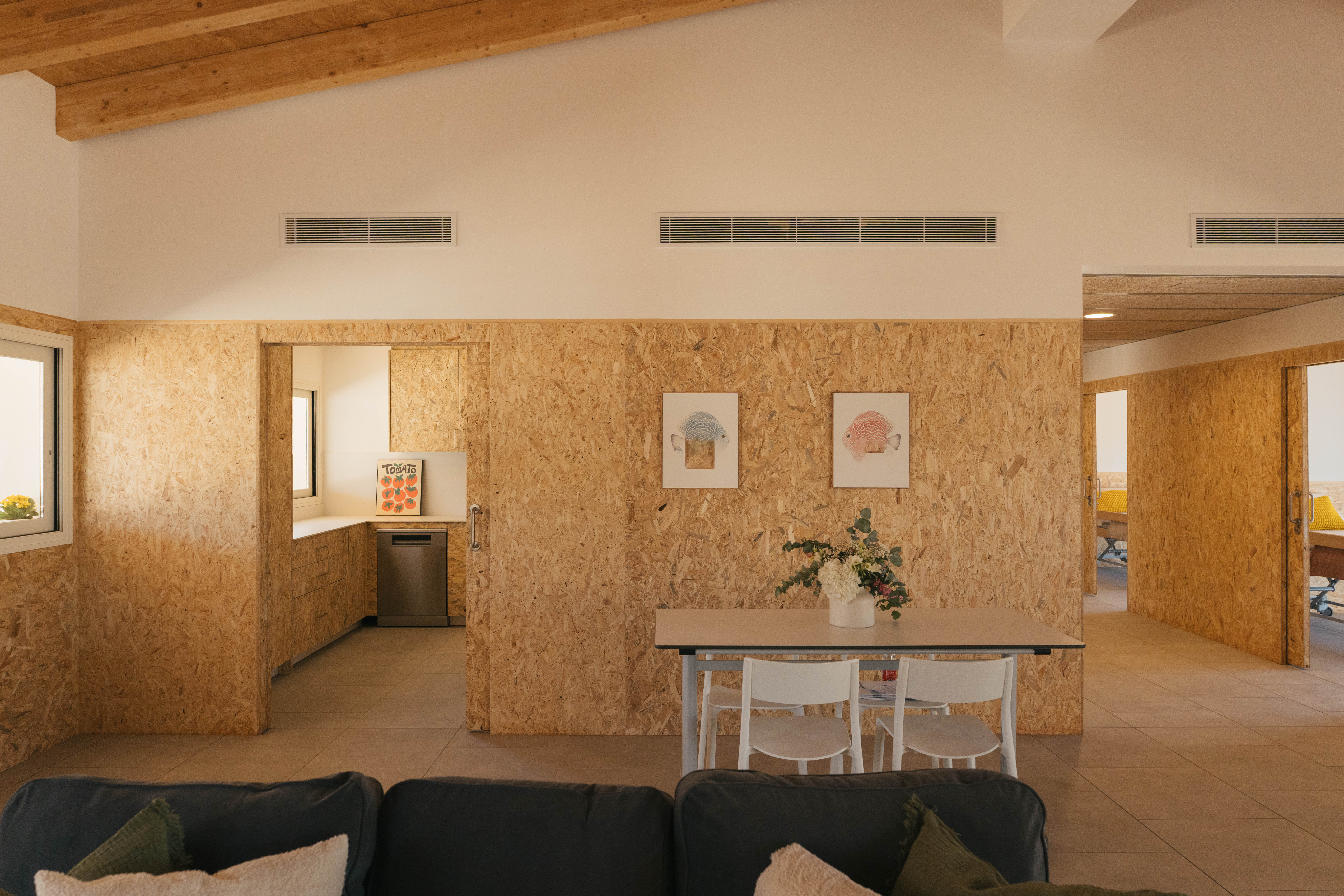
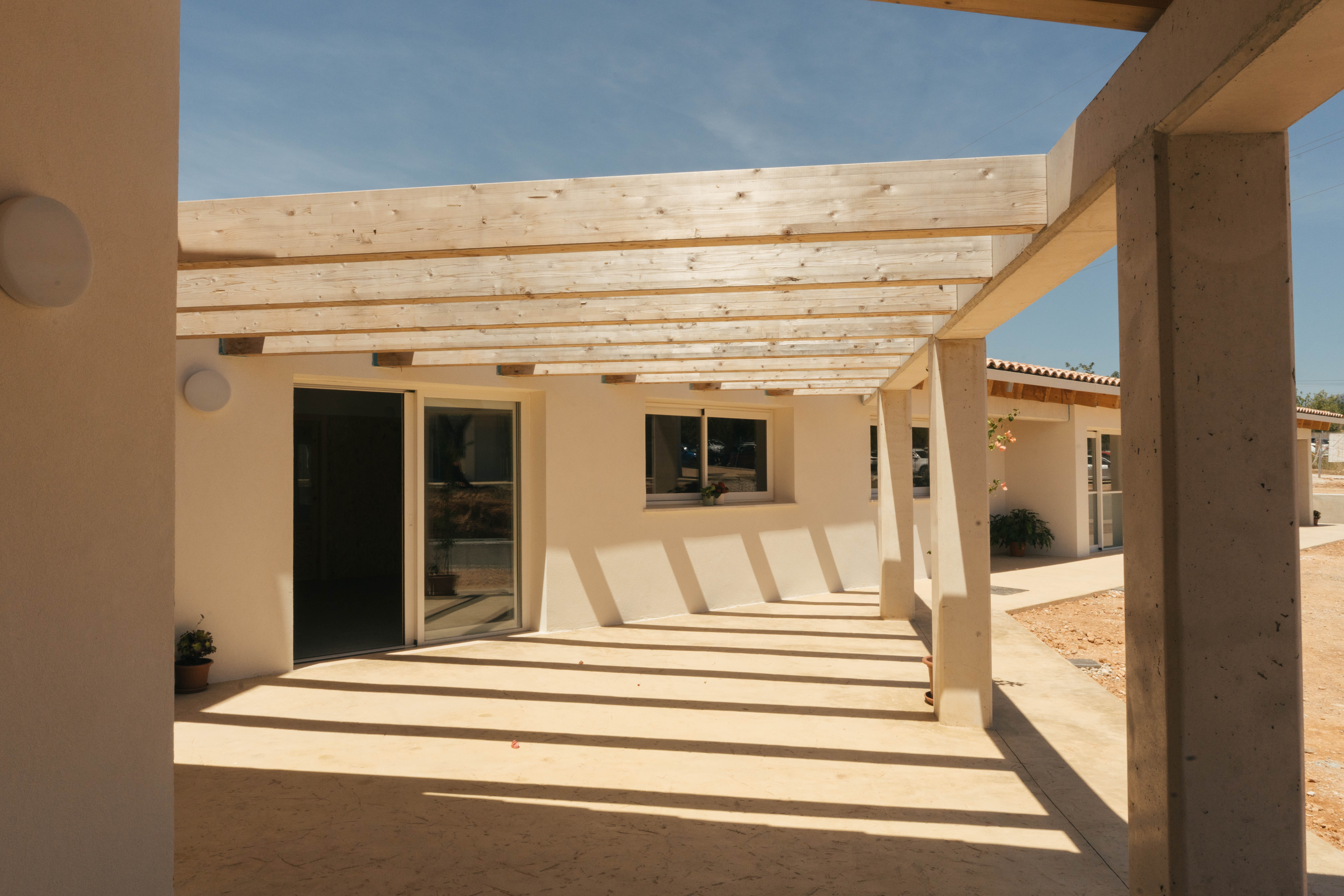
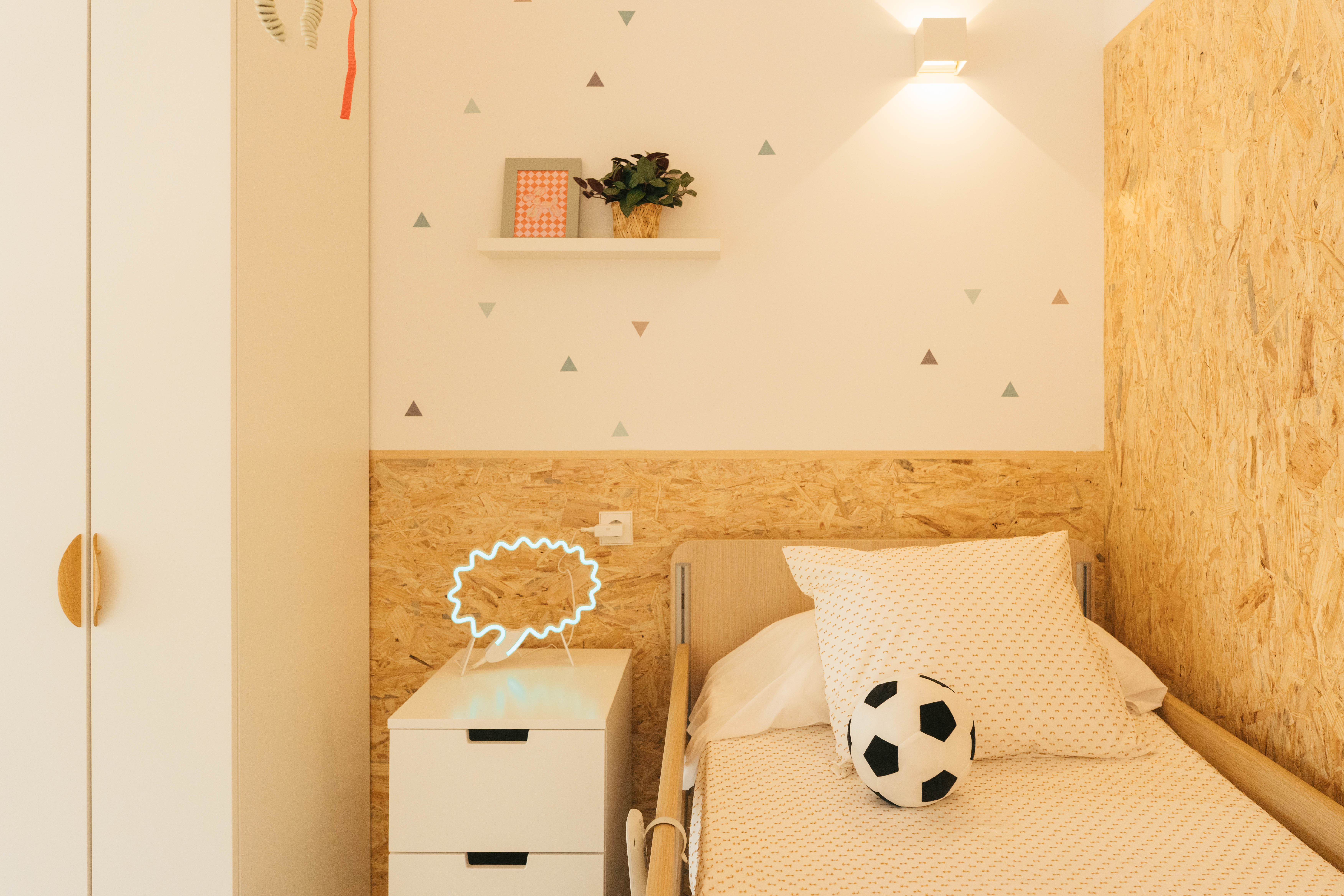
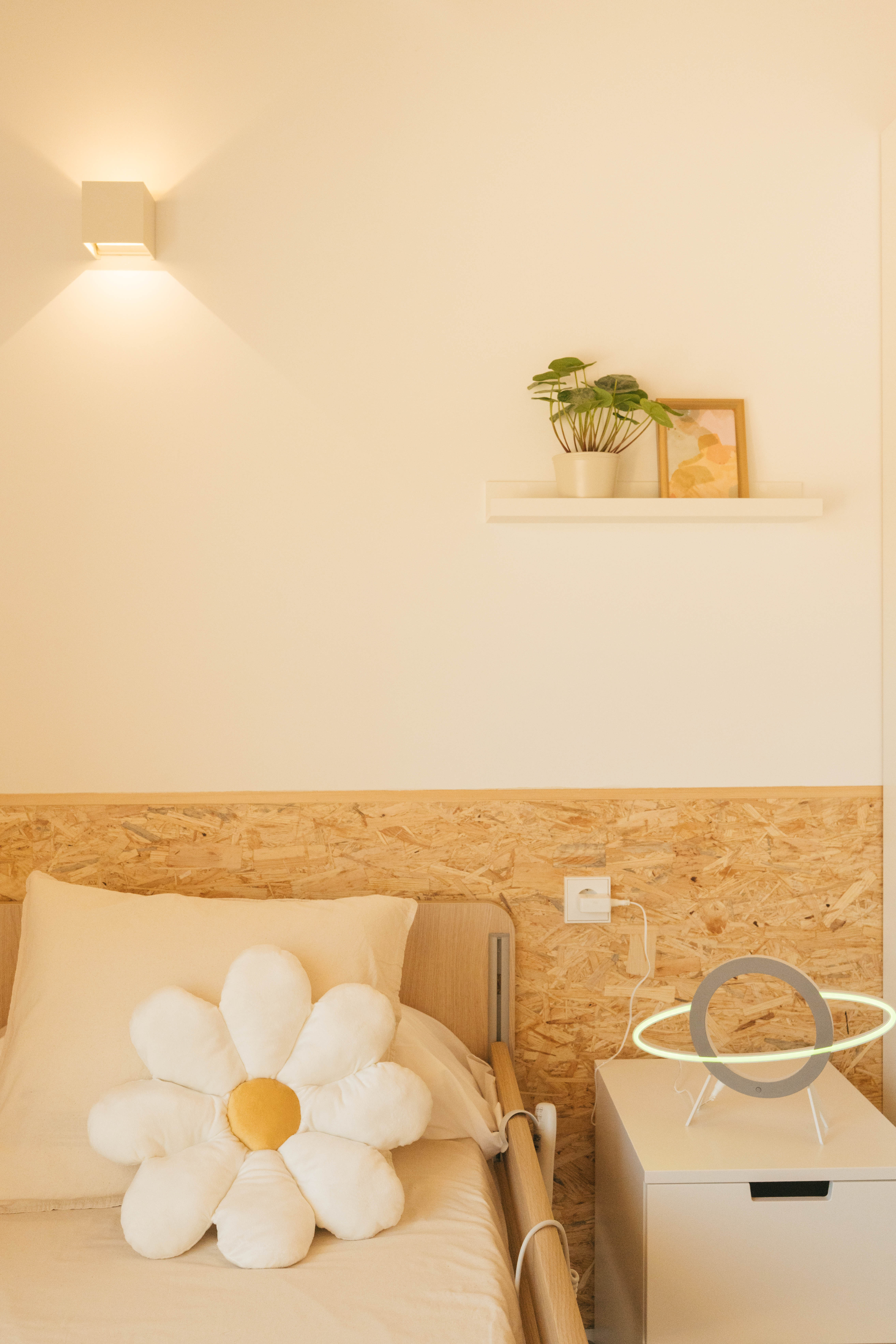
ASPACE, like Esment, another fantastic non-profit in Mallorca, was founded by a group of parents who saw the challenges of raising a child with cerebral palsy and wanted to create a network of support to families, provide education opportunities, foster development and social integration. The project first began in the mid-1970s on a small street in a Palma neighborhood and has grown solidly over the last 50 years, providing vital care to people with cerebral palsy on the island. In December, ASPACE will open Sa Talaia and La Nola, Mallorca’s first specialised 24-hour residence for children and young people with severe disabilities, including cerebral palsy and associated conditions. These facilities have been more than a decade in the making and mark an important evolution of ASPACE and its services.
When their daughter Nola was born, in 2015, with cerebral palsy, and was 93% disabled, James and Anja von Enden turned to ASPACE Foundation for help. Nola initially attended their early-intervention program and then nursery, and for Anja, ASPACE not only provided care to her daughter, but introduced her to a community of people going through the same struggles as they were experiencing. “At the same time, despite our difficult situation, we were still privileged. We were able to organise support and create some personal space for ourselves, at least occasionally. Other families did not have that possibility at all. In some cases, their entire lives revolved around caring for their child,” Anja explains. They were also worried about the future, as Nola grew bigger, “We always had support for Nola, but we still asked ourselves: What happens when she becomes bigger and heavier? What happens when we, as well as her caregivers, grow older and providing physical care becomes increasingly difficult?”