A
long that same avenue passed local families, hotel workers, travelers and foreign sailors. Each business served a different public, and yet all were part of the same neighbourhood. Behind the grand narratives about tourism, nightlife or urban transformation, El Terreno was also a place where a life could begin on one side of the avenue and continue on the other.
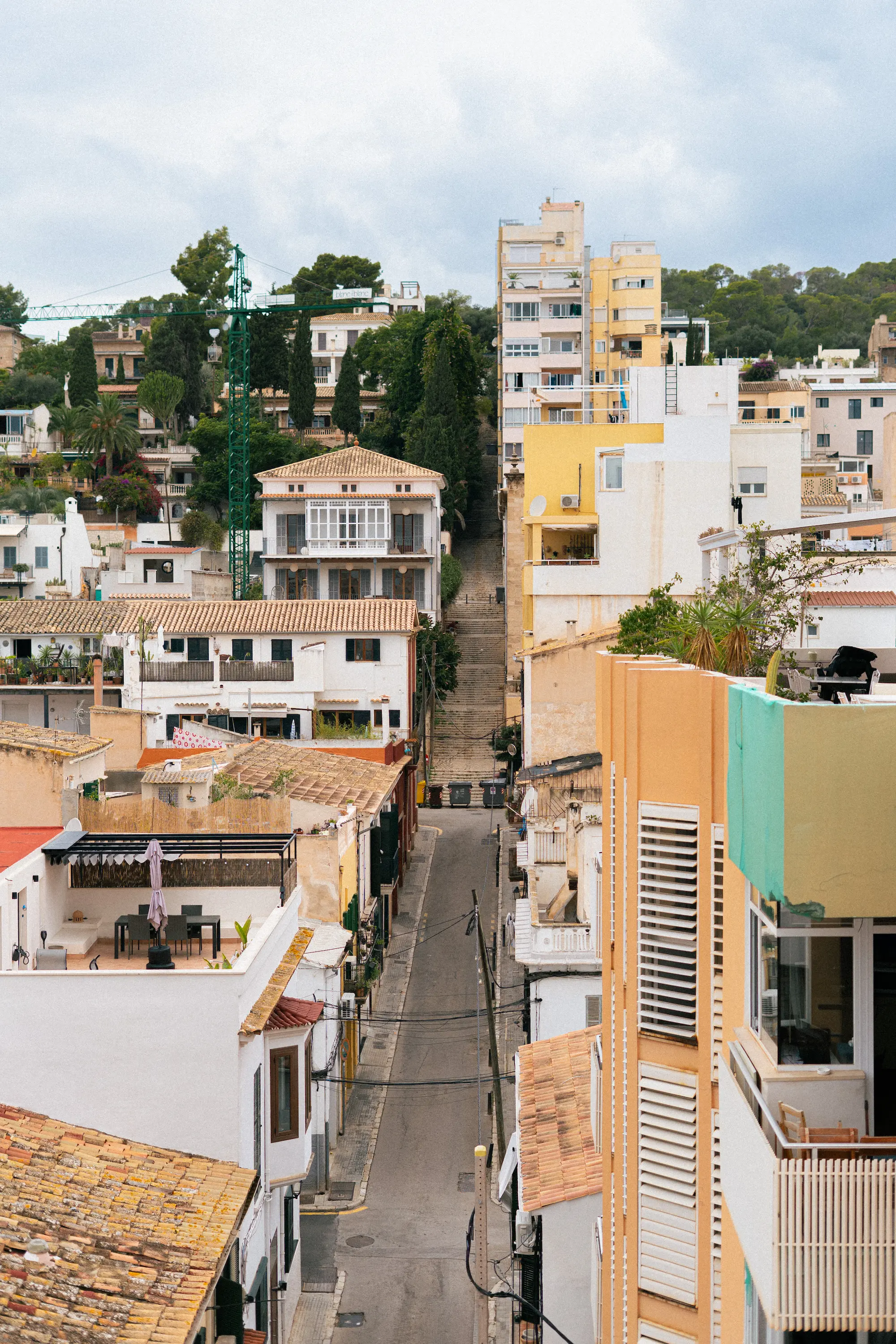
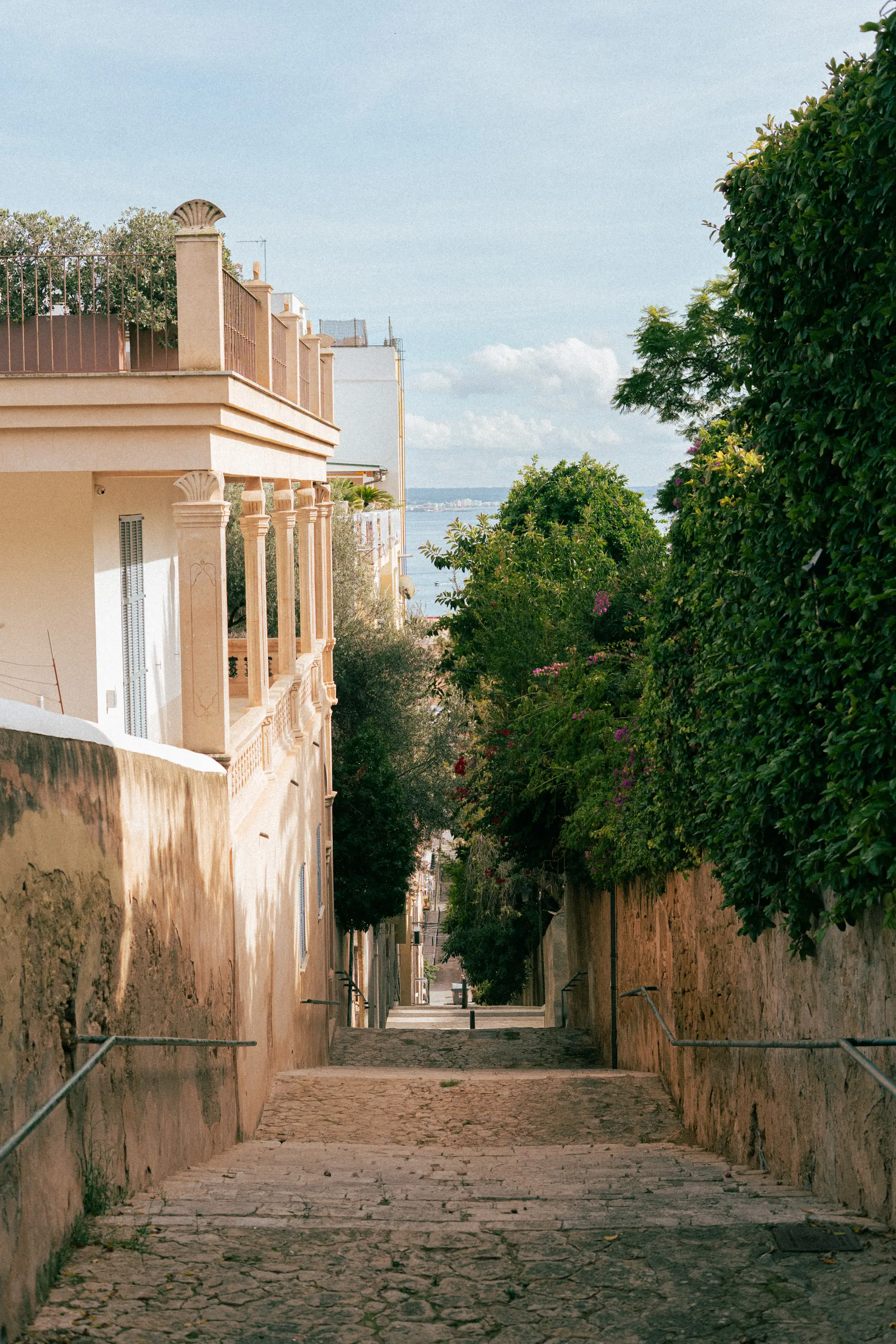
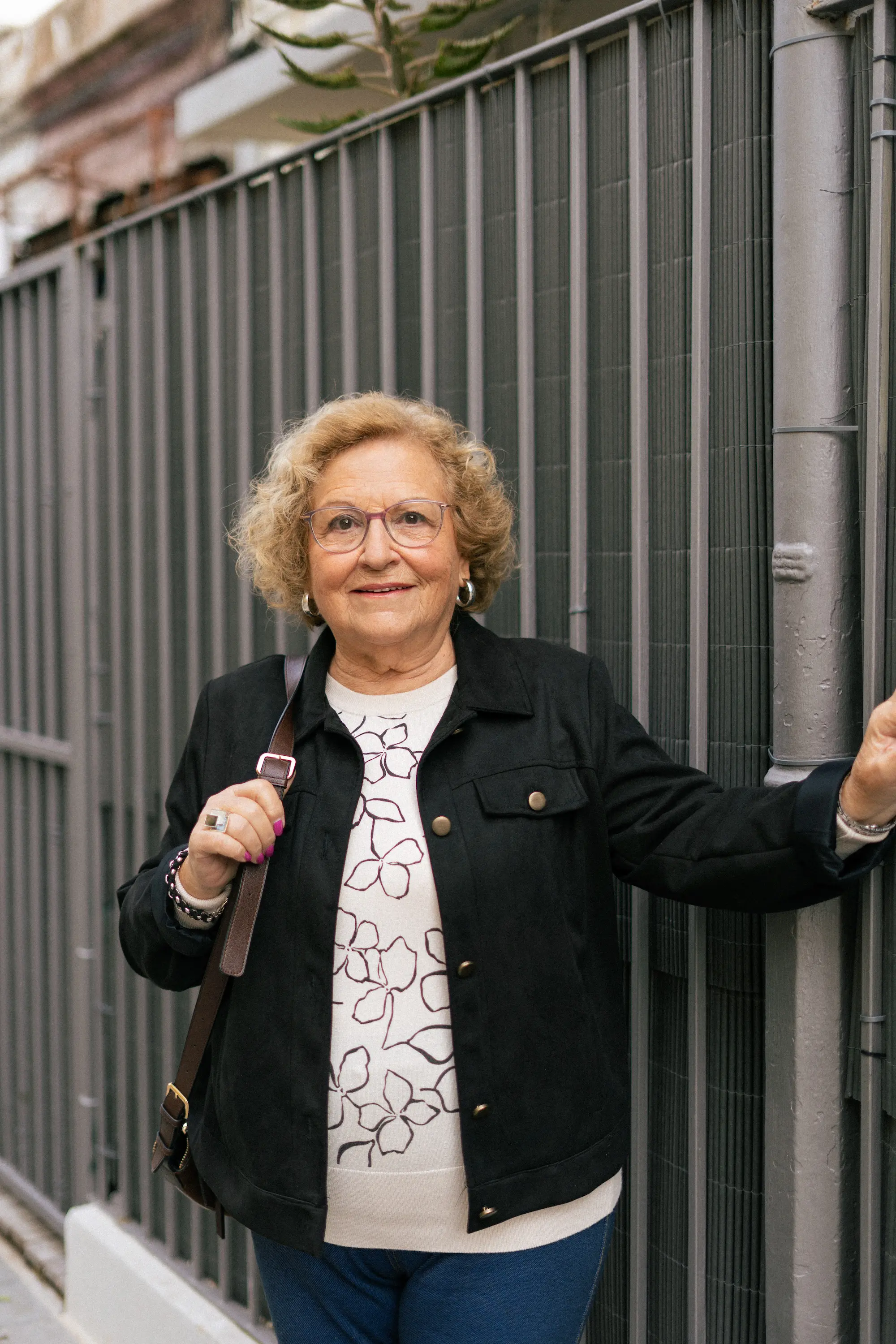
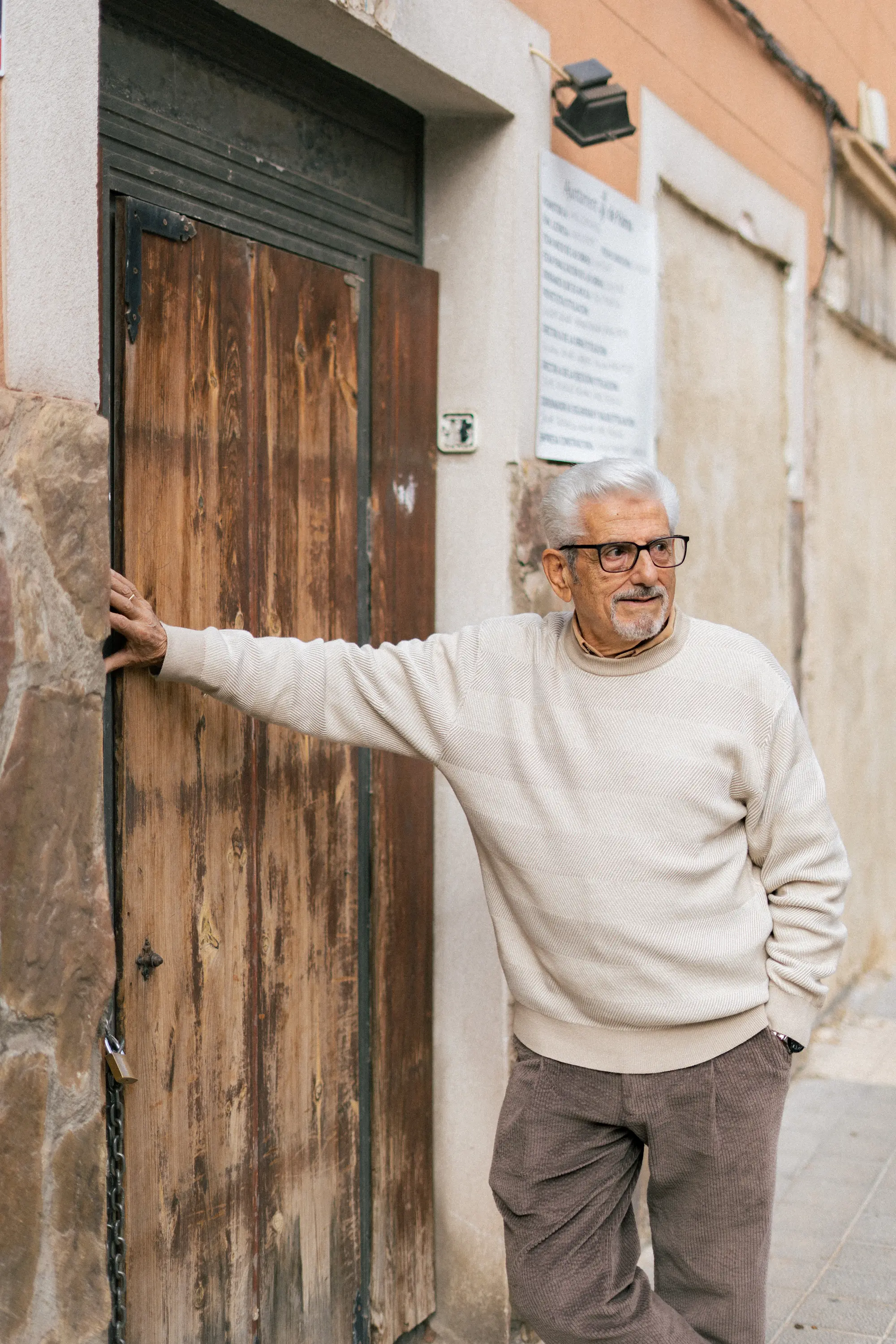
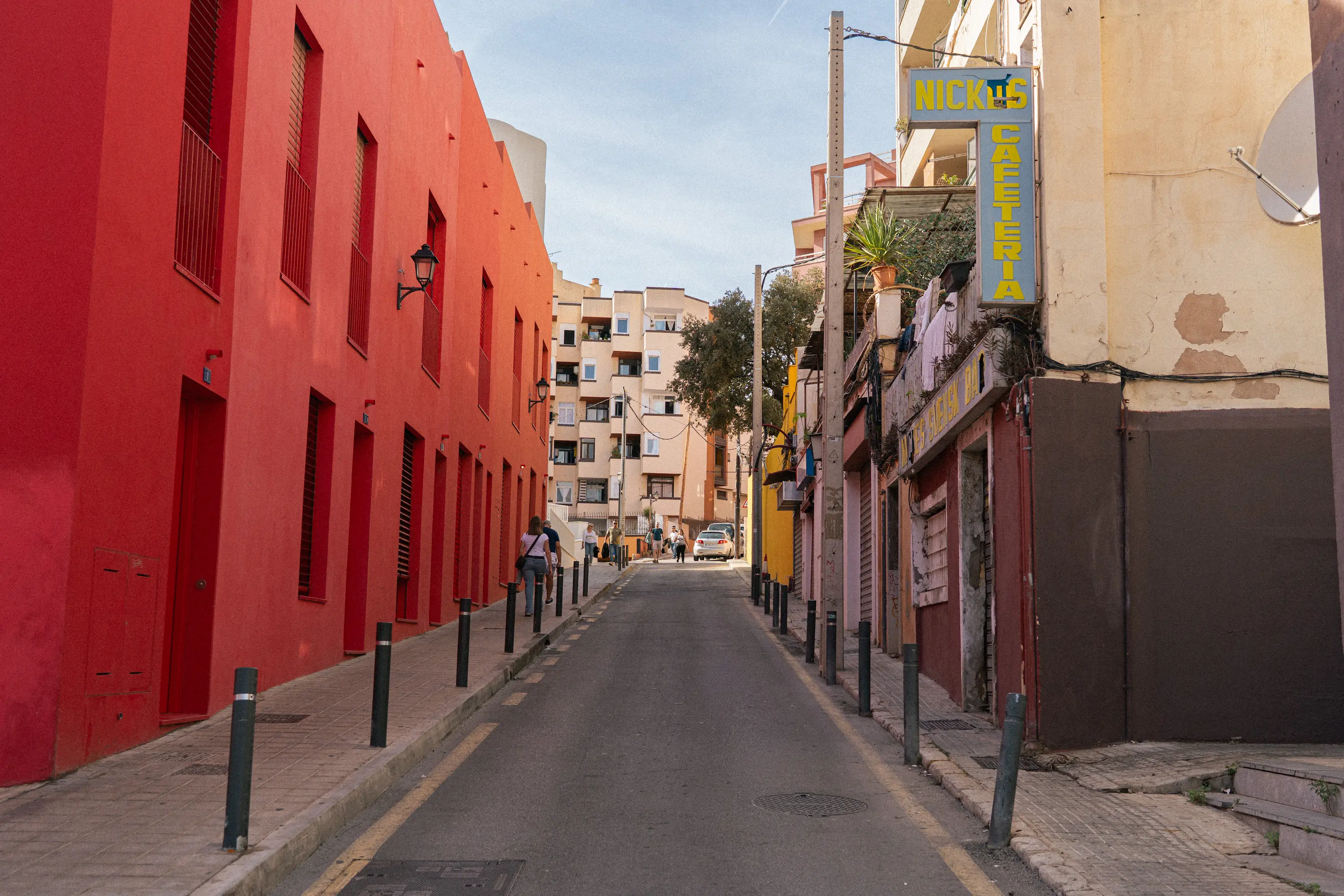
From Joan Miró, the neighbourhood can only be understood by climbing. The slope forces you to zigzag and look for staircases among streets that rarely lead directly anywhere. Patricia Troyano, president of the Bellver–El Terreno neighbourhood Association and a lifelong resident, says that here "wandering the streets is the best part." Her walk passes through Dos de Maig and the Polvorí before approaching the Bellver forest. The low houses, the gardens behind garden walls and the scent of plants mark the way. "It still smells of jasmine," she says.
The climb also leads toward the origins of El Terreno. In the mid-nineteenth century, this hillside outside the walled city began to fill with summer houses. The Palma bourgeoisie found a retreat by the sea here. Later came travelers, artists and writers drawn by the same promise. The neighbourhood grew looking toward Palma while keeping a certain distance. Patricia recalls that locals used to say "going to Palma," as if going down to the centre meant leaving their own village.
She calls it a "village-neighbourhood." During the festivals, bakeries gave away ensaimadas and several generations took over the street together. A neighbor would tend a child's wound, and families would ask the house next door for whatever they were missing for the celebration. Calle Robert Graves held the small shops, and Bellver was the playground. "For us, the castle is ours," says Patricia. She isn't speaking of ownership, but of having grown up at its feet and feeling it as an extension of the neighbourhood.
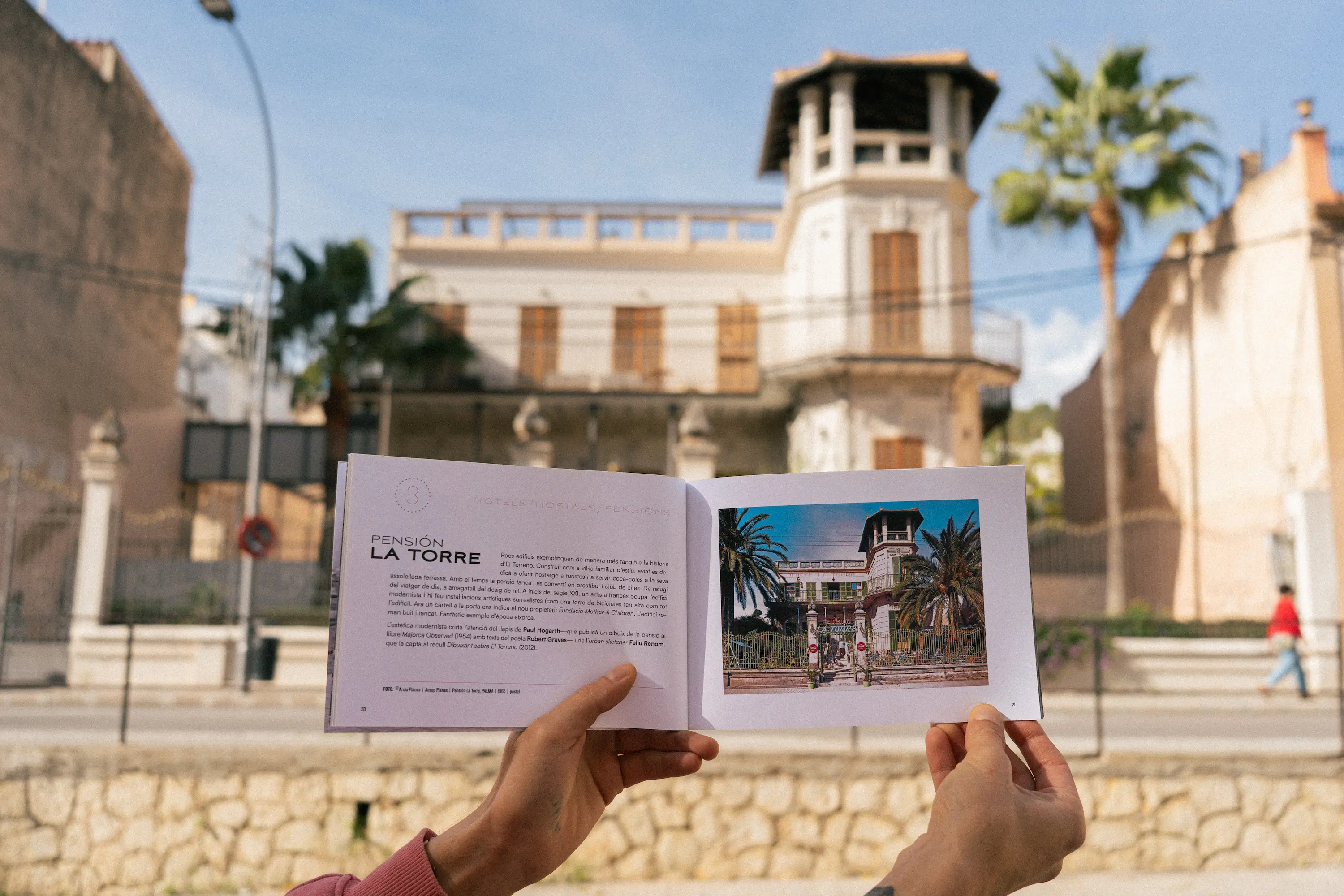
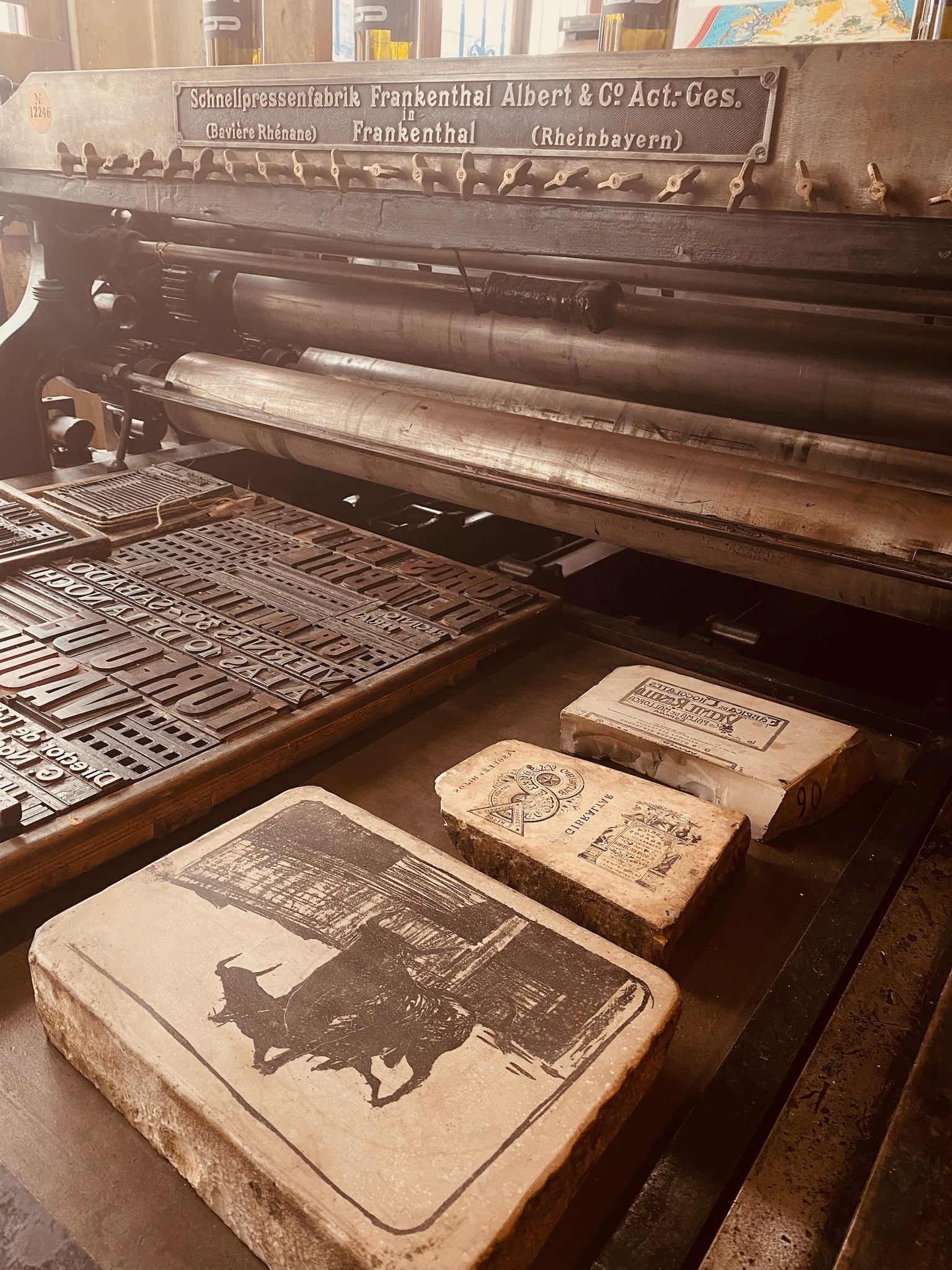
Eduard Moyà, a researcher in comparative literature and a fourth-generation local, has studied how the neighbourhood's fame was built. With Pere Lacomba he developed El Terreno. A Rose is a Rose, based on the photographic archive of Josep Planas i Montanyà and on neighbors' memories. What emerges from that work is a place of guesthouses, workshops, fishermen, foreigners, intellectuals and families, far more complex than the bohemian postcard to which it has often been reduced.
Some houses also served as spaces for creation. Santiago Rusiñol rented a house in the Plaçeta and spent long periods there painting and writing. Joaquim Mir stayed there with the Rusiñol family, while the painter Gaspar Terrassa lived in a nearby house. Domestic life, the studio and the gathering mixed easily.
Moyà's work points to a paradox. The foreign writers and artists arrived seeking a version of Mediterranean paradise, and when they began to tell of it, they helped attract the industry that would end up transforming it. He speaks of the "success of the myth." The image of El Terreno traveled far beyond its streets and came back transformed into tourist desire.
From the upper part, you can see why that myth was so convincing. The sea was close, Bellver protected its back, and the neighbourhood offered a freedom unusual in the Spain of its time. Patricia remembers two worlds that were never entirely separate. Down below, around Joan Miró and Gomila, the nightlife unfolded. Higher up, the families, the shops and the children climbing toward the castle carried on. On a single street you might cross ladies going out for a drink, artists on their way to the clubs and young people on bicycles. For a time, cosmopolitan life and neighbourhood life found a way to coexist.
For María, that coexistence took the concrete form of her counter. Across it passed tourists staying in nearby hotels and pensions, sailors from the US Sixth Fleet and neighbors she saw every day. When the tourism model changed, she transformed her business too. The souvenirs gave way to clothing for people from the neighbourhood, and later she opened another store, for children's clothes. The shop stayed open for more than thirty years because it knew how to change with the rhythm of the street.
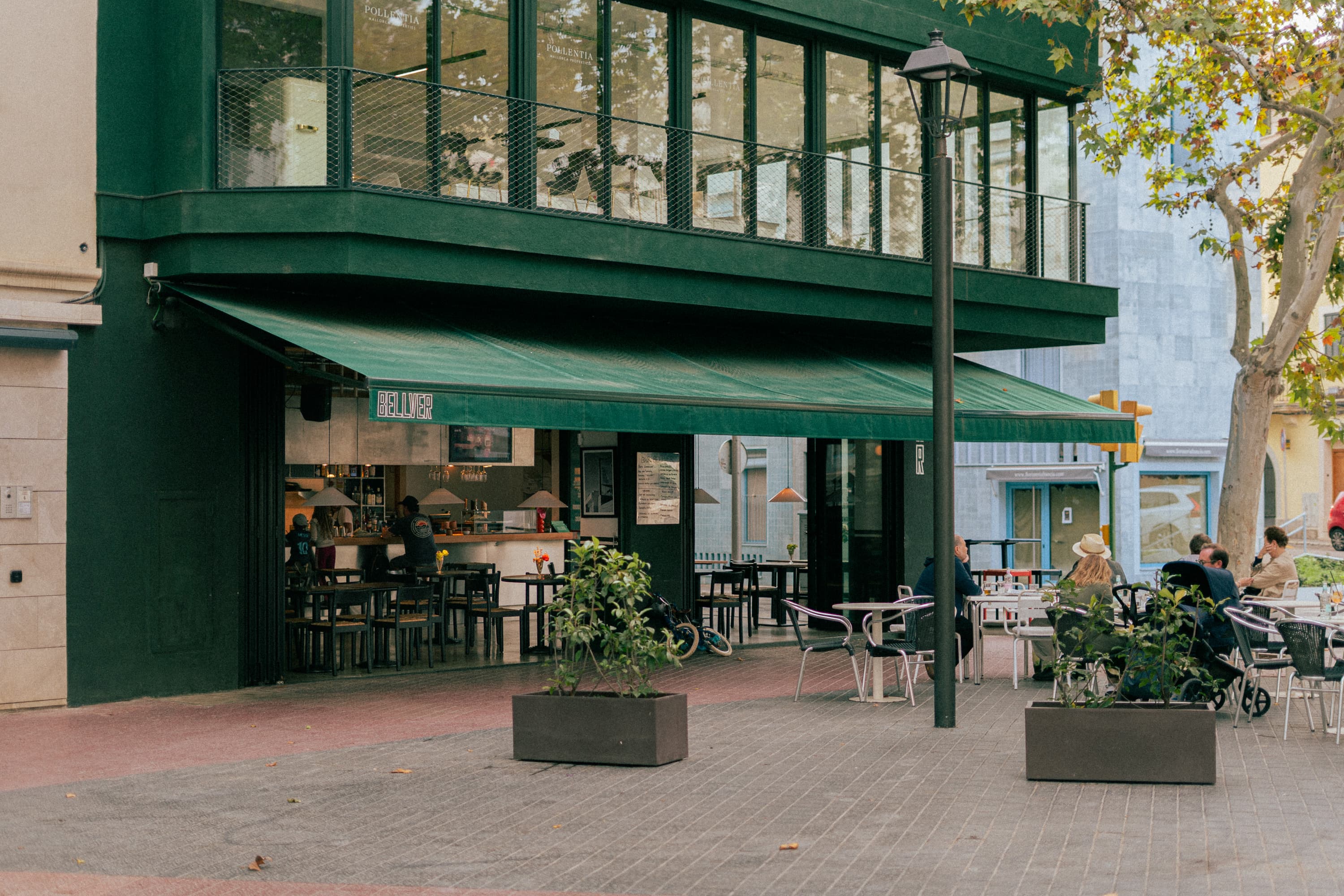
Descending toward Plaza Gomila, the different layers of nocturnal El Terreno appear. María remembers the afternoon sessions at Tito's and the nights when neighbors sat close by to watch the arrival of elegantly dressed people. Among the audience might appear Grace Kelly or Sean Connery, while on stage performed figures such as Marlene Dietrich, Louis Armstrong or Lola Flores. Those who didn't go in followed the spectacle from the benches and commented on the guests' clothes. Tito's fame was part of the neighbourhood's pride, and the night still coexisted with its everyday life.