Close Search
7 Essential Things to Do in Mallorca This Spring
- Von
Blaire Dessent
sustainability 2030
off the island
7 Essential Things to Do in Mallorca This Spring
May 1, 2026
by
Blaire Dessent
7 Essential Things to Do in Mallorca This Spring
sustainability 2030
off the island
May 1, 2026
by
Blaire Dessent
sustainability 2030
off the island
7 Essential Things to Do in Mallorca This Spring
May 1, 2026
- Von
Blaire Dessent
7 Essential Things to Do in Mallorca This Spring
May 1, 2026
- Von
Blaire Dessent
sustainability 2030
off the island
off the island
sustainability
7 Essential Things to Do in Mallorca This Spring
May 1, 2026
- Von
Blaire Dessent
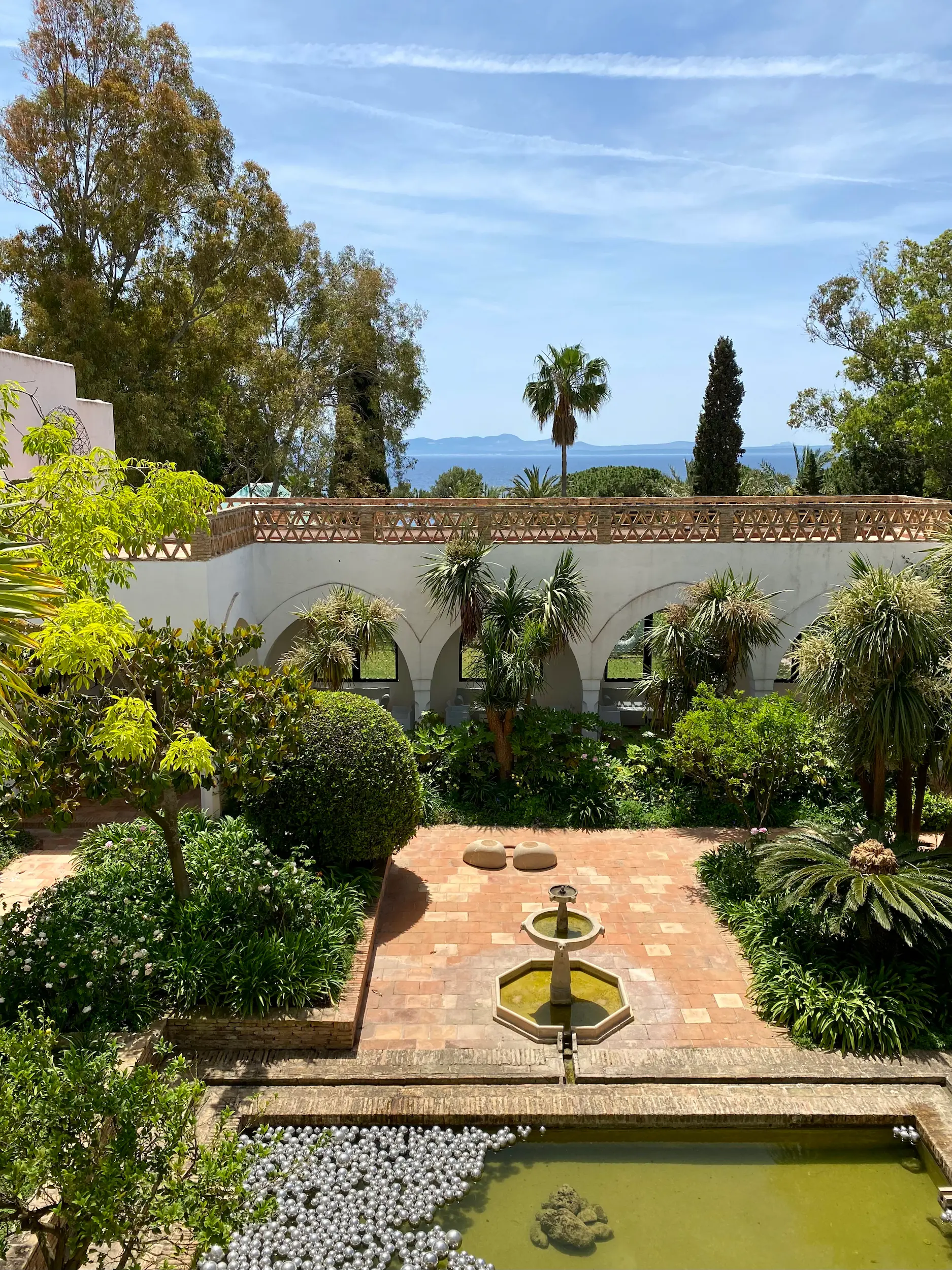
Sa Bassa Blanca
T

he crowds are still manageable, the light is clear and fresh, and the island is quietly at its best. From garden walks to market eats, here are seven ideas on how to make the most of springtime in Mallorca.

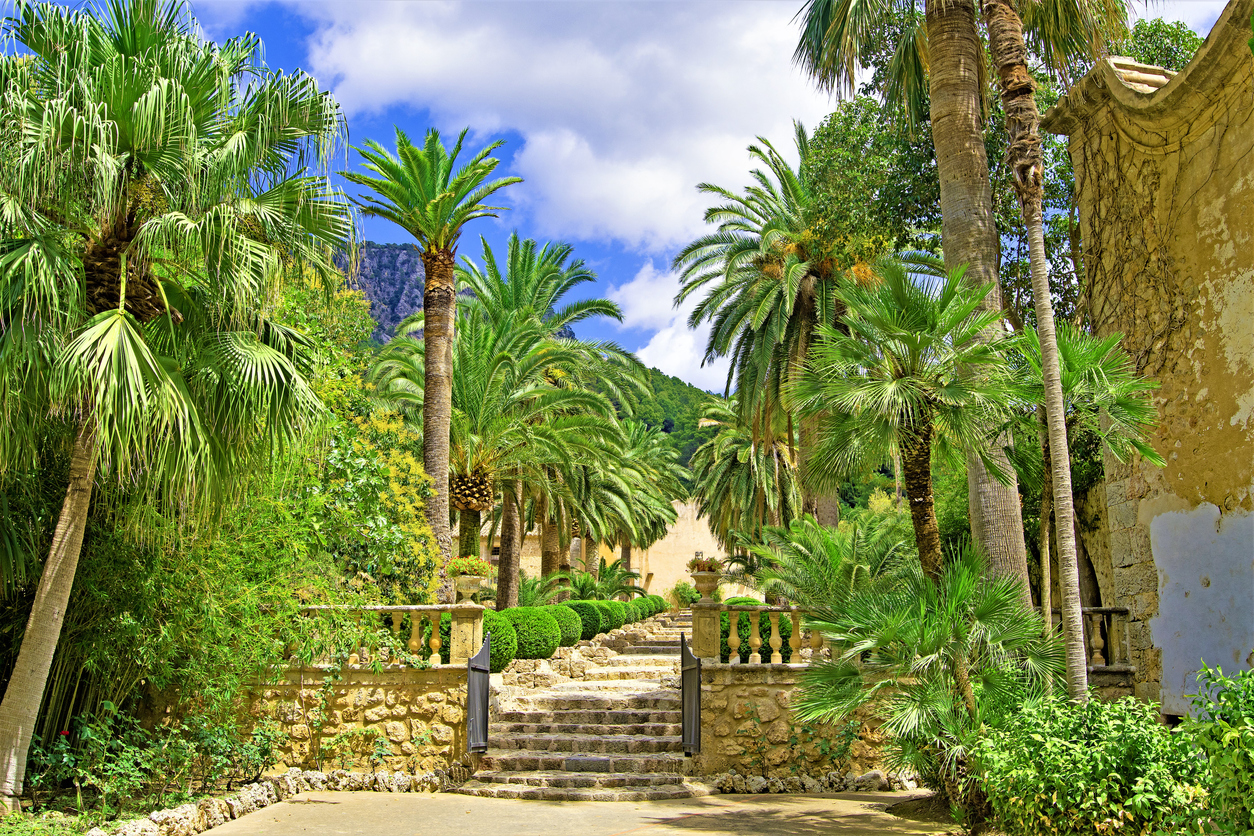
Walk the Gardens of Jardins d'Alfabia

Right before the Sóller tunnel, the Jardins d'Alfabia are one of Mallorca's oldest and most intriguing parks. This Moorish-era estate, originally established in the 10th century, is beautifully landscaped with formal terraces, pergolas draped in wisteria, and water channels that have been running for nearly a thousand years. Spring makes a great time of year to visit, because the gardens come into full colour from March onward, with roses, irises, and jasmine all flowering before the heat of summer burns them back. Visitor numbers are still low in April and May, meaning you can wander around, sit at the outdoor café and enjoy the surroundings. The house itself contains an eclectic collection of antique furniture and ceramics worth a look, and the whole visit rarely takes more than 90 minutes, manageable as a stop on the way to or from Sóller.

Explore Sa Bassa Blanca Museum & Sculpture Park

Tucked into the forests on the far eastern edge of the island, outside of Port de Alcudia, Sa Bassa Blanca is one of Mallorca's most unexpected cultural surprises. The Swiss artist Ben Jakober and his partner Yannick Vu spent decades assembling a collection that spans Renaissance portraits of children, monumental contemporary sculpture, and a surrealist garden that blurs the line between art and landscape. The outdoor sculpture park is the centrepiece. Artworks are installed across several hectares of Mediterranean scrubland and terraced gardens, with pieces by artists including Salvador Dalí and a striking pyramid structure that houses part of the collection underground. Architecture lovers will appreciate the couple’s Hasan Fathy-designed house, the only example of the well-known Egyptian architect’s work in Europe, and a stunning example of Spanish-Moorish design. Spring makes the outdoor visit genuinely pleasant; pack a lunch and enjoy the day. Visits must be booked in advance.

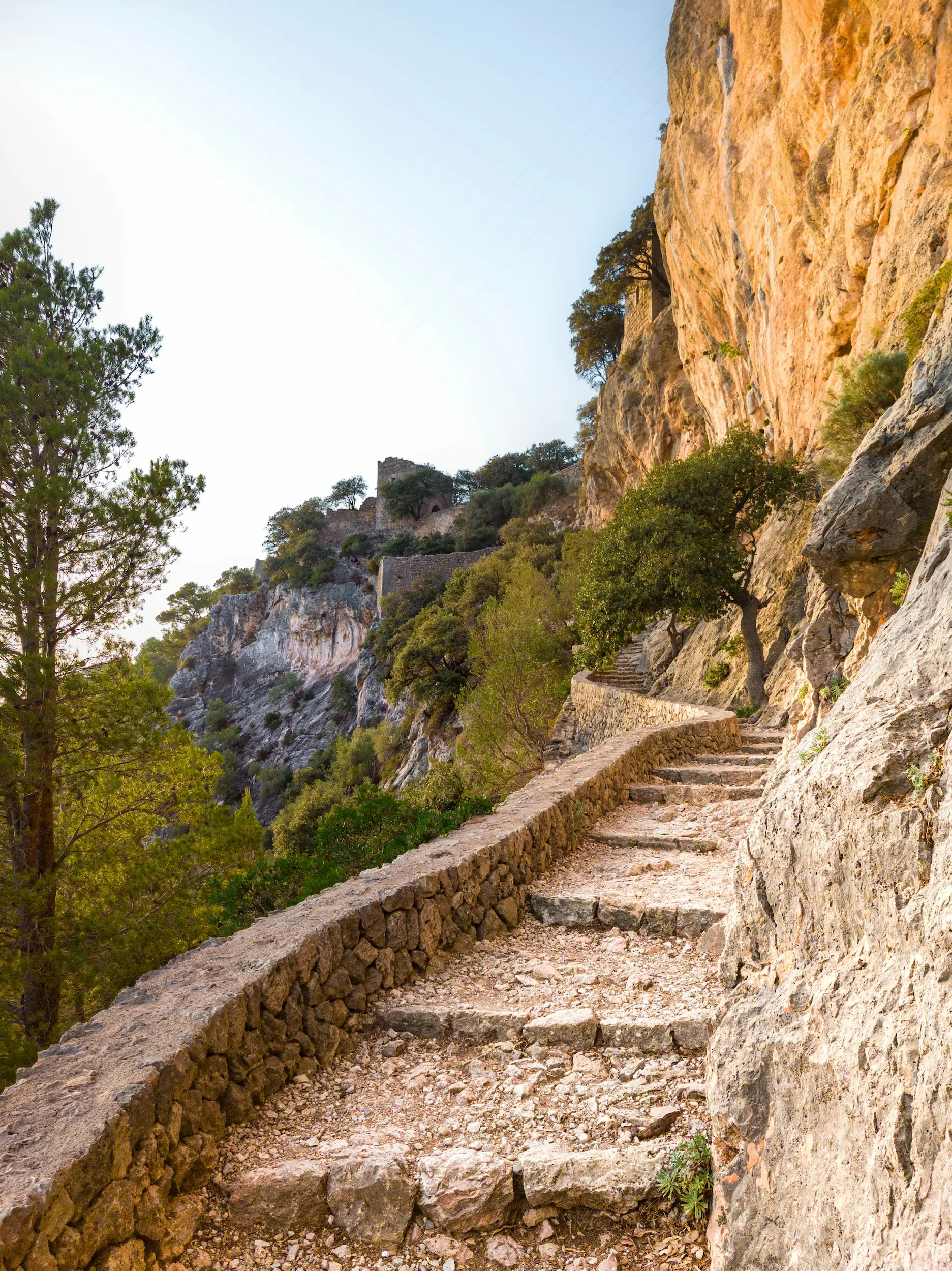
Walking to the Castell d'Alaro
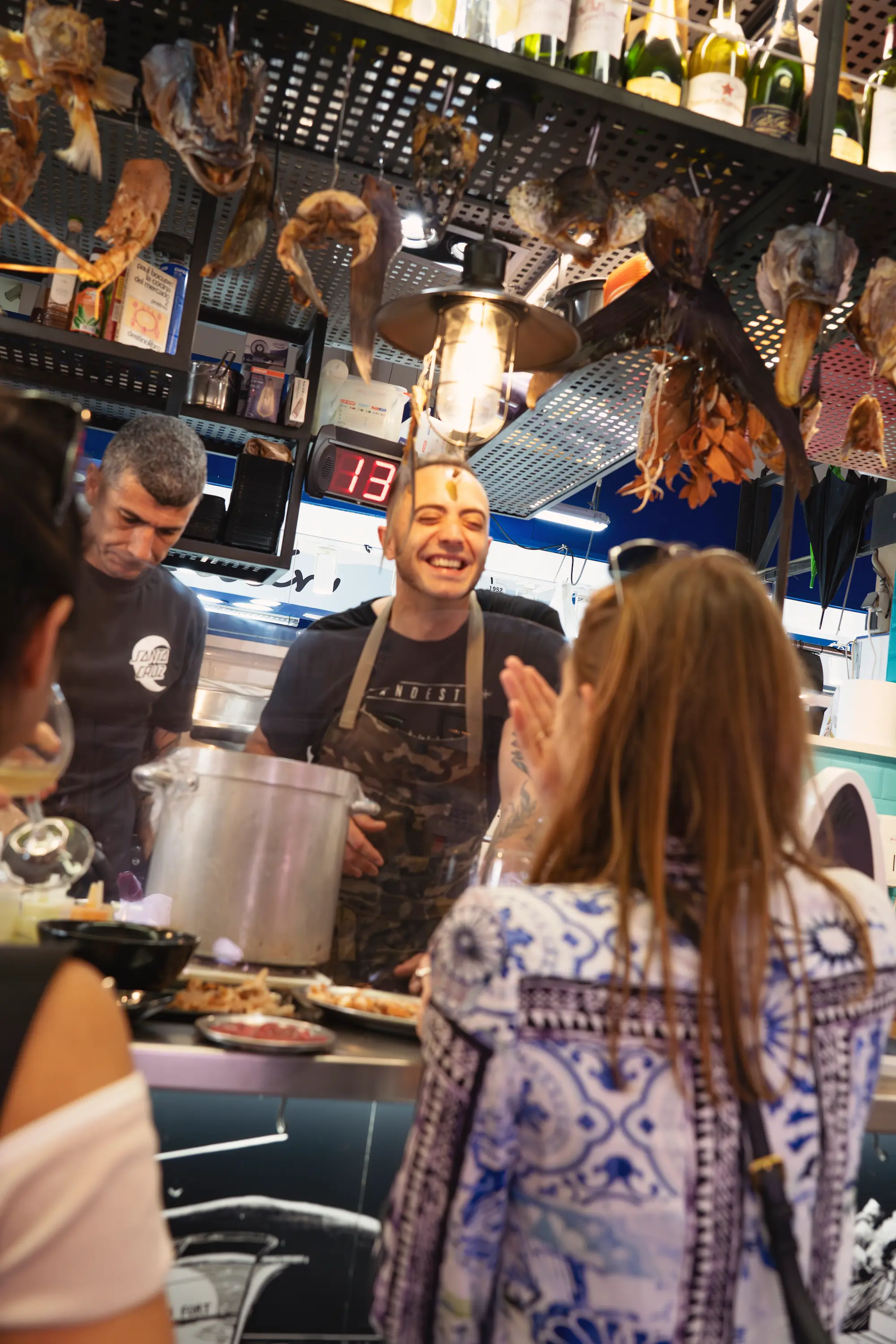
Mercat Negre. Photo: Duncan Kendall

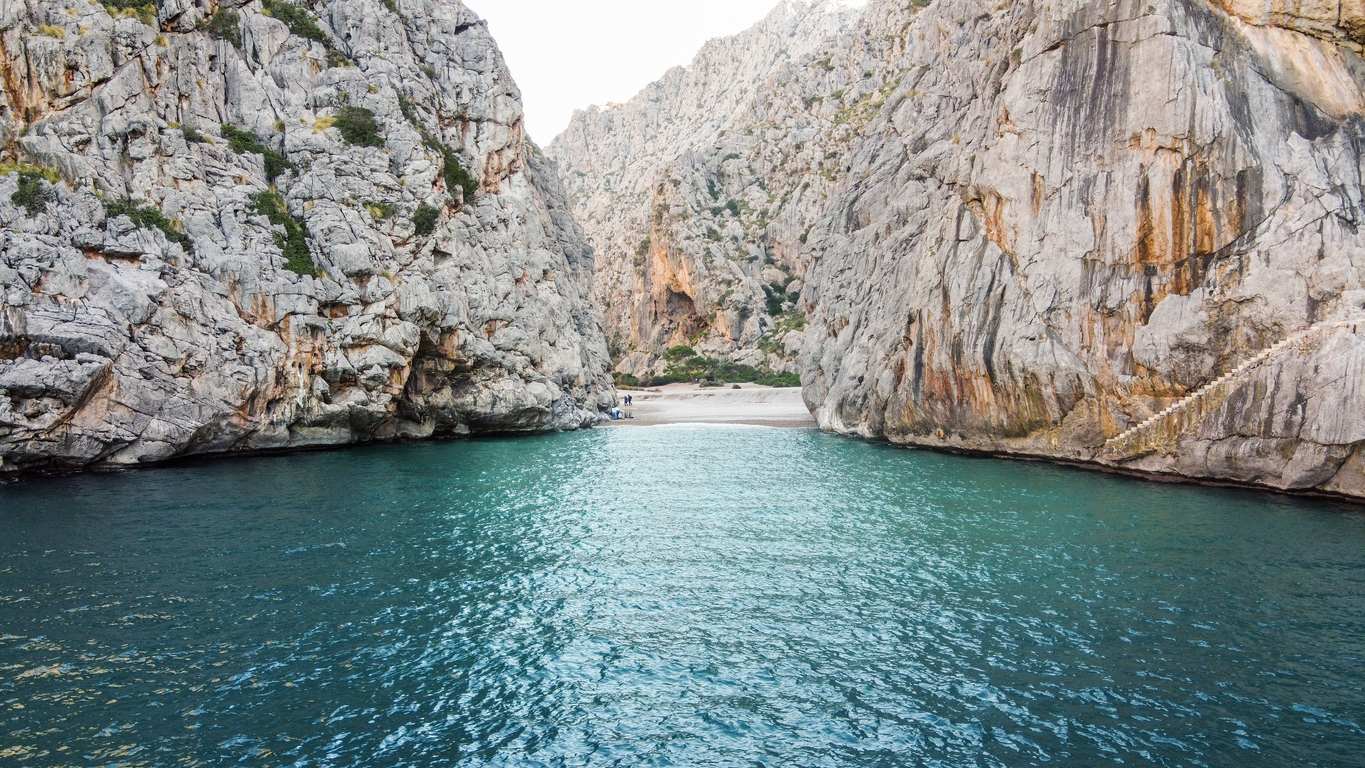
Hire a Boat or Take the Ferry to Sa Calobra

Sa Calobra is, by most measures, one of the most dramatic places in the Mediterranean, a narrow fjord-like inlet cut into the base of the Tramuntana, reached by a notoriously winding road or, far better, by sea. The narrow gorge of the Torrent de Pareis opens onto the inlet from the other side, a 30-metre crack in the limestone that ends at a boulder-strewn beach. In July and August it is genuinely crowded, with ferries disgorging hundreds of visitors at once. In spring it is not, but the trick is still to go early. Charter a boat from Port de Sóller or take the scheduled ferry service, aiming to arrive before 10am. The water in May is cold but clear, and with the cliffs to yourself in the morning light, it is one of those Mallorcan experiences that remains as worthwhile.

Hike from Orient to Castell d'Alaró

The village of Orient sits in a valley so small and so green it barely seems to belong to the same island as surrounding plains. From here, a well-marked trail climbs through holm oak and pine to the ruins of Castell d'Alaró, a medieval fortress perched at 822 metres with views that extend from the north coast to the bay of Palma on a clear day. The hike takes around two hours each way and is entirely manageable for anyone reasonably fit.Spring is the ideal season: the trail is not yet baked dry, wildflowers line the path in April and May, and the summit temperature is comfortable rather than punishing. Avoid summer, when the heat on the exposed upper section becomes a real consideration.

Go Wine Tasting in Binissalem

Mallorca has been producing wine since Roman times, and in the last two decades its wine industry has modernised significantly. Binissalem sits in the island’s centre, roughly 20 minutes from Palma, where many vines are built around the indigenous Manto Negro and Prensal Blanc grape varieties that do not grow commercially anywhere else in the world. Spring is a particularly good time to visit the bodegas: the vines are shooting, the cellars are not yet in the full swing of tourist season, and winemakers generally have more time to talk. Bodegas like José L. Ferrer, Can Vidalet, and Vins Nadal all offer tastings. If you want to see the vine rows in flower and taste wines from the previous harvest while looking out over a working agricultural landscape rather than a visitor centre, April and May are your months. Don't miss Binissalem's Wine Days festival from May 22-31st.

Sa Calobra
Nächste Geschichte.
Verwandte Geschichten.