Die Idee des Bildes ermöglicht es uns, über eine strenge medienspezifische Definition von Fotografie hinauszugehen. Es führt ein erweitertes Feld ein, in dem die Fotografie in einen Dialog mit anderen Disziplinen wie Kino, Skulptur oder Video tritt. Diese Art der Kreuzkontamination ist wichtig, weil sie die Art und Weise widerspiegelt, wie Bilder heute produziert und verstanden werden. Das Denken in Bezug auf das Bild verändert auch die Position der Fotografie innerhalb des Festivals. Sie beschränkt sich nicht mehr auf ihre traditionellen Grenzen, sondern wird Teil einer breiteren Bildsprache, die unterschiedliche Formen und Richtungen annehmen kann. In diesem Sinne geht es bei dem Wandel auch um Ehrgeiz, der Fotografie den Raum zu geben, sich zu erweitern, sich weiterzuentwickeln und sich gleichberechtigt mit anderen Praktiken auseinanderzusetzen.
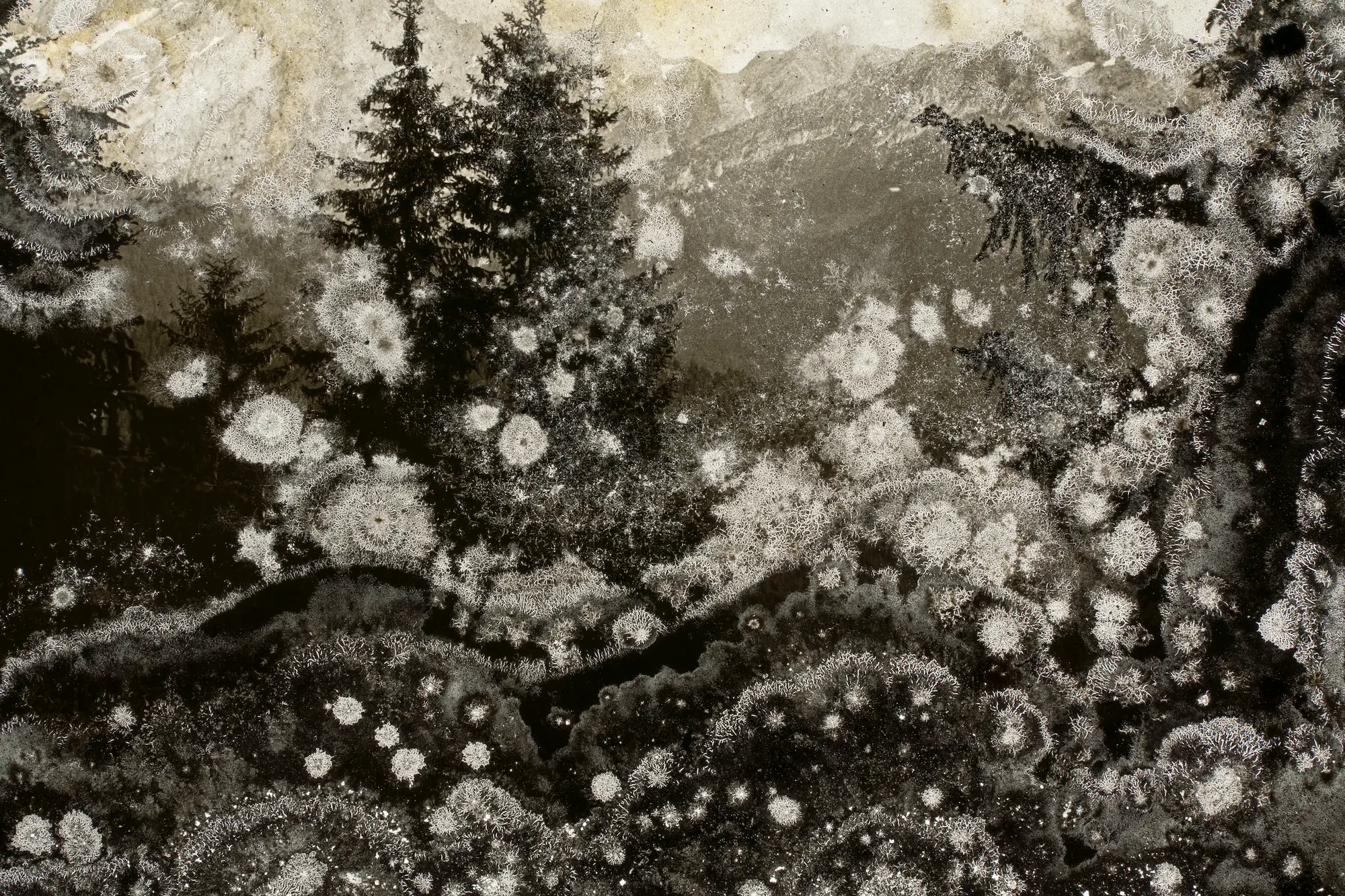
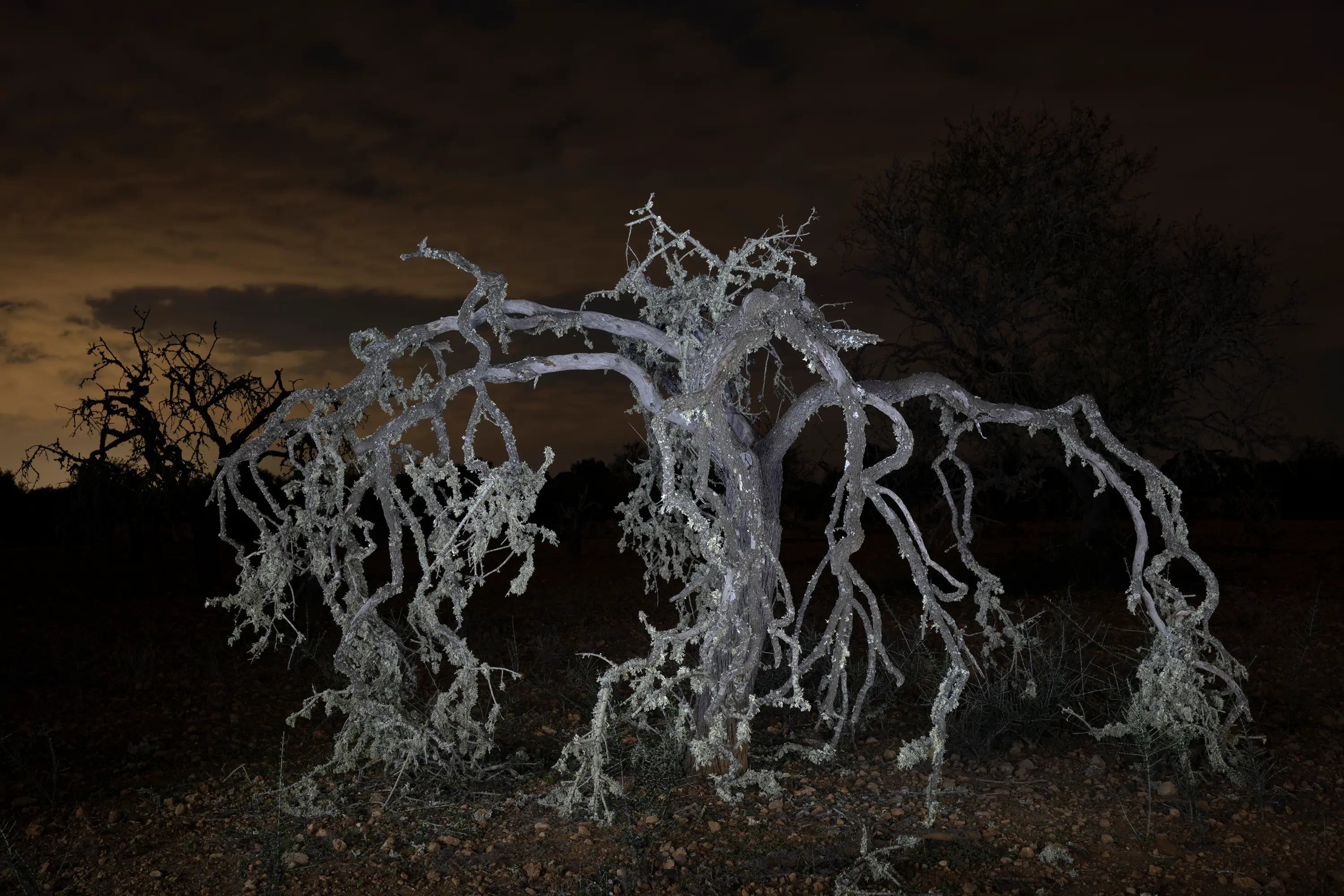
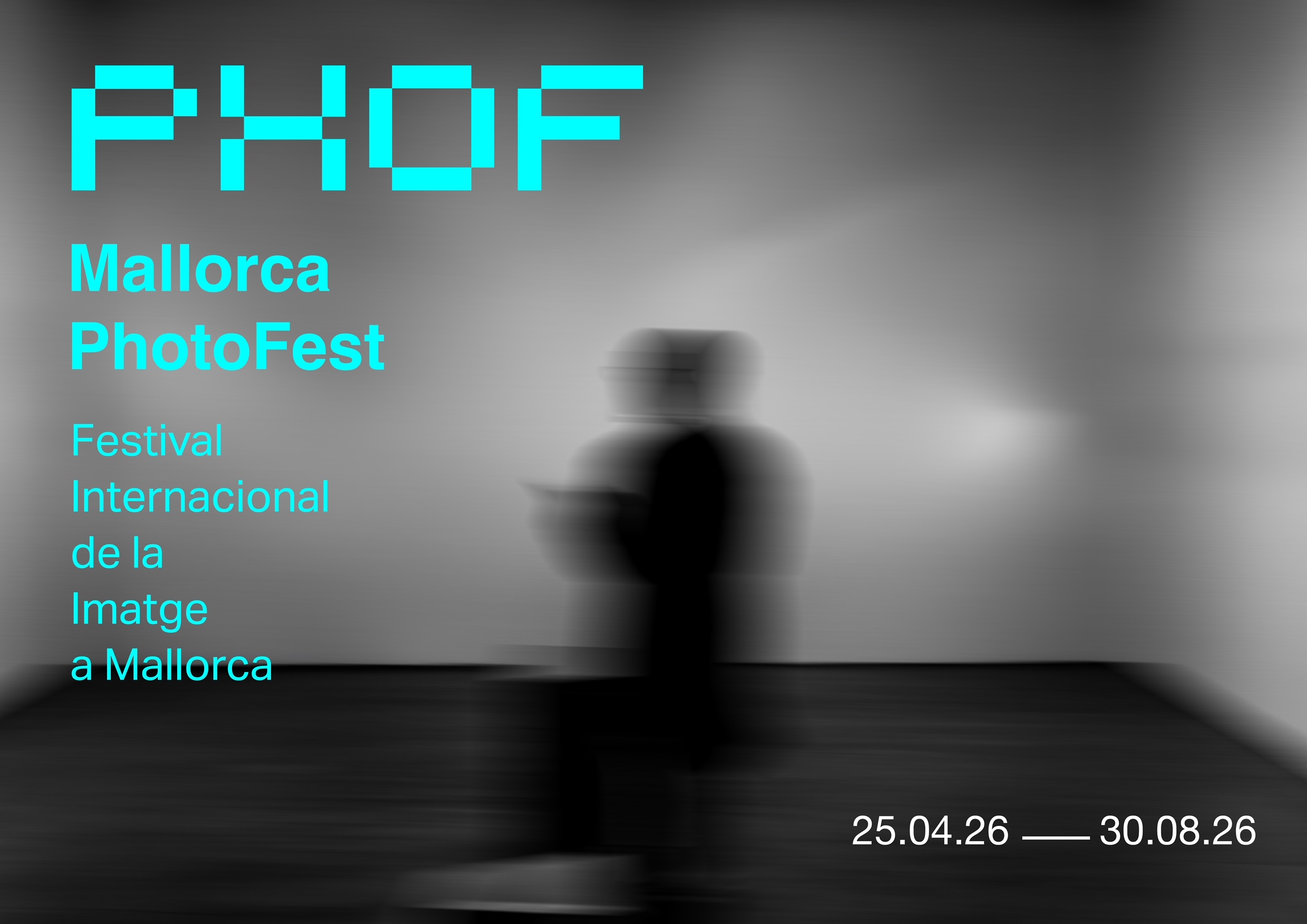
Was wir beibehalten wollten, war der Geist eines Festivals: etwas, das über eine Reihe von Ausstellungen hinausgeht und zu einem gemeinsamen kulturellen Moment wird. Dieses Gefühl der Begegnung, Menschen rund um die Fotografie zusammenzubringen, war für Palma Photo von zentraler Bedeutung und ist auch heute noch unverzichtbar. Gleichzeitig hat sich der Kontext geändert. Eine der wichtigsten Entscheidungen war die Ausweitung des Programms auf die gesamte Insel, nicht nur auf Palma. In den letzten Jahren hat Mallorca eine viel aktivere Kulturszene entwickelt und funktioniert heute fast wie eine verteilte Stadt. Die Arbeit an verschiedenen Orten bringt Komplexität mit sich und ermöglicht es dem Festival auch, ein breiteres Spektrum an Räumen und Zielgruppen anzusprechen, wodurch eine Struktur entsteht, die offener und mit dem Gebiet verbundener ist. Die andere Veränderung ist konzeptioneller Natur. Das Festival dreht sich nicht mehr ausschließlich um die Fotografie, sondern um die umfassendere Idee des Bildes. Diese Neugestaltung erweitert den Umfang und verleiht dem Projekt eine andere Dimension.
In den letzten Jahren hat es definitiv eine bedeutende Entwicklung gegeben. Die Wiedereröffnung der Fundació Toni Catany, das Programm von Casal Solleric und die Arbeiten, die im Rahmen des Arxiu del So i de la Imatge in La Misericòrdia durchgeführt wurden, haben alle zur Stärkung der fotografischen Landschaft auf der Insel beigetragen. In diesem Zusammenhang knüpft PHOF wieder an die Fotografiepreise an, die ein wichtiger Teil dieser Geschichte sind. Sie bieten Künstlern in der Mitte ihrer Karriere die Möglichkeit, ihre Arbeiten auszustellen und einen Katalog zu erstellen, der ihre Praxis sichtbar macht. Gleichzeitig bewahrt ASIM ein Archiv aller bisherigen Preisträger auf und schafft so ein Gefühl der Kontinuität. In diesem Sinne ist das Festival nicht isoliert: Es trägt zu einer bestehenden Struktur bei, stärkt sie und fügt gleichzeitig eine neue Ebene der Sichtbarkeit und des Austauschs hinzu. Es ist Teil eines fortlaufenden Prozesses, der dazu beiträgt, die Fotografie als Teil des kulturellen Erbes der Insel zu festigen.
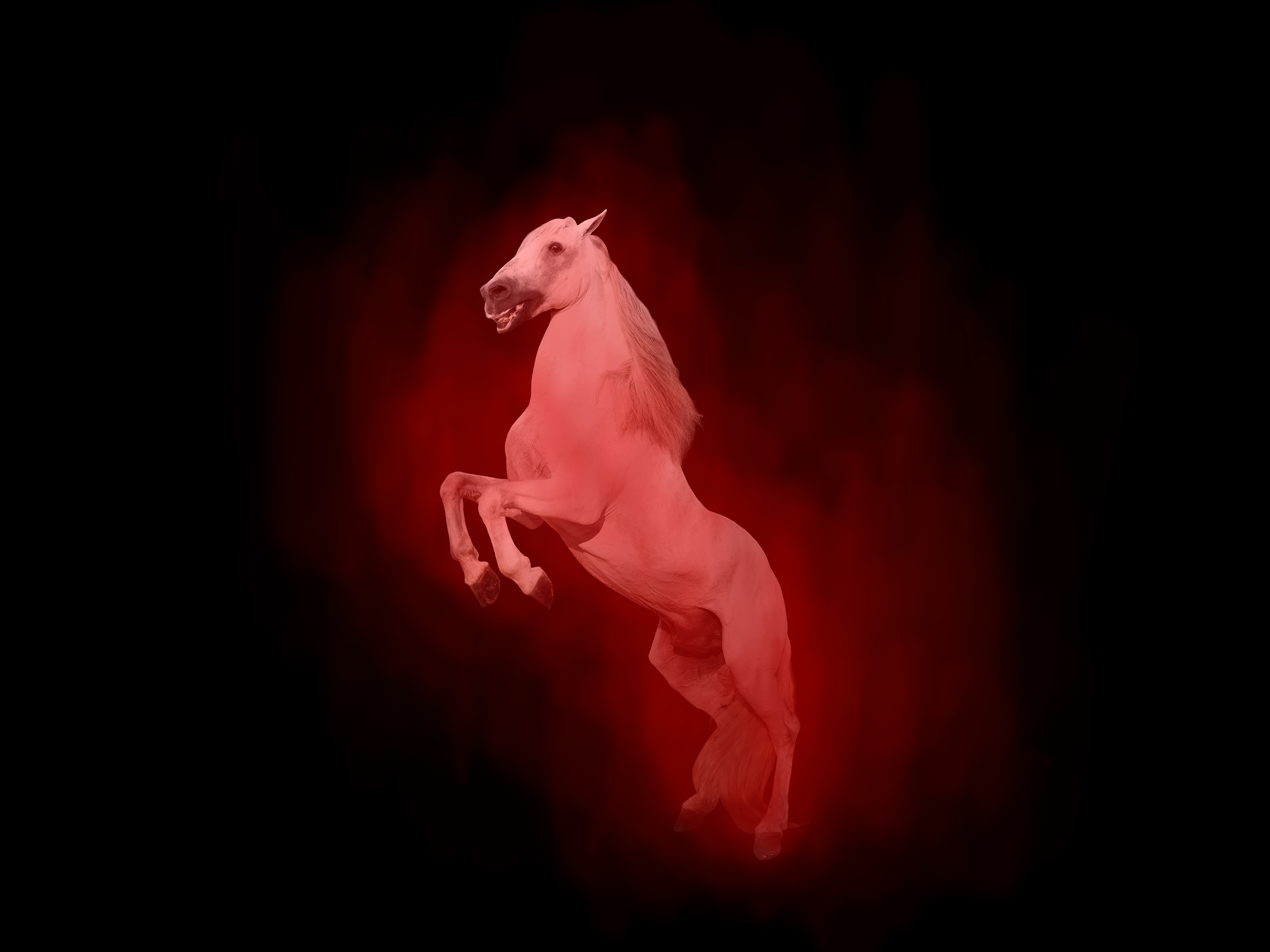
Das Fotobuch ist ein Abschnitt, den wir von Palma Photo erhalten haben, sodass eine klare Kontinuität besteht. Es findet in Form eines dreitägigen Treffens statt, das in Es Baluard stattfindet und in einer Reihe von Sitzungen organisiert wird, bei denen Fotobücher im Mittelpunkt stehen. Die Idee ist, einen Raum der Begegnung zu schaffen, in dem Arbeiten geteilt, Ideen ausgetauscht und Gespräche rund um das Fotobuch geführt werden können. Es geht nicht nur darum, fertige Projekte zu präsentieren, sondern auch darum, einen Raum für Reflexion und Dialog zu eröffnen. Dieses Gemeinschaftsgefühl ist für das Programm von wesentlicher Bedeutung. Gleichzeitig ist das Fotobuch als eigenständiges Kunstwerk konzipiert. Es ist ein Format, in dem Sequenzierung, Bearbeitung und Erzählung im Mittelpunkt stehen und in dem die Beziehung zum Betrachter direkter und intimer ist. Die Arbeit als Kollektiv verstärkt diesen Ansatz, da der kuratorische Prozess selbst auf Austausch und gemeinsamen Perspektiven basiert.
Es gibt eine klare pädagogische Dimension. Eines der Ziele besteht darin, der Öffentlichkeit Werkzeuge an die Hand zu geben, um Bilder kritischer lesen und verstehen zu können. Wir sind von Bildern umgeben, aber das bedeutet nicht unbedingt, dass wir uns auf sinnvolle Weise mit ihnen auseinandersetzen. Ein Festival schafft eine andere Art von Raum, einen, der sich von der Geschwindigkeit und dem Konsum von Plattformen wie Instagram entfernt. Stattdessen fördert es Aufmerksamkeit, Reflexion und Interpretation, es ermöglicht dem Betrachter, das Bild als Ausdrucksform zu verlangsamen und zu überdenken. Auf diese Weise positioniert PHOF auch die Fotografie in der zeitgenössischen Kunst neu und bringt sie zurück in einen Kontext, in dem sie nicht nur als etwas erlebt werden kann, das man konsumieren kann, sondern auch als etwas, das man sammeln, studieren und mit dem man sich im Laufe der Zeit auseinandersetzen kann.