I
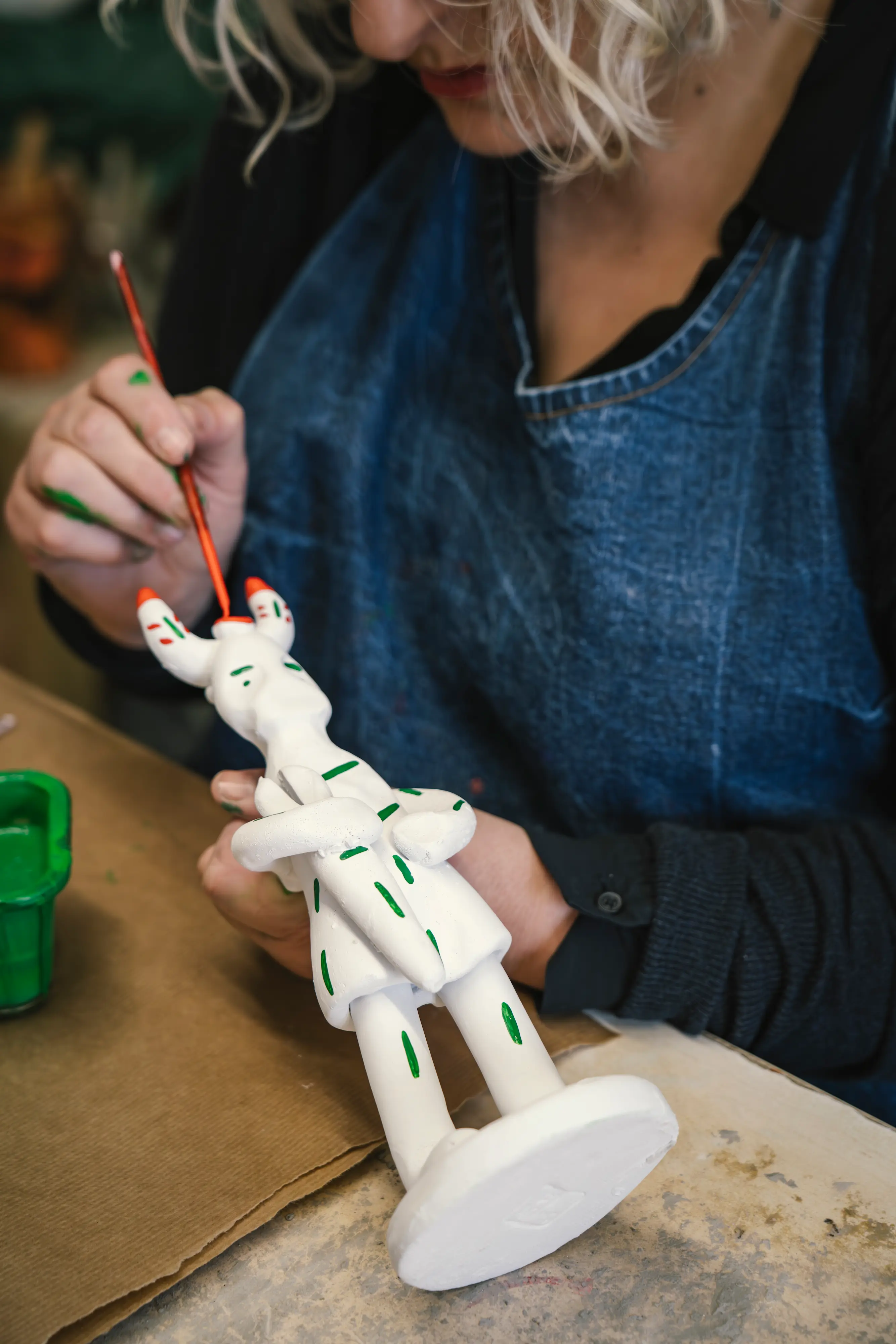
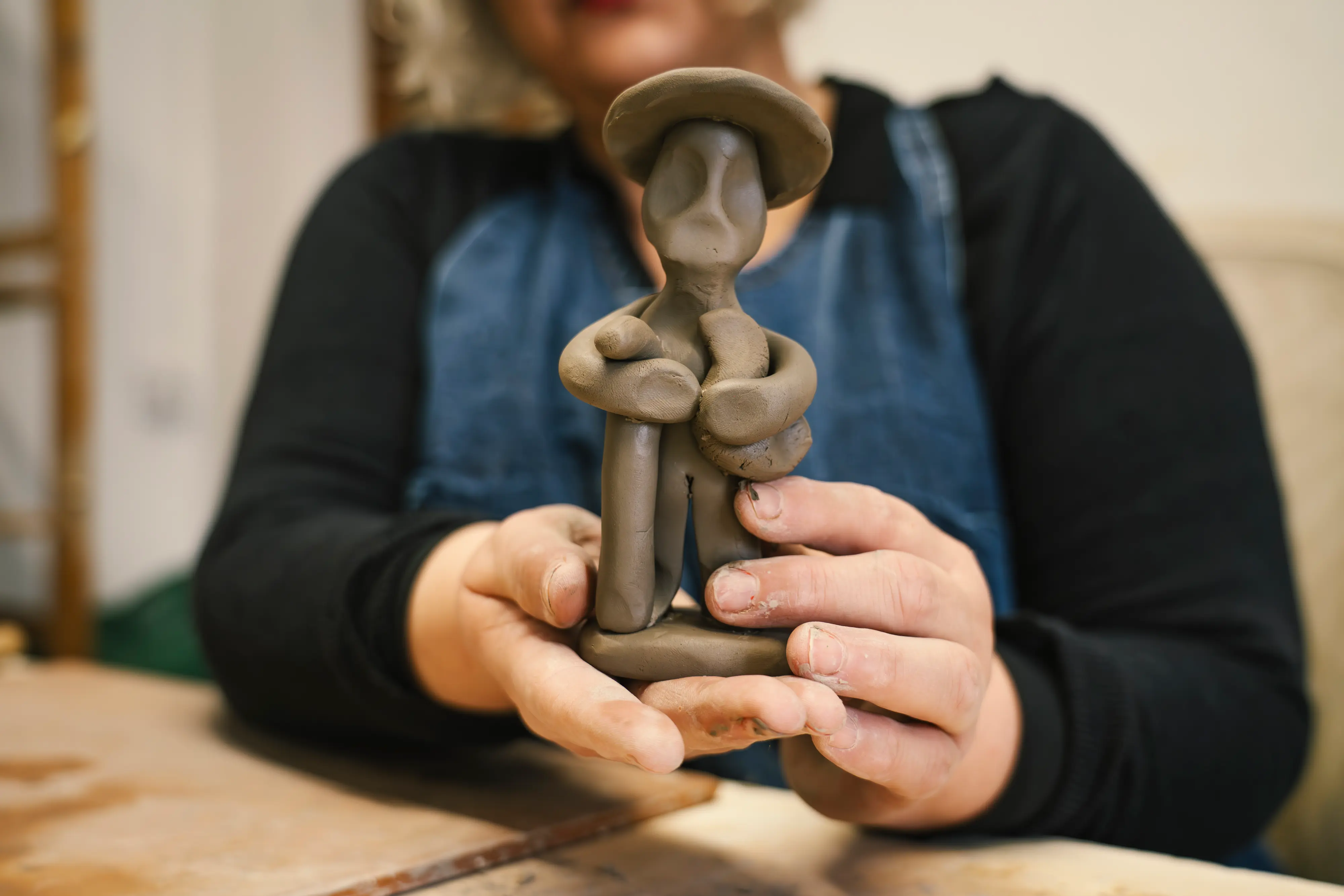
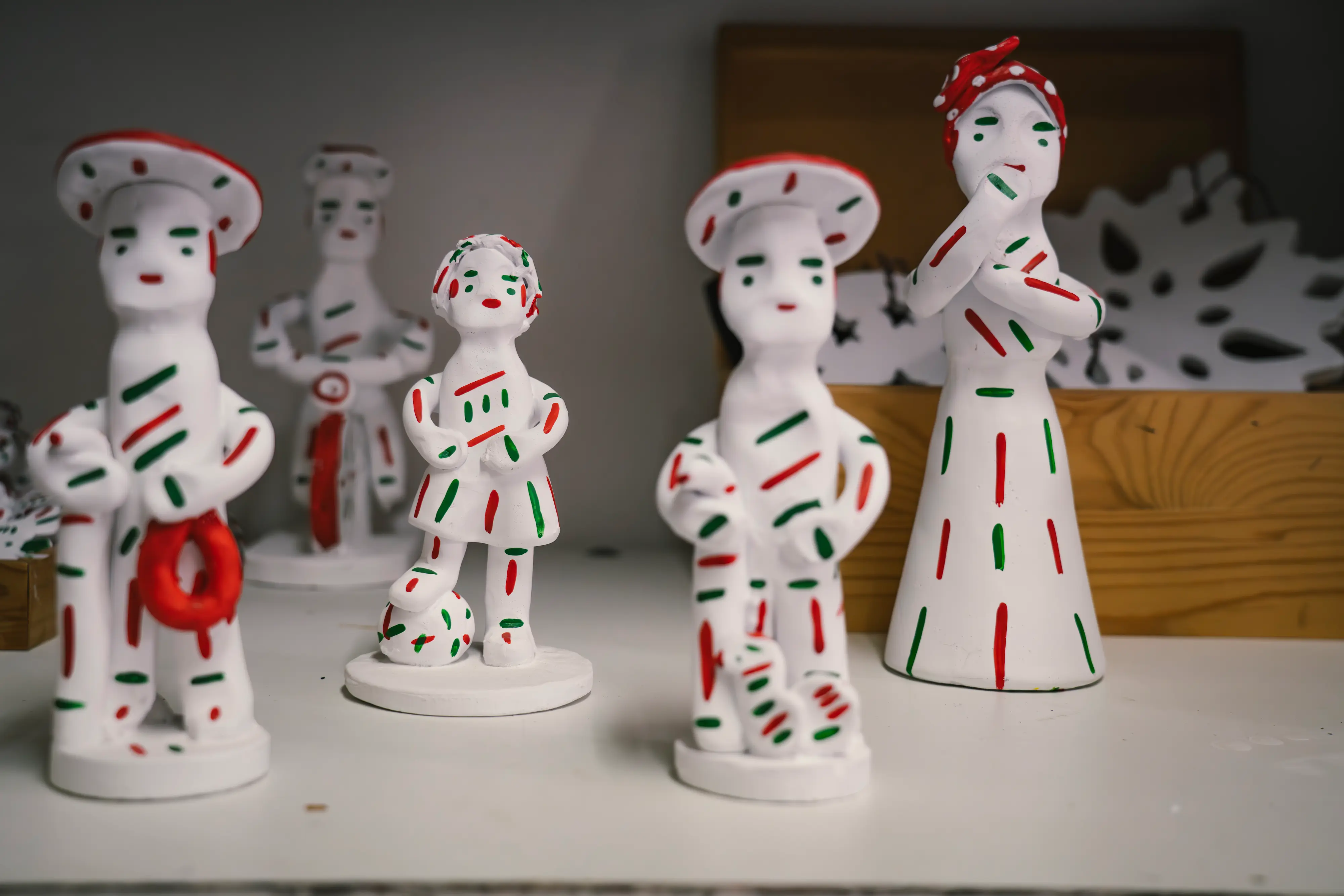
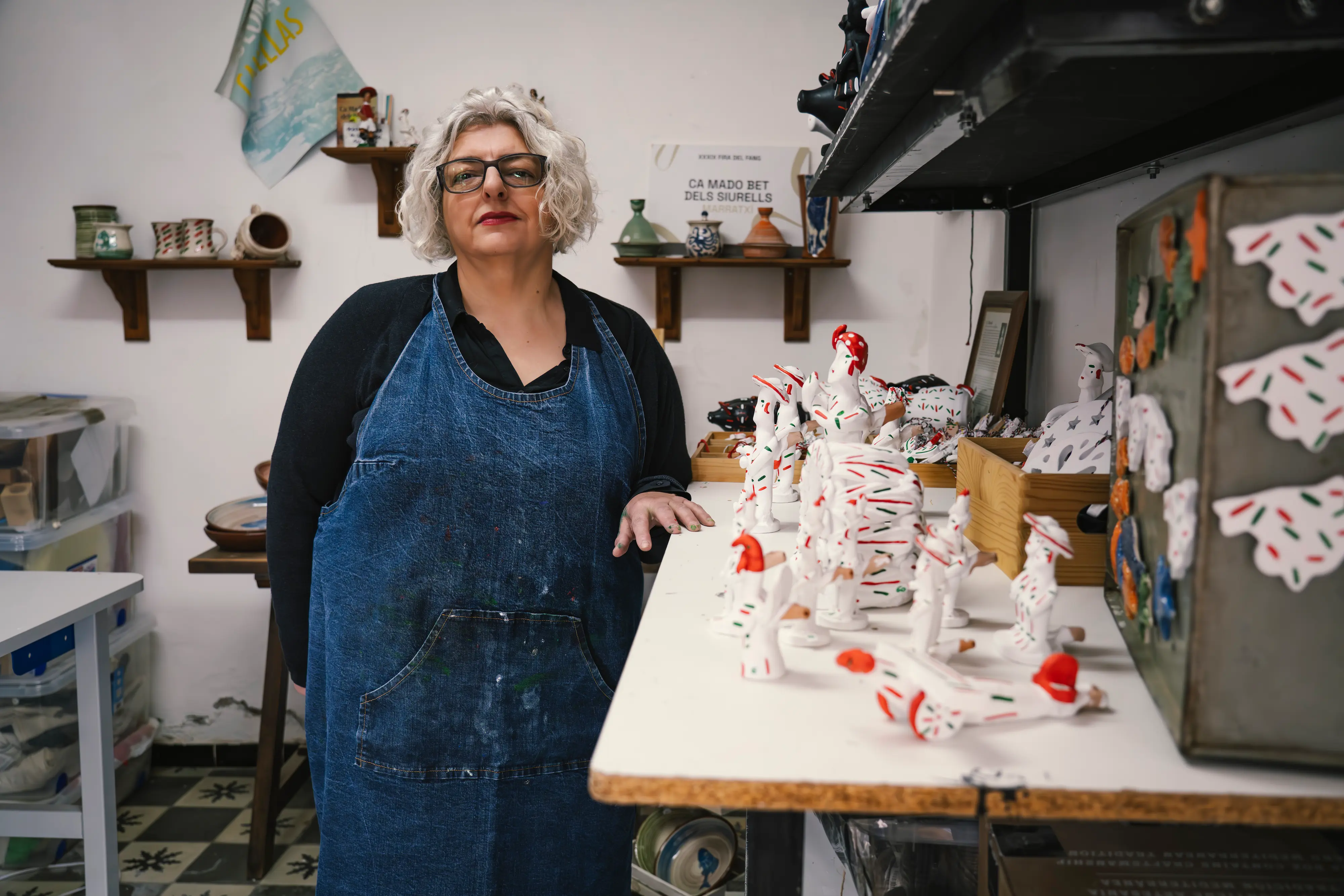
n einer bescheidenen Werkstatt im ruhigen Dorf Sa Cabaneta, umgeben von Regalen mit merkwürdigen Figuren wie Reitern, Dämonen und fantastischen Kreaturen, setzt die Kunsthandwerkerin Coloma María Cañellas Palou ein Handwerk fort, das seit mehr als einem Jahrhundert eines der bekanntesten Symbole der Insel prägt.
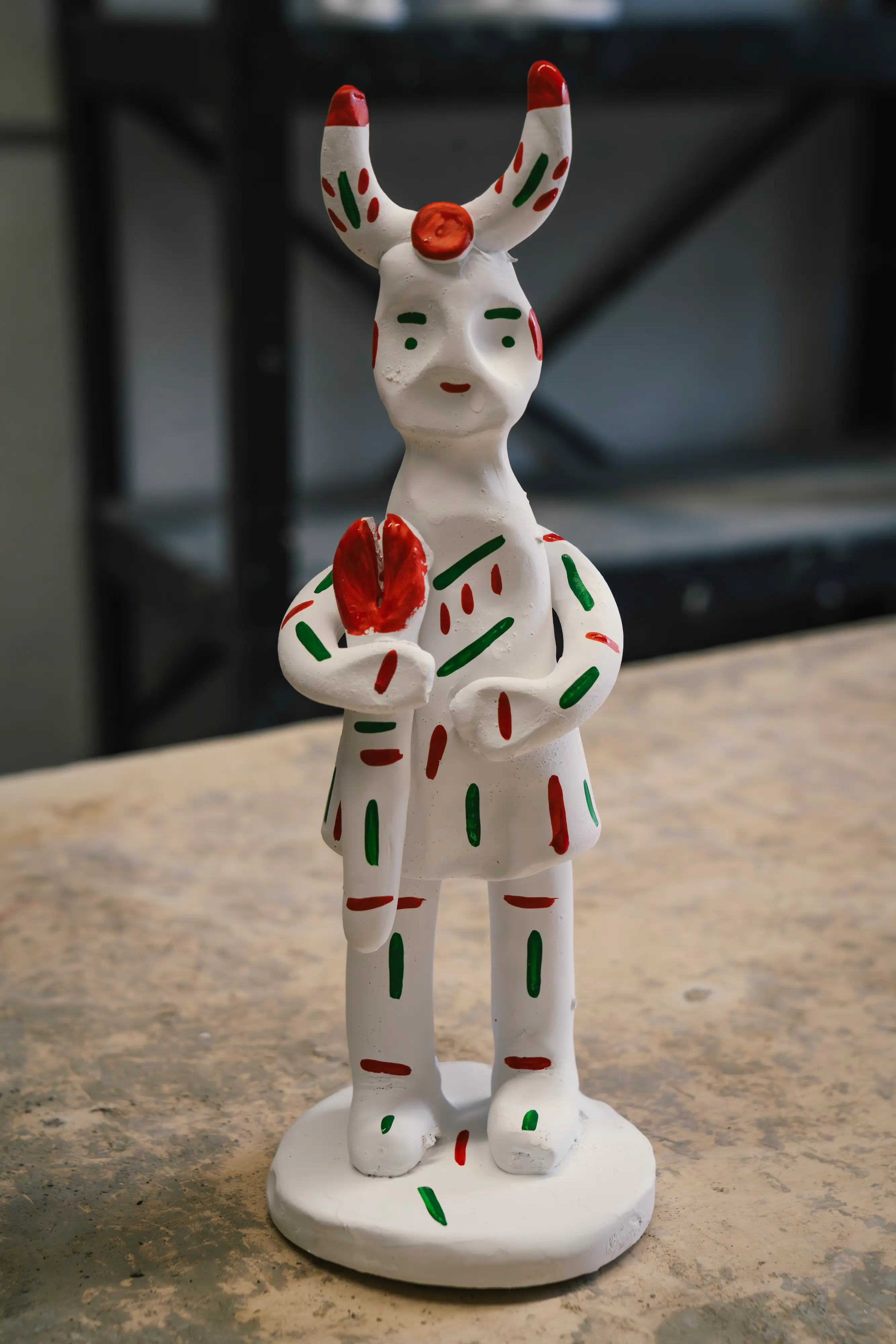
Die kleinen Tonfiguren, die sie herstellt, werden Siurells genannt. Sie sind sofort an ihren weiß getünchten Körpern und ihren lebhaften grünen und roten Pinselstrichen zu erkennen. Jede von ihnen trägt eine Pfeife, die eine scharfe, verspielte Note ausstrahlt. Für Besucher sind sie bezaubernde Souvenirs. Für die Einheimischen sind sie etwas Tieferes, ein kulturelles Symbol der mallorquinischen Geschichte aus Lehm.
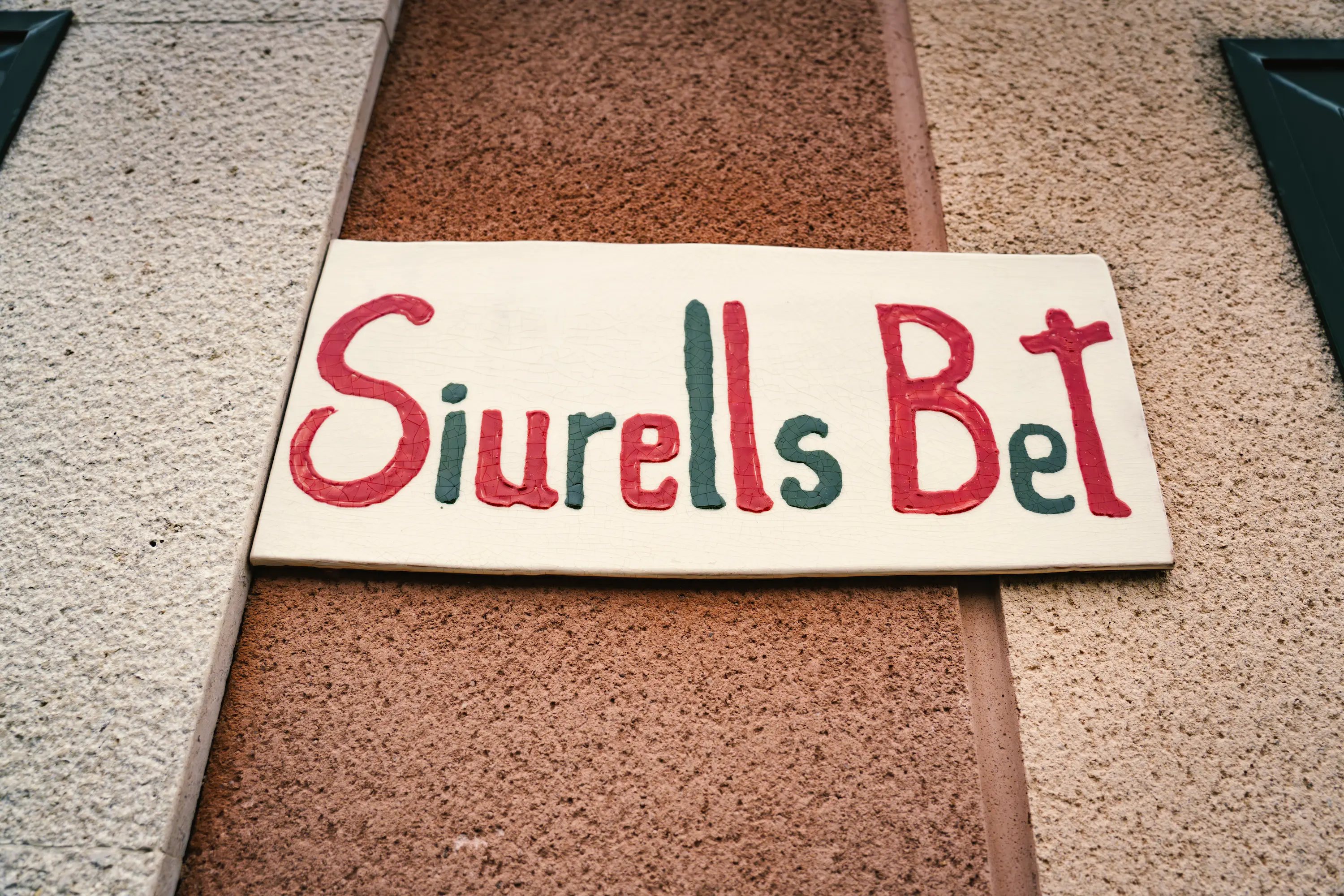
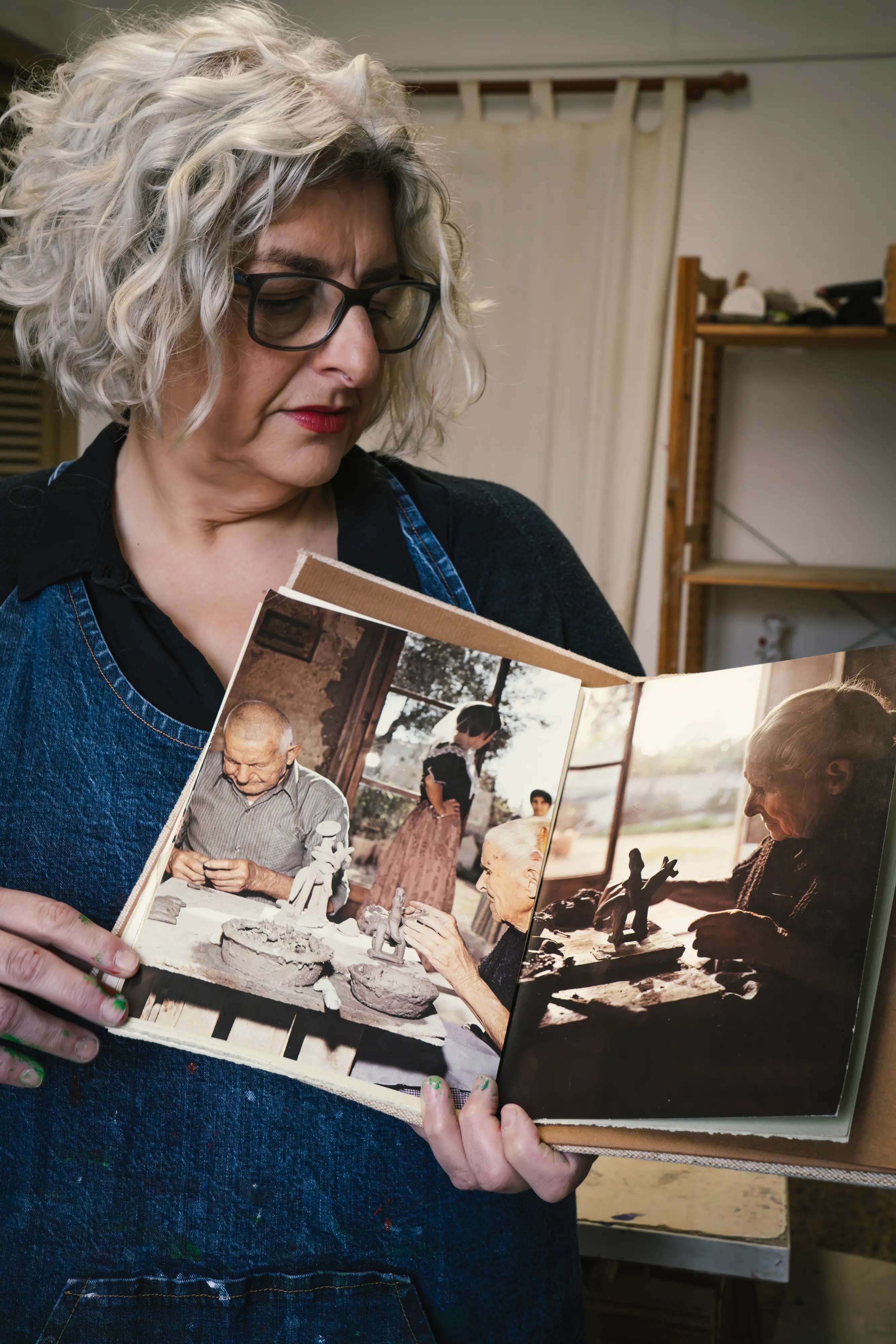
Im Mittelpunkt dieser Tradition steht die Werkstatt, bekannt als Ca Madò Best dels Siurells, weithin als die älteste überlebende angesehen Siurelleria auf der Insel. Die Geschichte des Workshops beginnt vor mehr als einhundert Jahren mit Colomas Großmutter Elisabet Amengual, die vor Ort als Madò Bet bekannt ist. Bet arbeitete ursprünglich im Unternehmen ihrer Familie, bevor sie sich entschied, ihren eigenen kreativen Weg einzuschlagen. Sie begann zu Hause, in demselben Haus, in dem die Werkstatt noch heute betrieben wird, Tonfiguren zu formen. Zu dieser Zeit war die Herstellung von Siurellen kein vollwertiger Beruf, sondern ein ergänzendes Handwerk.
Madò Bets Fantasie zeichnete sie schnell aus. Als Coloma geboren wurde, war ihre Großmutter bereits 80 Jahre alt. „Ich habe nicht viel Zeit mit ihr verbracht, aber ich weiß, dass sie eine Person mit großer Fantasie war, was sie dazu veranlasste, viele Figuren zu erfinden“, erinnert sie sich. Heute ist Madò Bets Kreativität nach wie vor von zentraler Bedeutung für die Familienidentität.