Close Search
Can Det, Mallorca’s Oldest Olive Mill
- By
Helene Huret
sustainability 2030
off the island
Can Det, Mallorca’s Oldest Olive Mill
nov 25, 2026
by
Helene Huret
Can Det, Mallorca’s Oldest Olive Mill
sustainability 2030
off the island
nov 25, 2026
by
Helene Huret
sustainability 2030
off the island
Can Det, Mallorca’s Oldest Olive Mill
nov 25, 2026
- By
Helene Huret
Can Det, Mallorca’s Oldest Olive Mill
nov 25, 2026
- By
Helene Huret
sustainability 2030
off the island
off the island
sustainability
Can Det, Mallorca’s Oldest Olive Mill
nov 25, 2026
- By
Helene Huret
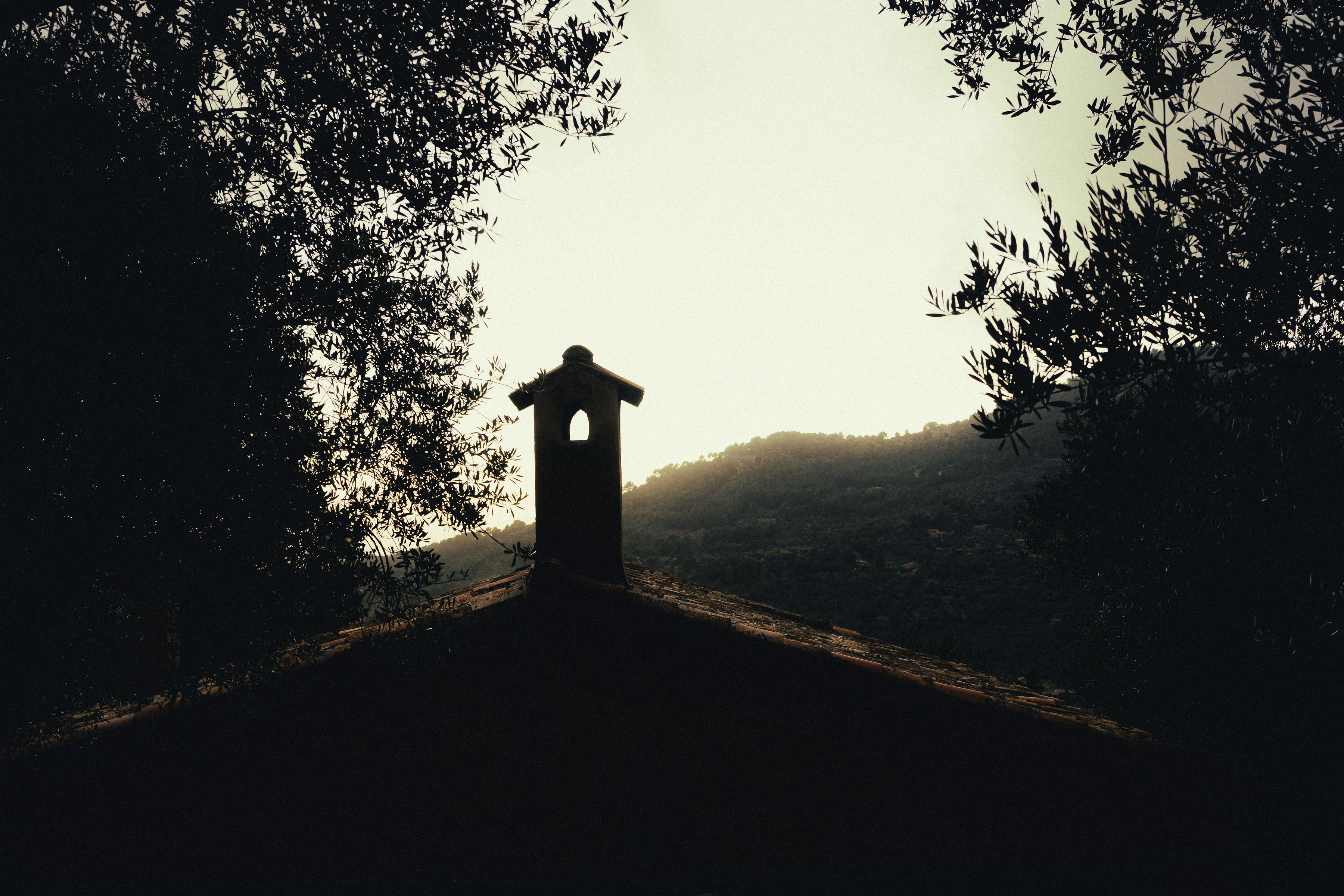
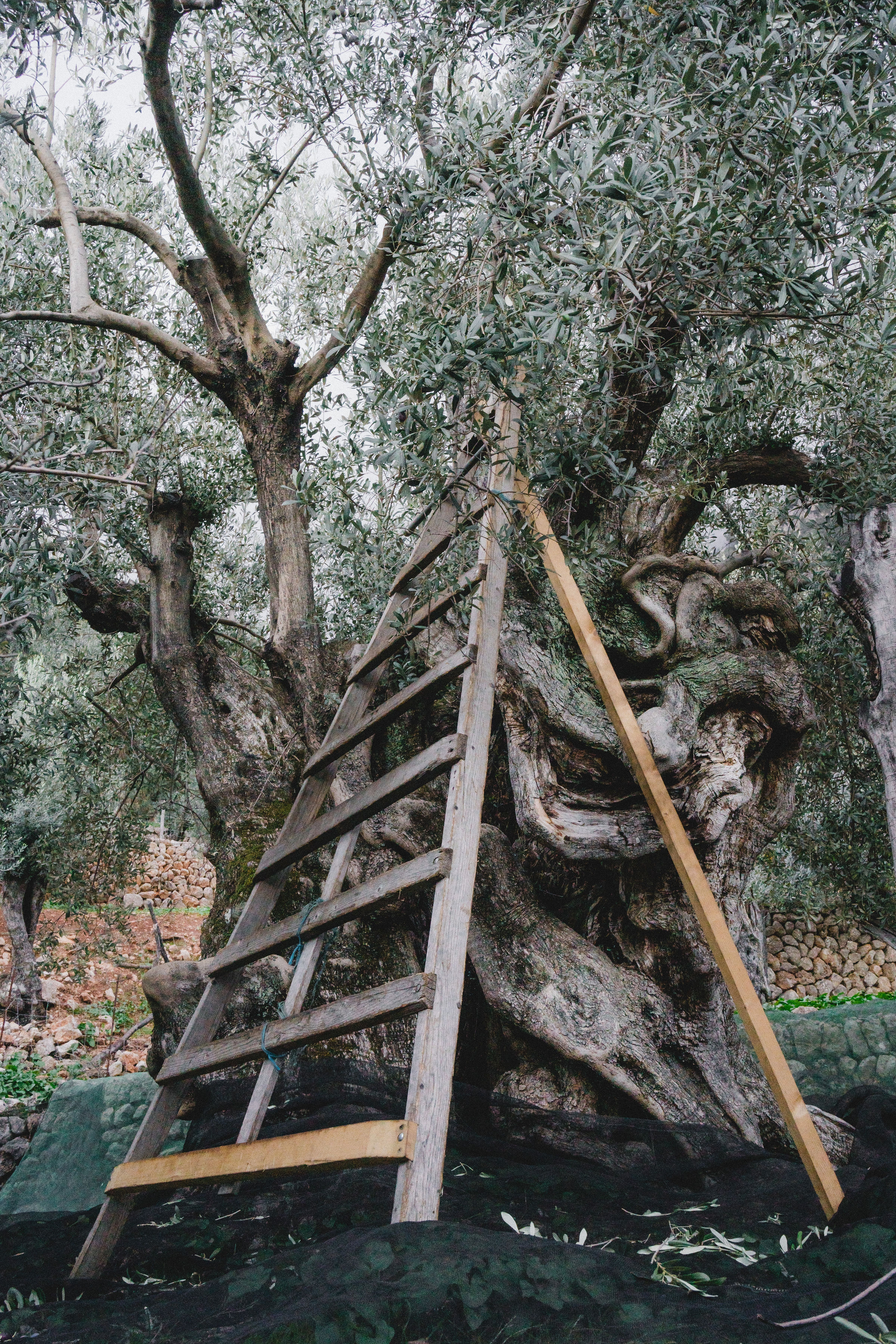
Can Det. Photo by Ryan Noble
F

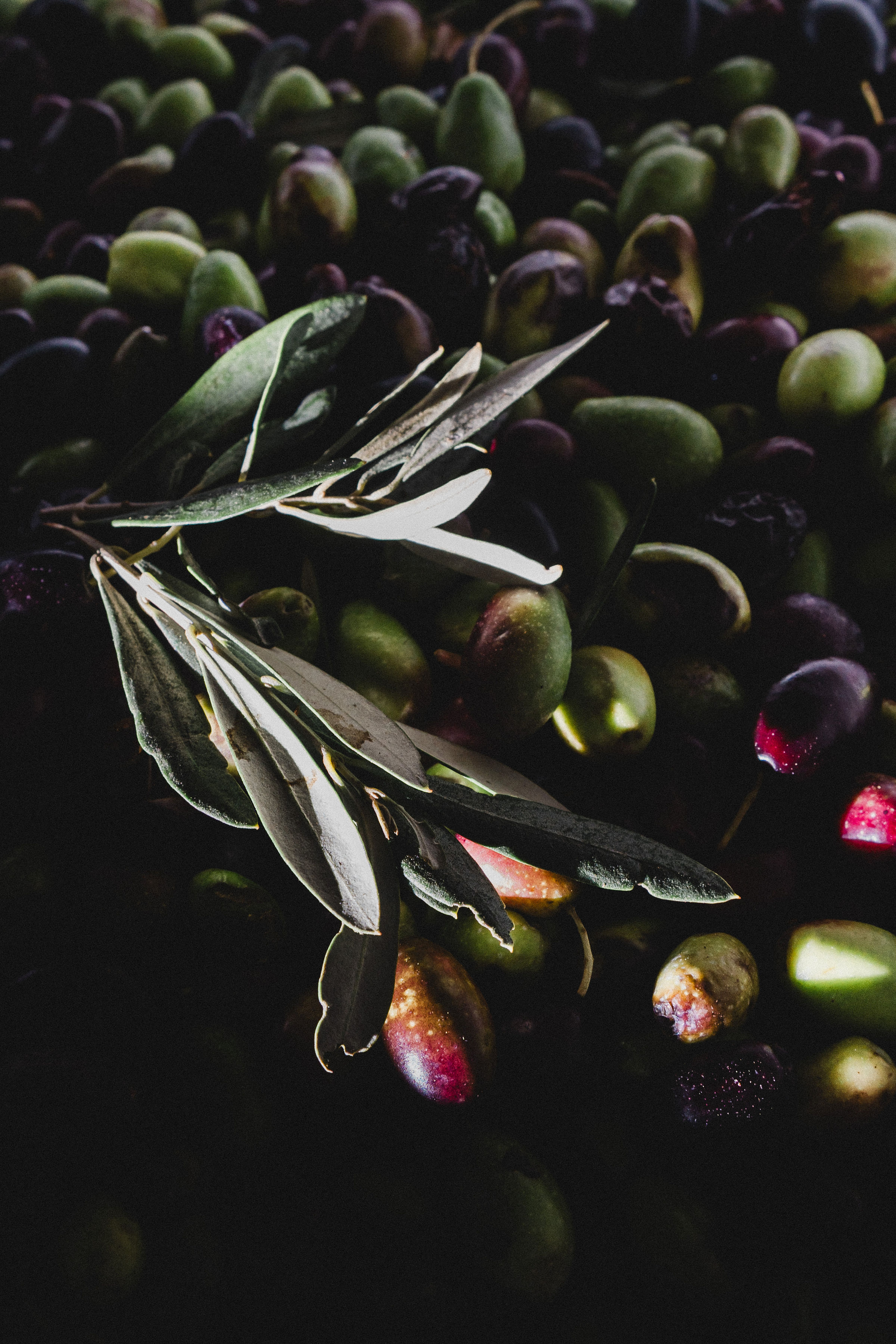
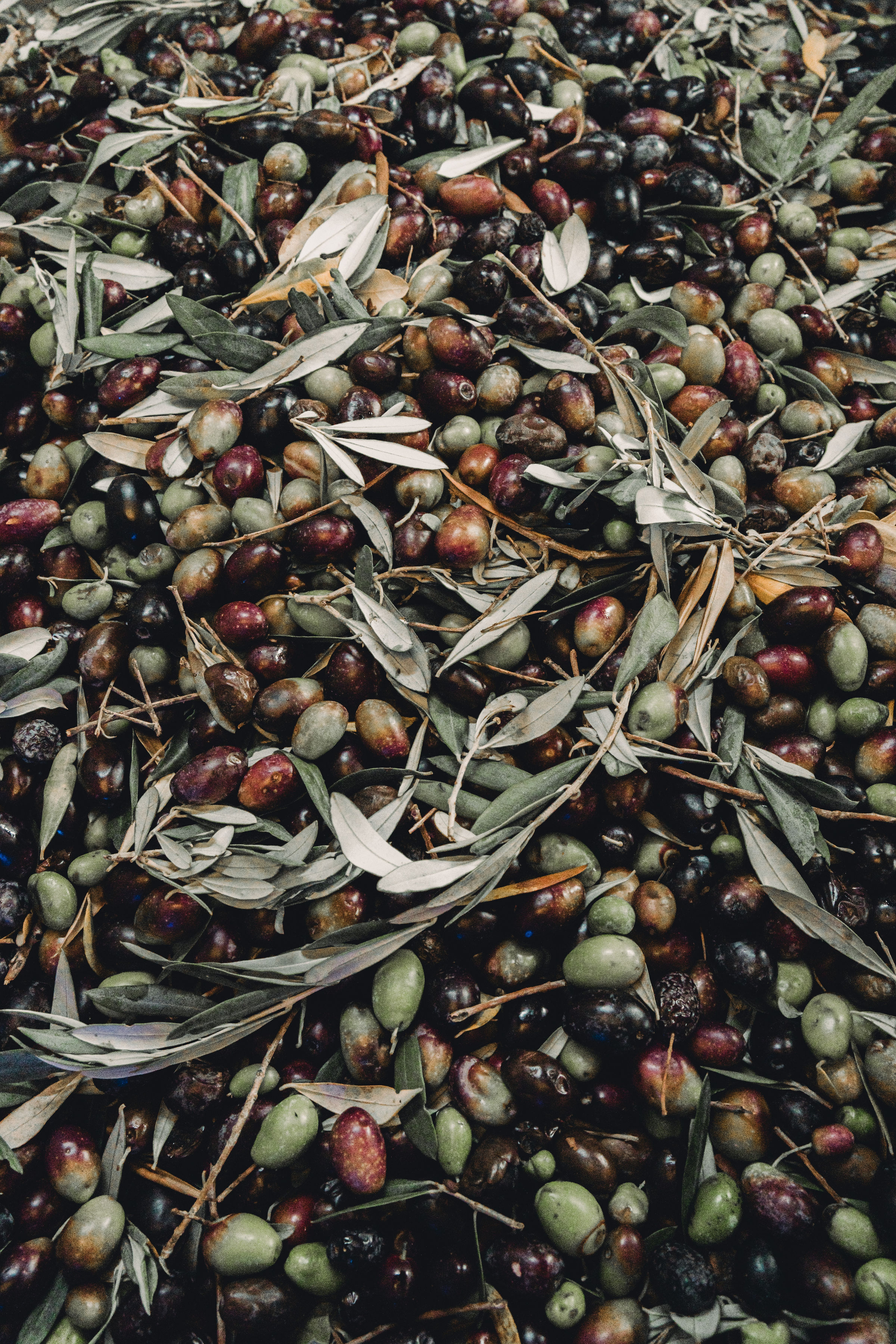
rom October onwards, the rich, green aromas of freshly pressed olive oil fill the air at the Can Det olive mill in Sóller. At the rear of the building, crates overflowing with olives await crushing, whilst hundreds of five-litre cans, filled with a thick, green liquid, wait patiently for their owners to return.

‍

“The house and the mill are over four hundred years old,” explains Tomeu Deya, heir to the sixteenth generation. “It’s an incredible story of adaptation. Fifty years ago, we were just one mill amongst many. There were hundreds on the island, and more than ten in Sóller alone. Today, only the co-operative and us remain.” The decline of agriculture and the rise of tourism have redrawn the map. In Sóller, the decline was all the more rapid because farming high up in the mountains makes everything more difficult: unlike on the plains, it’s impossible to get tractors through. “Some olive groves are only accessible on foot. These days, who would go to work on foot?”

‍

Whilst the locals have turned their backs on farming as a profession, they have nevertheless kept one tradition alive: harvesting their olives. There’s no better olive oil than your own! Thanks to Tomeu’s father, who kept the equipment in working order, around a hundred families – both Mallorcans and foreign residents – come every year to have their harvest pressed. Since the Covid crisis, their numbers have been growing steadily. “These fincas,” explains Tomeu, “are often only a few hectares in size, and their owners — who have other jobs — tend to the olive groves at weekends or during their holidays.” This is vital work, as it helps to preserve the landscape of the Serra de Tramuntana, which has been entirely shaped by human hands. “Because,” explains Tomeu, “if there are no more terraces, there will be no more olive groves. On this abandoned land, pine trees are taking over; they now account for nearly 40 per cent of the Tramuntana’s surface area.” This shift is altering the ecosystem, changing the landscape and creating fallow areas with a very high risk of fire.
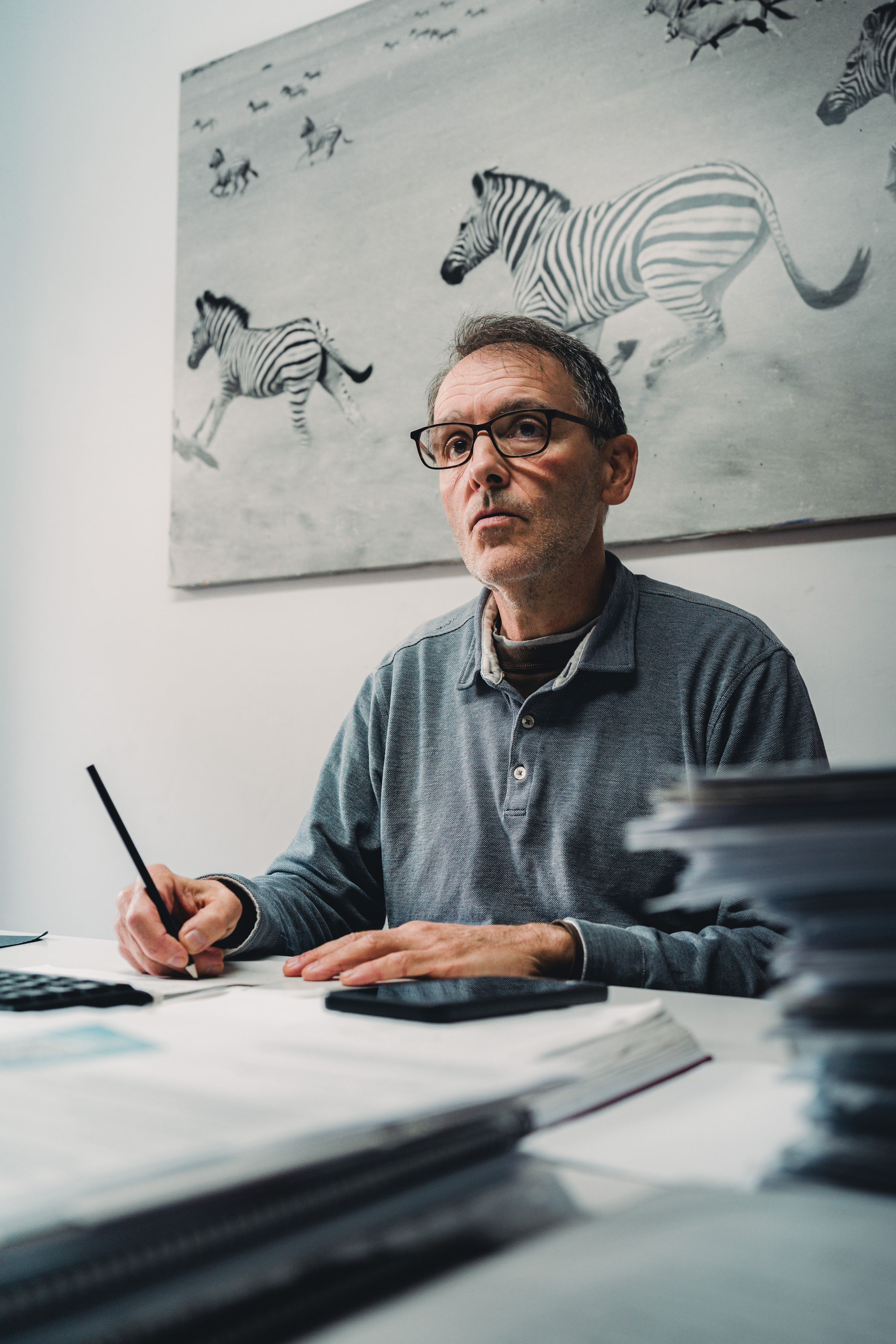
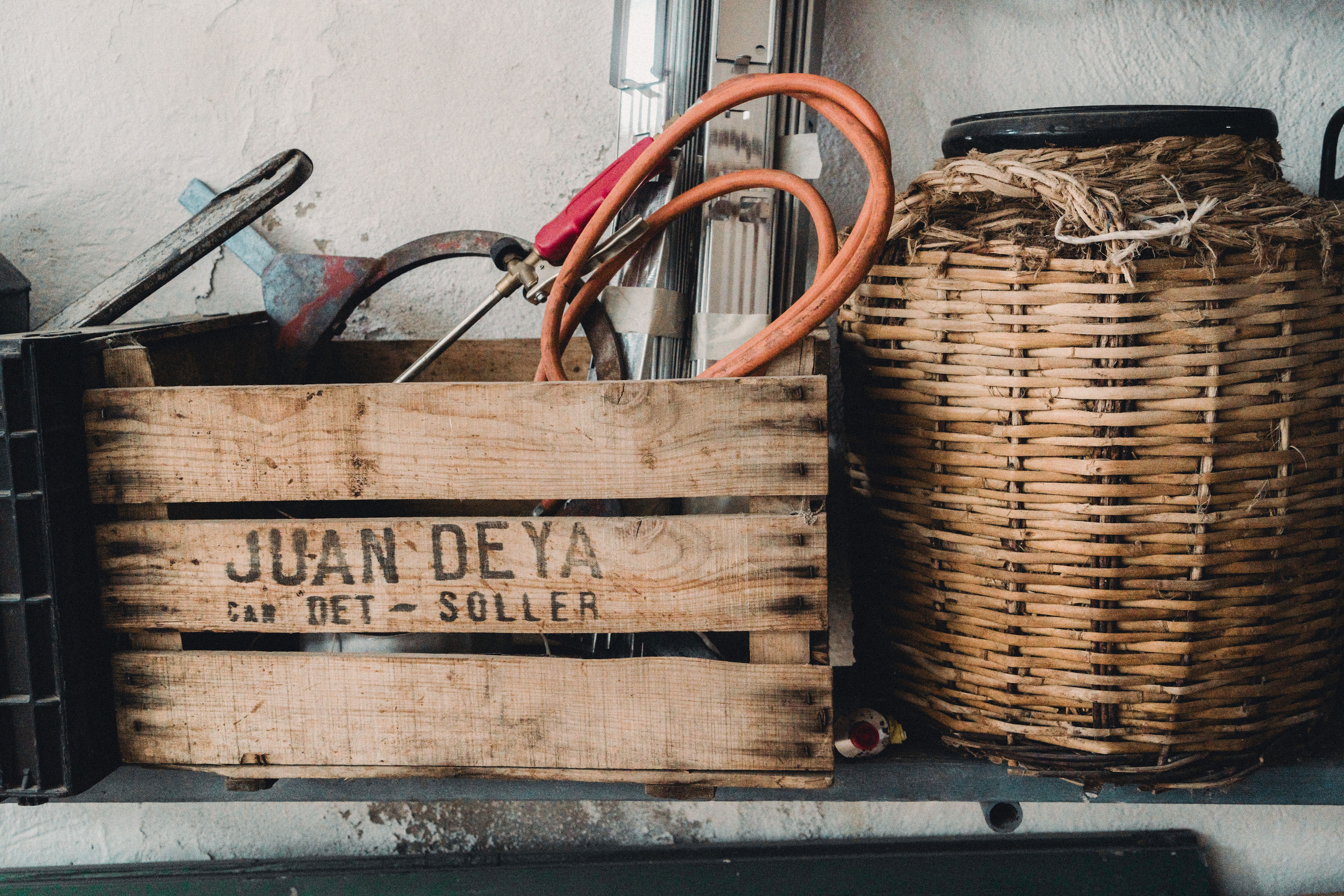
Tomeu Deya, Can Det. Photo by Ryan Noble
Can Det. Photo by Ryan Noble
A

n iconic tree of the Mediterranean, the olive tree was introduced to the island by the Phoenicians or the Greeks, before the Romans developed its cultivation in the 1st century BC. But it was above all the Arabs who transformed the island’s agriculture thanks to their expertise in irrigation and terraced farming. In the 13th century, James I (Jaume I) completed the reconquest of Mallorca, enslaved the Moors and ‘specialised’ the island’s economy around three crops: olives, cereals and vines. The lands of the Pla, in the centre, were devoted to cereals and food crops; the valleys were home to orange and lemon trees; and the Tramuntana mountains, with their limestone soils and steep slopes, were reserved for olive trees. “The terraces aren’t just there to look pretty,” Tomeu points out. They retain topsoil, limit erosion, and their network of channels collects water from the mountain peaks to carry it down to the valleys, where citrus trees require a great deal of water. Olive trees, on the other hand, can withstand intense heat and require very little water.

‍

Olive oil was of particular interest to the Catalans, as trade in it was booming. Exported to Catalonia, France and as far afield as North Africa, olive oil was used to fuel oil lamps, used in the manufacture of soaps and medicinal ointments, and to lubricate textile fibres to prevent them from breaking during weaving. Jaume I thus transformed the Tramuntana into an industrial estate. He had 20,000 km of dry-stone terraces built, utilised the irrigation systems developed by the Moors, and grafted productive varieties onto wild olive trees, creating a sublime landscape where the terraces plunge into the sea. The leading families invested in vast estates (possessions), and these olive groves remained ‘gold mines’ until the end of the 17th century, before gradually falling into disuse.

“It’s an incredible story of adaptation. Fifty years ago, we were just one mill amongst many. There were hundreds on the island, and more than ten in Sóller alone. Today, only the co-operative and us remain.”
Can Det. Photo by Ryan Noble
Join the conversation
Share your thoughts, tips, and local knowledge with our community
Discuss this story
Related Stories.