
C
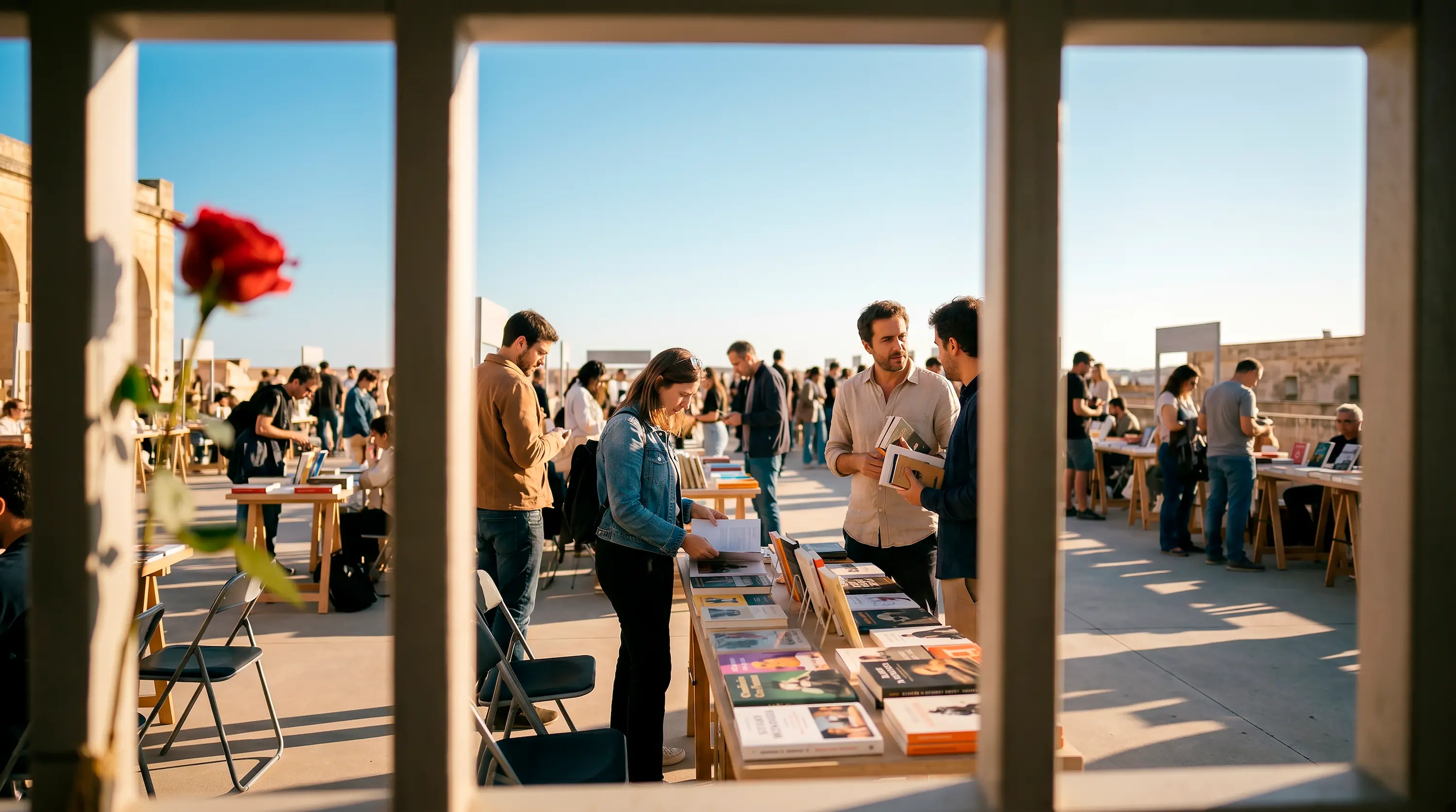
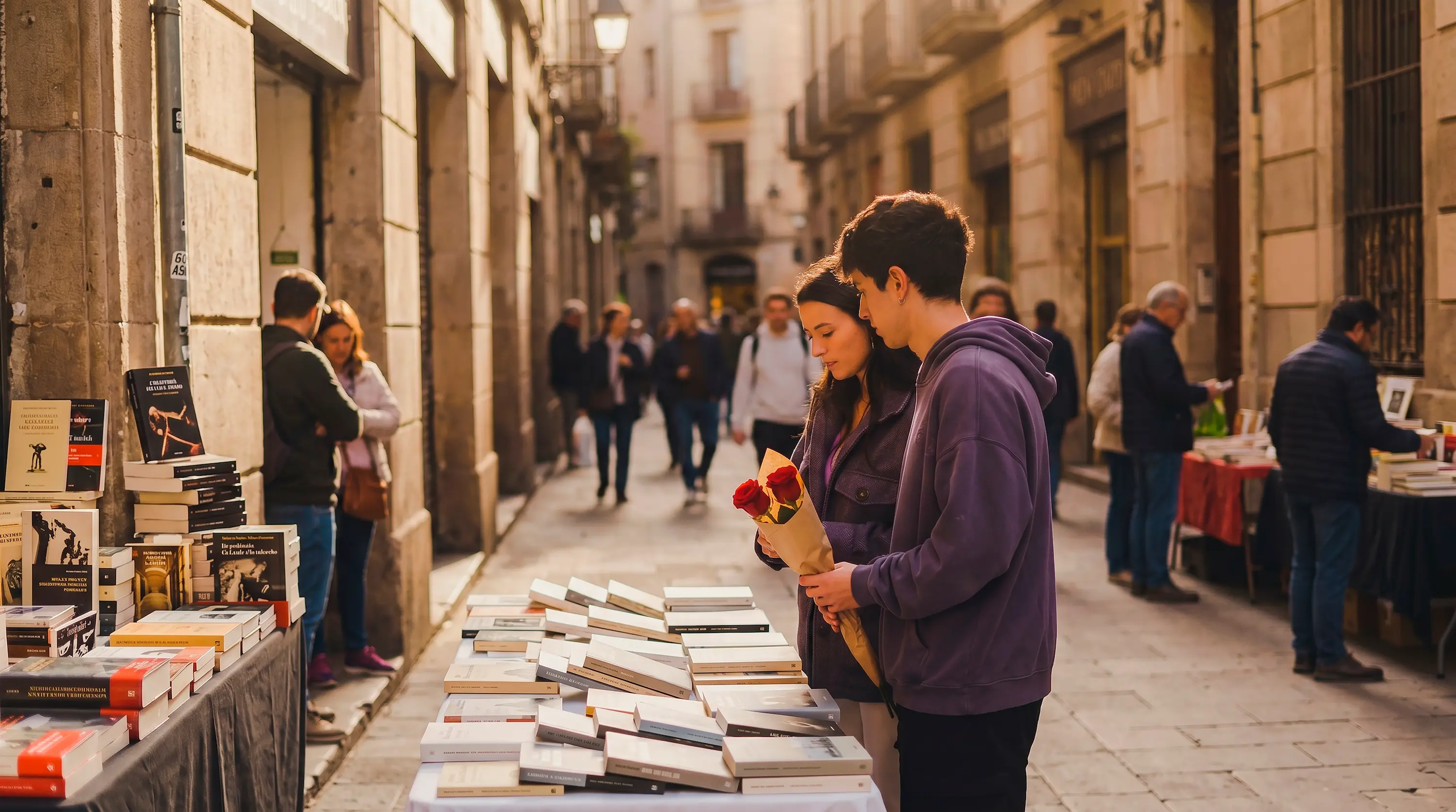
ada año, el 23 de abril, Mallorca celebra Sant Jordi, uno de los días culturales más importantes de Cataluña y las Islas Baleares. En este día, las librerías salen a la calle, los autores se reúnen con los lectores para firmarlos y se intercambian cientos de rosas en toda la isla como parte de una tradición de larga data.
La celebración de Sant Jordi combina dos tradiciones que se desarrollaron con el tiempo y que ahora son inseparables. La primera proviene de la leyenda de Sant Jordi. Según la historia, el caballero derrotó a un dragón para salvar a una princesa, y de la sangre del dragón surgió una rosa roja. Es por ello que tradicionalmente se regalan rosas en este día, originariamente de hombres a mujeres, aunque hoy en día el intercambio va en ambos sentidos. El segundo elemento es literario. El 23 de abril coincide con la muerte de Miguel de Cervantes y William Shakespeare, lo que llevó a que la fecha fuera reconocida internacionalmente como Día Mundial del Libro por la UNESCO en 1995. En Cataluña y las Islas Baleares, esto evolucionó hasta convertirse en la costumbre de regalar libros.
Juntas, estas dos tradiciones forman la base de Sant Jordi en la actualidad. La rosa simboliza el afecto y la conexión, mientras que el libro representa la cultura, las ideas y el conocimiento. Para muchos lugareños, también se considera un «día de los enamorados» más auténtico que el Día de San Valentín, sin dejar de estar estrechamente relacionado con el idioma, la lectura y la expresión cultural.
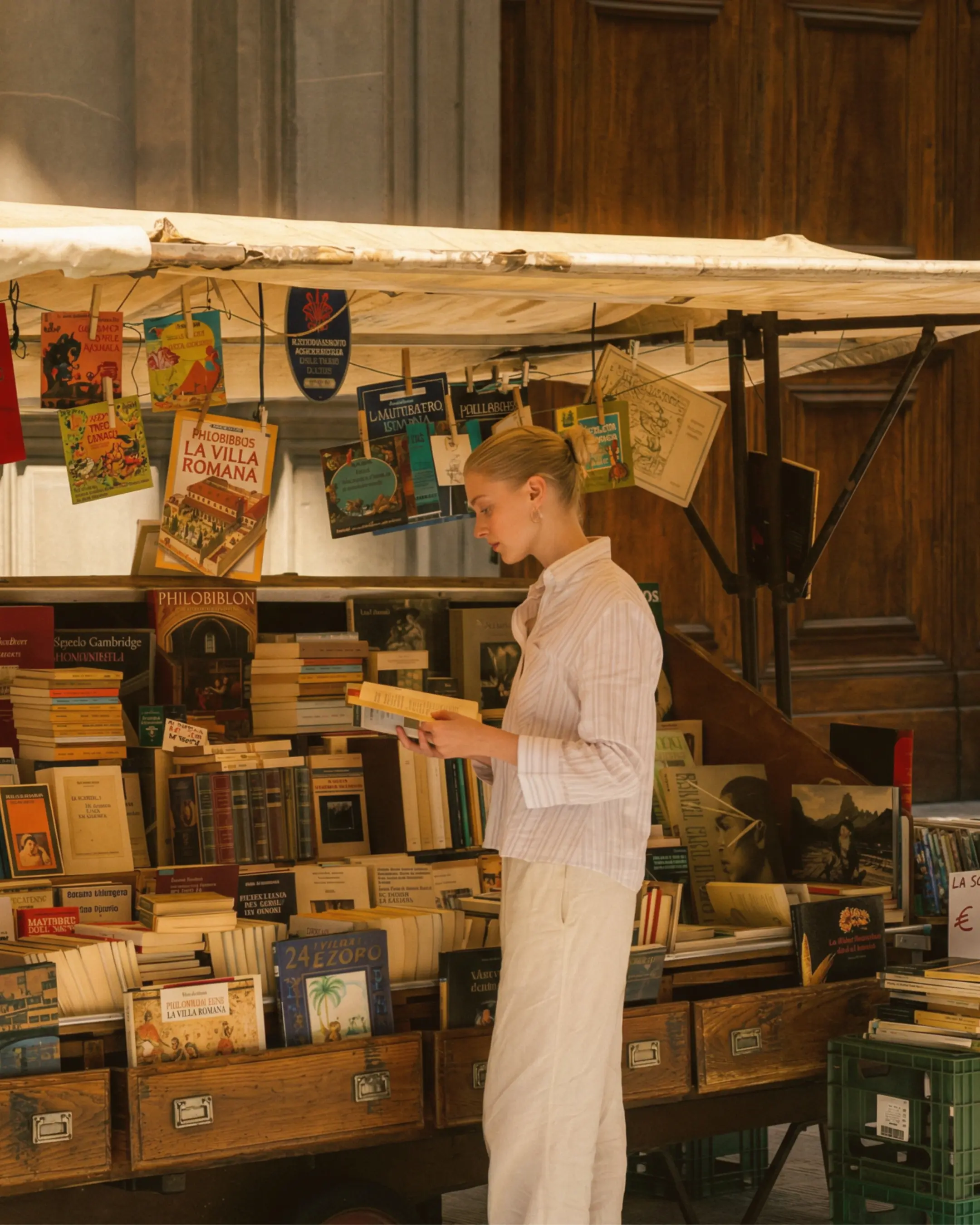
En Mallorca, las principales celebraciones tienen lugar en el centro de Palma, donde la ciudad está preparada para un día de paseo y navegación. Las calles están llenas de puestos temporales de librerías, editoriales y floristerías. Muchas librerías locales, como Rata Corner o La Biblioteca de Babel, llevan sus colecciones al aire libre, a menudo acompañadas de lecturas o firmas de autores.