Mallorca has it all: reliable sailing conditions, an exceptional coastline, world-class nautical infrastructure, and easy access from across Europe. You find a dramatic coastline along the Serra de Tramuntana, calas on the east and north, and calm turquoise bays on the south, all within short distances and with easy passages to Menorca, Ibiza, or mainland Spain.
Palma is also well known for its stable weather, ideal for cruising and racing, and for hosting major regattas like the Copa del Rey. It also offers one of Europe’s best nautical infrastructures, with marinas, refit yards, and marine services, making it a key maintenance hub where owners can service vessels without leaving the region.
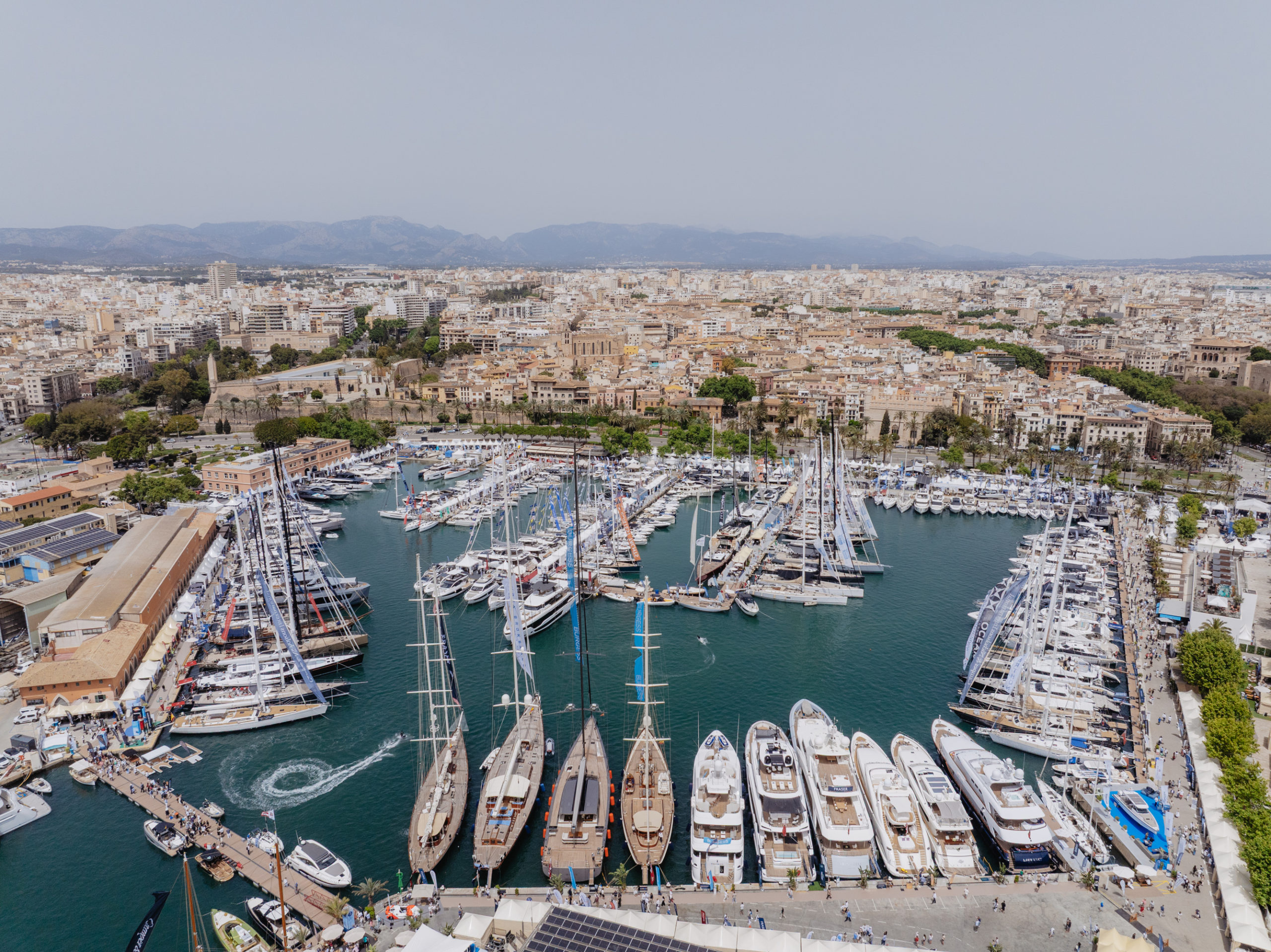
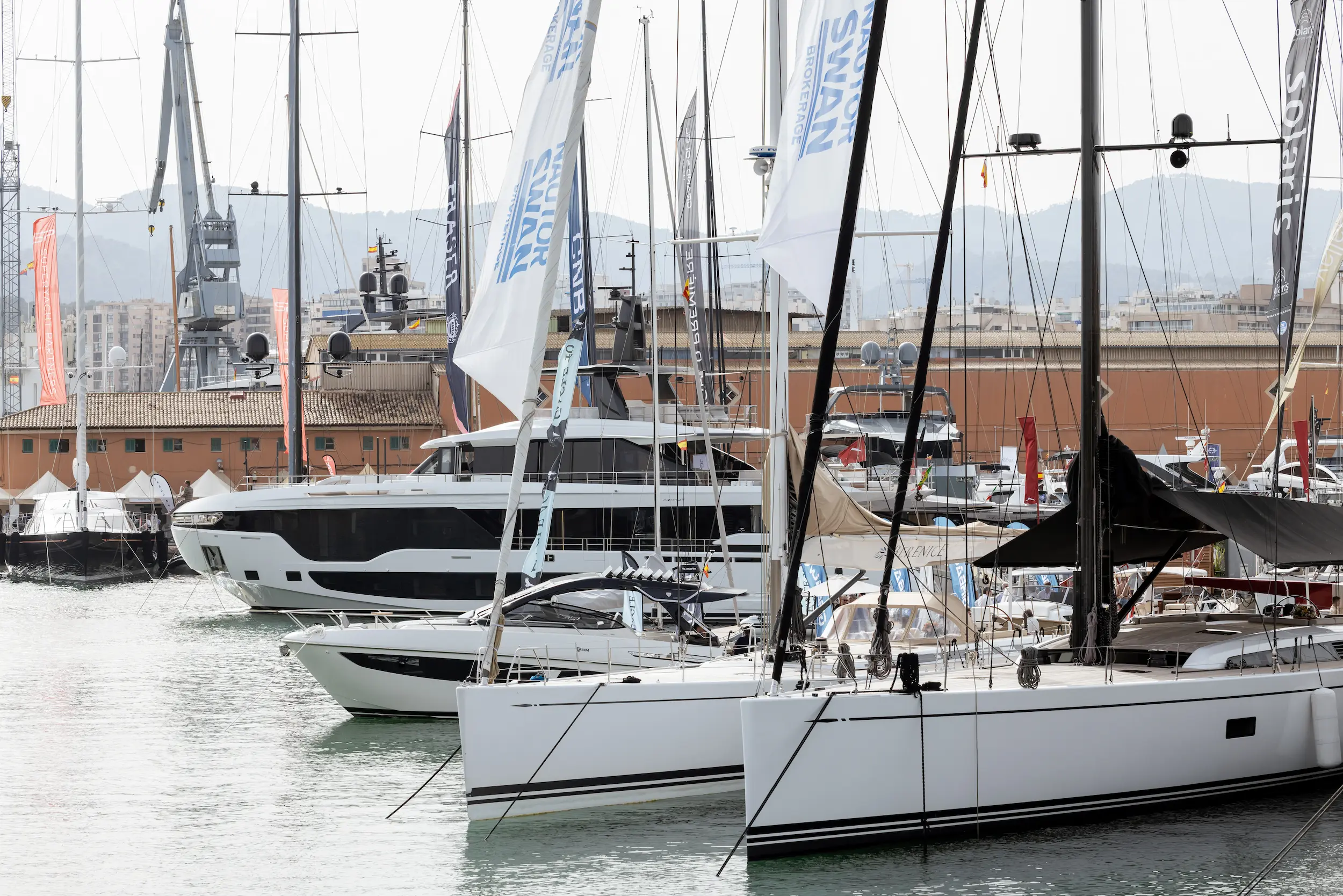
The Palma International Boat Show has evolved into one of the Mediterranean’s key industry gatherings. Its importance lies in its timing at the start of the yachting season and its strong professional focus.
PIBS positions Mallorca as a year-round yachting centre, not just a summer destination. It draws the global industry to the island each spring, showcasing local shipyards, marinas, and expertise, and encouraging owners to base vessels in Palma long-term. In this sense, it acts as both a commercial platform and a branding tool for the island’s maritime economy.
First-time visitors are often surprised by how much variety the island offers within a relatively small cruising area. In just a few days, you can experience very different landscapes, sailing conditions, and harbour cultures that elsewhere would require much longer passages.
Mallorca changes character quickly, from the rugged mountains of the northwest to the turquoise calas of the east and the long sandy bays of the south.
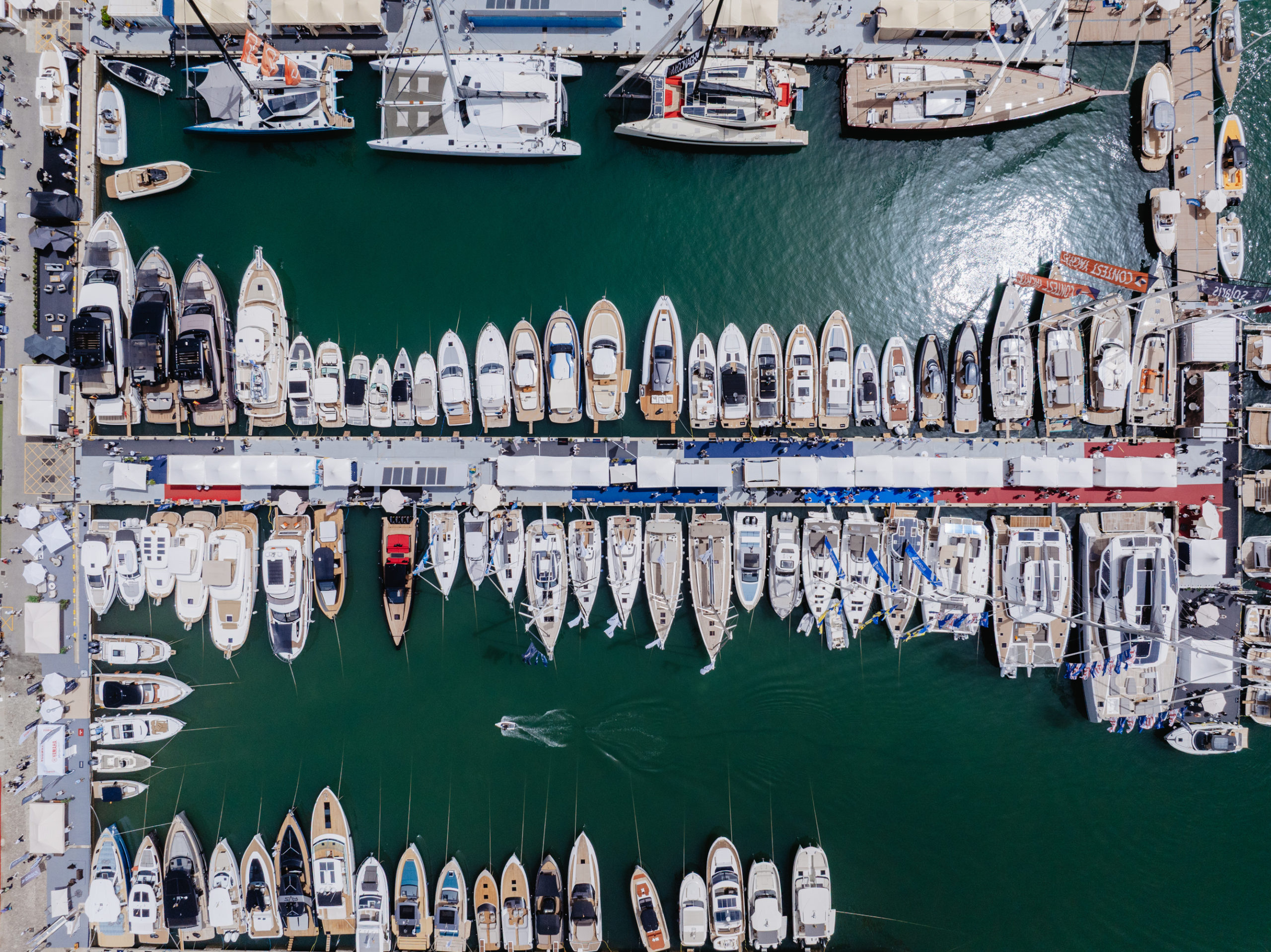
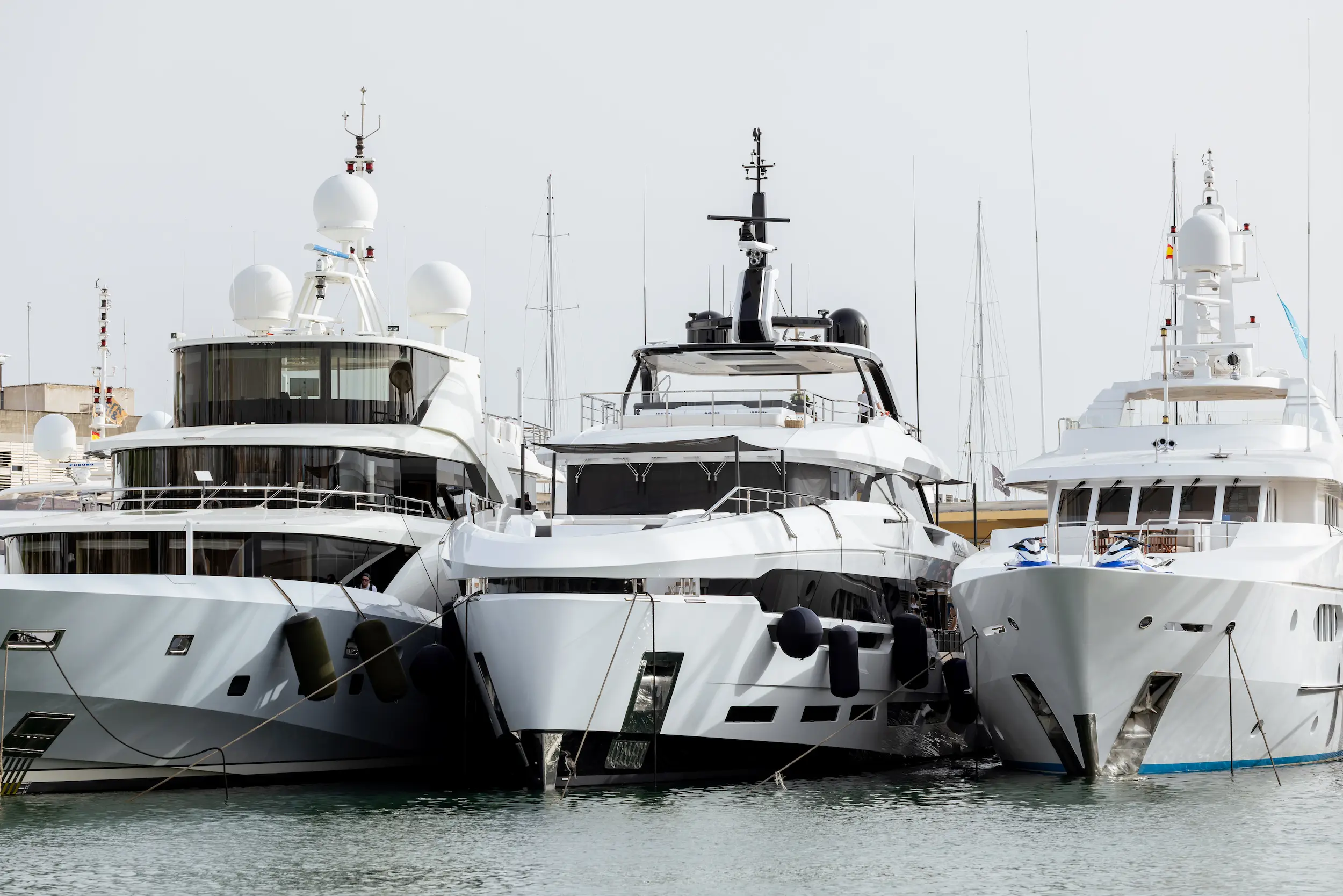
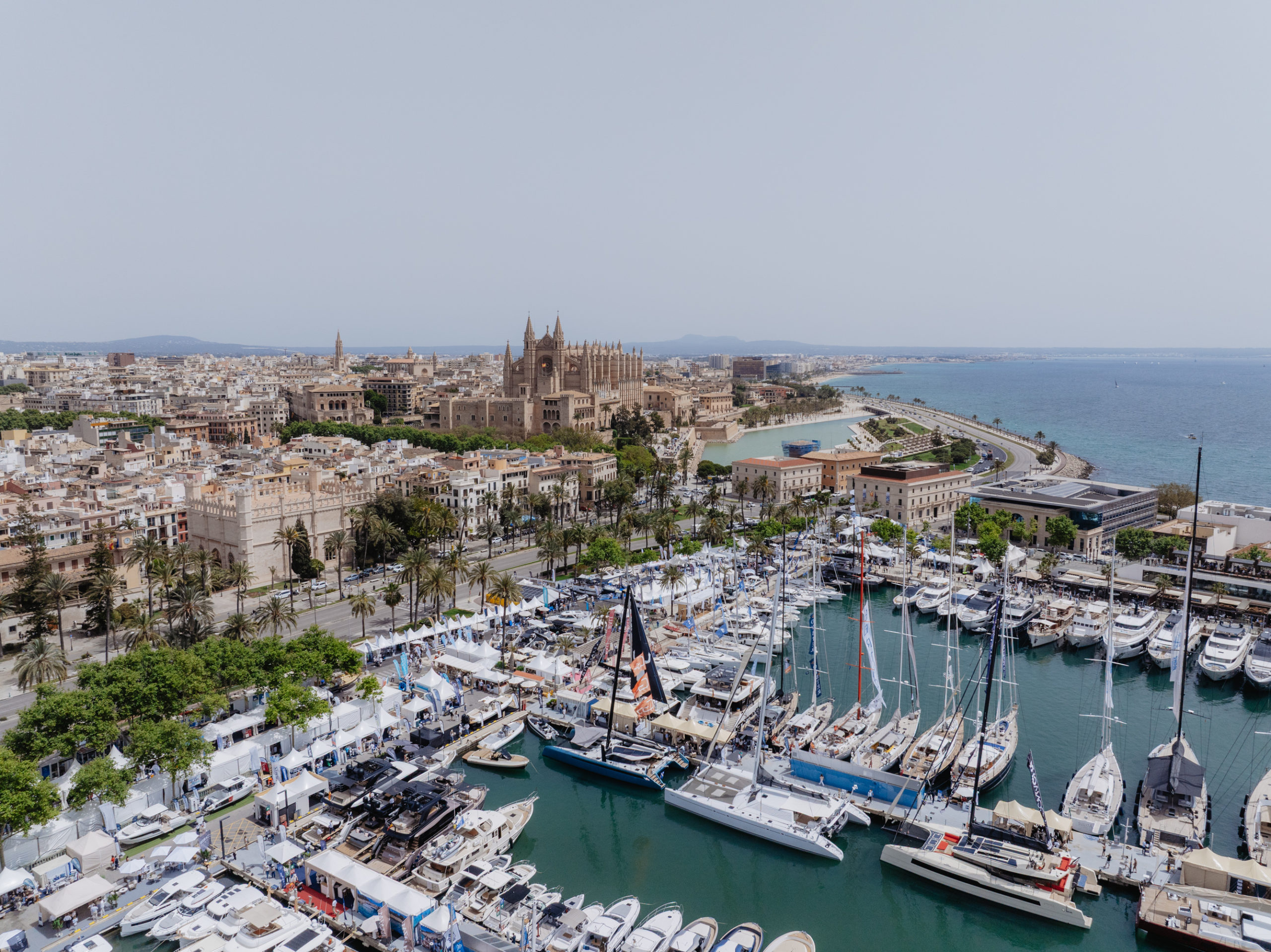
Yes, anchorages fill earlier, marinas book months ahead, and some calas see dozens of boats where there used to be a handful. I think this congestion is mainly concentrated in a handful of famous calas, and during a short period in the middle of the high season only.
A major focus now is protecting the posidonia, the underwater seagrass fields that are essential for marine ecosystems. The regional government has already introduced measures such as anchoring restrictions in protected areas, monitoring systems for seabed damage and designated mooring buoys in sensitive zones. More can be done here, but always in collaboration with the yachting associations to find an equilibrium between marina development and regulation. This balance should preserve the reasons why sailors come and protect the environment, but without turning sailing into a bureaucratic exercise.
Yacht design is evolving in response to changing client expectations. Today, many are looking for a balance of performance, comfort, and onboard space, with the same level of comfort as an apartment ashore, while sustainability is becoming increasingly important.
A decade ago, sustainability was mostly marketing; today, we see real changes, including hybrid propulsion systems and more efficient energy use. Owners want to reduce emissions and fuel consumption while maintaining range and luxury, and there is a clear shift towards more sustainable yachts. True zero-emission ocean cruising is still difficult, but there is definitely a trend towards more “green” hybrid yachts.
Mallorca is one of the best places in the Mediterranean to start. Distances are manageable, and the infrastructure is strong, with many protected anchorages.
Whether you sail on a small yacht or a superyacht, enjoy the journey and don’t overschedule. The weather and wind might have other plans, and the best moments at sea are often the unplanned ones.
The public image of yachting often focuses on luxury and exclusivity, but it is also about adventure, skills, and connection with nature. Not all yachts are superyachts; many owners operate smaller boats, and people participate through clubs, charters, or shared ownership.
There is also a significant industry behind it. All yachts require constant maintenance and support, and Mallorca has a well-developed sector providing these services, making a major contribution to the local economy of around €1 billion a year.
Mallorca’s political stability, strategic Mediterranean location, and distance from geopolitical conflict zones will help it remain a popular destination.
Environmental protection will be key to preserving water quality and anchorages. The challenge will be managing traffic while avoiding over-regulation, maintaining the balance between sustainability and the freedom that sailors value.