Close Search
Cala Falco: A Mediterranean Inspired Perfume Farm and Brand
- By
Blaire Dessent
sustainability 2030
off the island
Cala Falco: A Mediterranean Inspired Perfume Farm and Brand
Jun 8, 2026
by
Blaire Dessent
Cala Falco: A Mediterranean Inspired Perfume Farm and Brand
sustainability 2030
off the island
Jun 8, 2026
by
Blaire Dessent
sustainability 2030
off the island
Cala Falco: A Mediterranean Inspired Perfume Farm and Brand
Jun 8, 2026
- By
Blaire Dessent
Cala Falco: A Mediterranean Inspired Perfume Farm and Brand
Jun 8, 2026
- By
Blaire Dessent
sustainability 2030
off the island
off the island
sustainability
Cala Falco: A Mediterranean Inspired Perfume Farm and Brand
Jun 8, 2026
- By
Blaire Dessent
Photo: Duncan Kendall
S

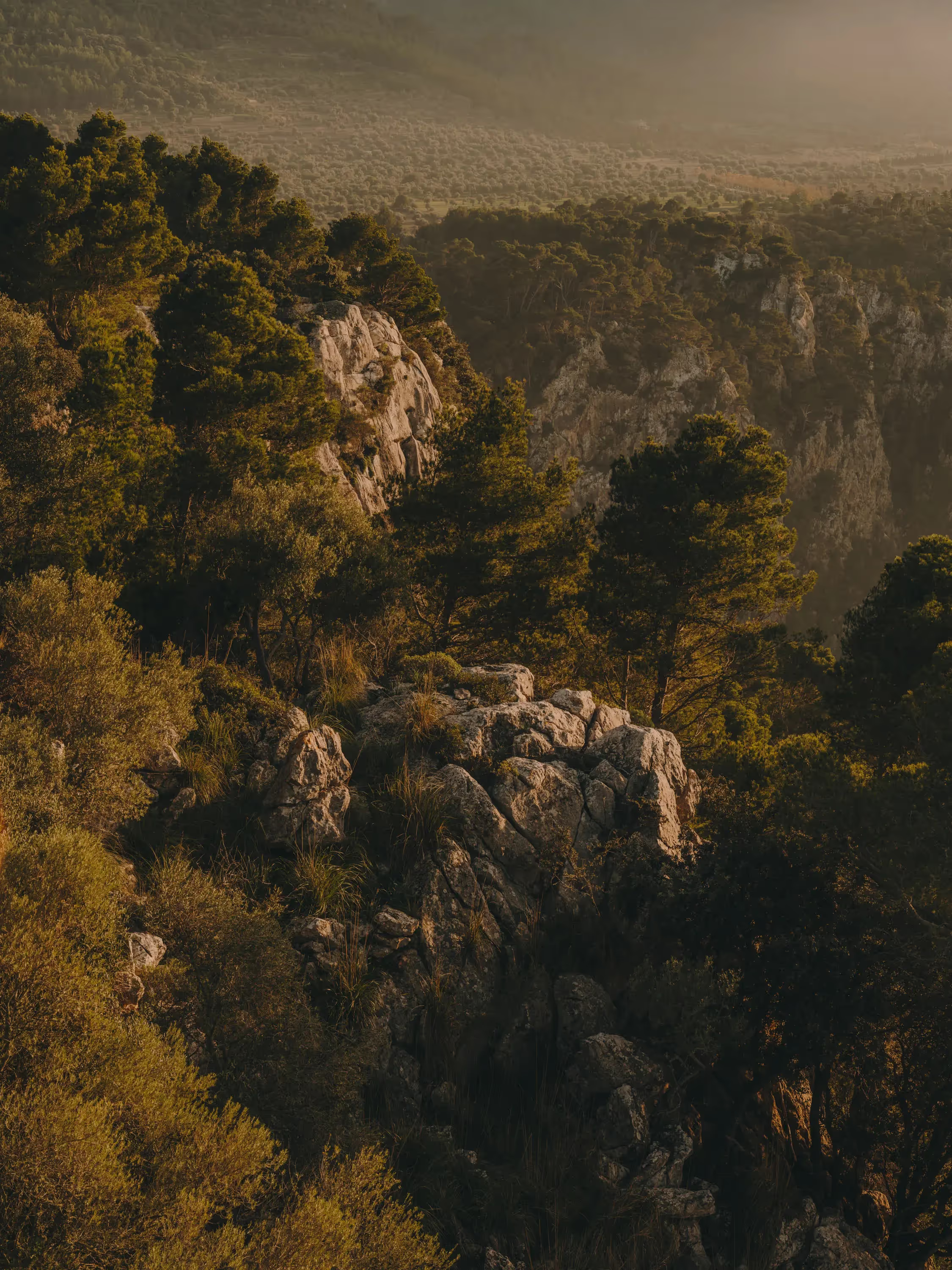
pread across 42 hectares between Manacor, Cala Romantica, and its namesake, Cala Falco, Victor Alarcon and his family are slowly transforming a former almond farm into a Mediterranean-inspired perfume garden. For over six years, they have been working with a team to cultivate and grow dozens of plant, herb and floral species for their bespoke fragrance brand Viti Vinci and their newest project, Cala Falco, which will become their principal lifestyle brand. Quietly launched this spring, Cala Falco will encompass perfumes, soaps, cosmetics, lotions and an ecological botanical elixir, the first just released is dedicated to spring. Going forward, Viti VInci will focus on the bespoke side of the business, including limited edition scents. As part of the launch of this new brand transition, Viti Vinci participated in the 61st Venice Biennale earlier in May, with an immersive olfactory installation titled Key Minor (score for smoke and light). The installation included a suspended constellation of cultivated mycelium spheres that carried an all natural fragrance in two interwoven registers, dark and luminous, which was activated by the visitor’s own movement and breath.

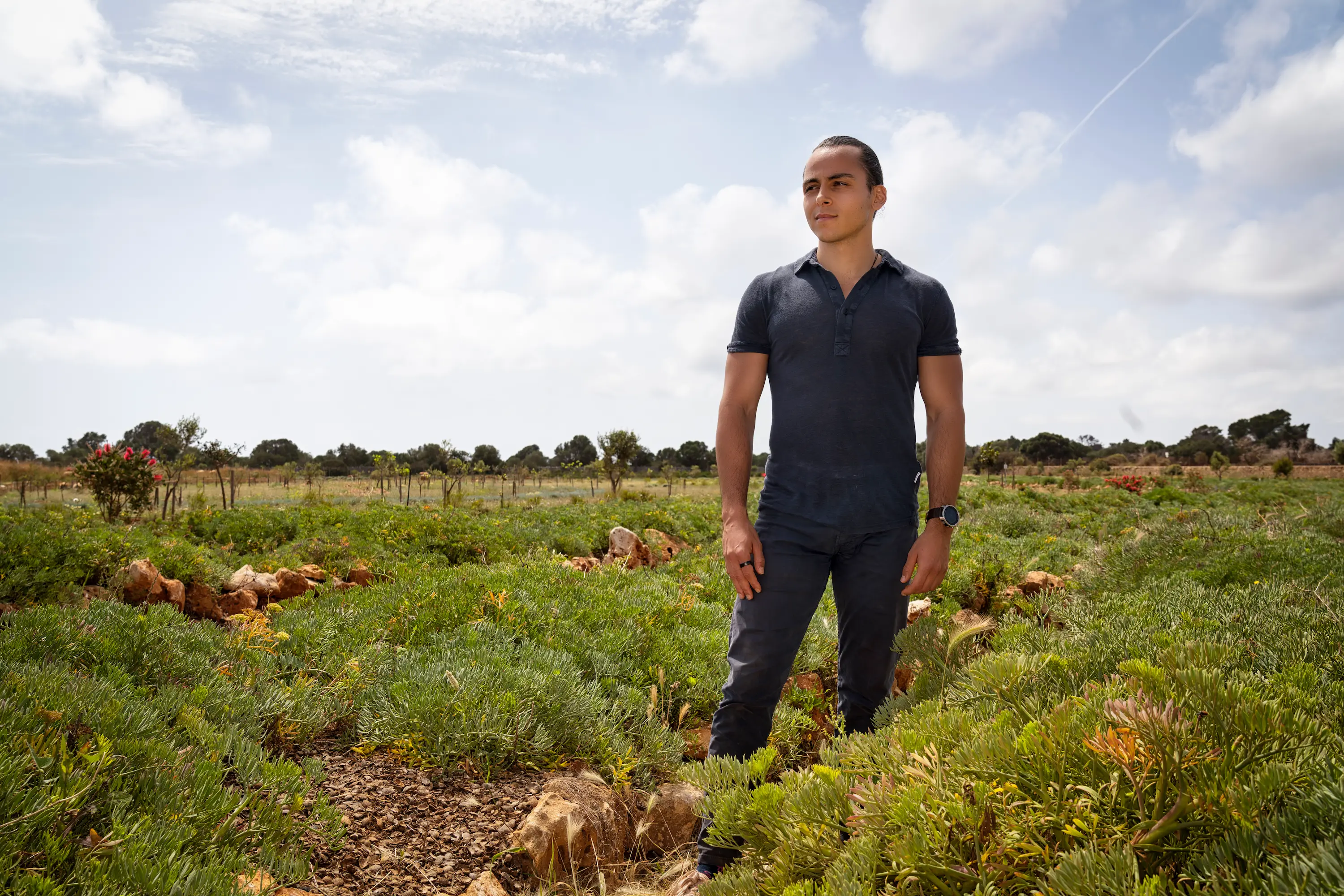
When the family purchased the extensive property in the southeast of the island, the land had been abandoned for several years and was essentially lifeless, except for one part that was growing wildly with native Mediterranean plants. They initially wanted to focus on regenerating the soil and bringing it back to life, but as Victor began to develop Viti Vinci, the idea to create a farm dedicated to the plants and florals needed for the distillation made perfect sense. “Nature is abundant, nature is generous but it has to be treated with generosity, it can’t just be extracted,” explains Victor as we walked around the property.
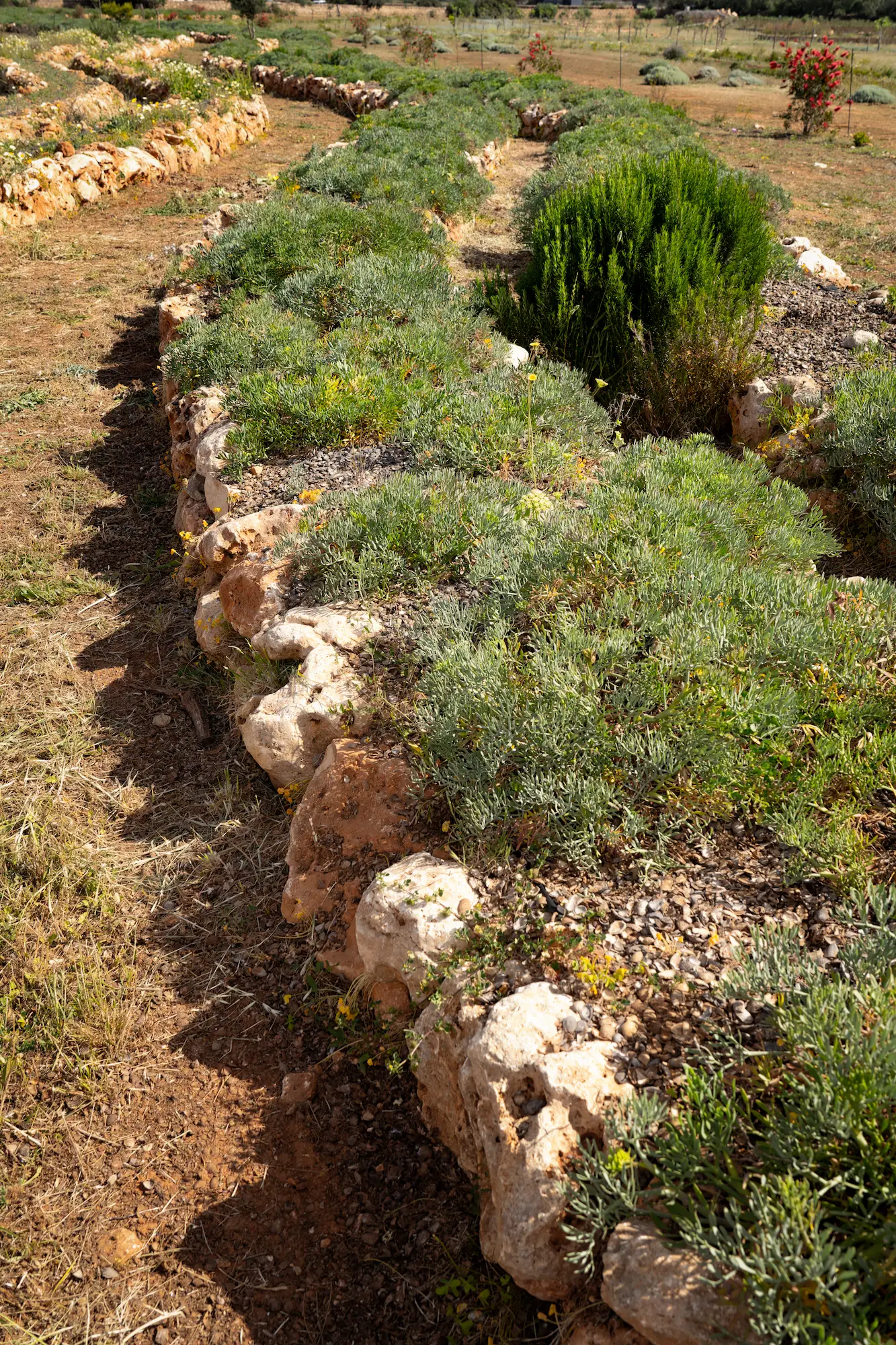
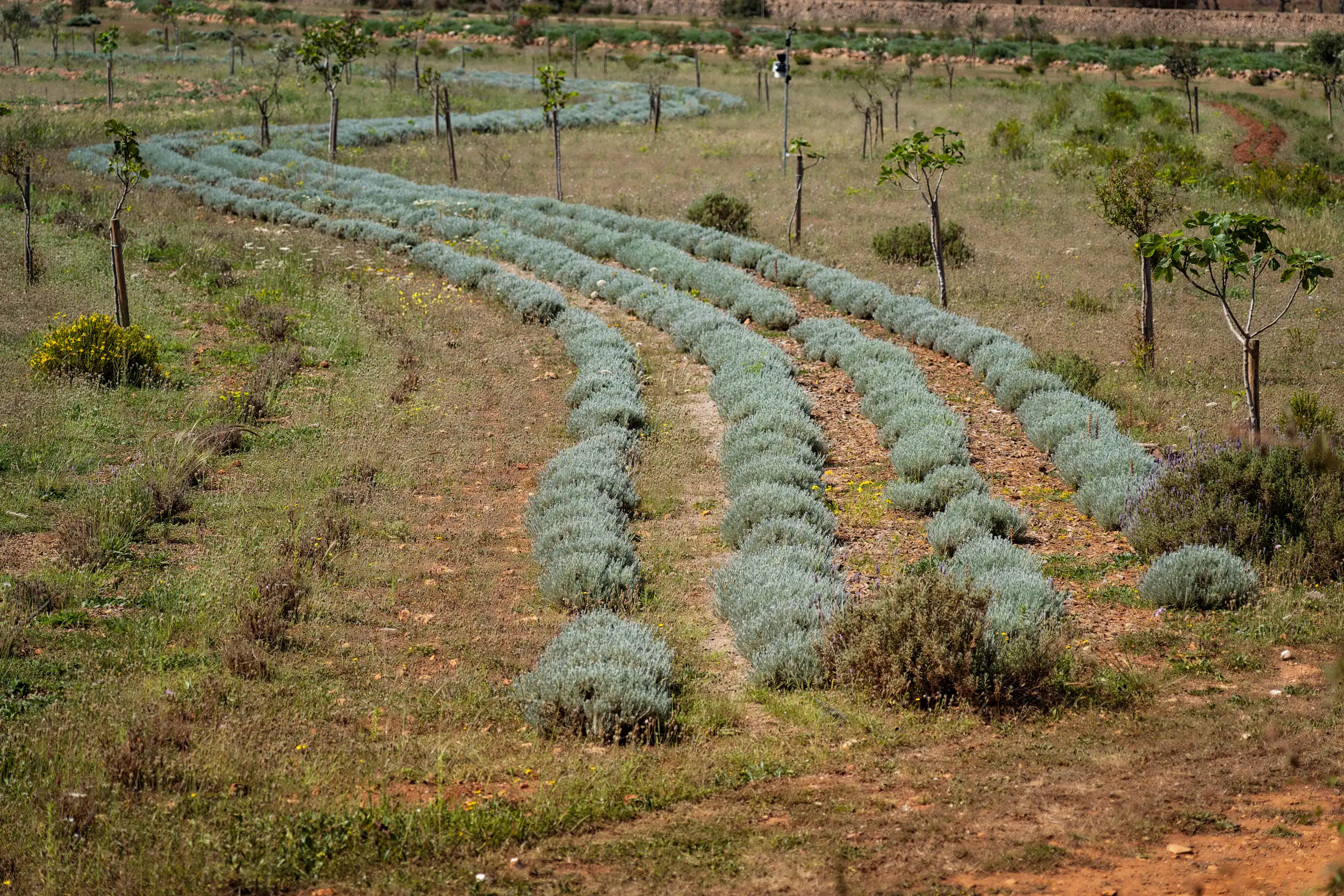
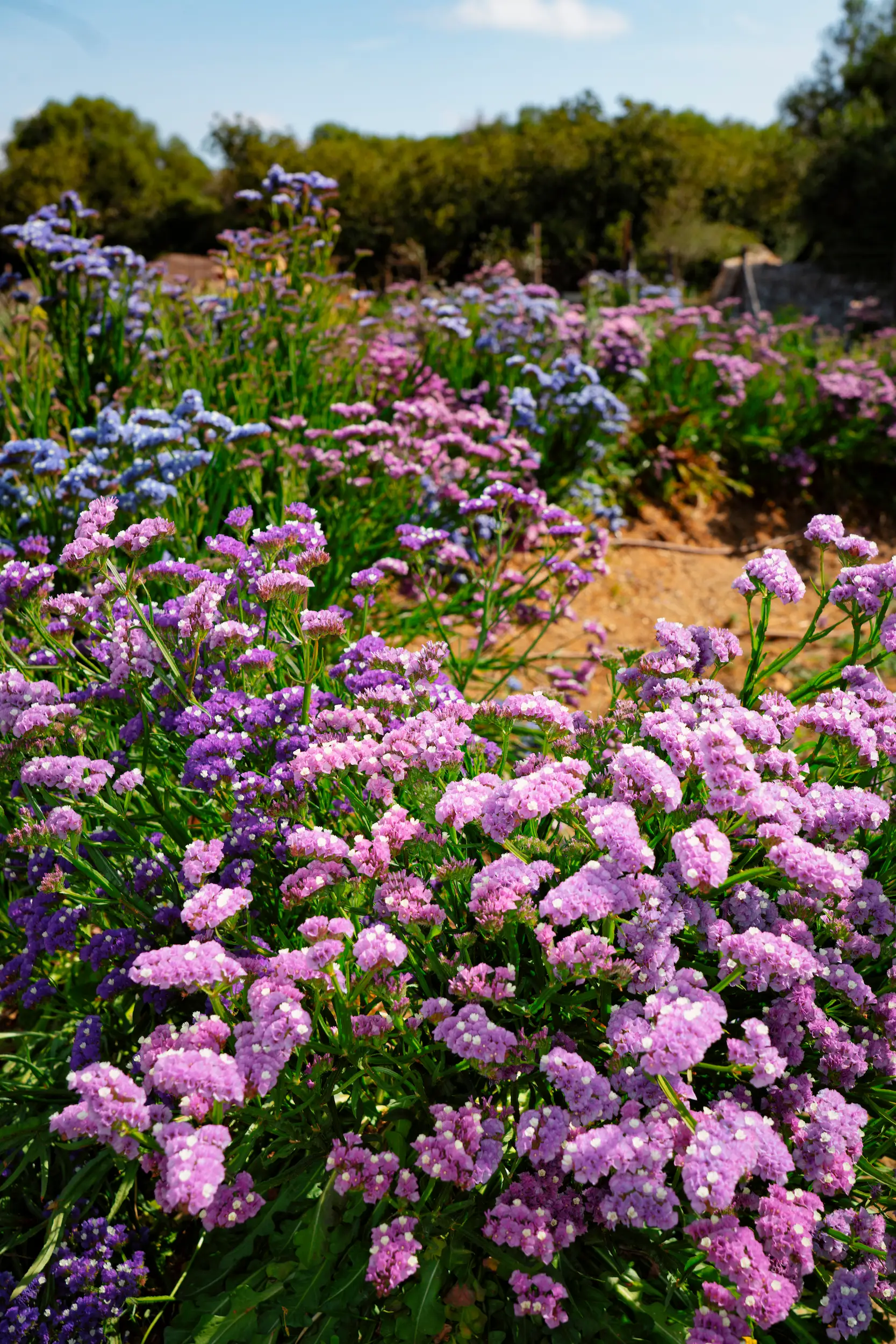
Rows of native plants and herbs at Cala Falco. Photo Duncan Kendall
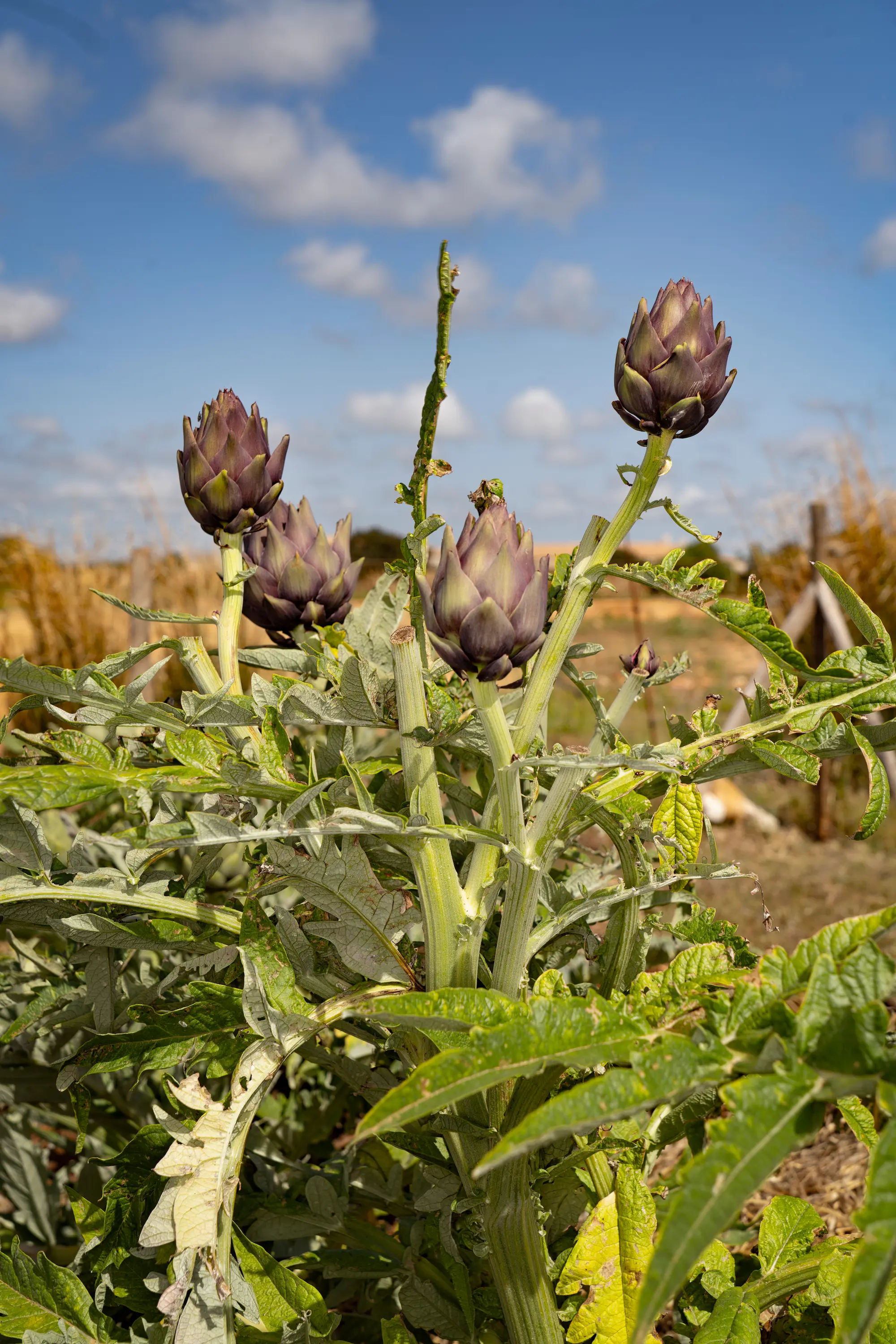
Artichokes at Cala Falco. Photo Duncan Kendall
T

he slow process of transforming the land has been done with a lot of trial and  error, and following three types of regenerative agricultural approaches, including syntrophic agriculture, which mimics how nature lives in the wild, with a natural mix of species. In one area, they planted about 60 species, including trees, florals and herbs, every 14 metres. About 90% plants are from Mallorca or the Mediterranean and 10% are well-adapted species including  vetiver, an important plant in the perfume and fragrance world. “We grow vetiver on small stone walls because we harvest the roots, which is what gives the extract to create a rich essential oil,” he explains. “It is one of the best fixatives in natural perfumery – earthy – spicy, green, woody… so rich.”  There are other areas dedicated to biodynamic agriculture, in which they incorporate the effects of the moon, harvesting within their season and closest to full moon – before the cycle – they are most productive.

To maximize water, they planted long curving rows of low-laying plants - lavender, rosemary, green myrtiles, juniper, sea fennel, which is ideal for its marine notes. Other species include different types of lavender, fig,  Hypericum Balearicum, a native flowering plant on the island, St. John's wort, whose  bumpy  leaves retain strong essential oils, Roman chamomile, and geraniums. Everlasting is another unique species they are cultivating. It has an almost curry-like smell that transforms in the distillation princess to give a rich, musky essential oil. Its name comes from the bright yellow flowers that appear in June and July that never lose their colour. “The Egyptians and Greeks thought that it held the power of the sun,” says Victor.  

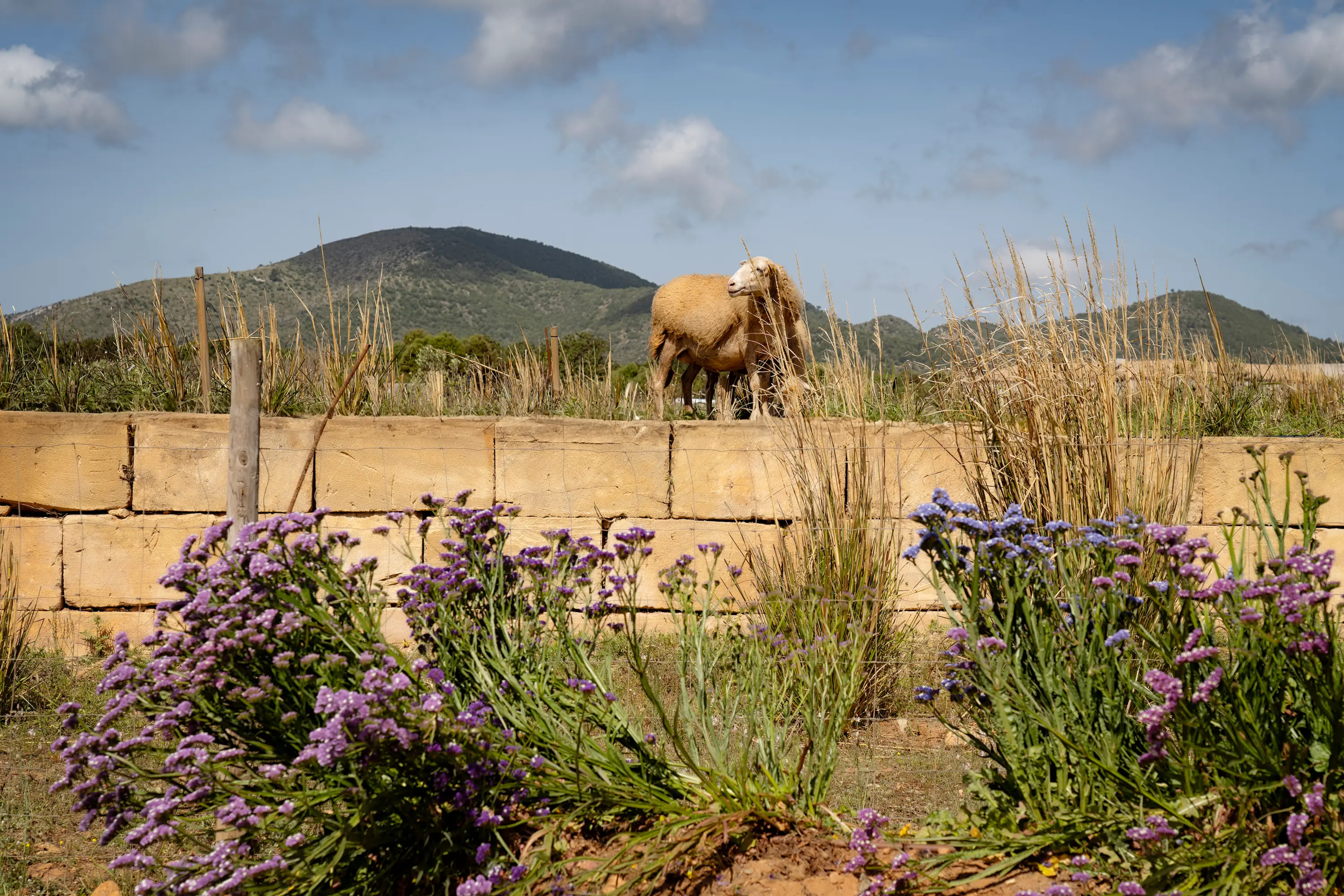
Even after six years, the land remains a work in progress. There is still a lot of trial and error, seeing how certain plants thrive and others don’t, and adding to their collection of plant species. The land is thriving more than it has in years thanks to these efforts as well as those of the animals that roam – sheep, chicken and a family of tortoises, among other animals.


There are plans to develop a showroom and laboratory on the property where people can come to try the elixirs, shop the products and learn more about the distilling process, as well as experience workshops and farm-to-table meals. Starting from the soil up, Cala Falco and Viti Vinci are finding a way of integrating the best of Mallorca’s natural beauty and wildlife into something we can enjoy everyday.

To maximize water, they planted long curving rows of low-laying plants - lavender, rosemary, green myrtiles, juniper, sea fennel, which is ideal for its marine notes.
The property at Cala Falco. Photo Duncan Kendall