Close Search
David Fiol Rotger, A Pioneer of Cider in Menorca
- By
Helene Huret
sustainability 2030
off the island
David Fiol Rotger, A Pioneer of Cider in Menorca
Aug 21, 2026
by
Helene Huret
David Fiol Rotger, A Pioneer of Cider in Menorca
sustainability 2030
off the island
Aug 21, 2026
by
Helene Huret
sustainability 2030
off the island
David Fiol Rotger, A Pioneer of Cider in Menorca
Aug 21, 2026
- By
Helene Huret
David Fiol Rotger, A Pioneer of Cider in Menorca
Aug 21, 2026
- By
Helene Huret
sustainability 2030
off the island
off the island
sustainability
David Fiol Rotger, A Pioneer of Cider in Menorca
Aug 21, 2026
- By
Helene Huret
Photo: Aimery Chemin
T

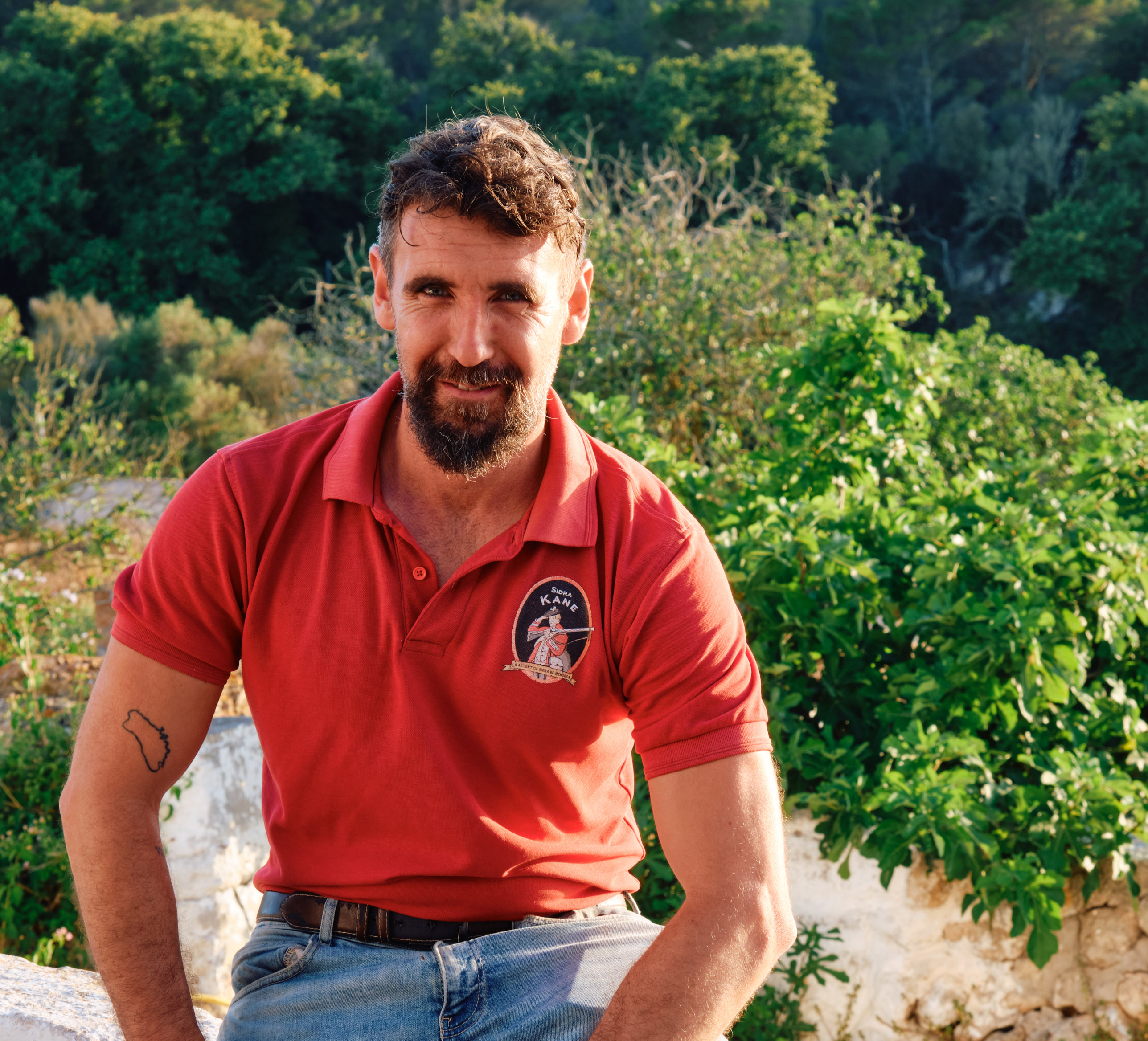
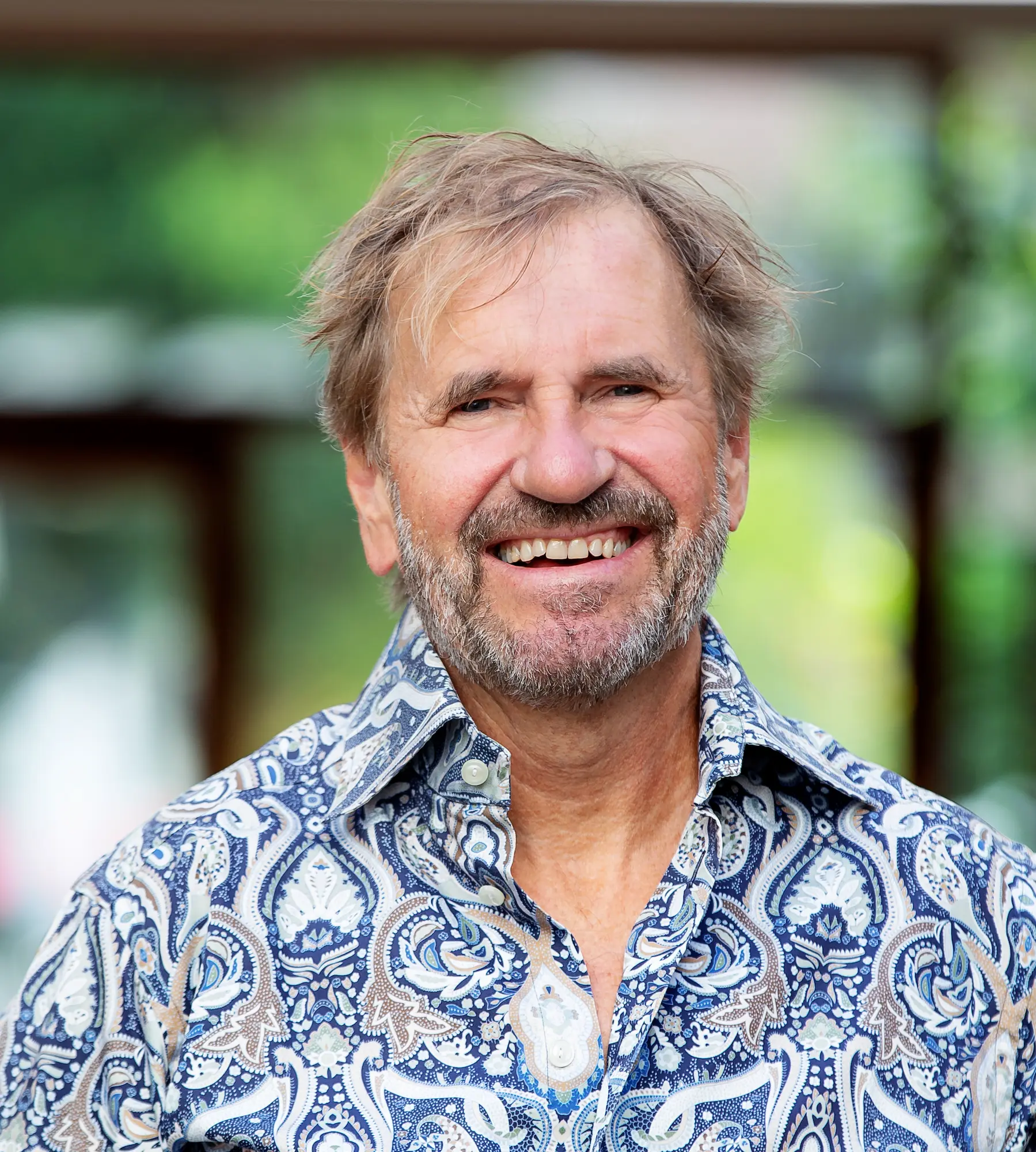
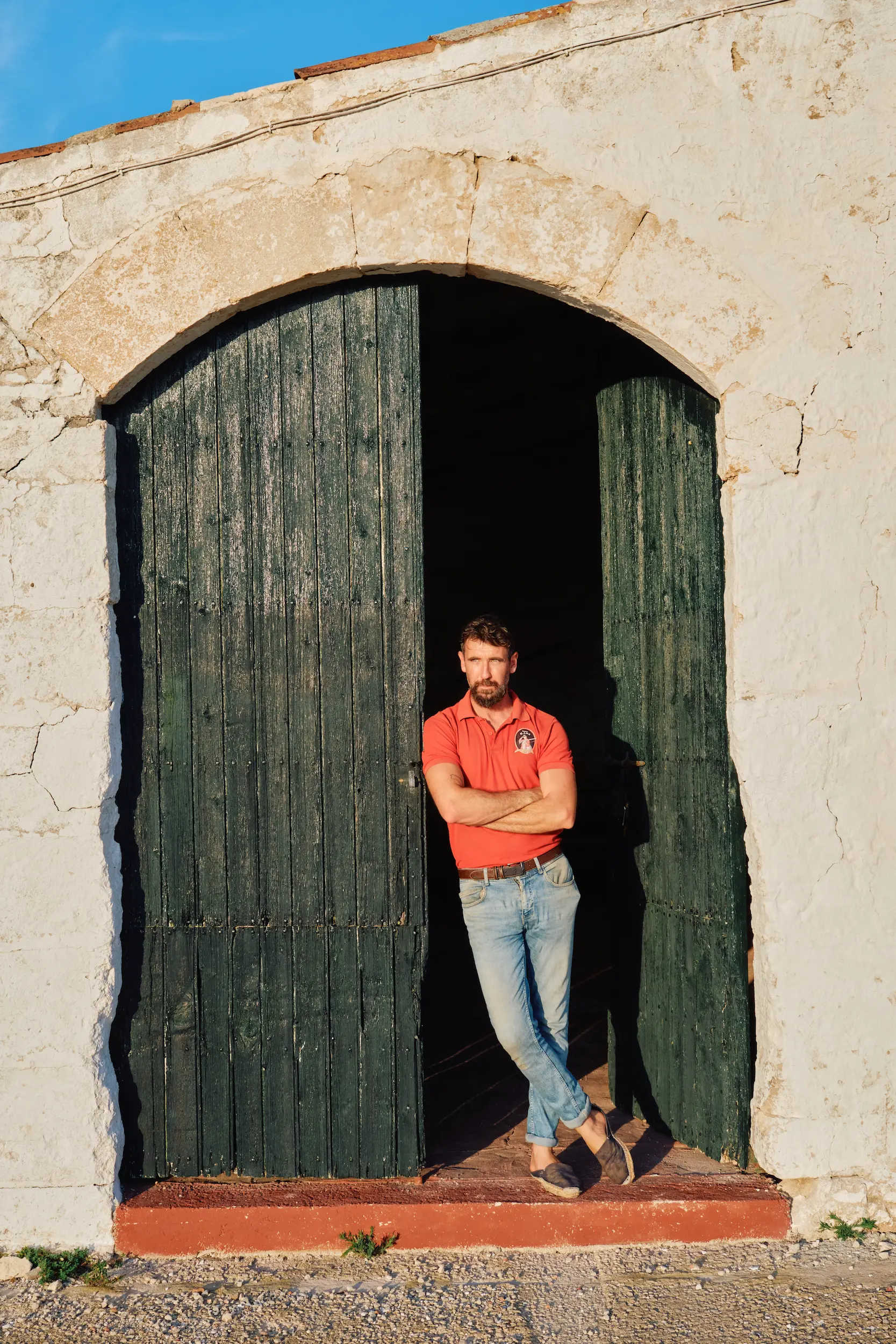
o discover Menorca’s first cider, you have to take a narrow road that winds down towards the south of the island. It is a haven of peace where eagles soar above the countryside. The house had been abandoned, and fortunately, no luxury agritourism project has come along to disturb the tranquillity of this still-rural corner. “The owner agreed to let me rent the finca at a reasonable price,” explains David, “and in exchange I’m renovating the house without altering its original character.” A real miracle on this island, where properties now fetch astronomical prices. It is here, a 20-minute walk from Cala Turqueta, that David Fiol Roger planted his first apple trees, and it is also here that he welcomes many visitors to let them taste his cider.

It all began three years ago. At the time, David was living in Maó and working with children with disabilities. “In Menorca, we’ve got cheese, wine and a bit of beer. I was looking for something that didn’t exist yet.” Like all good ideas, this one came about over a meal with friends. A friend from Asturias – a region with a long tradition of cider-making – suggested: “Why don’t you try making cider with Menorcan apples?” Another guest, an historian, recalled that in the 18th century, under British rule, Governor Kane — famous for having built the first road linking the then new capital, Maó, to Ciutadella — introduced new breeds of livestock, cereals and apples to the island. “The ‘poma d’en Kane’ comes from Somerset,” explains David. “Over time — thanks to Darwinian evolution — it has adapted to the heat of Menorca. Having become much sweeter, it gives our cider a distinctive flavour that sets it apart from Asturian or Norman ciders.”

While apples have been present on the island since Roman times, it was the Muslims who developed orchards in the barrancs, those natural ravines that shield crops from the wind and retain moisture. The apple trees acclimatised so well there that, by the end of the 19th century, Archduke Luis Salvador, a great explorer of the Balearic Islands, counted no fewer than 33 varieties.
F

ull of enthusiasm, David set out on his adventure. He found a bodega in Ciutadella and sourced the fruit from various local growers. “I choose only organic apples, grown without any chemicals. I’d rather produce less but prioritise quality.” The process is very simple: after rinsing the fruit, David presses it and stores the juice in vats whilst it ferments. “I taste it regularly, and when I’m happy with the flavour, the cider is ready. For bottling, I wait until the moon is in its last quarter, waning. According to Celtic mythology, this is the best time for bottling. I’ve always loved traditions and stories; I don’t know if it works, but I’m sure that when you put your heart into things, the result is better!”

David then went from fair to fair and market to market to introduce people to his cider, which was very well received. He got caught up in the excitement and decided to plant his own trees. “I’d never planted apple trees before. So I went to ask for advice from those who know best: the farmers from whom I bought my fruit. They told me: ‘To grow crops without chemicals, you have to learn to work with nature.’”

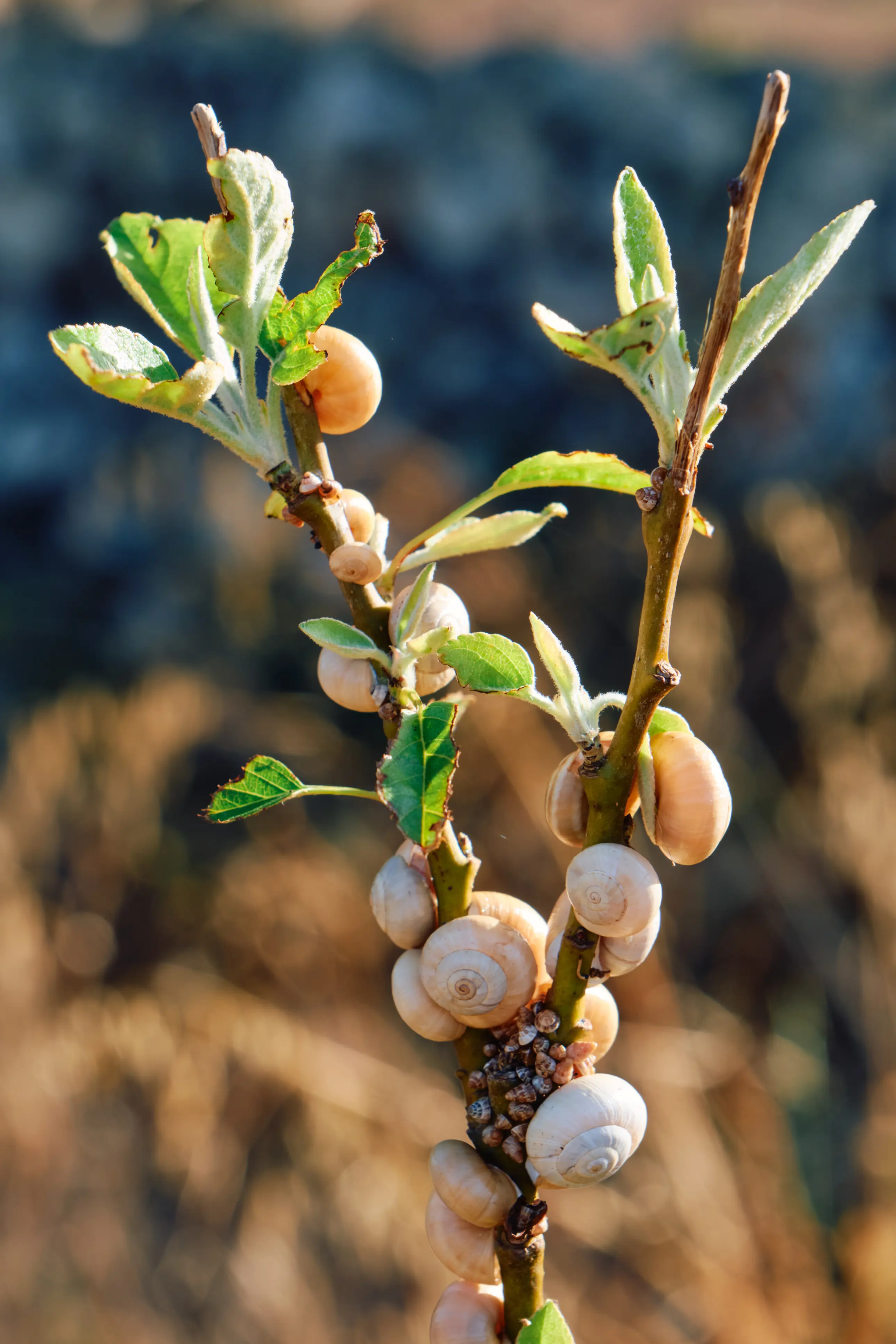
As you make your way down to the orchard below the finca — a spot ideally chosen for its cool climate — you’ll notice tall vegetation surrounding the 160 young trees. “The main threat to young apple trees is the black aphid,” explains the arborist. “To get rid of them, I grow wild fennel. It’s a very fragrant plant whose scent attracts beneficial insects, which feast on the aphids. Summer is, of course, very hot. I have a drip irrigation system, but all these wild plants help retain moisture and act as ground cover.” Dozens of snails are crawling across the leaves, whilst above our heads, two eagles are soaring. For David, this is a crowning achievement. Snails, whose shells and skin are extremely absorbent, avoid pesticides that disrupt their reproduction. As for the presence of this pair of birds of prey, it proves that the ecosystem is rich enough to sustain them. “The eagles hunt rabbits and rats, which clears the field and prevents the rodents from damaging the bark, roots or fruit.”

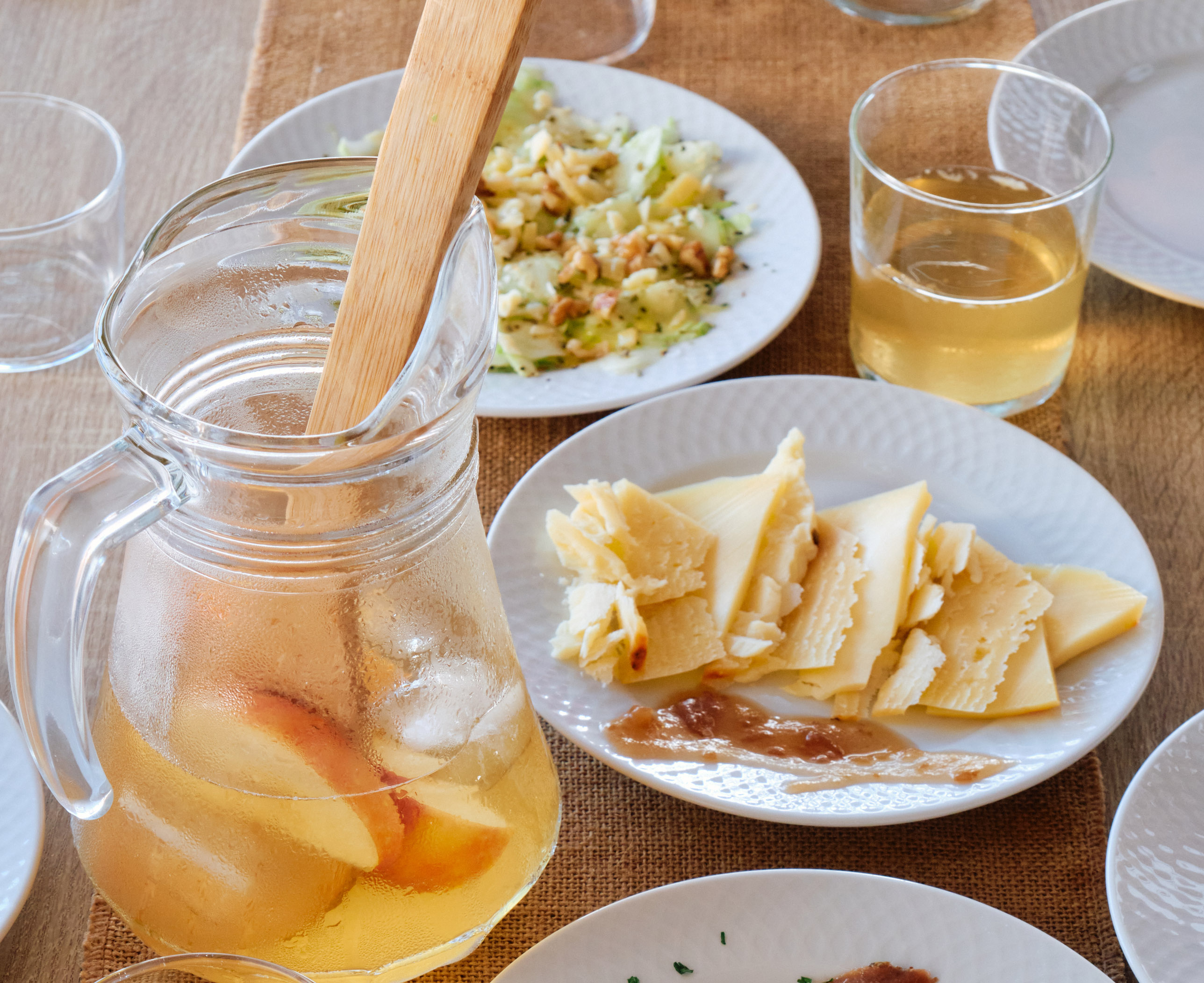
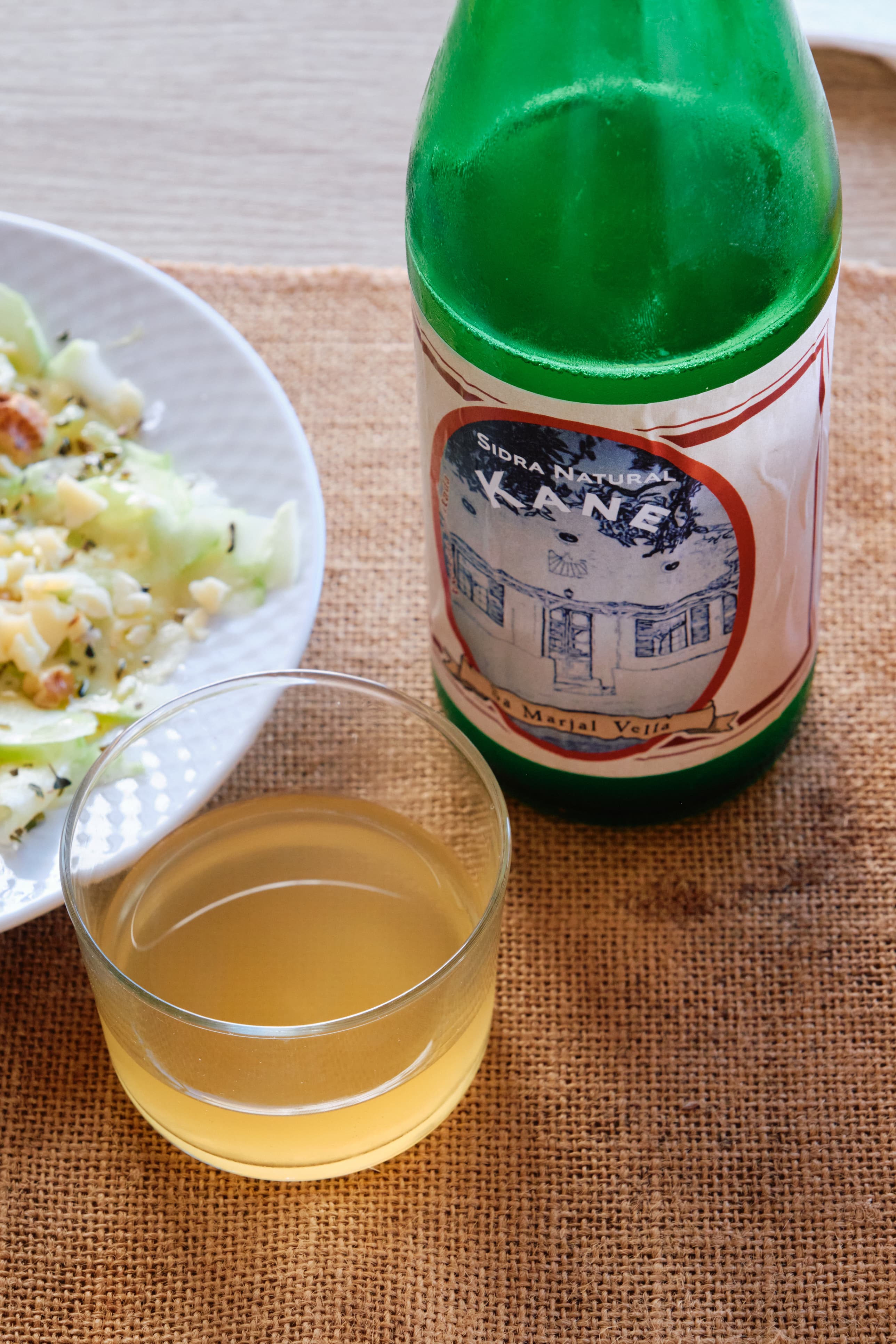
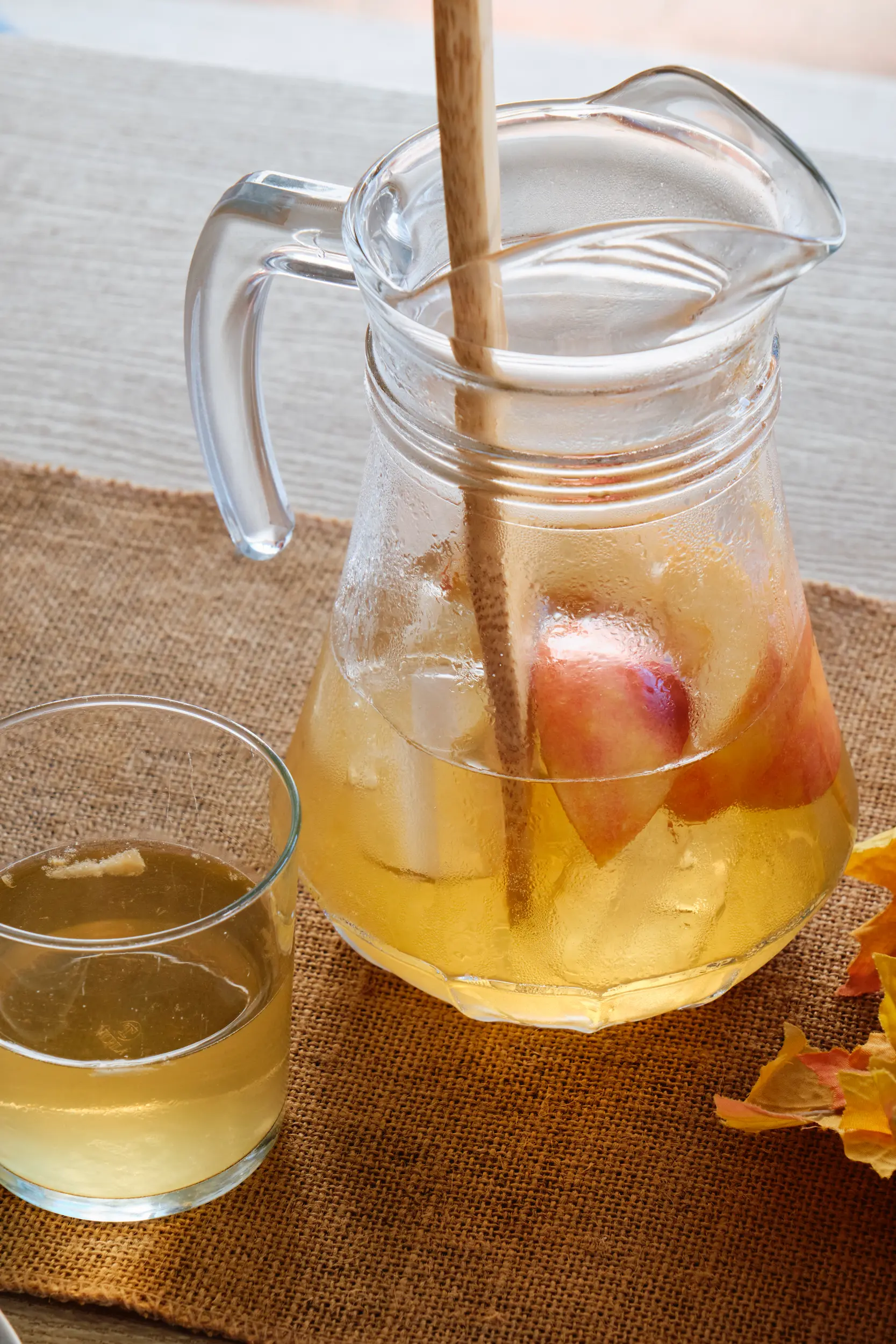
After the tour of the estate, it’s time for the tasting. “I blend six varieties of apple, with a predominance of the Poma d’en Kane, which gives the cider its name: Sidra Kane.” While its profile is similar to that of Asturian ciders, it is much sweeter and less tart. And as Menorca does not yet have a strong cider culture, David also offers a particularly refreshing cider sangria: two-thirds cider, a splash of a fizzy drink such as Seven Up, ice cubes and fresh apple wedges.

In a stressful world where everything is speeding up, rediscovering this rhythm linked to the seasons, the moon and the living world takes on its full meaning. David didn’t just unearth this haven of peace at the end of a dirt track: he reinvented it, glass in hand, amidst his apple trees.

“I taste it regularly, and when I’m happy with the flavour, the cider is ready. For bottling, I wait until the moon is in its last quarter, waning. According to Celtic mythology, this is the best time for bottling."
Photo: Aimery Chemin
Join the conversation
Share your thoughts, tips, and local knowledge with our community
Discuss this story
Related Stories.