Close Search
Mel Caramel: A Passion Project Becomes An Award Winning Honey from Mallorca
- By
Hélène Huret
sustainability 2030
off the island
Mel Caramel: A Passion Project Becomes An Award Winning Honey from Mallorca
Mar 9, 2026
by
Hélène Huret
Mel Caramel: A Passion Project Becomes An Award Winning Honey from Mallorca
sustainability 2030
off the island
Mar 9, 2026
by
Hélène Huret
sustainability 2030
off the island
Mel Caramel: A Passion Project Becomes An Award Winning Honey from Mallorca
Mar 9, 2026
- By
Hélène Huret
Mel Caramel: A Passion Project Becomes An Award Winning Honey from Mallorca
Mar 9, 2026
- By
Hélène Huret
sustainability 2030
off the island
off the island
sustainability
Mel Caramel: A Passion Project Becomes An Award Winning Honey from Mallorca
Mar 9, 2026
- By
Hélène Huret
Photo by Tarek Serraj
O

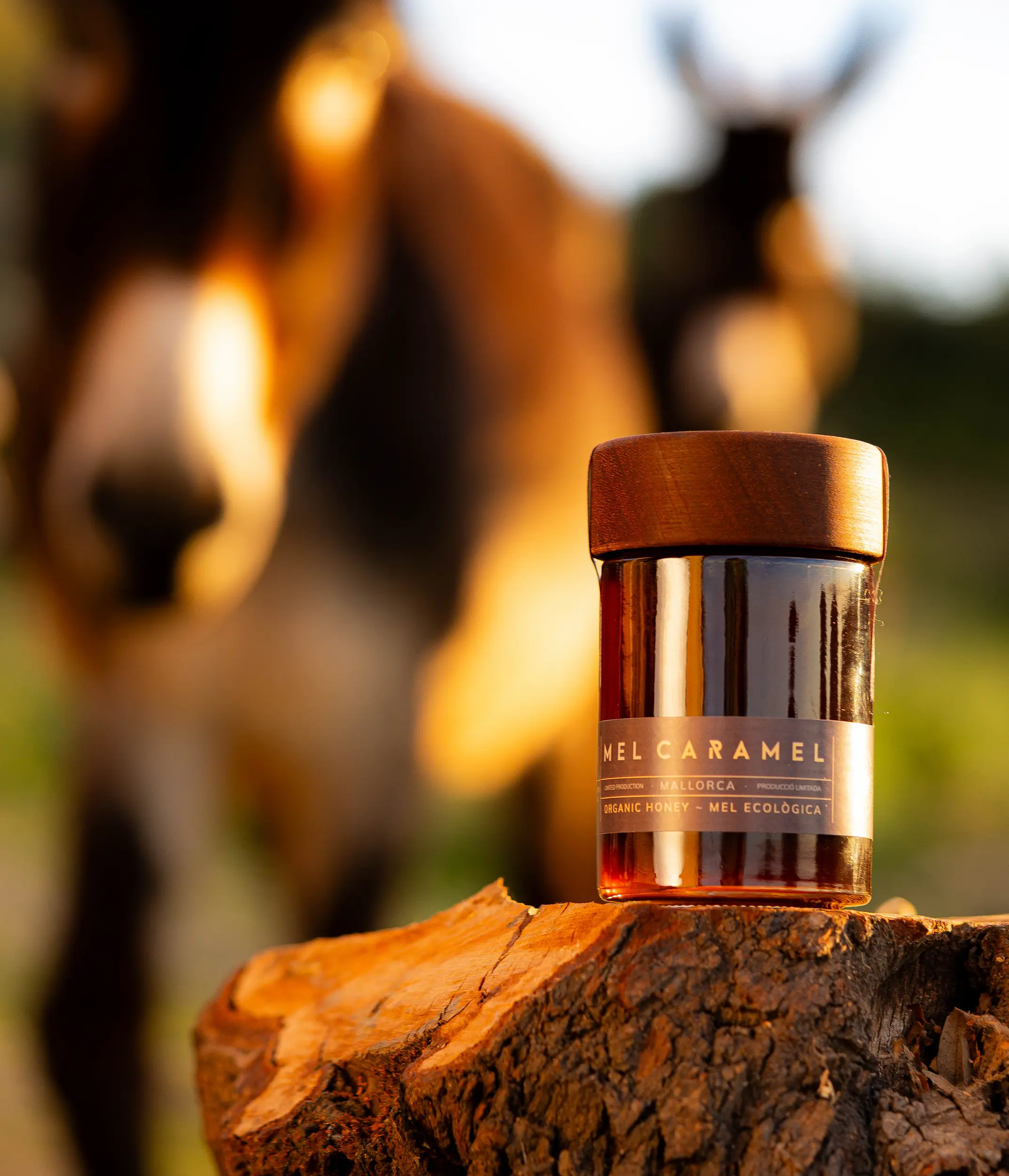
n a rainy January day, I have an appointment with Marti Mascaro Capo, at the entrance to Inca. Six years ago, Marti left his job in the tourist industry to become a full-time beekeeper. This personal passion developed into Mel Caramel, an award winning honey that recently received first prize in the highly renowned Biolmiel international organic honey competition. "My boss had beehives, which he tended to on the weekend, and he talked to me about them every day during the week. I got into it, started with a few hives, and then decided to do nothing else, much to my parents' dismay!" In Mallorca, beekeeping has never been a profession. Families, especially those on large fincas, owned a few hives and produced honey for their own consumption, mainly for the winter.

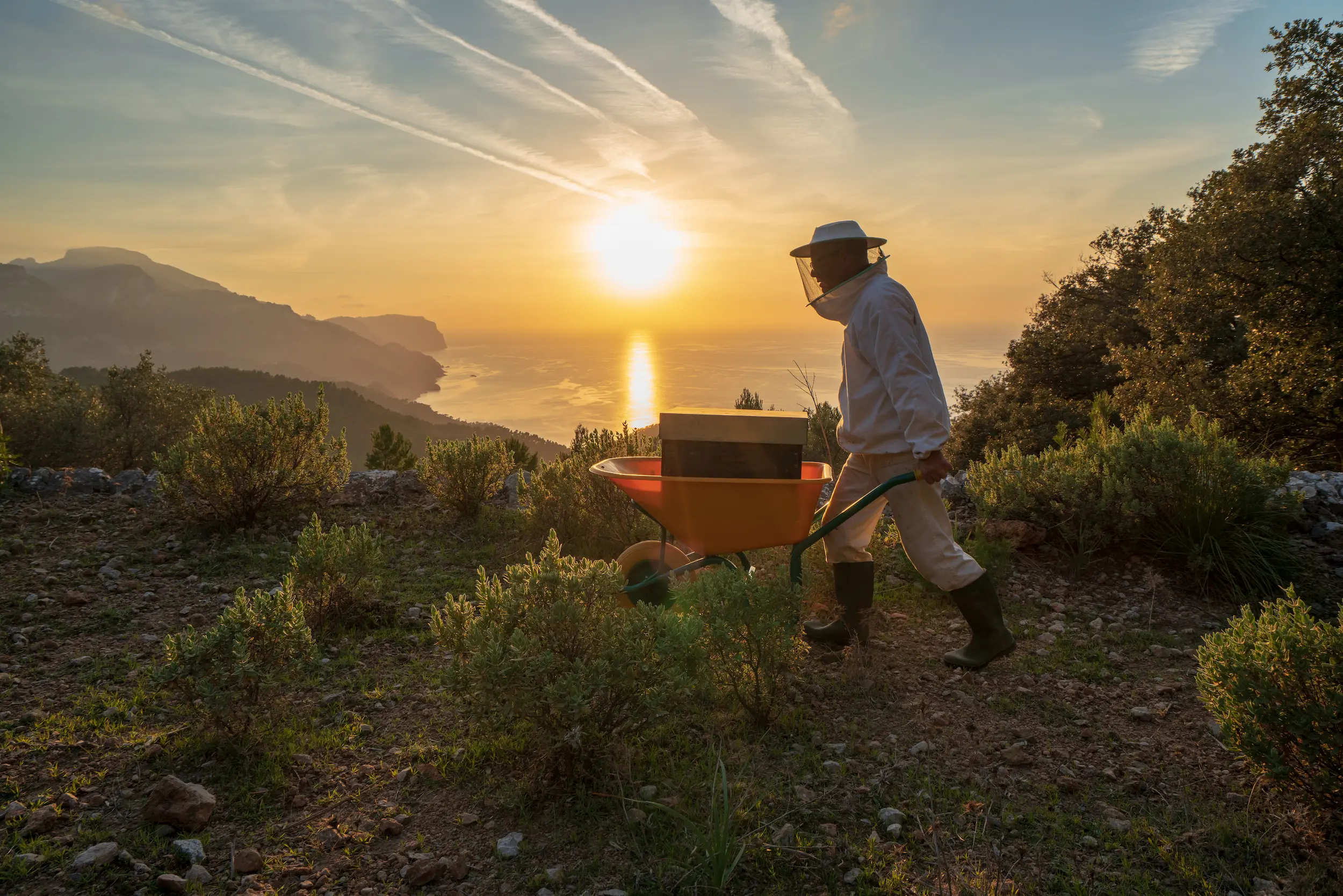
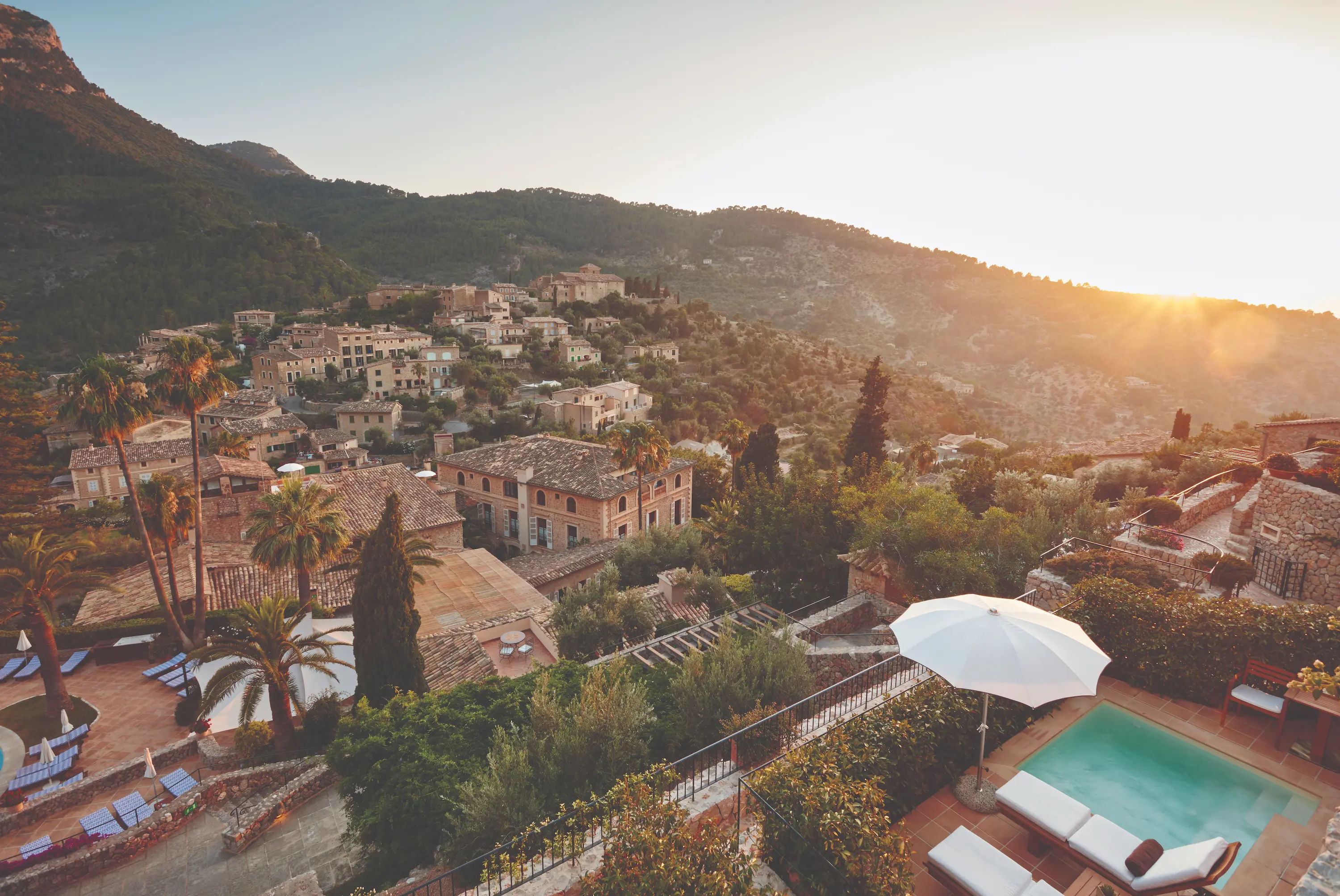
Marti is fascinated by the social organisation of bees and dreams of working in nature. He sets up his hives on public land that is very dear to the hearts of Mallorcans, such as Son Real, Galatzó and Planícia, but also on private property and at renowned hotels such as Cap Rocat and Son Bunyola. These locations are often situated in the Tramuntana mountains, where nature is sublime. Marti only chooses beautiful, unspoilt sites... regardless of the distance.

Mel Caramel produces exclusively organic honey. This means that within a three-kilometre radius of the hives, there must be no treated fields or even chlorinated swimming pools. Marti then chooses a location that is sheltered from the wind and sunny in the morning so that the bees can start working early. “Today,” explains Marti, “I have 400 hives installed in 25 to 30 different locations. I produce and sell honey by finca. Each one has a different taste because each location is dominated by a particular flora.”
W

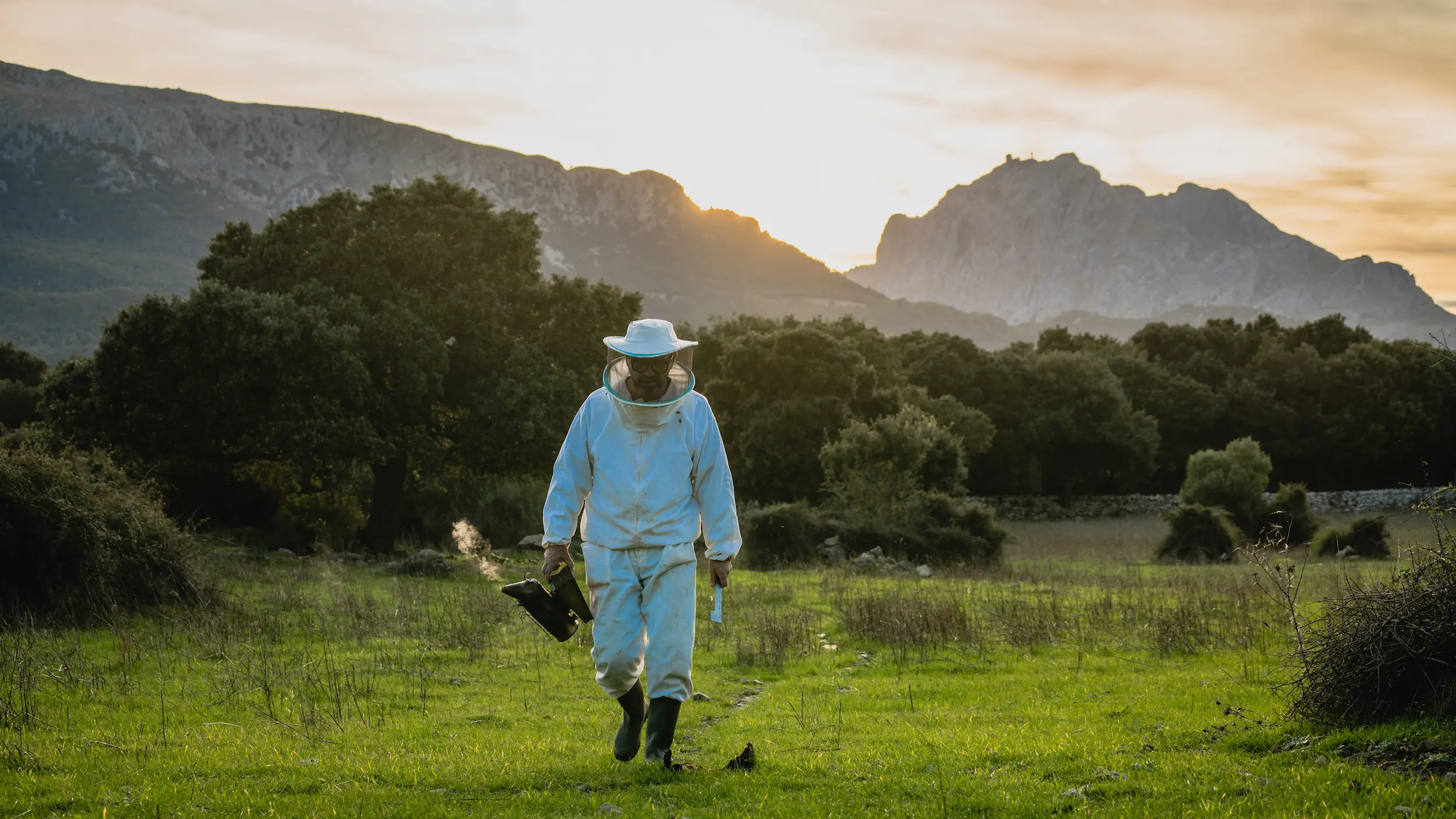
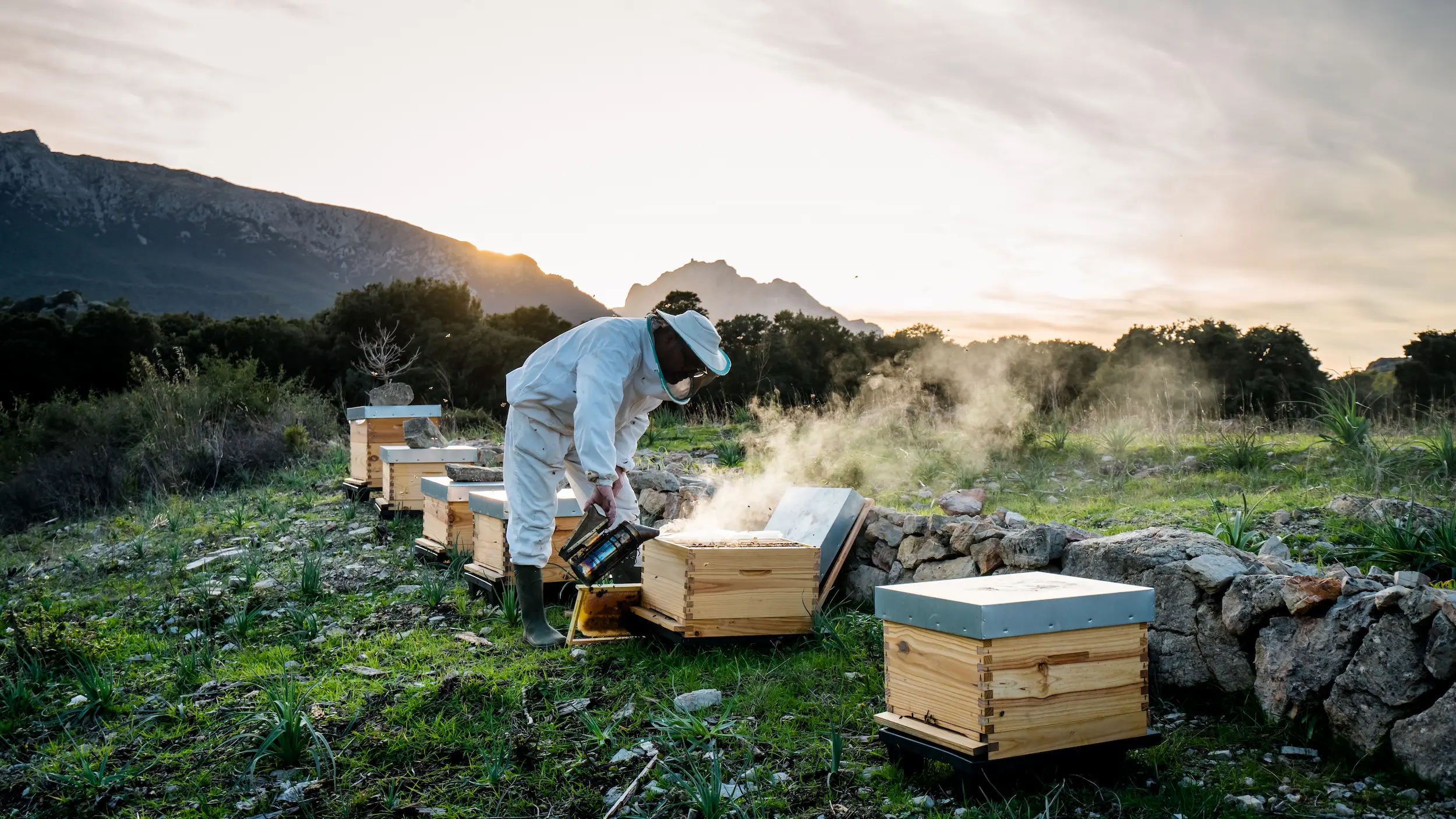
earing a woolly hat pulled down over his bald head and thick black-rimmed glasses, Marti drives us to Monnaber Vell, an agroturismo where he keeps a few beehives. The name Monnaber Vell comes from Arabic and means ‘mountain of flowers’. The path winds through the foothills of the Tramuntana mountains; the hives stand on rocky, limestone ground where sheep graze among carob trees, olive trees, a few fig trees and asphodels, which have not yet bloomed in January. "Ten years ago, there were lots of almond trees here. Everything looked like it was covered in snow, but they are disappearing. Many have died and those that remain produce only a few flowers. “They are being replaced,” Marti continues, “by American varieties. But for the bees, it's not the same: the Mallorcan varieties bloom in January, while the American ones only bloom in March."

“In winter,” Marti continues, "my job is to check that the bees have enough honey reserves and make sure they are not sick." If conditions are bad — too cold or rainy for several days in a row — the bees can no longer forage outside. They must then have enough reserves to survive inside the hive. If necessary, Marti adds food that is authorised in organic beekeeping.

“In spring, I add tiers to the hives so that the bees have enough space to store honey,” Marti explains. At this time of year, the fields and undergrowth are adorned with a multicoloured blanket of red, yellow, purple and white petals. The flowers bloom in stages, with one variety giving way to the next. In the morning, a few scout bees inspect the surroundings. Back at the hive, they communicate with the other workers to tell them where to go that day. This is called floral fidelity: throughout the day, the bees will pollinate a single variety of plant. “Without this staggered flowering,” notes Marti, “the bees would not be able to pollinate all the flowers.”  The most challenging period remains summer, as flowers are scarce. With climate change, the heat can set in as early as May and persist until the end of September or even October. “Ideally, we would need a little rain—not the torrential downpours that Mallorca experiences—followed by sunshine.” But, as Marti philosophises, “there is no such thing as ideal."

Marti starts harvesting honey in June. “Bees make honey for themselves, but as they are tireless workers, they always produce more than they need.” However, it is important to realise the scale of their task: a single teaspoon of honey represents the work of ten bees over their entire lifetime! Marti brings the hives back to his home to extract the honey in a closed space. “Otherwise,” he explains, “the bees would smell the honey and go crazy; they would kill each other to get it.” Honey must be stored in a place with a stable temperature. If it is subjected to significant temperature fluctuations, its taste and texture will be altered, which will affect its quality.

“Today, I have 400 hives installed in 25 to 30 different locations. I produce and sell honey by finca. Each one has a different taste because each location is dominated by a particular flora.”
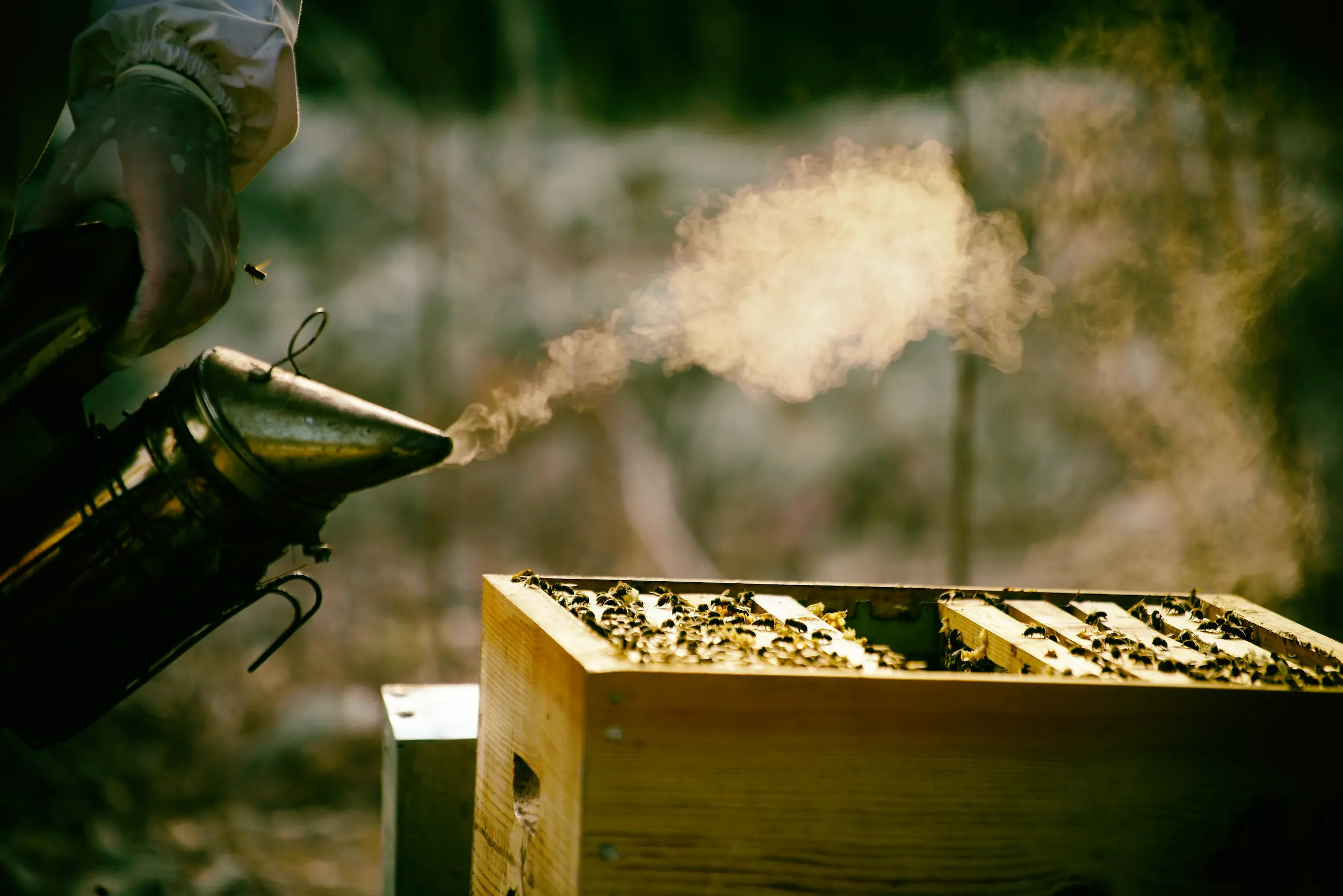
Photo by Tarek Serraj
Related Stories.