Close Search
The Eclipse Mallorca Had Been Waiting 121 Years To See
- By
Mario Flores
sustainability 2030
off the island
The Eclipse Mallorca Had Been Waiting 121 Years To See
Aug 10, 2026
by
Mario Flores
The Eclipse Mallorca Had Been Waiting 121 Years To See
sustainability 2030
off the island
The Eclipse Mallorca Had Been Waiting 121 Years To See
Aug 10, 2026
- By
Mario Flores
The Eclipse Mallorca Had Been Waiting 121 Years To See
Aug 10, 2026
- By
Mario Flores
sustainability 2030
off the island
off the island
sustainability
The Eclipse Mallorca Had Been Waiting 121 Years To See
Aug 10, 2026
- By
Mario Flores
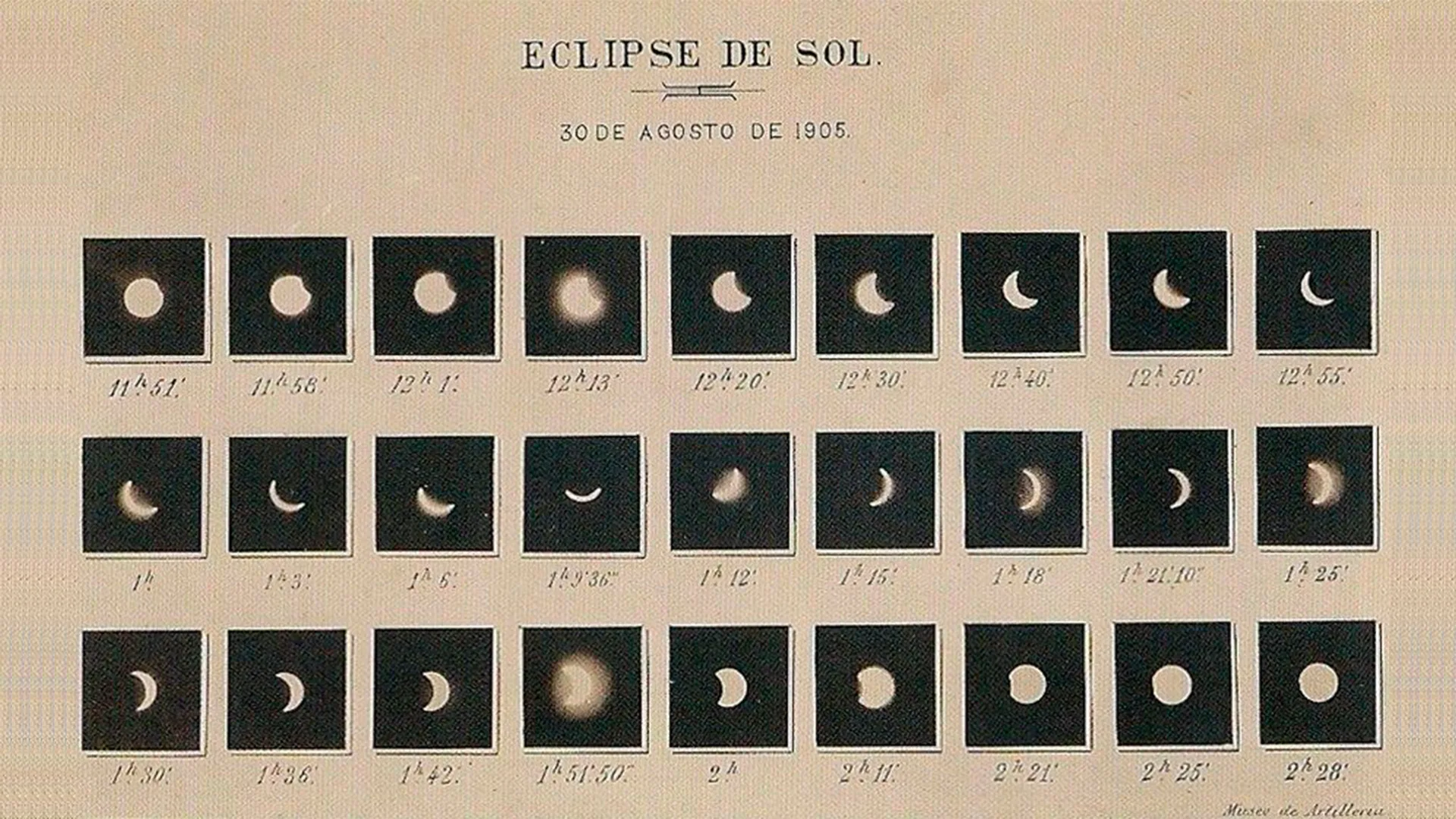
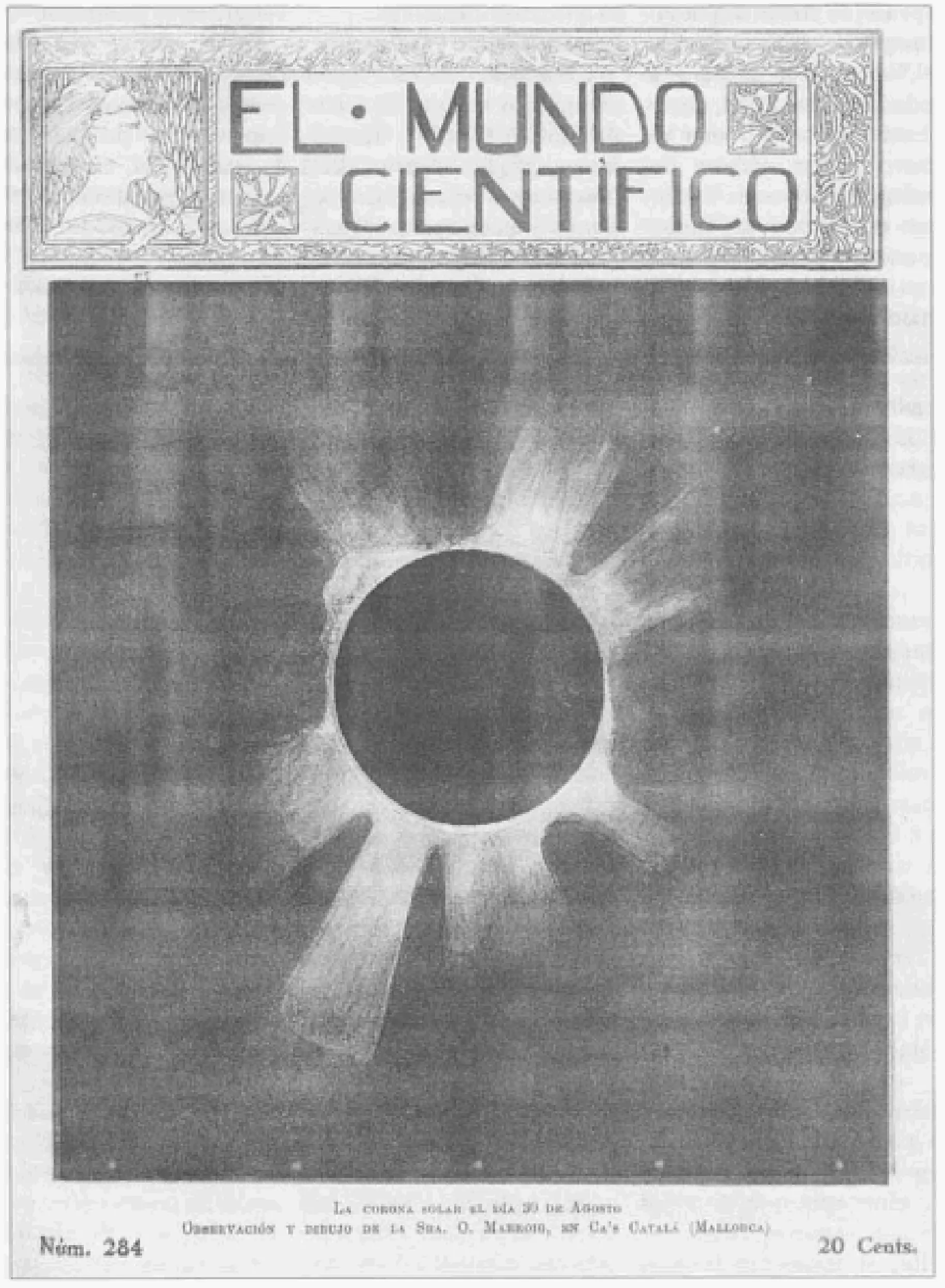
Archival Image from the eclipse in 1905
F

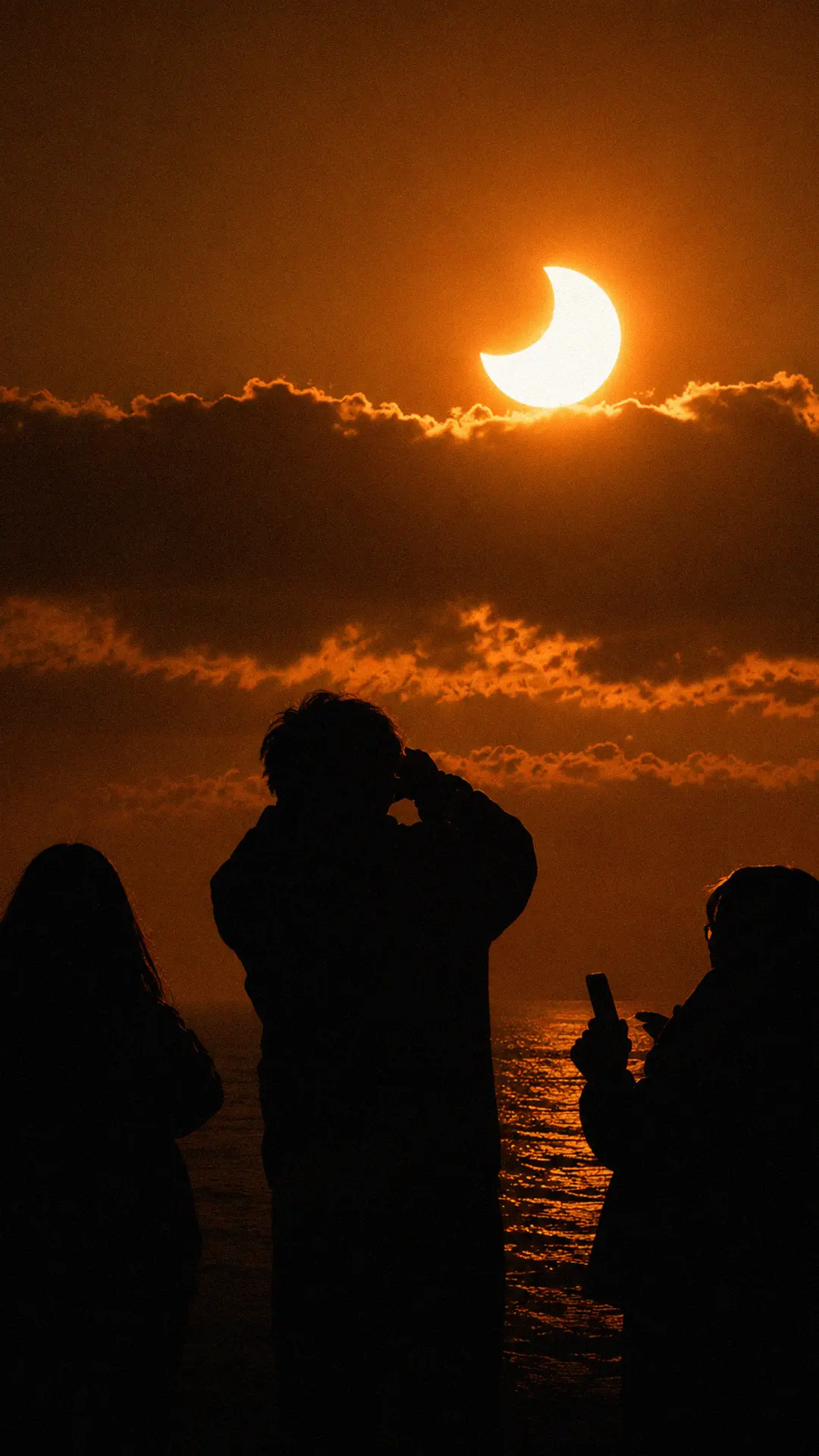
or a minute and a half, the Moon's shadow will transform the light and the landscape of Mallorca — and perhaps also the way we look at the sky. For much of the afternoon of August 12th, nothing extraordinary will seem to be happening on the island. The Sun will keep sinking toward the west and summer will carry on at its own pace. But at 7:38 PM, a shadow will slowly begin to take over the solar disk. During the first few minutes, you'll probably have to look closely to notice it. The Moon will keep gaining ground, and meanwhile the island will go on functioning like any other August afternoon. The difference will be in the light. Little by little it will lose intensity and start to feel strange, as if the colors had shifted in tone.

For 96 seconds, the sky will darken in the middle of sunset, and a light that normally stays hidden will appear around the disk. It will be just over a minute, but that will be enough for Mallorca to fall under the Moon's shadow. Then the Sun will reappear and the afternoon will continue toward the west. The island will look the same again — though those who looked up will know that, for an instant, it wasn't.

For Gaspar Juan Salom, who has spent more than forty years watching the sky, it won't be just another afternoon either. Juan Salom is a teacher, science communicator, member of the Seminari d'Astronomia (SPAAIS), and co-author of El nostre cel al llarg de l'any. Since 1983 he has observed the sky from a house between Puigpunyent and Galilea, where he built an astronomical dome next to an old tool shed. "The observatory is my home," he says. His relationship with astronomy began as a child, when his father taught him to recognize a few constellations. He continued exploring the sky, at first with little more than a pair of binoculars. Years afterward he would teach an astronomy workshop for young people for two decades, advising them to start the same way: without big investments, and with someone to help them understand what they were seeing.
"I'

ve been at this for forty years and I still never finish," he admits. And yet, he has never seen a total solar eclipse. Although they occur periodically somewhere on the planet, totality can only be observed from a very narrow band. "Having the Moon's shadow pass right over you is very rare," he explains.
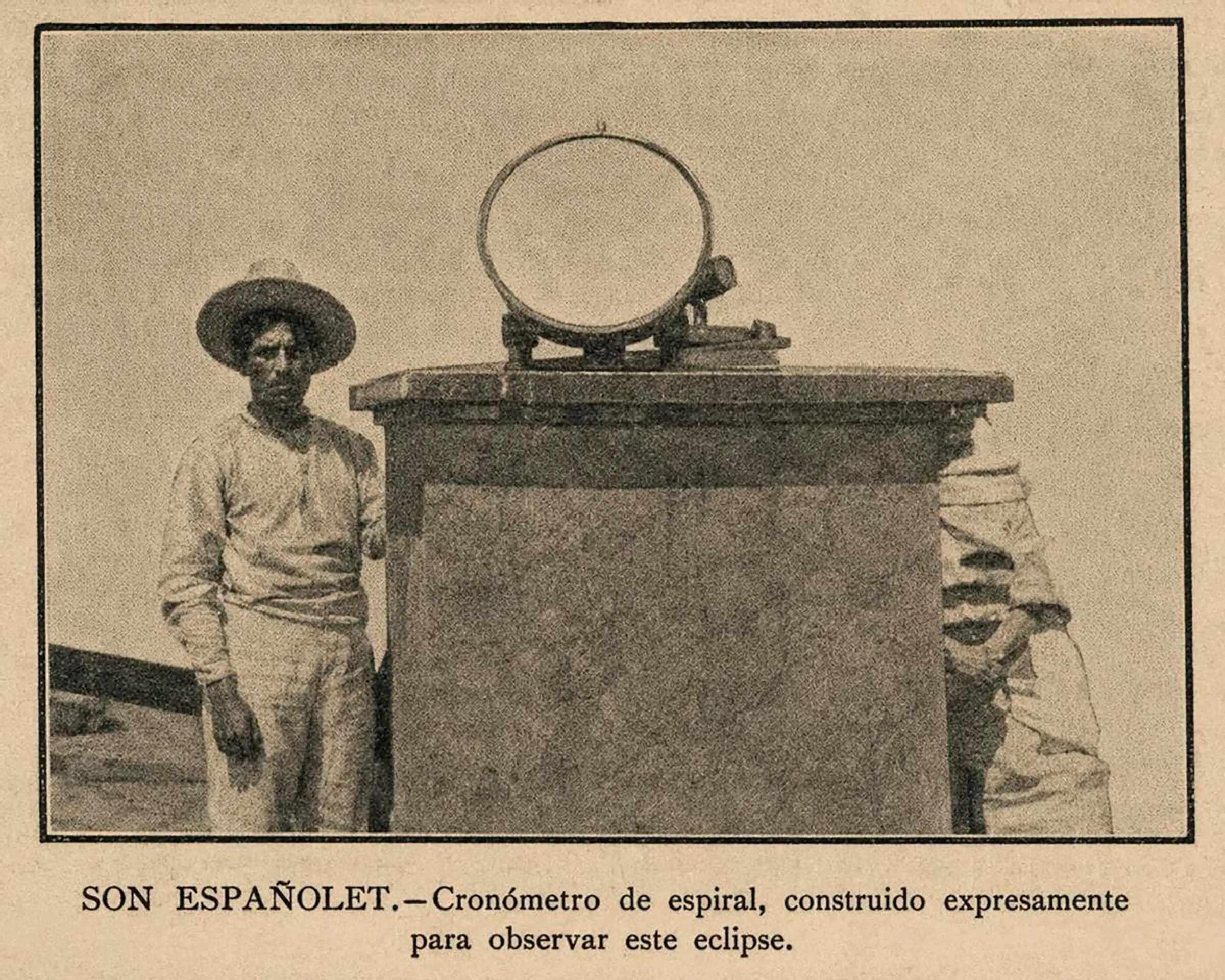
The last time that shadow crossed the Balearic Islands was in 1905. The next time won't come until 2180. Between those two dates, several generations will not have had the chance to experience a total eclipse from the islands. Totality will last 96 seconds, but the eclipse will have begun nearly an hour earlier. Starting at 7:38 PM, the Moon will slowly advance across the Sun. For much of that time, the change will be easier to notice on the solar disk than in the landscape. Once less of the surface remains lit, the light will begin to behave in an unusual way.

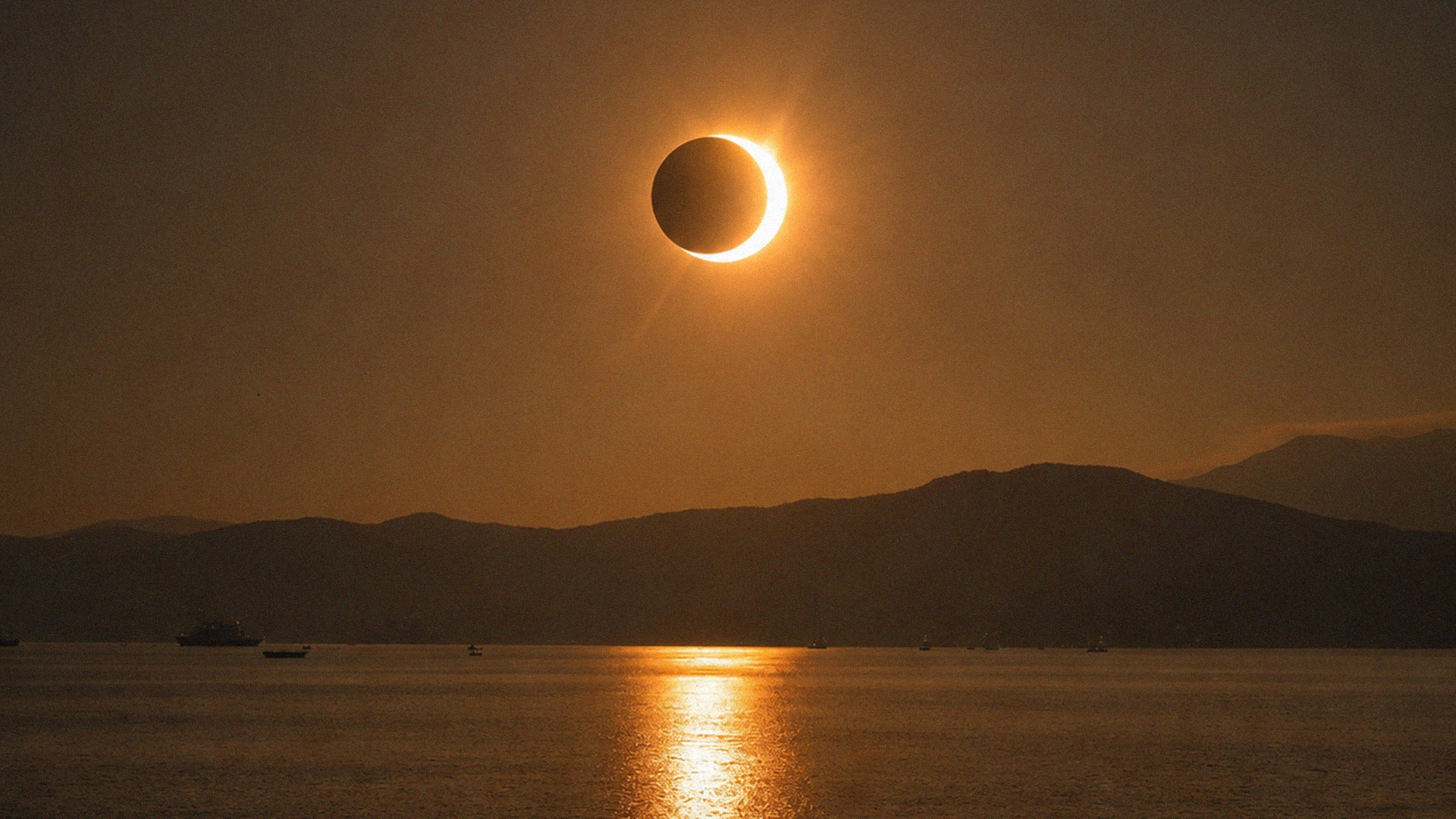
It won't be quite like sunset light, nor like an overcast day. It will lose intensity without gaining the warmth typical of late afternoon. Colors will look more muted, shadows will sharpen, and the temperature may drop slightly. The last seconds before totality will bring some of the most striking phenomena. The Moon's surface isn't smooth — it's made up of mountains, craters, and valleys. When only a thin sliver of the Sun remains, its rays will pass through those uneven edges and appear as tiny points of light. These are called Baily's beads. When almost all of them vanish and a single point of light remains, the image will briefly resemble a ring with a bright gem — hence its name, the diamond ring effect. It will be the last direct ray before the Moon completely covers the Sun. Then the solar corona will appear. It's always there, extending around the Sun, but the glare of its surface normally keeps it hidden. Only when the Moon blocks it entirely is that whitish, irregular, faint envelope revealed, sometimes extending beyond the dark disk.

During those 96 seconds, the eye won't need to stay fixed only on the sky. The horizon may take on orange tones in every direction, as if sunset were surrounding the island. Some stars and planets may become visible in broad daylight. Birds and insects may also react to the sudden darkness, becoming less active or seeking shelter as if night had arrived early. Afterward, a first point of light will appear on the other side of the Moon. The diamond ring will happen again in reverse, the corona will vanish once more beneath the glare, and the day will begin to rebuild itself.

"Having the Moon's shadow pass right over you is very rare," he explains. The last time that shadow crossed the Balearic Islands was in 1905. The next time won't come until 2180."
Archival Image from the eclipse in 1905
Join the conversation
Share your thoughts, tips, and local knowledge with our community
Discuss this story
Related Stories.