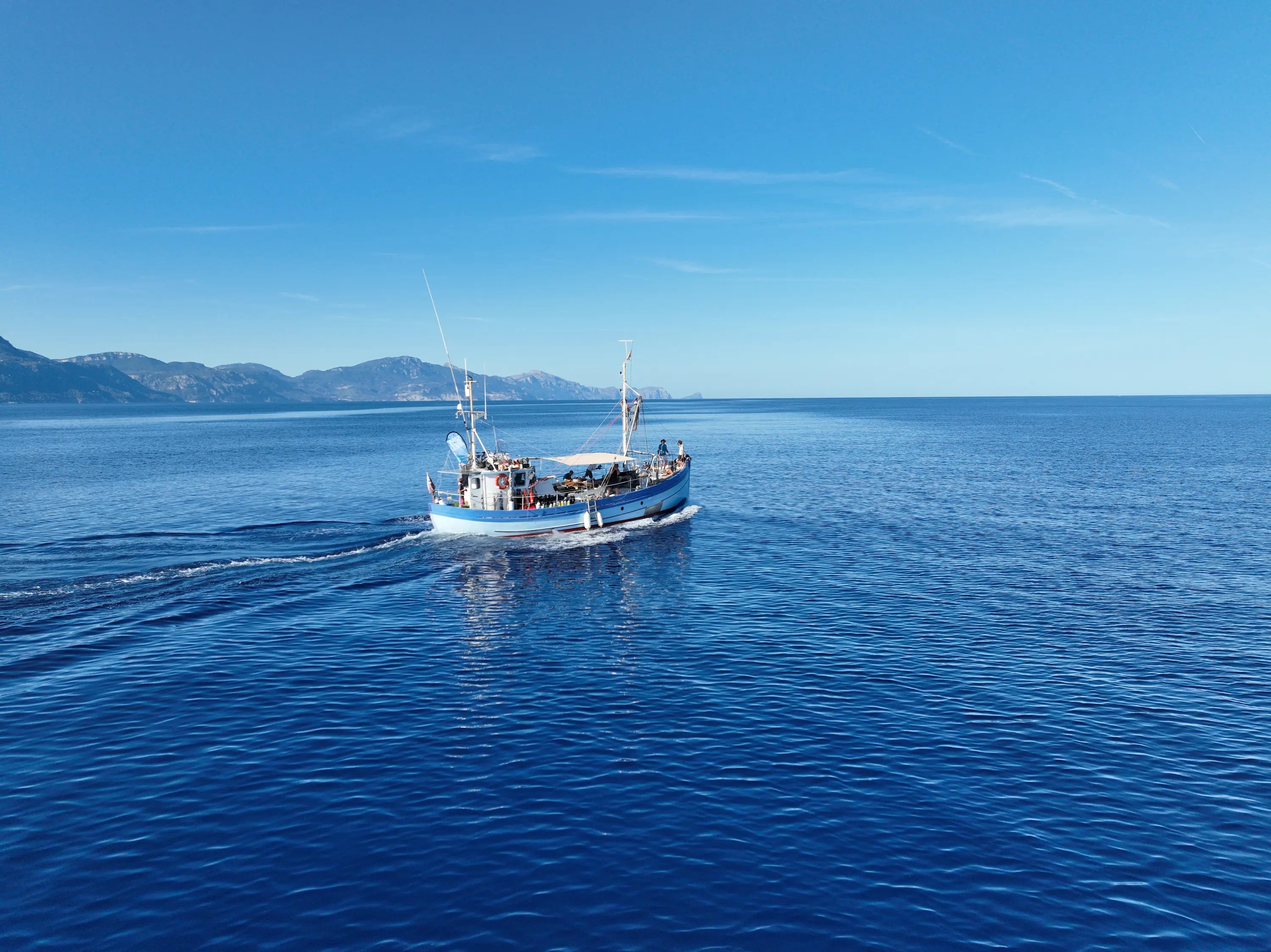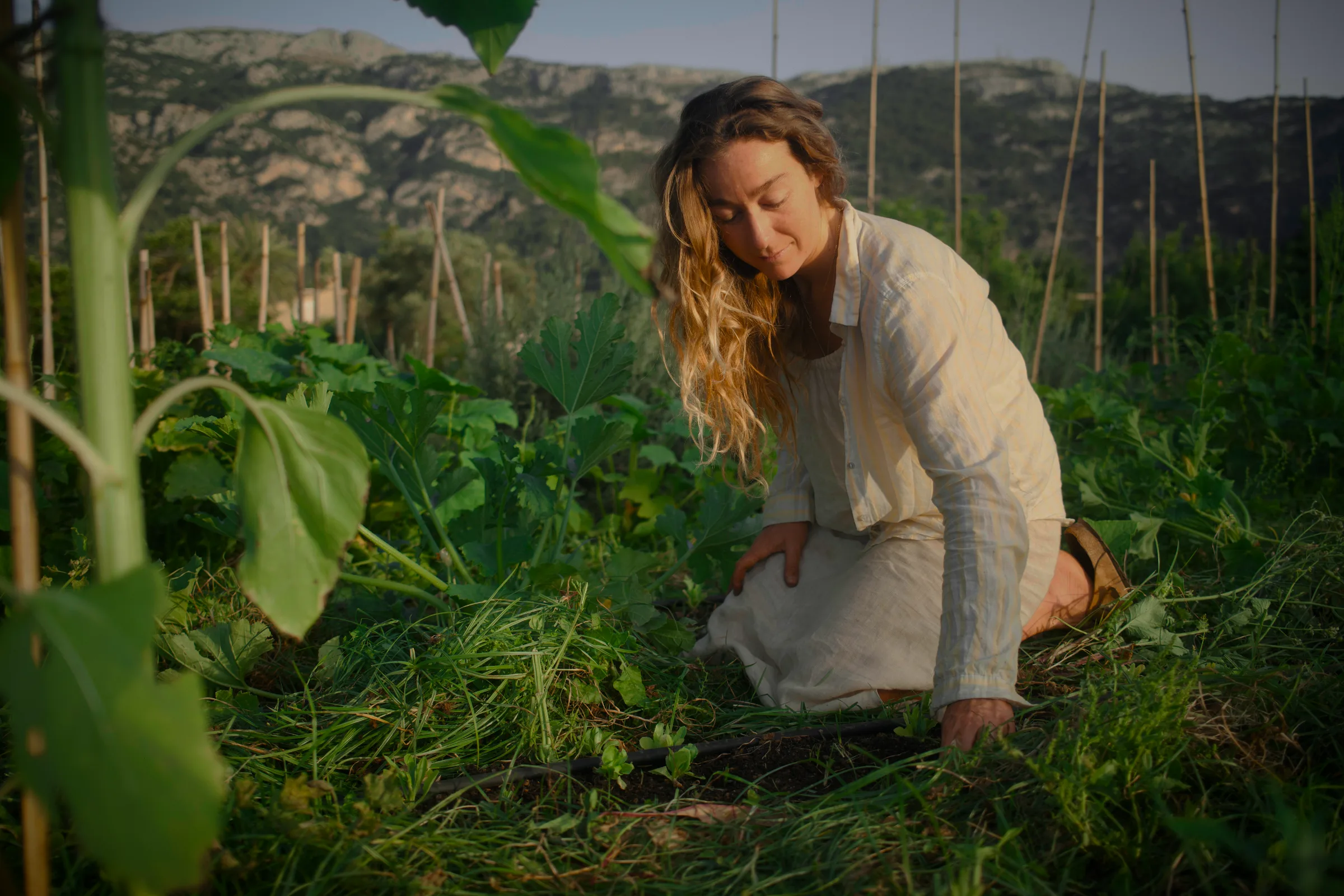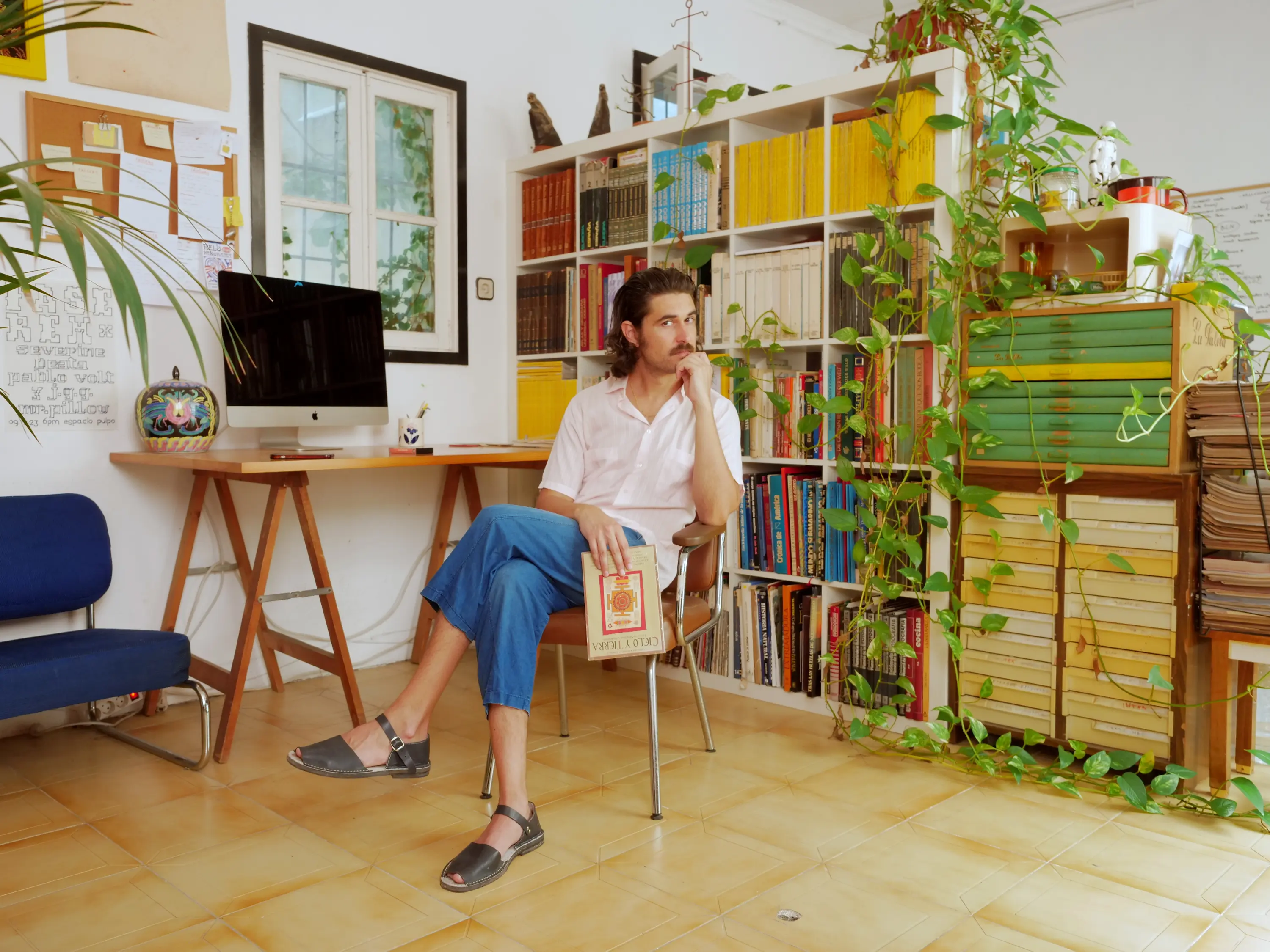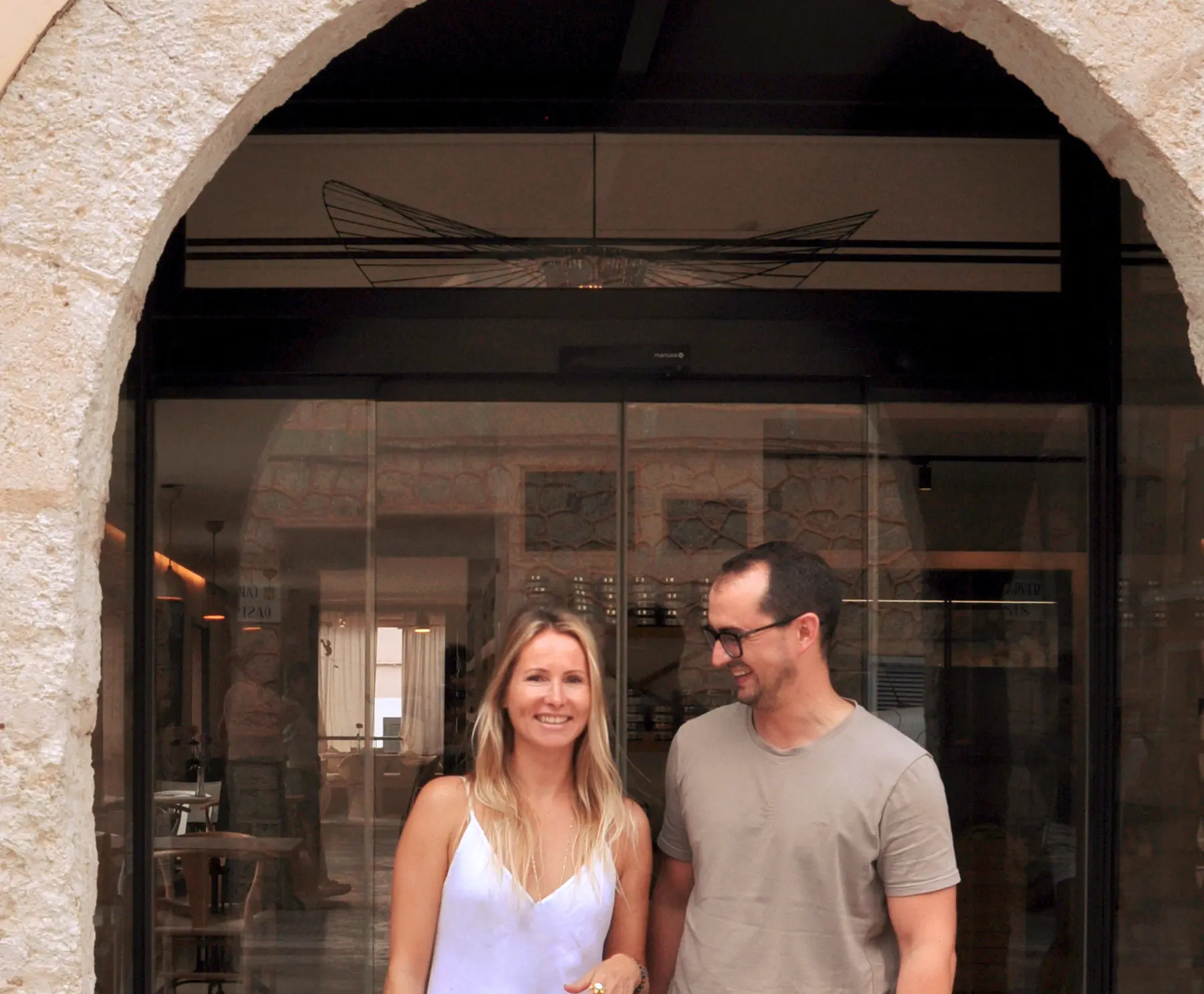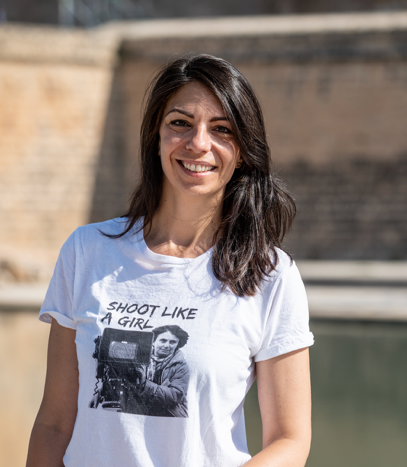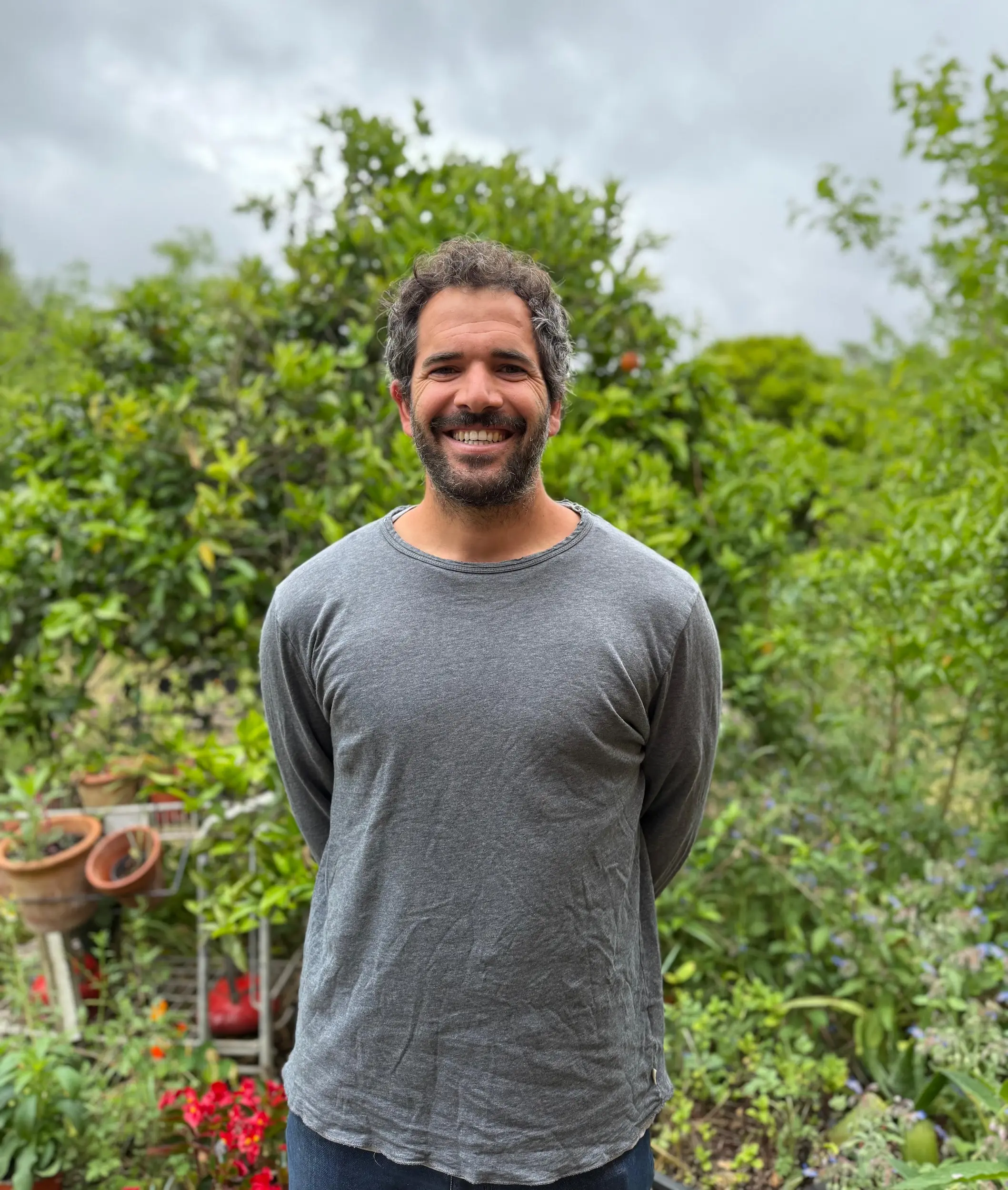
The Aliança Mar i Terra or Land and Sea Alliance is a network of organizations working toward the ecological, social, and economic regeneration of our region, from the mountains to the coast. It currently consists of seven organizations working across different areas, spread throughout the island, though concentrated mainly in the Tramuntana range. We have APAEMA, the Association of Agroecological Products of Mallorca; Arrels Marines, a marine organization based in the Bay of Pollença; CERAI, focused on rural culture and food sovereignty; FIM – Fundació Iniciatives del Mediterrani, which runs various sub-projects such as Regenera Deià, Pla XXI, Palma XXI, and Tramuntana XXI. Then there's Save the Med, focused on the sea; PermaMed working on permaculture across the island; and the Fundació Vida Silvestre Mediterrània in Campanet and the Ariant Reserve. And the idea is for more folks to join us in time.
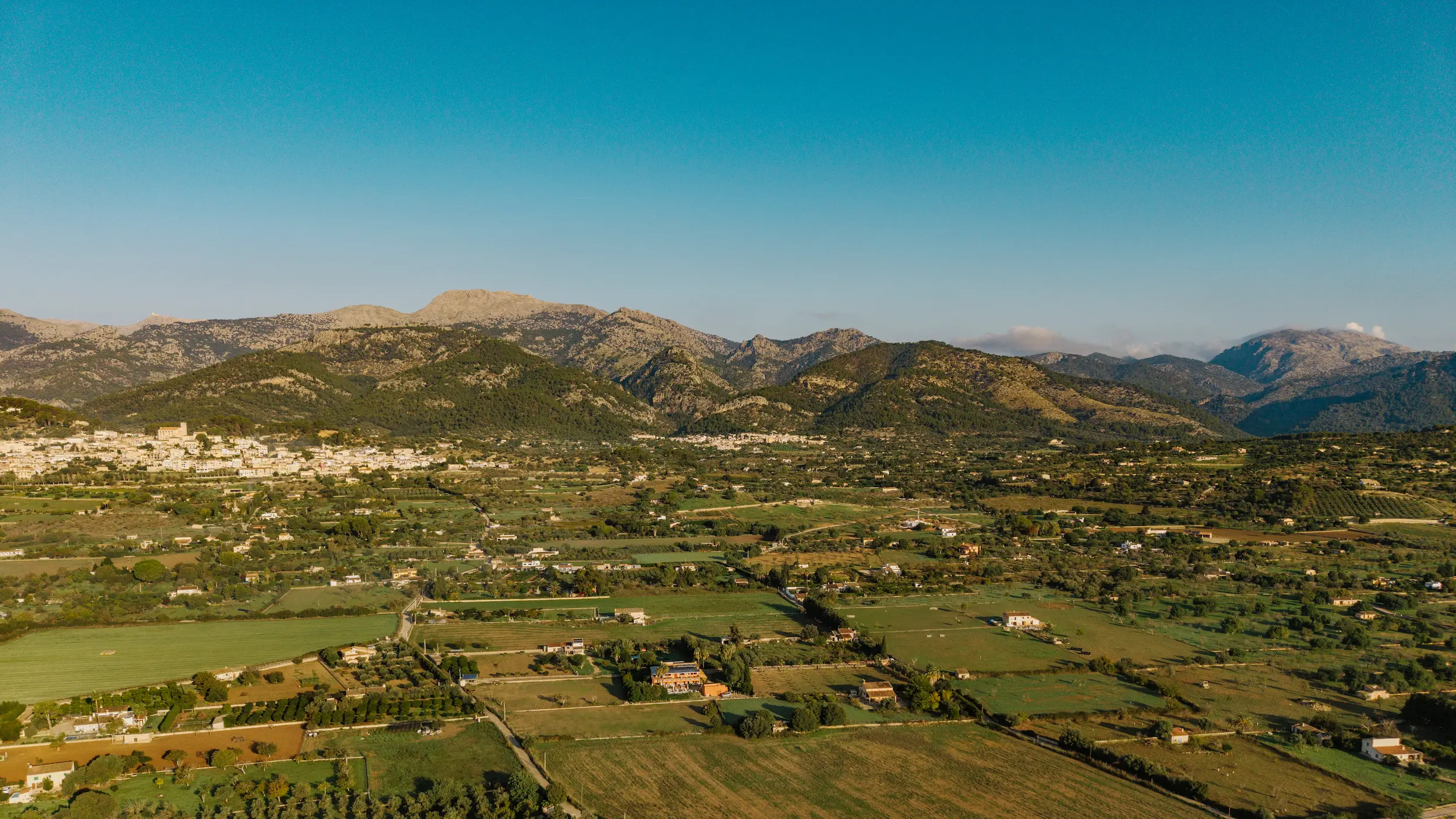

As Mallorca faces a historic turning point due to the water crisis, land degradation, and the weakening of social cohesion, the Aliança was founded to mitigate the effects of this situation. It proposes moving away from viewing the sea and land as separate entities and instead seeing them as interconnected. Recognizing that protection and active restoration extend from the Serra Tramuntana mountains to the seabed where Posidonia thrives, we understand that the health of the sea depends on the health of the land. With this notion in mind, a series of conversations began between various actors — Miquel Ramis and Daniel Wahl started developing the concept at the end of 2020, identifying organizations that might want to be involved. That's when Brad Robertson from Save the Med joined. By late 2022, this first core group came together to draft a landscape plan, or bioregional regeneration proposal to unify projects across the territory, and eventually include other actors on the island.
We base our work on Commonland’s “4 Returns framework, which focuses on restoration at the bioregional level using four pillars that we’ve adapted to Mallorca: agroecological and marine regeneration, community and governance, regenerative economy, and inspiration and action. So, the work we’ve done has been to define the objectives for each of these strategic lines, integrating the organizations’ ongoing projects and the collaborations between them. This Fall, building on this initial proposal, we’ll begin to involve different stakeholders across the island—from both the public and private sectors—to move from a proposal to an island-wide regeneration plan.
Our initiative is unique and somewhat more complex because we combine land, sea, and the people who live here. It is important to note that the word “landscape” is often conceived as a natural setting that excludes people. That is why we speak of the territory, as it is a more inclusive term and closer to the eco-social work we do. With seven very powerful and active organizations, we are uniting our efforts under a single narrative: A drop of water that falls on Puig Major, flows down the Tramuntana mountains, and reaches the farms of the Pla and the sea. And so, how we do things on land greatly influences whether this drop can reach the sea in good health.


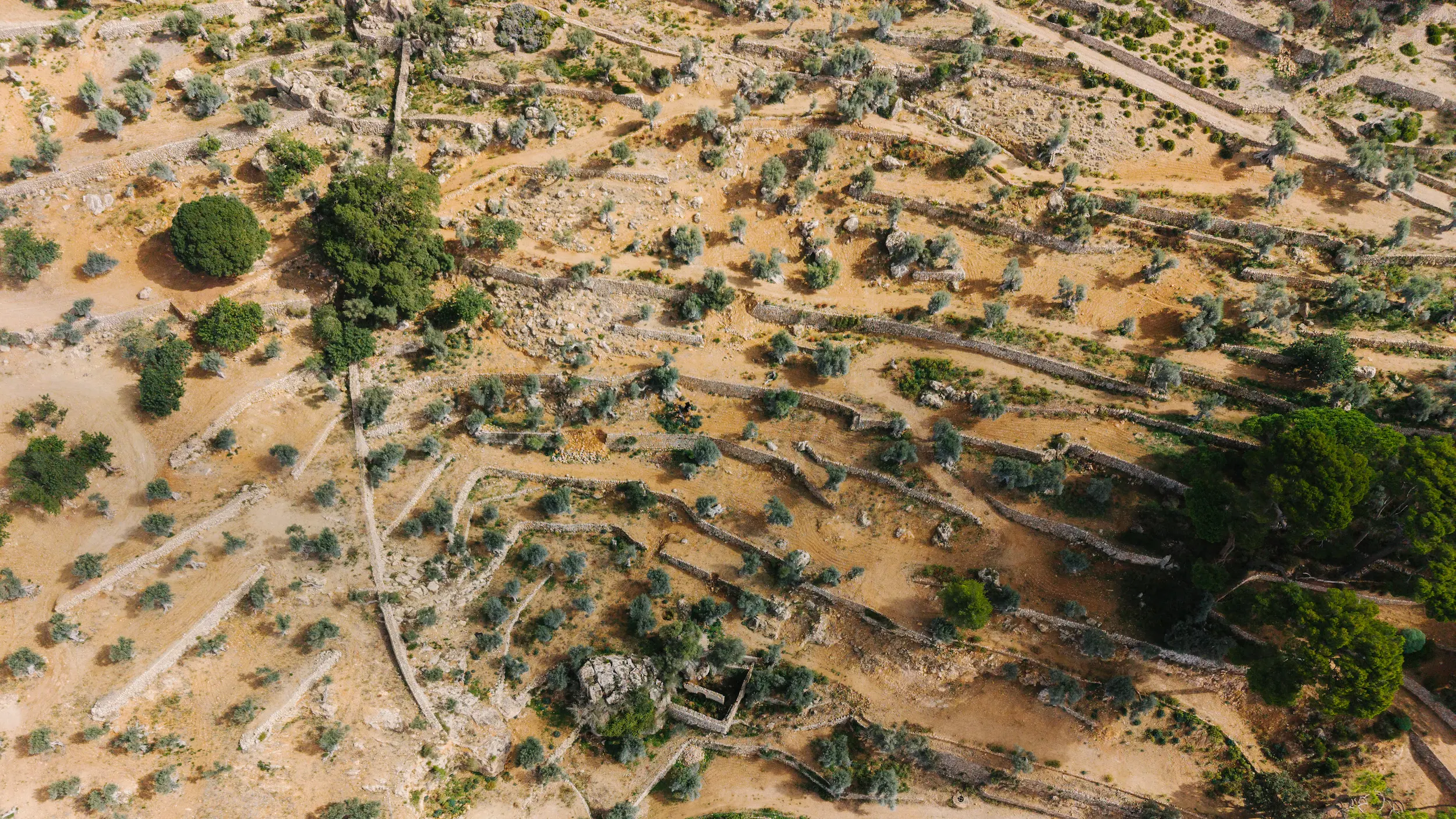
The pilot project, launched in 2024, is the Projecte Pilot Blau — a real-scale intervention laboratory connecting the replanting of Posidonia seagrass with the reduction of pollutants reaching the sea from farms. Arrels Marines is working on replanting Posidonia in Cala Murta and Aucanada, while APAEMA supports farms in transitioning to organic production. PermaMed promotes methods for grey water reuse. And Save the Med supports civil society participatory processes, alongside the marine organizations.
In the case of the Ariant Reserve run by the Fundación Vida Silvestre Mediterrània, the focus is on conserving the black vulture and local biodiversity, and on proper land management. They draw on APAEMA's knowledge for a transition to ecological agriculture, and through their BioTramuntana project, share land management knowledge with other farms across the mountain range.
The most significant project under the regenerative economy pillar is APAEMA's Eco Food Hub — conceived as a strategic space to centralize supply, logistics, processing, and sales, driving agroecological growth to scale across Mallorca. It will consist of a fully equipped facility offering shared distribution and processing services for organic local produce. It will also include a farm shop, a tasting space, training rooms, and an experimental farm to create direct synergies between various projects on the island.
Exactly. We gather the expertise and ongoing actions of each organization and, under a shared vision of regeneration at landscape and territorial scale, align them to maximize impact. We're not creating something new, we're connecting and amplifying what already exists. There is also a very important element of mutual support here. In the third sector, it's hard to survive, to make ends meet. This network provides support, and also makes it possible to access levels of funding that a single organization would struggle to reach on its own.
Exactly. We meet monthly and people leave with their batteries recharged. We share challenges, find synergies, and exchange resources and knowledge at every level, from finance to governance. Under the inspiration pillar, we want to promote the joy of doing things well, and of seeing life in a more interconnected way.
The member organizations each have their own training and volunteering programs, accessible through our website under the About Us section. We are also seeking funding to launch Mar i Terra Moviment: an annual calendar of events across all member organizations, which will serve as an integrated volunteering program spanning several organizations across the territory of Mallorca. You'll be able to replant Posidonia, attend a permaculture workshop, or take part in food sovereignty sessions, all through a single platform. We invite you to get to know us and join our efforts. Willing hands, ready to be allies in the eco-social regeneration of our island are always welcome.