Close Search
Almonds of Mallorca: From Delicate Blossoms to Culinary Delights
- By
Laura Pott
sustainability 2030
off the island
Almonds of Mallorca: From Delicate Blossoms to Culinary Delights
Feb 9, 2026
by
Laura Pott
Almonds of Mallorca: From Delicate Blossoms to Culinary Delights
sustainability 2030
off the island
Almonds of Mallorca: From Delicate Blossoms to Culinary Delights
Feb 9, 2026
- By
Laura Pott
Almonds of Mallorca: From Delicate Blossoms to Culinary Delights
off the island
sustainability
Almonds of Mallorca: From Delicate Blossoms to Culinary Delights
Feb 9, 2026
- By
Laura Pott
E

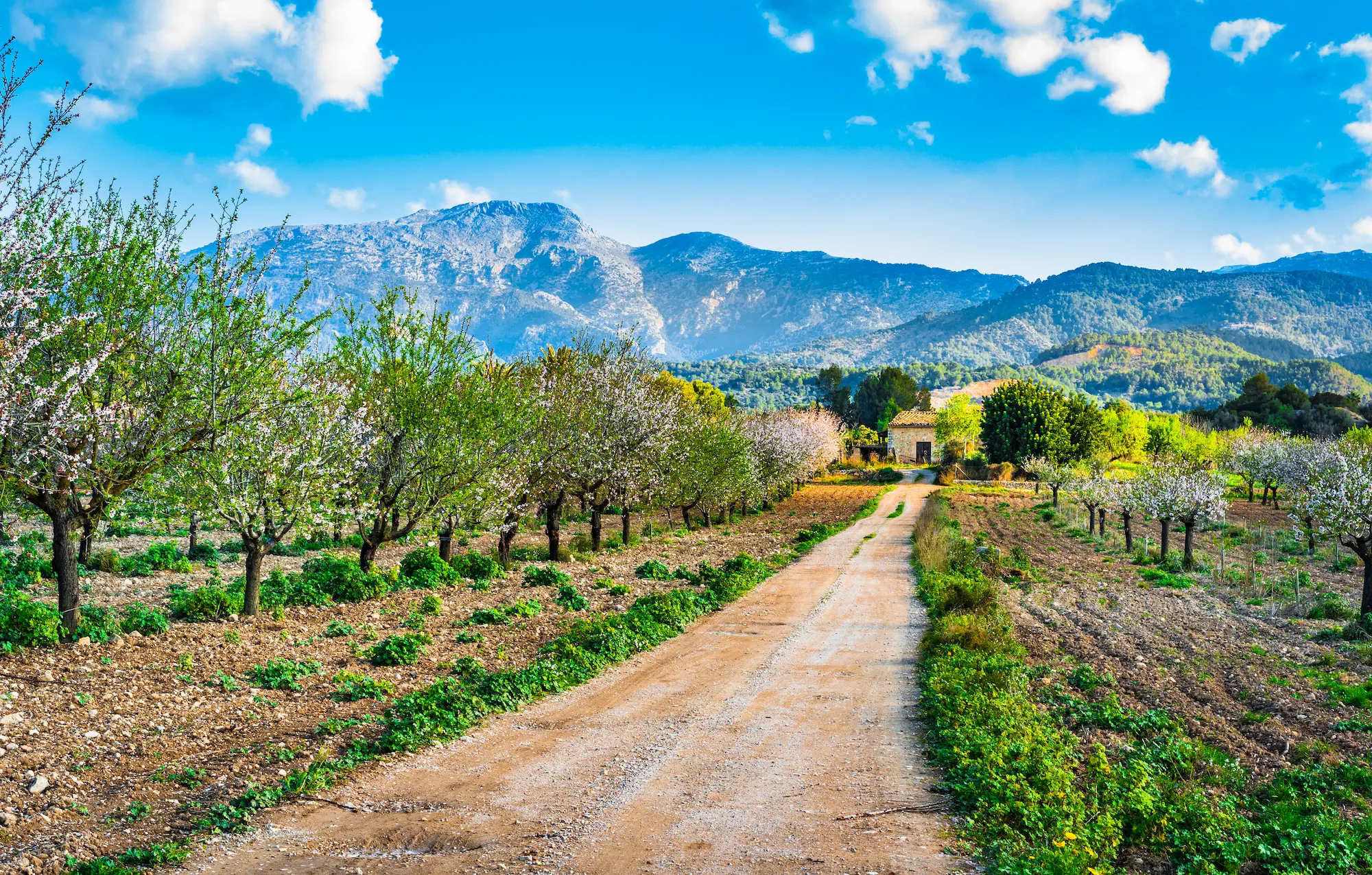
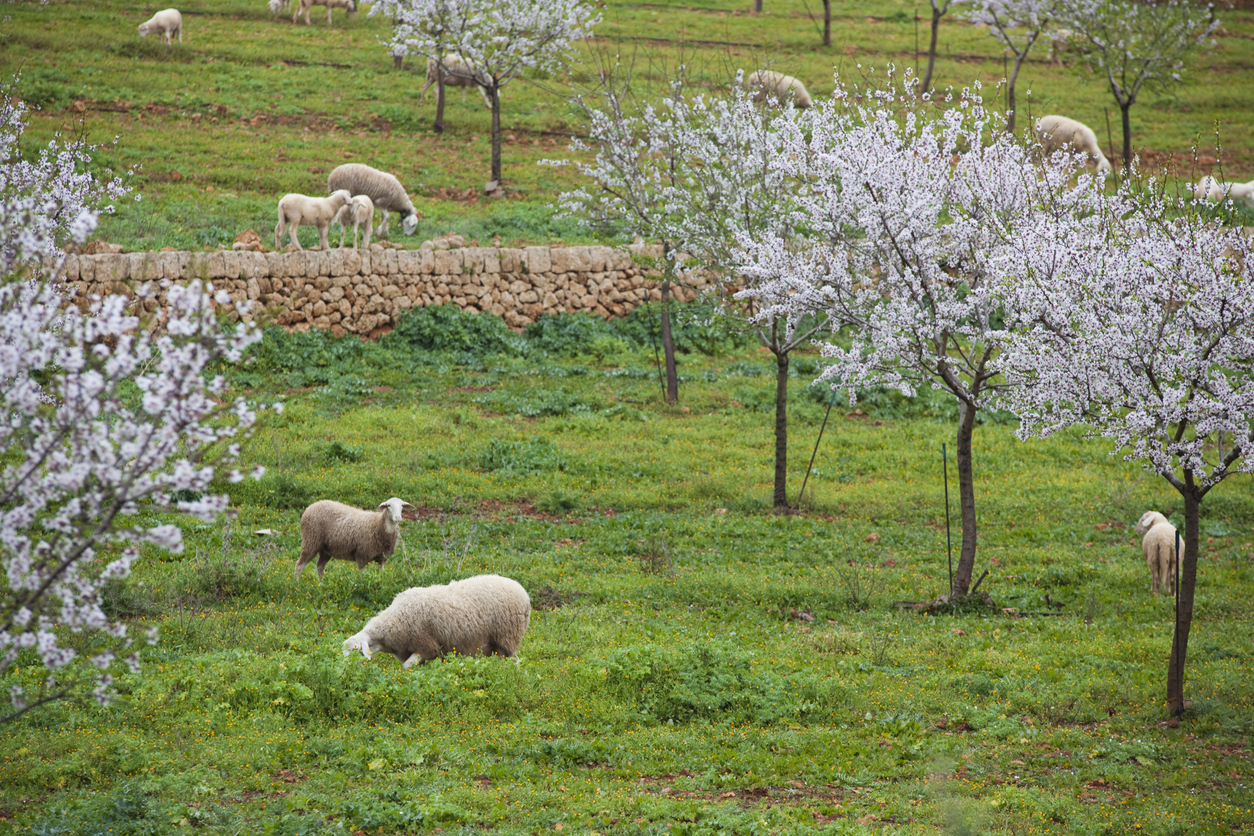
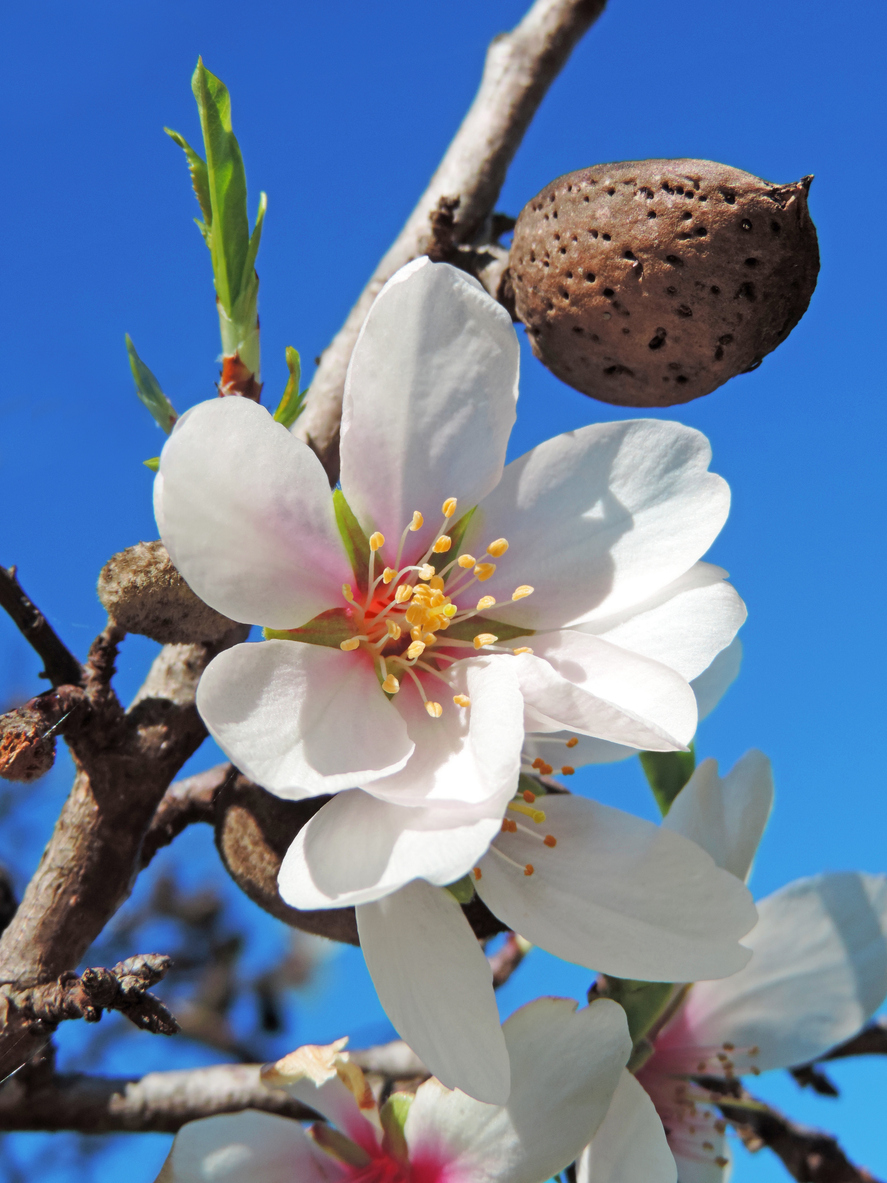
very year, between January and March, almond trees across Mallorca bloom in white and pale pink, creating one of the island’s most eye-catching natural sights. But the beauty of the blossoms is only one part of what makes Mallorcan almonds special. The almond, or bessó in Catalan, reveals a rich heritage of agriculture and gastronomy. Grown in Mallorca’s unique climate and soil, these almonds are nurtured by dedicated farmers whose knowledge and care ensure that each year’s harvest produces exceptional almonds enjoyed across the island and beyond.

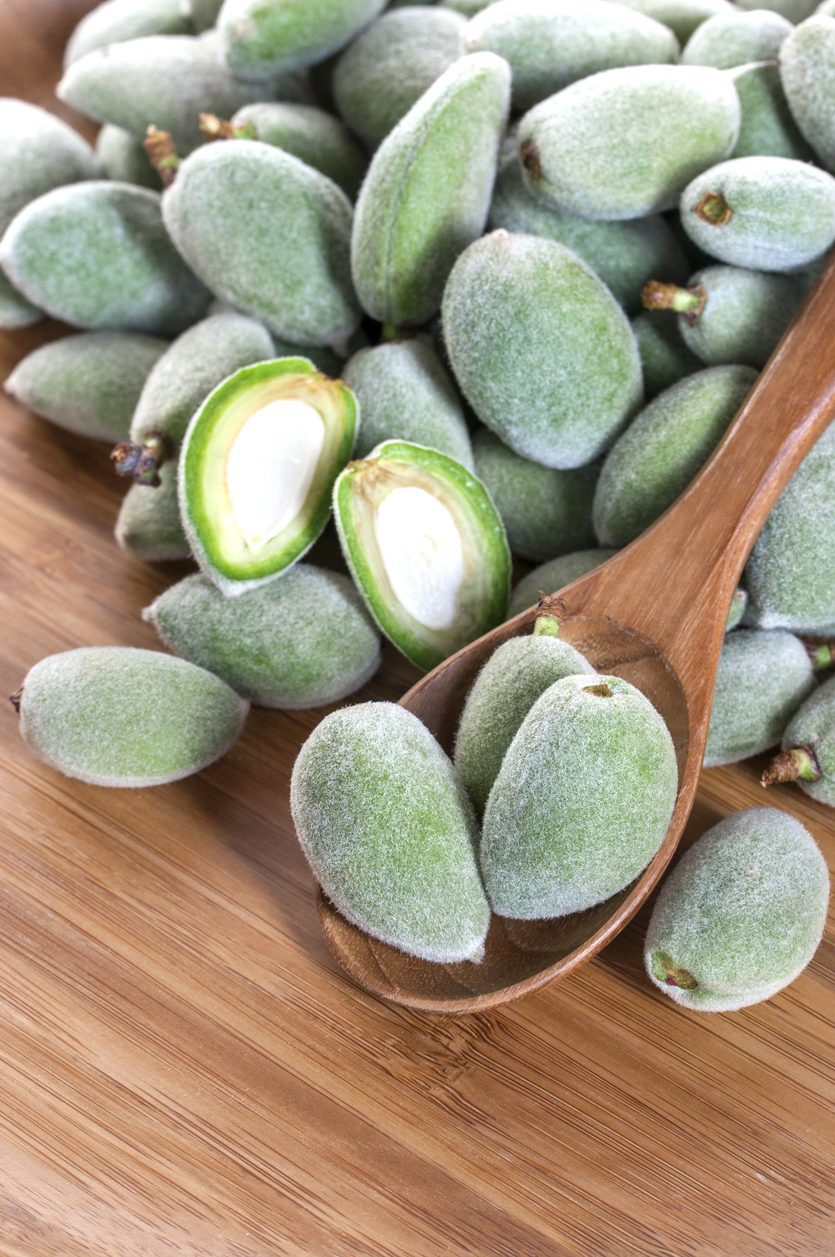
Botanically speaking, almonds are not nuts but stone fruits, related to plums and cherries, with the edible kernel hidden inside a hard shell. Despite its deep connection to the island, the almond did not originate in Mallorca. Almond trees (Prunus dulcis) are native to Central Asia and were spread across the Mediterranean by ancient civilizations, most likely the Romans or later the Moors. 

Mallorca’s relationship with the almond intensified in the late 19th century. After a devastating phylloxera plague destroyed large parts of the island’s vineyards, almond trees replaced grapevines on a large scale. By the 1930s, Mallorca had become the largest continuous almond-growing region in the world, a title that shaped its rural landscape for generations.

Mallorca offers ideal conditions for almond trees: long, dry summers, mild winters, limestone-rich soils and abundant sunshine. Traditionally, almonds were grown without irrigation, relying solely on seasonal rainfall. While modern plantations may use controlled irrigation, water scarcity remains one of the biggest challenges of almond farming on the island. In addition, the labour-intensive nature of manual cultivation and threats from pests and diseases like Xylella fastidiosa make maintaining high-quality orchards a constant struggle.
T

hese demanding conditions result in lower yields compared to intensive plantations elsewhere, but also in exceptional quality. Studies by the University of the Balearic Islands confirm that Mallorcan almonds contain up to 10% more fat than almonds from other regions, giving them a richer flavour, higher nutritional value and a naturally mild sweetness with intense aroma. The most common almond varieties in Mallorca include Desmayo, Largueta, Marcona and Jordi, each prized for different qualities, from aromatic intensity to rounded sweetness.

The almond tree is often called “the eager one” as it blooms early, sometimes starting as soon as mid-January. The blossom usually begins in the southeast of the island, around Santanyí and Felanitx, then spreads through the Pla de Mallorca, before reaching the Tramuntana foothills and the west. Today, the almond blossom season in Mallorca has become a quiet winter attraction, drawing visitors to scenic routes near Llucmajor, Inca, Andratx, Sóller and Valldemossa. Exploring the blooming almond groves in the soft winter light offers a quieter, more authentic glimpse of Mallorca’s landscape.

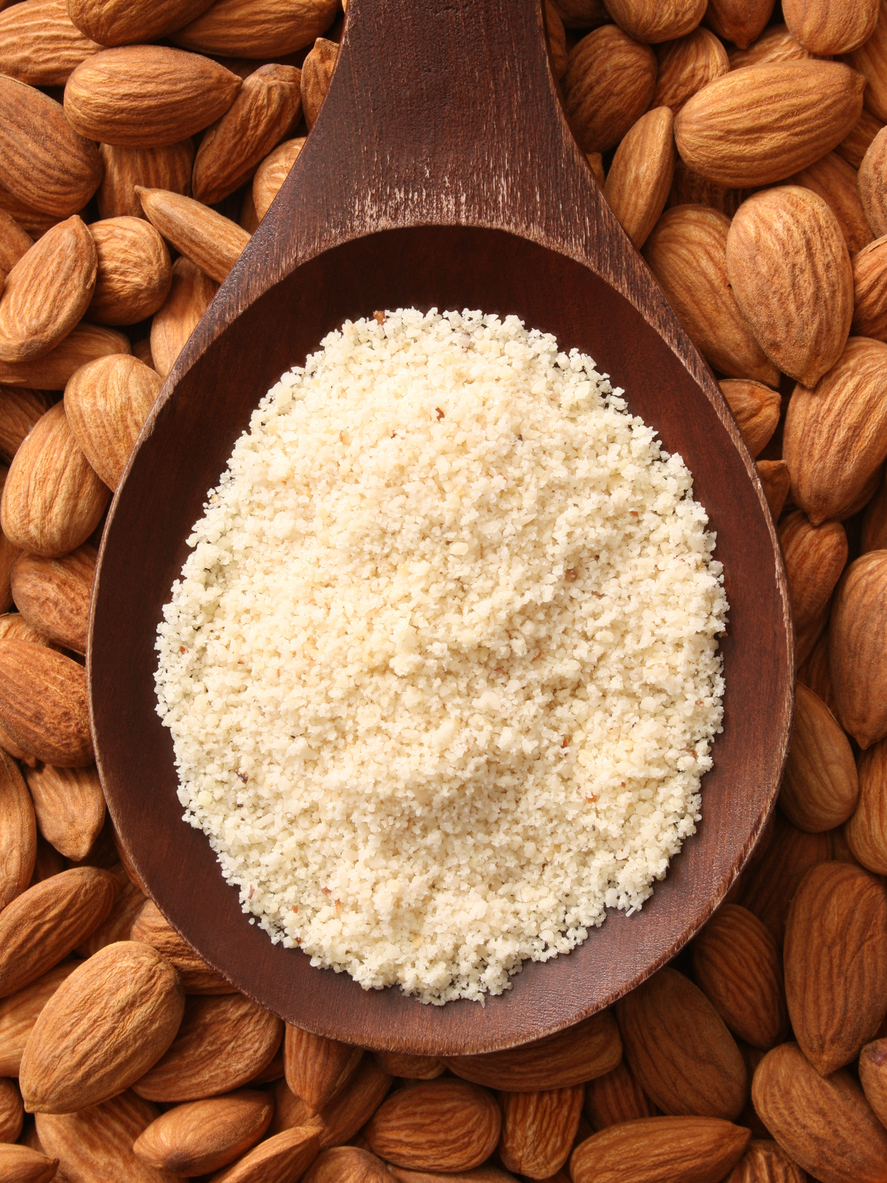
Almond harvest takes place between late June and October. Depending on terrain and tradition, almonds are either knocked from the trees by hand or shaken loose with machines. Care is essential to avoid damaging the trees and compromising future harvests. After drying, the almonds are processed at Mallorca’s only almond cracking facility, run by the Camp Mallorquí Cooperative in Consell. Here, shells are separated from kernels, sorted by size, dried again and either sold raw, roasted, blanched, chopped or ground. Nothing goes to waste: almond shells are reused for bioenergy or compost.

Not every almond grown on the island may be called a Mallorcan almond. Since 2014, the IGP “Almendra de Mallorca” (Protected Geographical Indication) has safeguarded quality, origin and traditional production methods. Only almonds grown, processed and packaged on Mallorca, meeting strict environmental and chemical criteria, qualify. The IGP also supports farmers through training, replanting programs and sustainable practices. Despite challenges such as climate change and diseases like Xylella fastidiosa, almond production is rising again: in 2022, over 1.5 million kilograms were harvested.