Close Search
Fabrics First: A Conversation With Stefania Borras of Datura
- By
Blaire Dessent
sustainability 2030
off the island
Fabrics First: A Conversation With Stefania Borras of Datura
Sep 28, 2026
by
Blaire Dessent
Fabrics First: A Conversation With Stefania Borras of Datura
sustainability 2030
off the island
Sep 28, 2026
by
Blaire Dessent
sustainability 2030
off the island
Fabrics First: A Conversation With Stefania Borras of Datura
Sep 28, 2026
- By
Blaire Dessent
Fabrics First: A Conversation With Stefania Borras of Datura
Sep 28, 2026
- By
Blaire Dessent
sustainability 2030
off the island
off the island
sustainability
Fabrics First: A Conversation With Stefania Borras of Datura
Sep 28, 2026
- By
Blaire Dessent
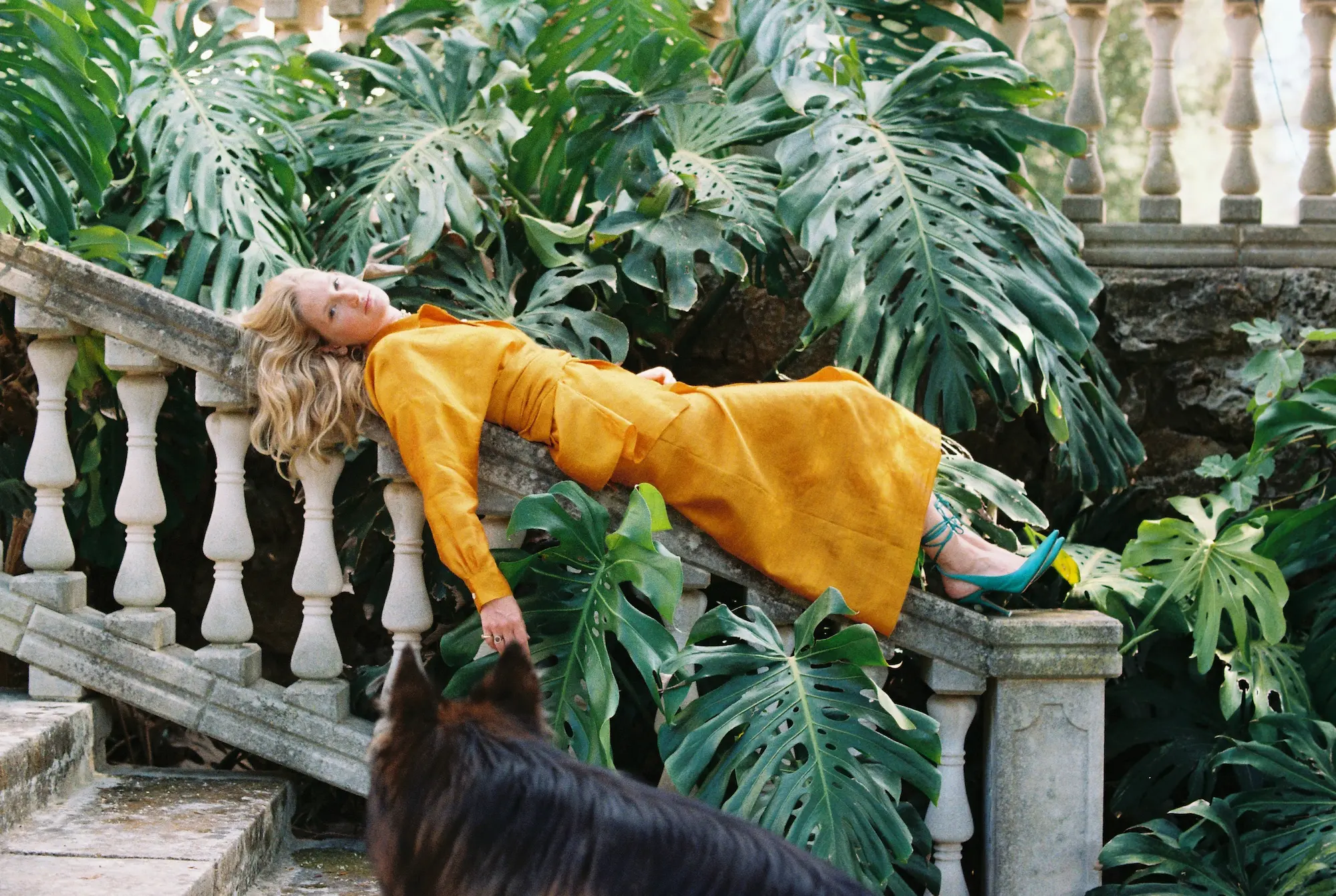
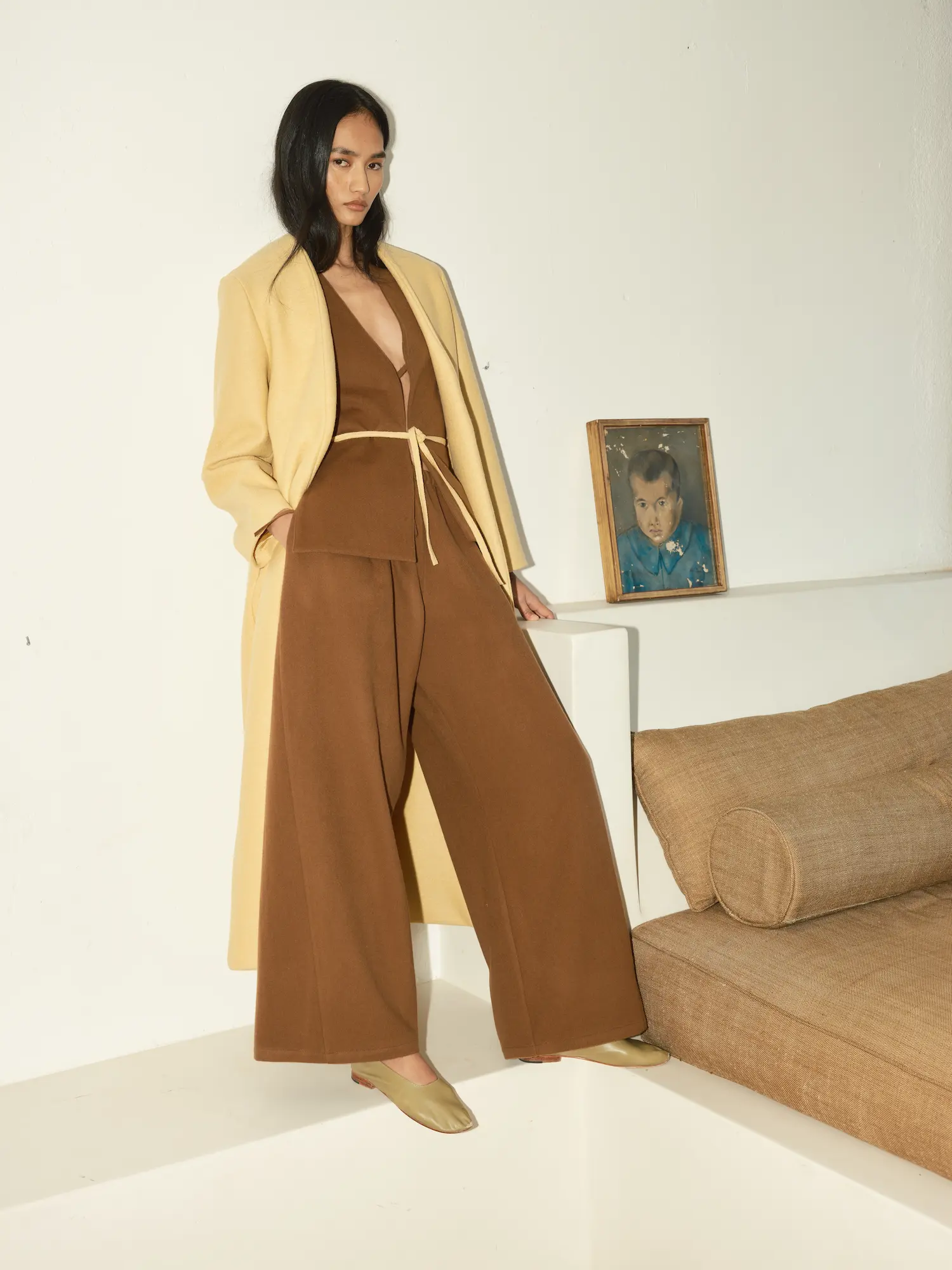
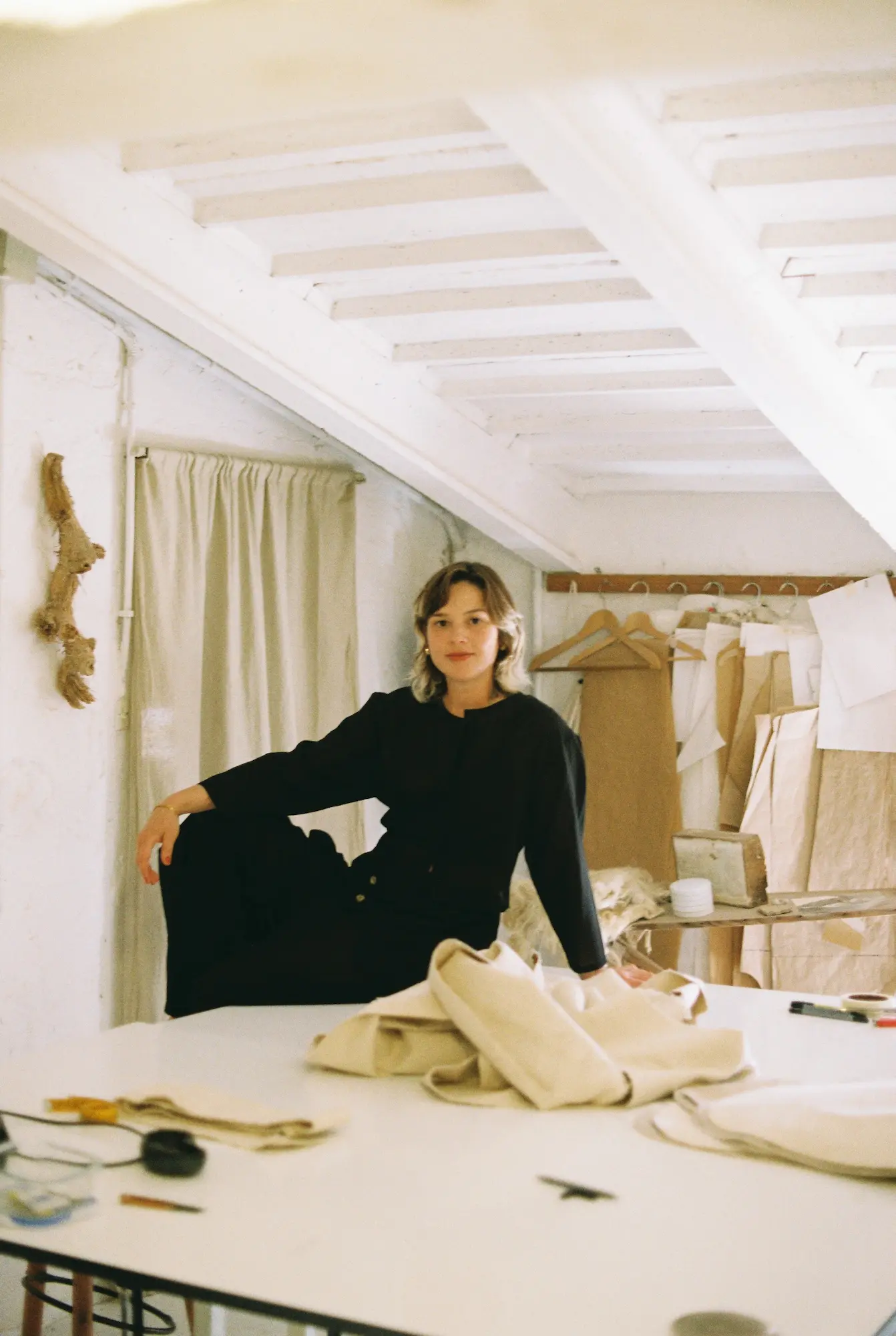
Fall/Winter 2024 collection. Courtesy of Datura / Opening photo of Stefania Borras by Ryan Noble
“F

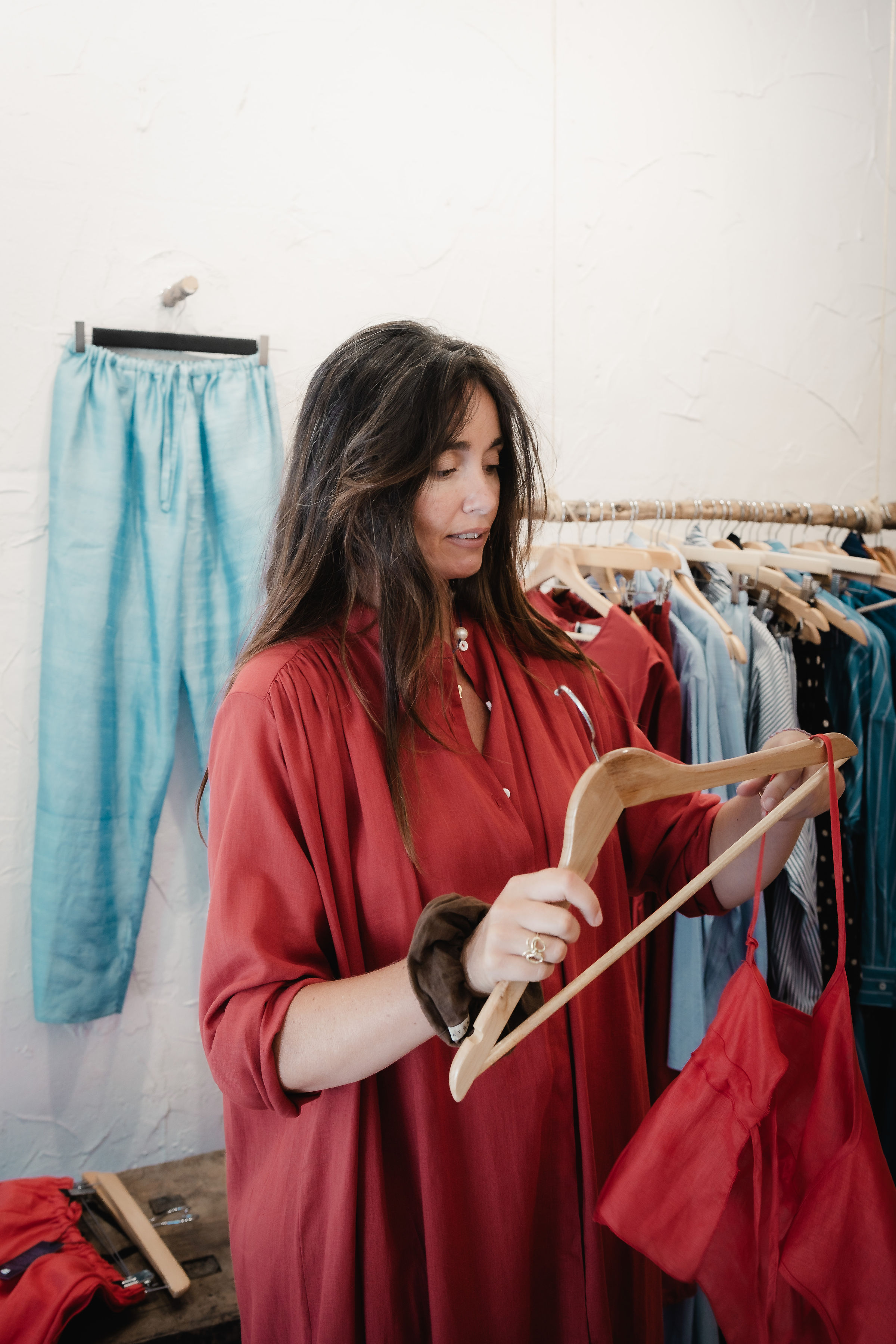
abrics is my main thing,” says Stefania Borras, designer and founder of Datura, the fashion brand she started in New York City, in 2013. “When I'm designing, its colour and fabrics first and then I do the designs, and sometimes I can get a bit crazy making so many styles in one fabric because I love it so much I want to see it on different pieces.”

‍

Stefania Borras grew up in Mallorca and went to Barcelona for university to study economics, which, she confesses, “did not go well.” She had been drawn towards fashion early on - not specifically the clothes themselves, but styling, photography and especially fabrics. “I remember seeing a magazine at a very young age and noticing the shoots - the concepts, the sensitivity of the photo, the clothes, the model, and I just thought it was very beautiful,” she reflects. Back in Mallorca, she began taking classes at Blau and Eda, a fashion academy no longer on the island but which offered hands-on classes and formative teachers - often coming from top European art schools, including Central St. Martins. She went back to Barcelona to finish her studies in fashion at ESDI, and then went on to work for bigger brands including Burberry and Marithe + Francois Girbaud.  As she was getting her first label, Stefania Borras, started, she won an incubator grant from the government that allowed her time to explore what kind of brand she wanted it to be. Certain pieces from those years are still in rotation today. “It [the grant] was challenging because it was during the financial crisis and was demanding, but it was also an incredible opportunity and I don’t think I’d be the brand I am today without it,” she says. She moved to New York, partly on a whim with her friend, but knew it was the right place to be when she arrived. She started Datura soon after.
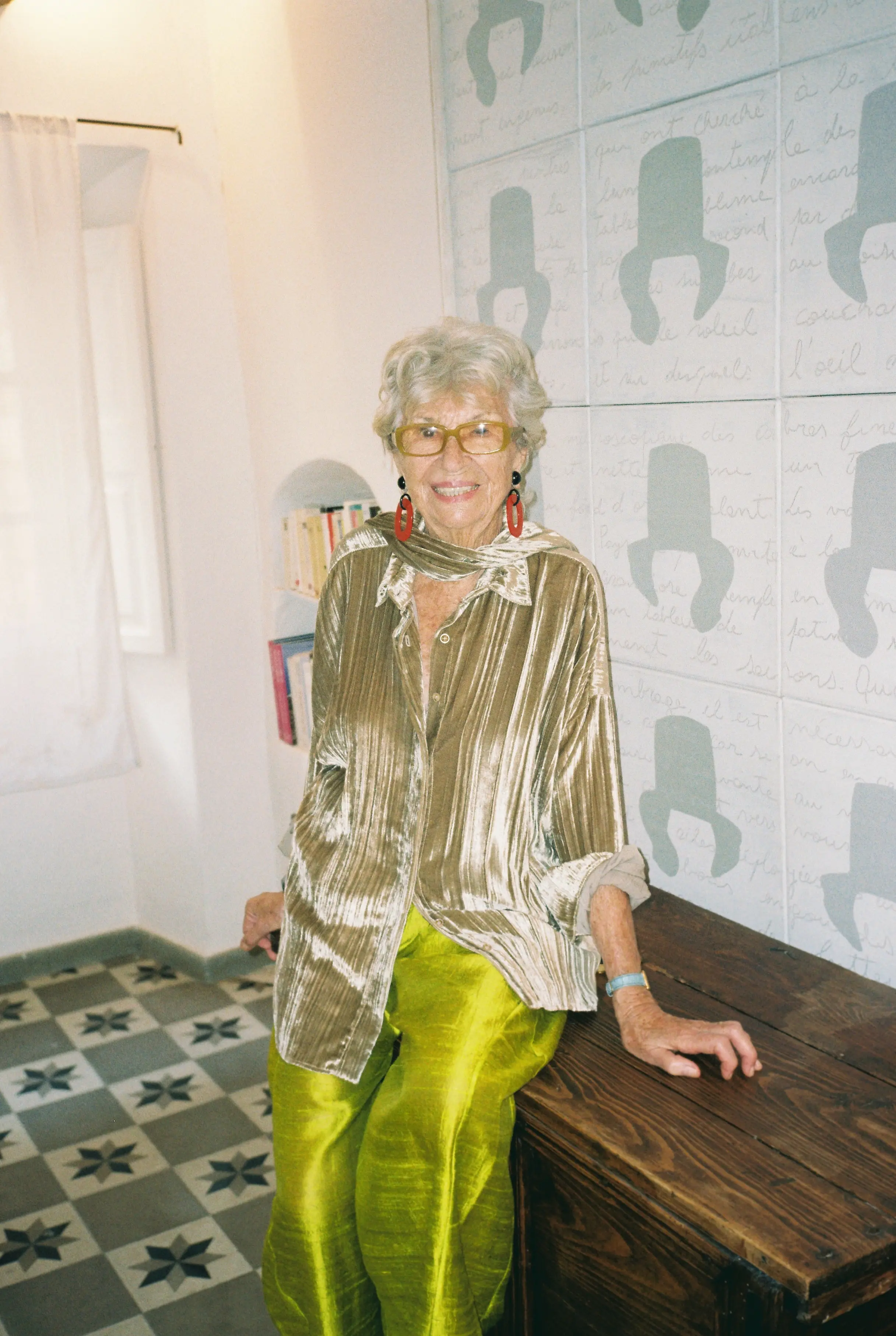
Adriana Meunie photographed for Datura's Member Styles. Photo by Barbara Vidal
Renée Micoulaud photographed for Datura's Member Styles. Photo by Barbara Vidal
D

atura embodies the designer’s Mallorcan upbringing, surrounded by nature, its raw and wild beauty, and her love of city life –  its energy, style and hustle. The summer pieces are elegant and sexy while being looser and casual, or “going on holiday in Europe,” as her New York friends used to say, while “winter pieces can be very structured, back to school, back to city vibe, with coats, and lots of layers,” she notes. She only designs in one-size, which might be unnerving for some at first, but the clothes are “designed to work with different bodies - they can be wrapped or tied or worn open and loose,” she describes. She is also very influenced by Japanese design, including designers such as Issaye Miyake. “Back at the academy,” she says, “I took a free-hand pattern design making class where we did a lot of the cutting by hand and it was about looser forms, which I was very inspired by.”

‍

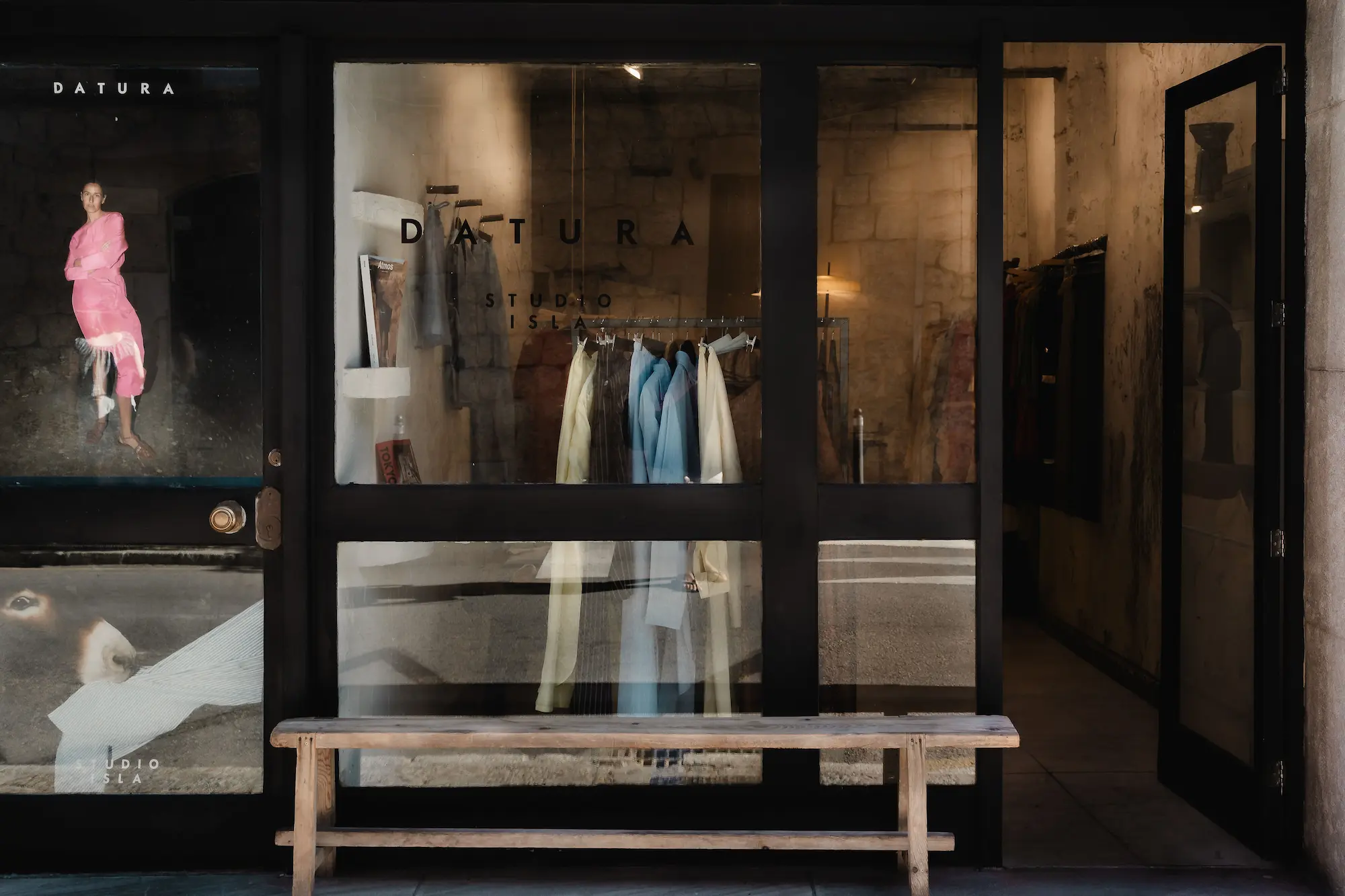
From the beginning, Datura has taken a sustainable approach to fashion through its use of natural materials, small batches and a direct-to-consumer sales model that avoids the need for cheap overseas labour or heavy shipping requirements. Borras was an early adapter to selling online – starting it up immediately when she launched Datura in 2013 –  and it took time to convince people of its viability and to have confidence in shopping online - a reality that seems hard to imagine these days. While getting set up in New York and wanting to catch the attention of editors and bloggers, but unable to send samples because of the limited supply and cost, she started Member Styles - a concept in which she invited people to try on the clothes in a regular setting for a photoshoot. It was the era when Jurgen Teller, whose raw, sexy ‘natural’ style was on the rise. Stefania captured her brand clearly through these photoshoots, letting the creatives choose the place, the clothes and then together they captured a world that people could connect to, imagine and therefore want to know more about. “This was my favorite part of my job,  going to see people’s houses and seeing their world, because it was often lonely just designing by myself at the studio. It was about making a community,” she explains. From 2013-2020 she ran Datura in New York, her last studio was in Chinatown, and then moved back to Mallorca in 2020 with her family.

Datura embodies the designer’s Mallorcan upbringing, surrounded by nature, its raw and wild beauty, and her love of city life – its energy, style and hustle.
Photo by Ryan Noble
Join the conversation
Share your thoughts, tips, and local knowledge with our community
Discuss this story