Close Search
Mallorca Design 2025: Intimacy and Ambition
- By
Chiara Ferrari
sustainability 2030
off the island
Mallorca Design 2025: Intimacy and Ambition
Dec 27, 2025
by
Chiara Ferrari
Mallorca Design 2025: Intimacy and Ambition
sustainability 2030
off the island
Mallorca Design 2025: Intimacy and Ambition
Dec 27, 2025
- By
Chiara Ferrari
Mallorca Design 2025: Intimacy and Ambition
Dec 27, 2025
- By
Chiara Ferrari
sustainability 2030
off the island
off the island
sustainability
Mallorca Design 2025: Intimacy and Ambition
Dec 27, 2025
- By
Chiara Ferrari
Can Pa, Huguet x Jasper Morrison / Opening image: © isla x Paparkone 2025, photo: María Francesca Lui
M

allorca’s design scene unfolds through a network of ateliers and independent  creators shaping the island’s contemporary identity. What defines Mallorcan design  is not a single aesthetic, but a shared artisanal spirit: hands-on production, local  materials, and a community-driven approach that connects makers directly with  those seeking authenticity. This creativity goes beyond objects. Architecture and interior design thrive here  too, blending Mediterranean traditions with modern sensibilities and gaining  growing international attention. Here, contemporary design does not erase  tradition; it converses with it. As I move from studio to studio, exhibition to  exhibition, what makes Mallorca unique is the dialogue between past and present,  craft and innovation, local and global.


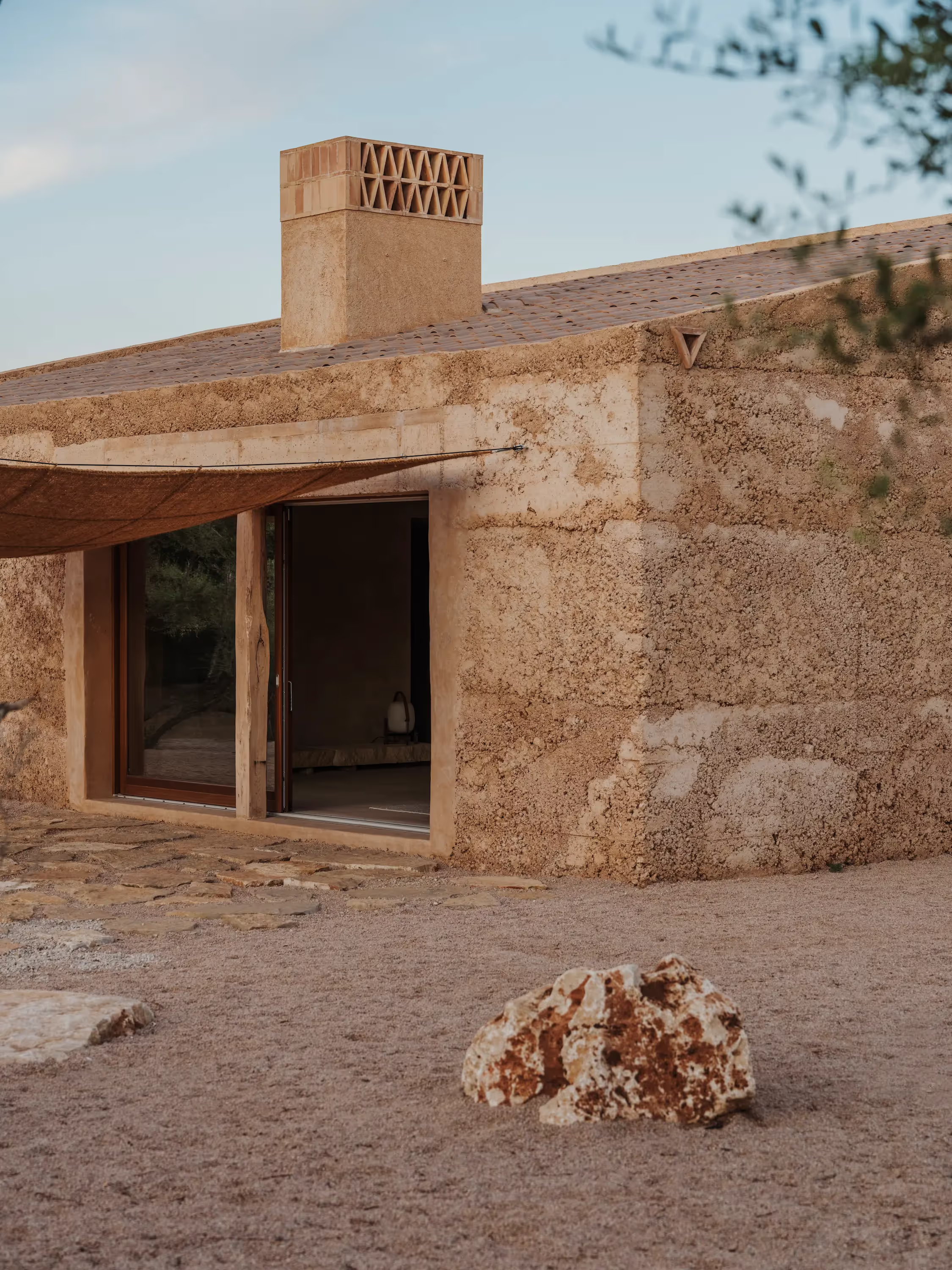
Major names such as Huguet and Camper have long carried Mallorcan design far  beyond the island. Huguet’s handmade hydraulic tiles appear in global projects,  strengthened by collaborations with architects and designers exploring new forms  and applications; their latest biennale exhibition featured custom pieces by Jasper  Morrison for CAN PA and systems developed with Pentagram. Camper,  celebrating its 50th anniversary with the campaign “50 Years Young,” launched  limited-edition products through The Walking Society platform, along with a  commemorative book and collaborations with figures like Martin Parr and Issey  Miyake.

Mallorca’s design landscape is also shaped by a constellation of small  independent brands that design and manufacture their own work, often on  demand and by commission. These are maker-led studios where the designer is  also the producer, creating bespoke pieces directly for private clients or for  architects who seek authenticity rooted in the island’s material culture. Only a  handful operate standalone shops, while most work from their studios and sell  through select retailers or direct relationships. What strengthens this ecosystem  are collective pop-ups, design events, and exhibitions that bring these  independent voices together—creating moments where collaboration replaces  competition and the local community becomes an active part of the creative  process. In Mallorca, design isn’t an industry; it’s a network of artisans, designers,  and makers shaping their own path.
E

ach studio brings its own vision to Mallorcan design—whether through material  experimentation, heritage techniques, or contemporary aesthetics shaped by the  island’s landscape and resources. Some draw on generations of craft knowledge;  others are redefining what “Made in Mallorca” means today. Together, they form a  layered, dynamic ecosystem where tradition and innovation coexist, giving rise to  the island’s most compelling creative voices.


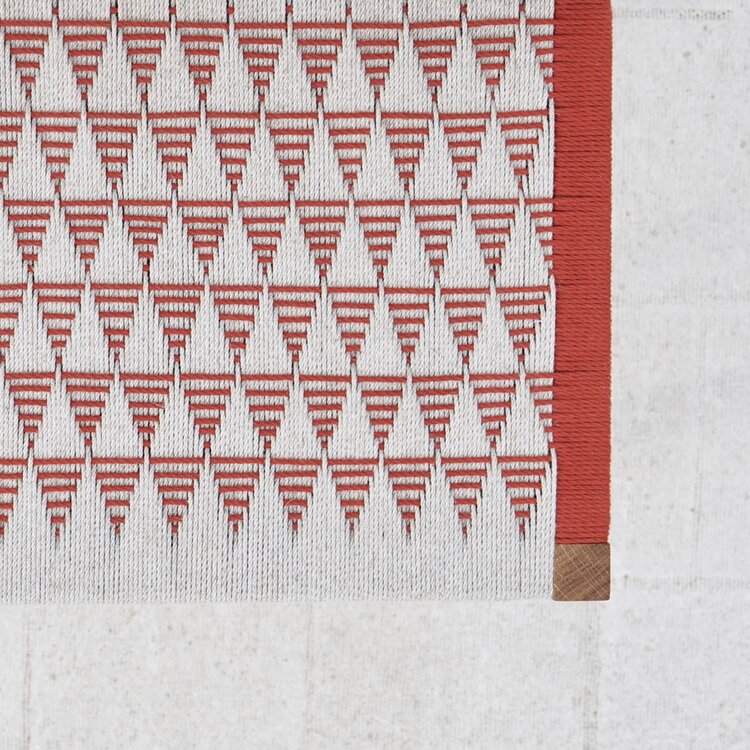
Where we talk about “past meets present”, Studio Jaia merges local weaving  techniques (cordats mallorquins) with wood to create modern seating. Paparkone reinterprets Mediterranean ceramics with playful shapes and experimental glazing,  earning his second artisan craft award this year. La Pecera translates Mallorcan  domestic culture into refined, minimal objects, while Amarar gives new life to fallen
local wood, transforming it into sustainable furniture. Open Studio 79 combines  craft, art, and slow design processes, reimagining heritage techniques for today. In  fashion and textiles, Cecilia Sorensen carries traditional methods into  contemporary expression, making her work both locally rooted and internationally  recognized. Together, these studios illustrate how Mallorca keeps its craft alive by  translating tradition into the present.

La Escuela Artesana stands out as one of Mallorca’s most important institutions  dedicated to sustaining and evolving contemporary craft. It not only preserves  traditional techniques but actively connects them with the island’s new generation  of designers. Many of its classes are led by local makers and brand founders,  turning the school into a living bridge between heritage knowledge and present day practice.
This year marks a pivotal moment: the school expanded into part of the iconic  Fàbrica Ramis in Inca, a historic industrial complex that has become a cultural  hub. The move has allowed La Escuela Artesana to broaden its programming, host  more specialized workshops, and foster deeper collaboration across the island’s  creative community. Its growth reflects Mallorca’s wider shift toward valuing craft  as both education and cultural identity — not as something nostalgic, but as an  evolving language shared by artisans, designers, and the public.

"As I move from studio to studio, exhibition to exhibition, what makes Mallorca unique is the dialogue between past and present, craft and innovation, local and global."
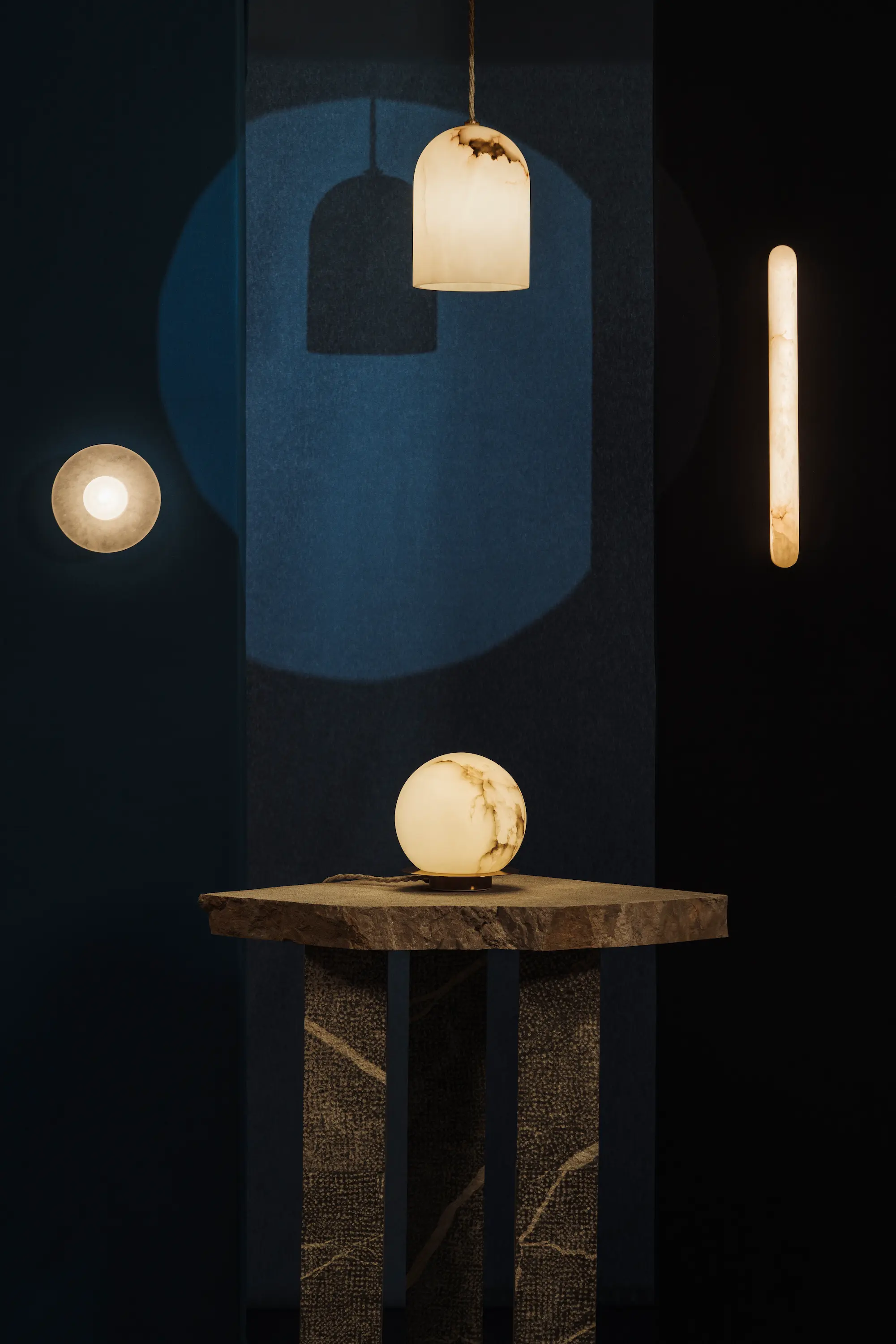
2 Monos, Dot Collection. Photo: Xim Izquierdo / Image above: © Studio Jaia