A
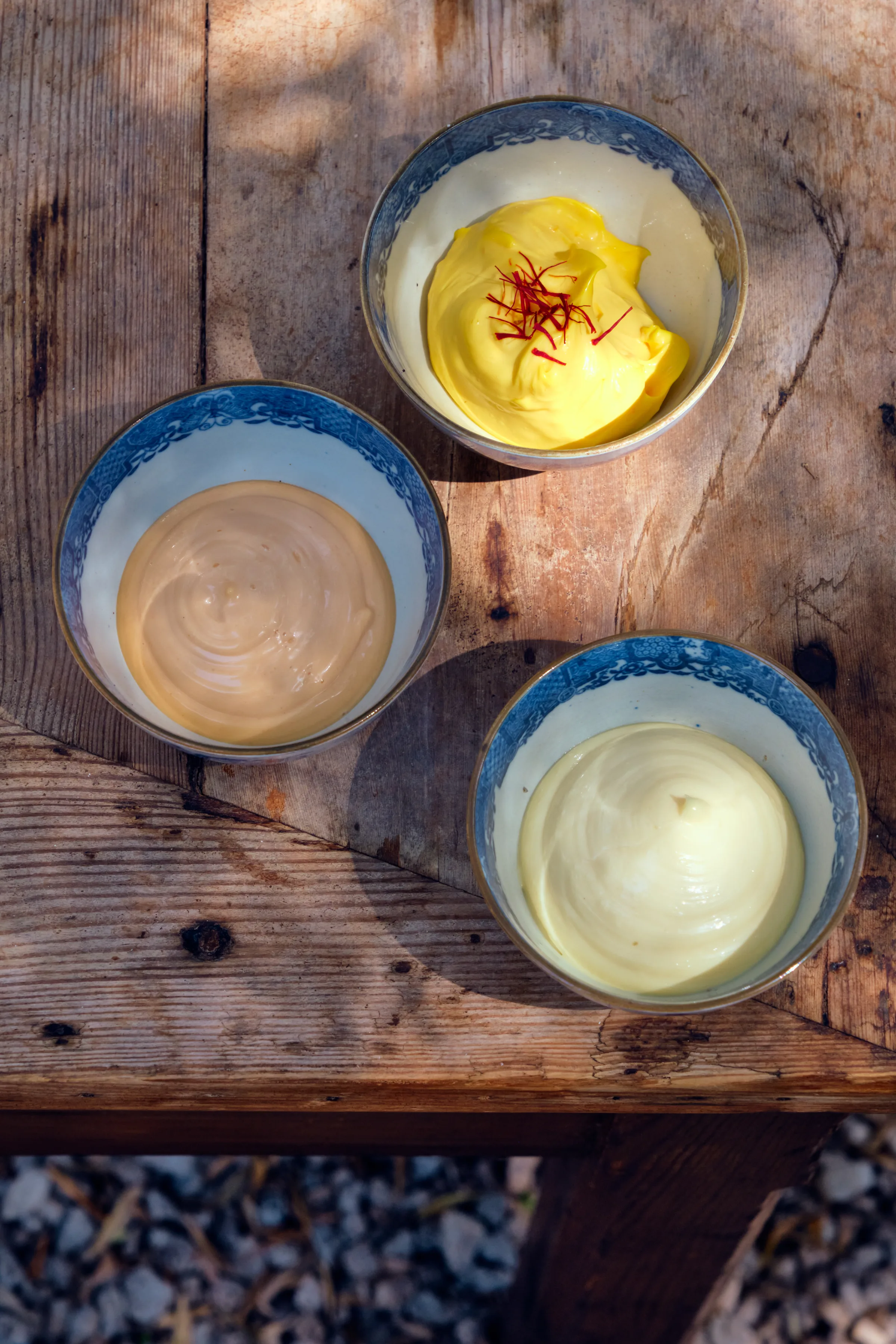
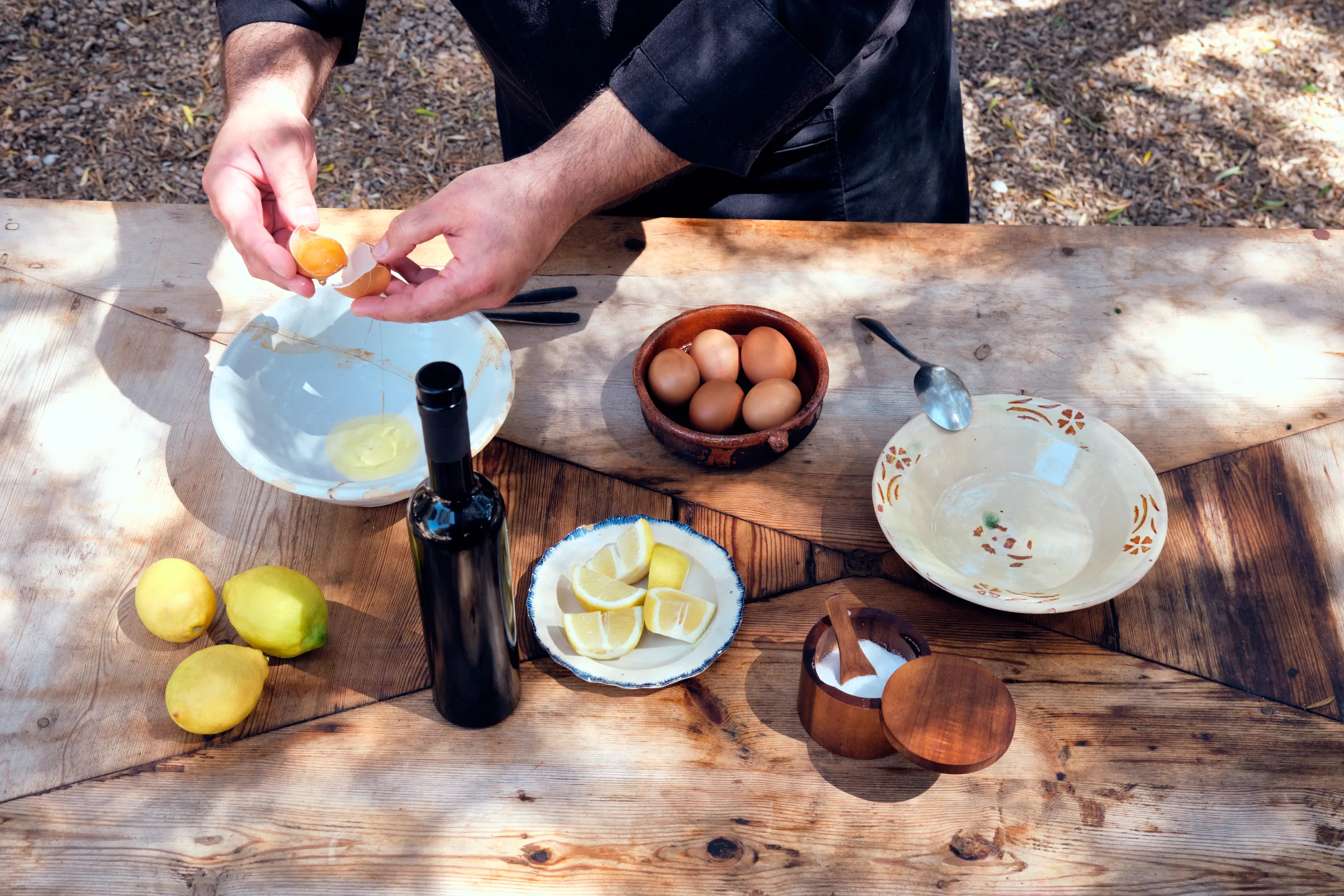
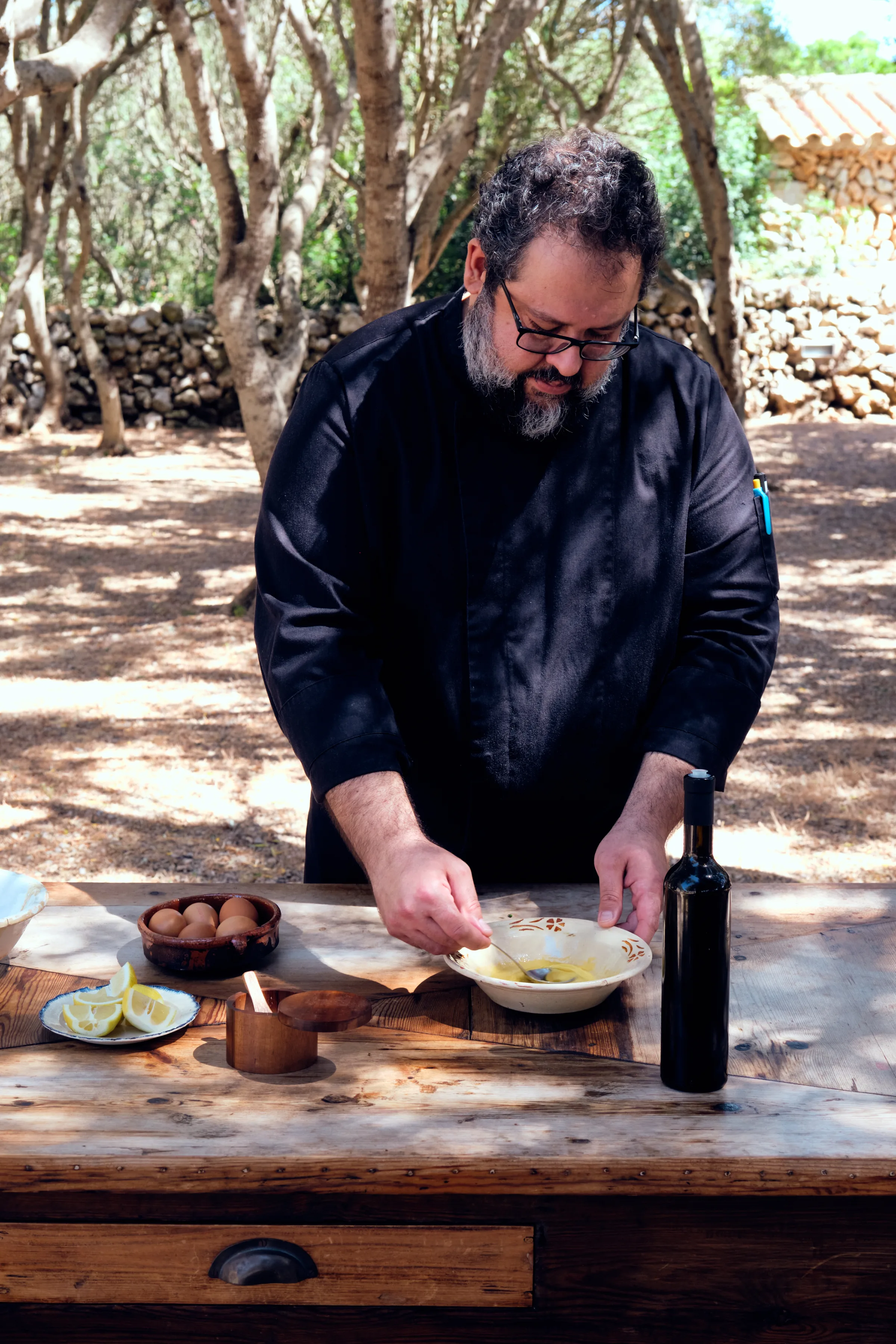
s the third most widely consumed sauce in the world, mayonnaise is a global star. Popular from the Mediterranean to Japan via Russia (the country with the highest per capita consumption), it has even dethroned ketchup as the favourite in the American market. Whilst Auguste Escoffier made it the cornerstone of cold sauces — whipping it into tartar sauce (fine herbs, gherkins, capers), rémoulade sauce (mustard), Russian sauce (caviar, of course) and Andalusian sauce (tomato sauce)—mayo is so deeply rooted in France’s gastronomic heritage that many have believed it to have originated there. This is no doubt down to a touch of culinary chauvinism… For the history of this indispensable sauce has its roots in Menorca, more specifically in Maó.
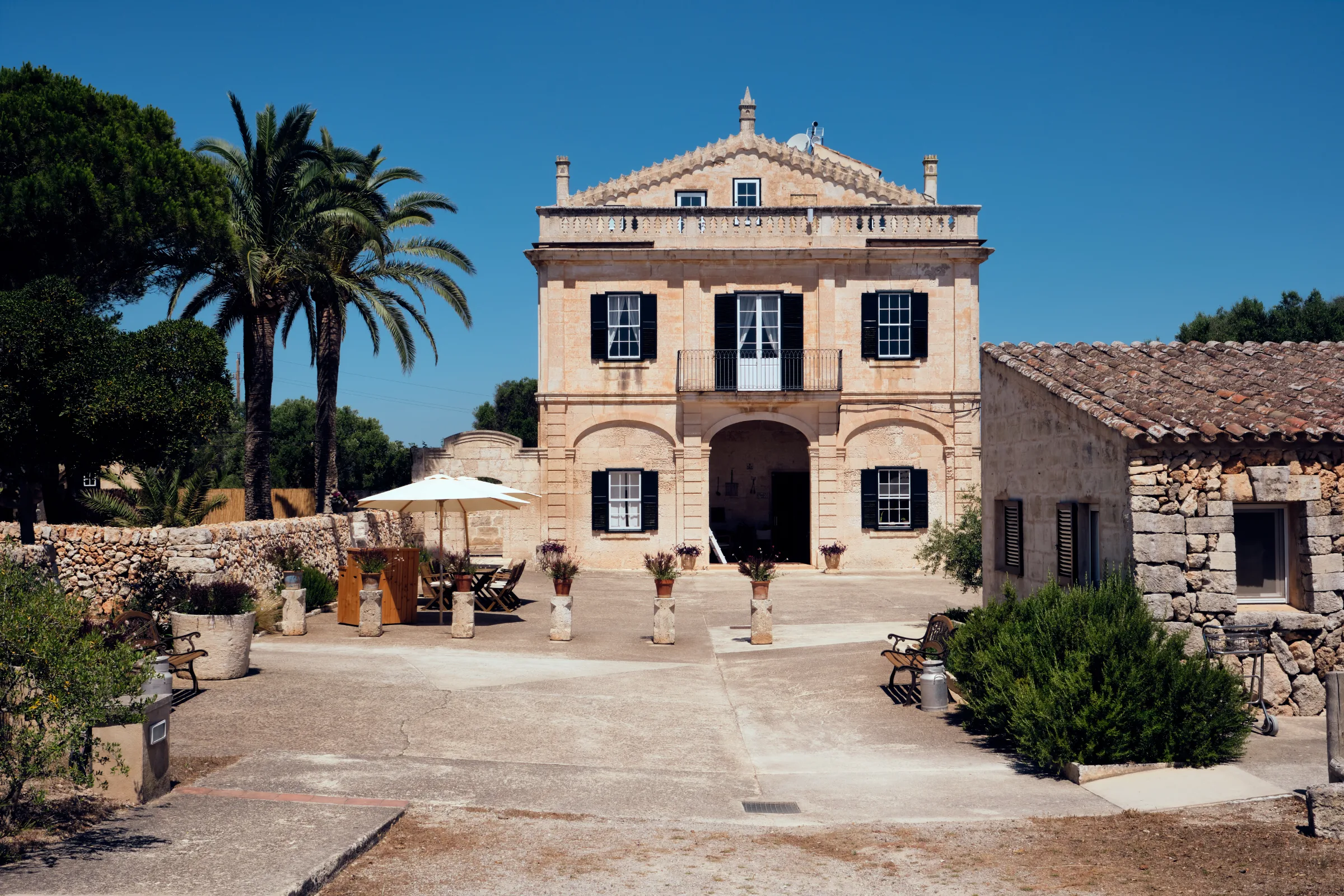
On 22 April 1756, the Alcaufar Vell estate, a large property in the south of the island, was preparing a banquet to celebrate the marriage of Francesc Mercadal Segui and Joana Caules Pons, which had just been celebrated in Maó. The table was laid à la française: courses were served in succession, arranged on the table with the geometric symmetry that was all the rage at Versailles, both in the gardens and at the king’s table. The dishes were refined. In the island’s opulent mansions, one could find spices and condiments intended for European courts, brought by ships calling at Maó on their voyages between Africa, the East and Europe. “Alcaufar Vell,” explains Jauma Febrer de Olives, a descendant of the Mercadal family, “was a large agricultural estate; there was an oil mill and a wine press. The family was not noble, but they wielded considerable influence.”
During the War of the Spanish Succession, the Mercadals, like the island’s other leading families, supported the Habsburgs. The English also allied themselves with Austria and landed on Menorca to drive out the Bourbons. But in 1713, under the Treaty of Utrecht, the British switched sides, signed a peace treaty with Philip V and took definitive control of Menorca.