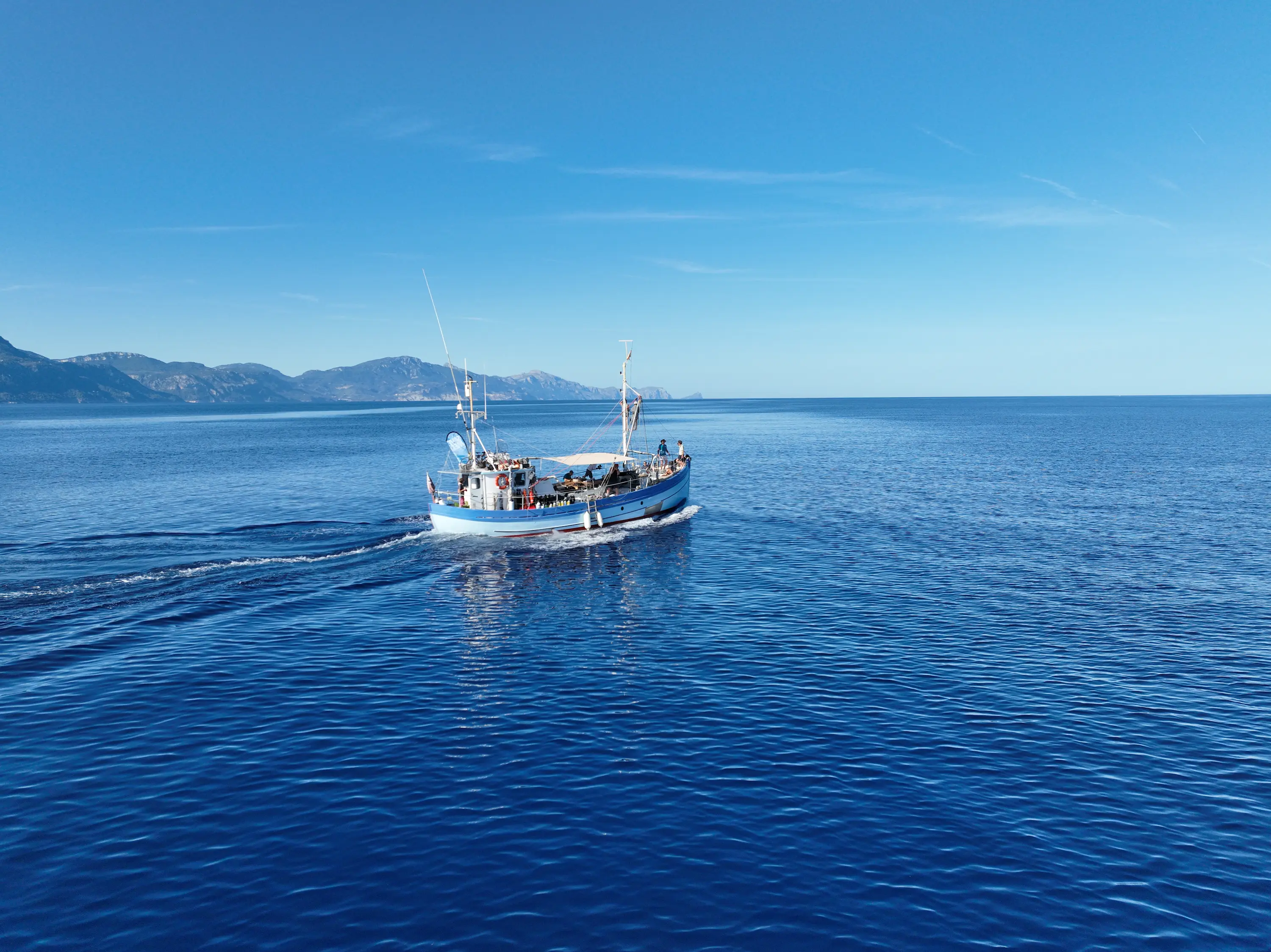
La encontré en un sitio web llamado findafishingboat.com. En ese momento trabajaba en grandes yates y quería salir de ese mundo y pasar más tiempo cerca de casa con mi familia. Cuando visitamos Port de Sóller por primera vez en una excursión de un día después de mudarnos a Mallorca, de repente pensé: en este pequeño puerto podríamos hacernos visibles y construir algo aquí.
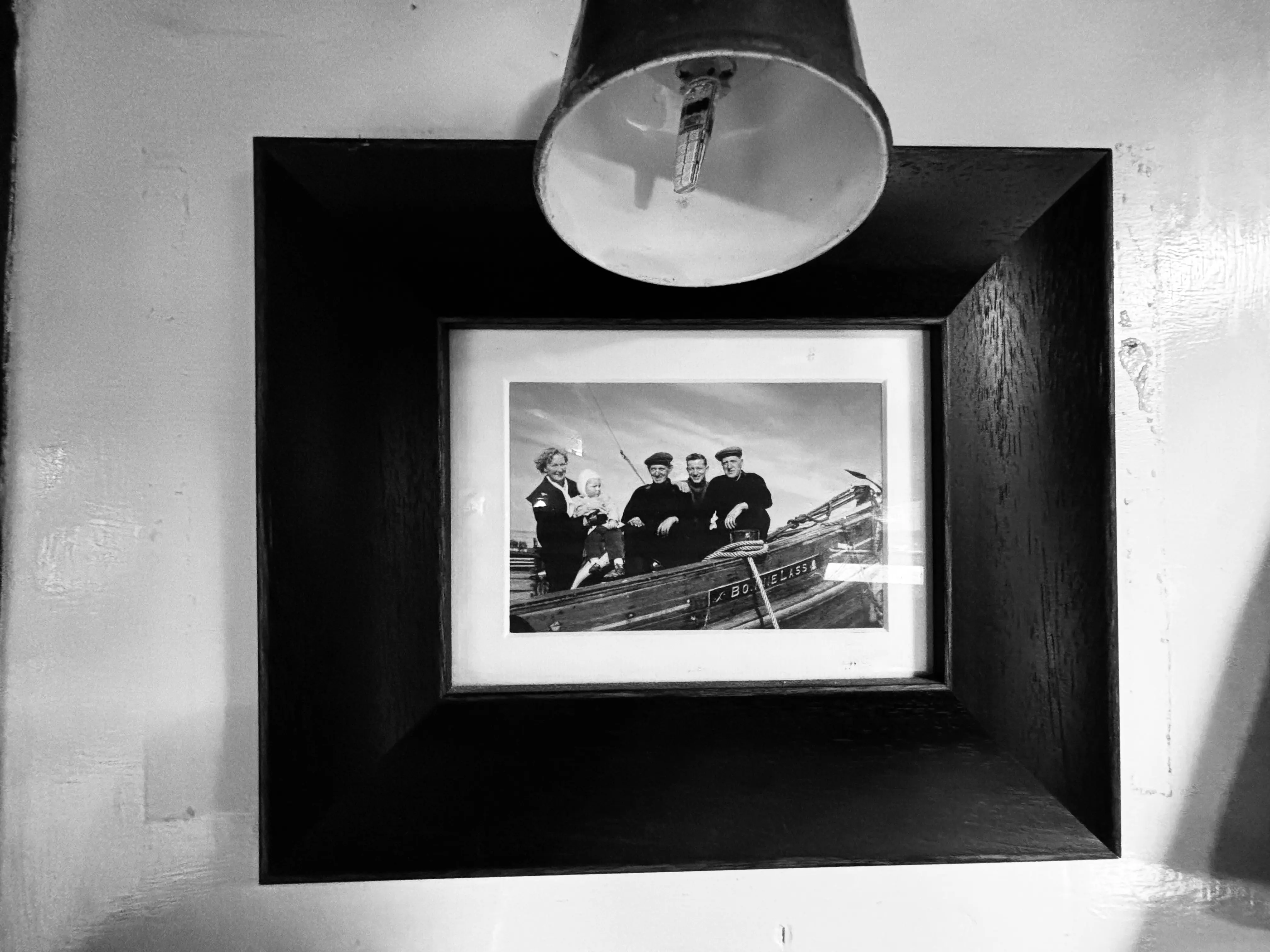
Poco después encontramos el barco en Internet. Mi experiencia es la navegación, me encanta moverme con el viento, por lo que supuso un gran cambio embarcarme en una lancha a motor con un corazón y un alma completamente diferentes. Pero Bonnie Lass comenzó su andadura como un barco pesquero, así que estamos ante un pedacito de historia. Tengo fotos a bordo de la primera familia que la tuvo en la década de 1950, e incluso he recibido a sus nietos a bordo.
El barco en sí es sorprendentemente conocido. Puedo entrar en un bar de Escocia y decir que tengo un viejo barco pesquero de madera en el Mediterráneo y alguien adivinará que es Bonnie Lass.
Mantenerla con vida también es una opción de sostenibilidad. Estos barcos fueron diseñados originalmente para funcionar comercialmente durante unos veinte años. Bonnie Lass está ahora en su segunda o tercera vida. Construir un barco nuevo requiere una enorme inversión en carbono, especialmente la producción del motor. El mantenimiento de una embarcación antigua mantiene en circulación tanto la historia como los materiales.
El diseño también cambia la forma en que las personas interactúan. En las lanchas rápidas, el ruido del motor o el viento pueden ser tan fuertes que todos corren hacia algún lugar, se detienen brevemente y vuelven a moverse. En Bonnie Lass, el día comienza cuando subes a bordo. La gente se mueve, habla, se conecta. El barco lo ralentiza todo.
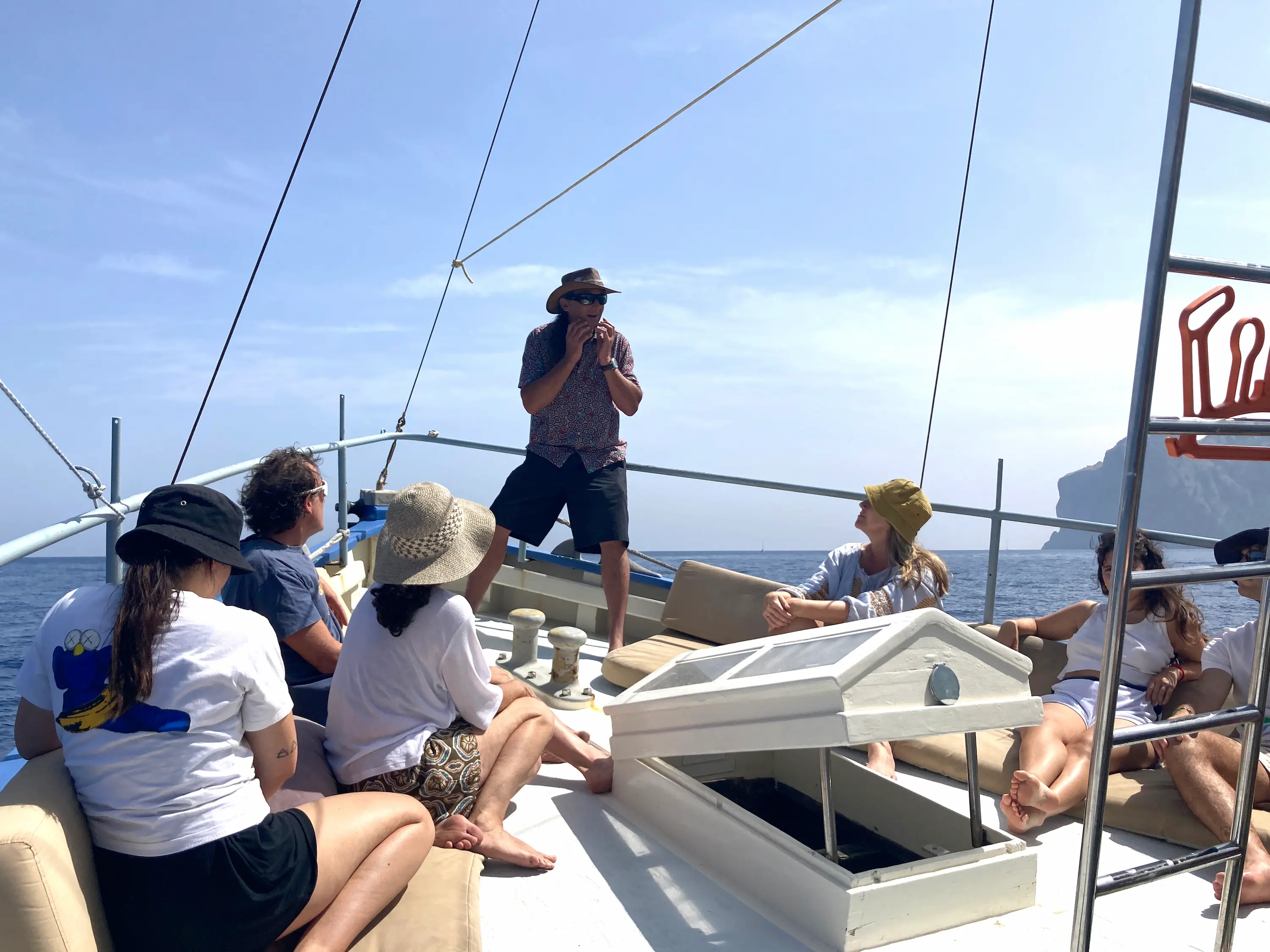
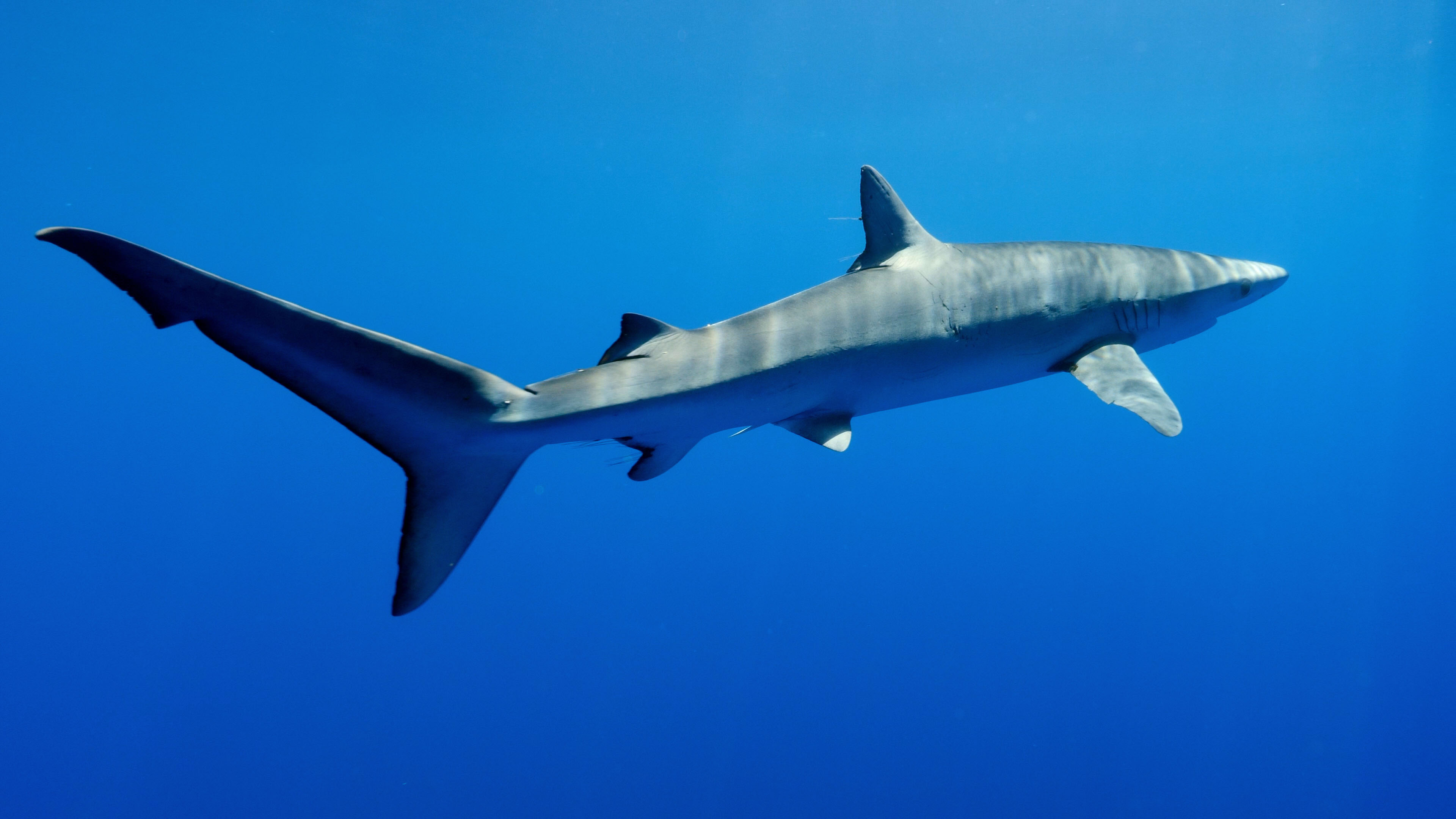
Durante años, hemos colaborado con organizaciones como Ondine, que ahora es Save the Med, en diferentes proyectos de investigación: etiquetar mantarrayas, buscar tiburones azules, eliminar redes fantasmas, monitorear los dispositivos de agregación de peces. El desafío es que este tipo de trabajo depende con frecuencia de una financiación esporádica. Me he dado cuenta de que, mientras esperamos, perdemos muchas oportunidades.
El año pasado, nuestra colaboración como anfitriones del Community Vessel demostró el entusiasmo que sentían las personas que querían participar. Al mismo tiempo, se modificó una normativa local que nos permitía vender billetes individuales en lugar de alquilar todo el barco. Eso cambia las reglas del juego. Muchas personas quieren hacer algo importante en el mar, pero no pueden permitirse el lujo de alquilar un barco por 2.000€ al día. Hemos decidido dedicar una semana de cada mes de nuestro calendario de vuelos chárter a investigar las expediciones. El barco se convierte en una plataforma para la ciencia ciudadana en la que los participantes ayudan a recopilar datos que se comparten públicamente.
Nuestro principal colaborador es Shark Med, con quien hemos estado monitoreando tiburones azules en la costa norte durante varios años. Como Bonnie Lass tiene una grúa y un cabrestante hidráulicos, podemos instalar sistemas BRUV en aguas profundas (cámaras submarinas remotas con cebo) hasta una profundidad de unos 1500 metros.
Por ejemplo, estamos monitoreando las poblaciones de calamares, que son clave para entender a los principales depredadores, como los cachalotes, y los tiburones de aguas profundas, como el tiburón de seis branquias. Y esta temporada también trabajaremos con el camarógrafo de vida silvestre Dan Abbott («Sharkman Dan») para ayudar a documentar el trabajo y las especies que encontramos en el mar, en particular la migración del rorcual común en mayo. Para proteger la vida marina, primero necesitamos saber que está ahí.
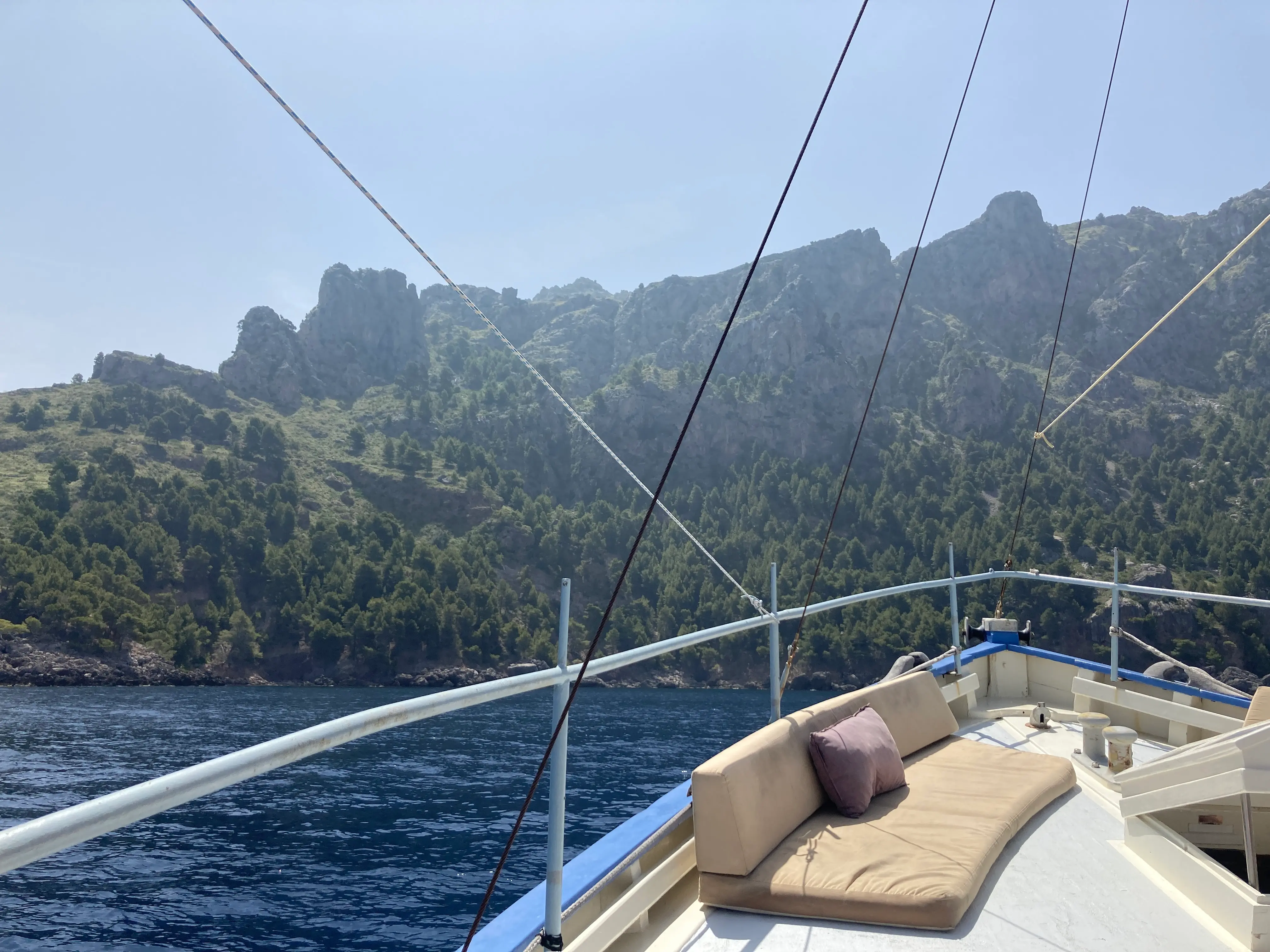
Por lo general, salimos alrededor de las 9 o 10 de la mañana y nos dirigimos unos kilómetros de la costa hasta el espectacular desnivel al norte de Mallorca, donde el fondo marino cae más de mil metros. Esta zona es fascinante desde el punto de vista oceanográfico. El agua del Atlántico entra aquí en el Mediterráneo y, cuando se mezcla con aguas más cálidas del Mediterráneo, crea flujos de nutrientes y afloramientos. Estas corrientes cambian constantemente, por lo que los pescadores protegen sus lugares favoritos con tanto cuidado. Los participantes nos ayudan a instalar cámaras, recopilar observaciones ambientales y registrar tanto los avistamientos de vida silvestre como la actividad humana en el mar. Registrar el tráfico de barcos es importante porque ha habido un enorme aumento del uso marino en los últimos años y muy poca tala sistemática.
Me gusta comparar vagamente las Islas Baleares con las Galápagos porque muchas especies pelágicas pasan por aquí o se reproducen en estas aguas. Dependiendo de la estación, podemos ver ballenas comunes, que suelen migrar más allá de Mallorca en primavera. También hay grandes poblaciones de atún y, a veces, cachalotes o delfines de Risso. En los meses de verano, la cadena alimentaria puede volverse increíblemente activa a medida que convergen el plancton, las larvas de atún, los peces pequeños y los depredadores más grandes. Básicamente, se trata de un frenesí de alimentación. Y es lo que veríamos en un entorno perfecto: solo el mar hirviendo. Cuando tenemos mucha suerte, podemos verlo de vez en cuando.
Básicamente, los participantes se convierten en investigadores por un día: aprenden sobre el ecosistema y ayudan a recopilar datos que pueden contribuir a los esfuerzos de protección marina, incluidas las propuestas para una nueva reserva marina a lo largo de la costa de Tramuntana.
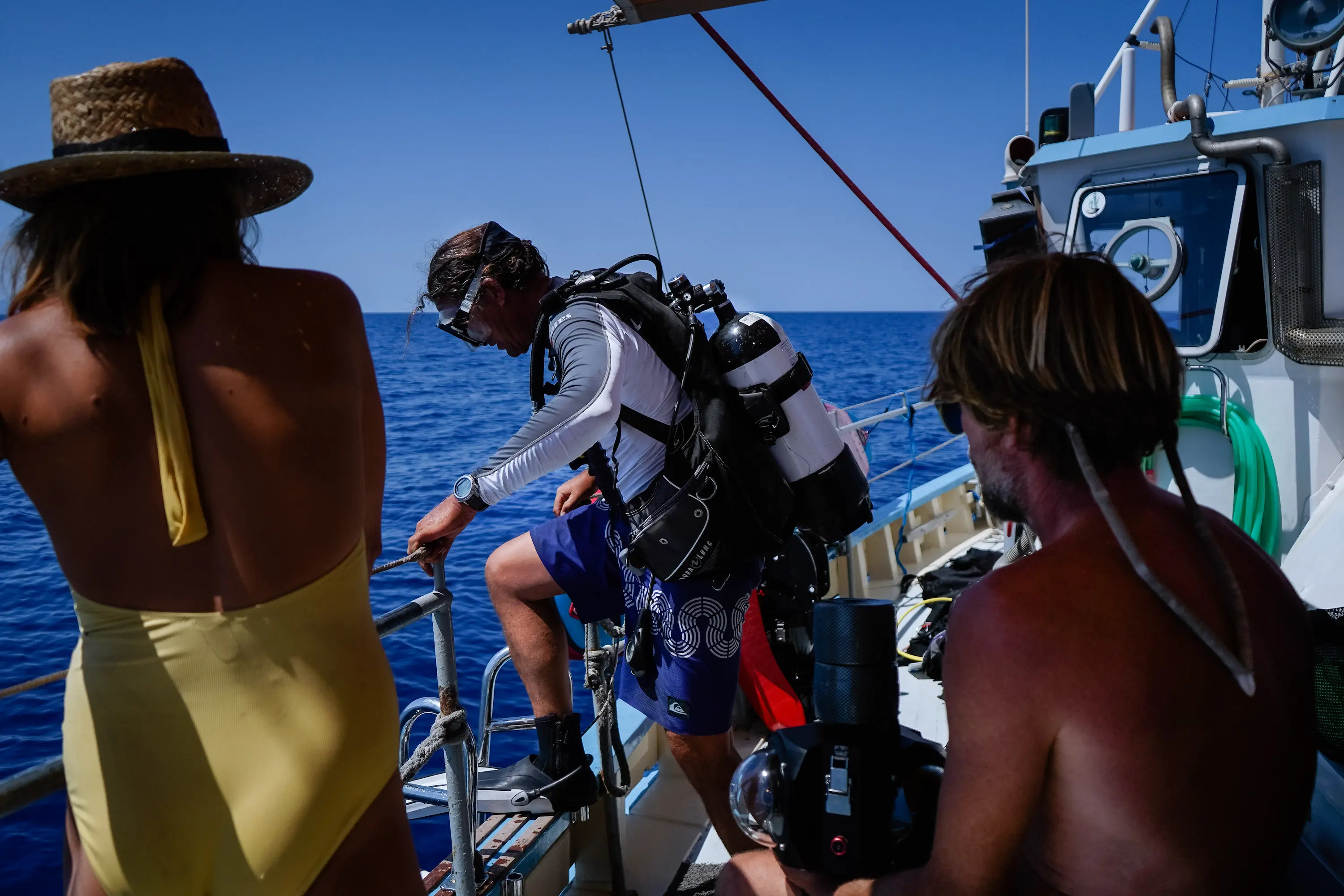
Bromeo diciendo que soy de Pete mal marinero porque todavía estoy aprendiendo todos los nudos y demás. Pero doy la bienvenida a los invitados y los cuido durante todo el día, y también diseño la experiencia gastronómica.
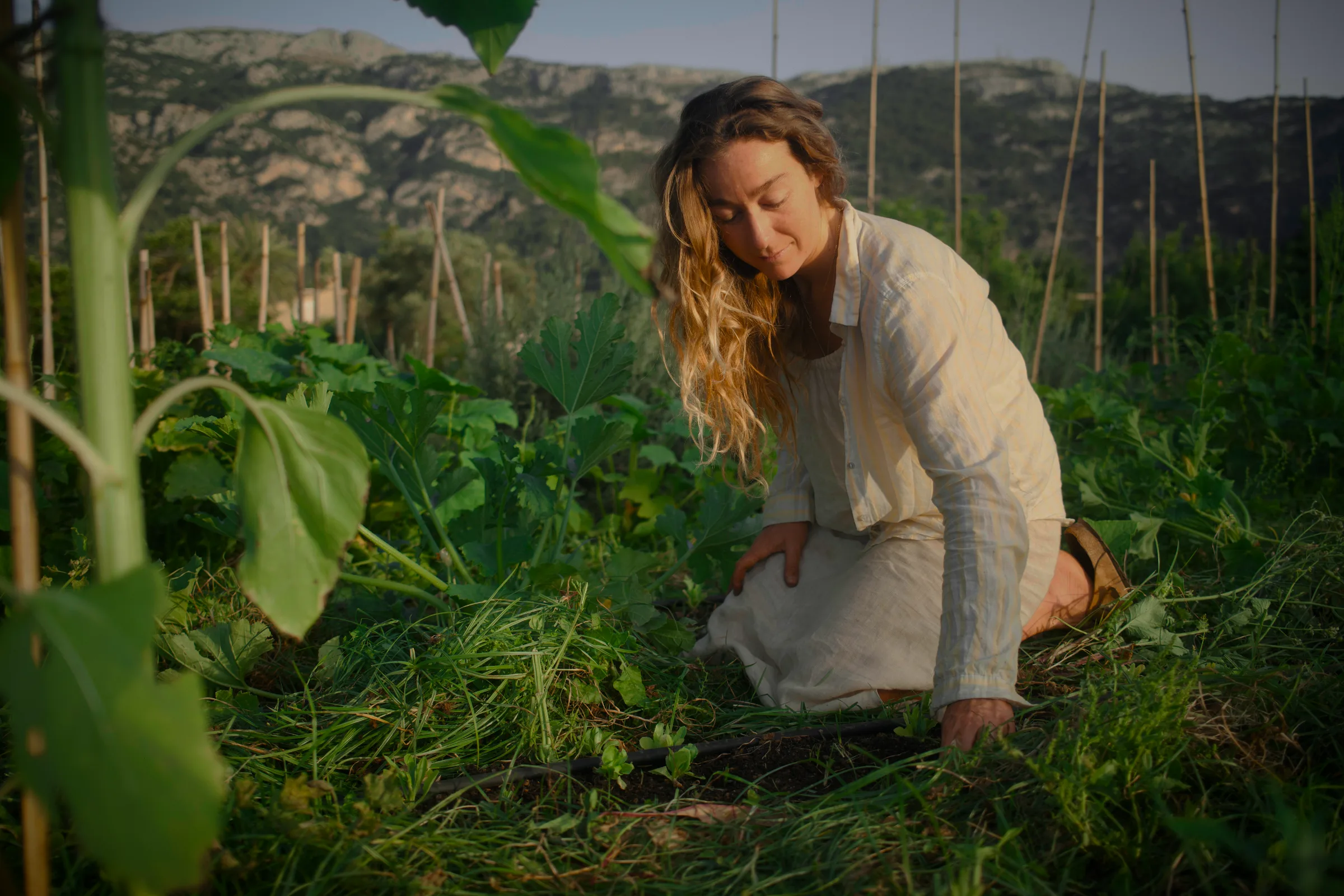
Mi enfoque es fresco, de temporada y basado principalmente en plantas. Cuando llegué a Mallorca y descubrí la Tramuntana, me sorprendió que tantas personas siguieran cultivando sus propios alimentos. Es el clima perfecto para experimentar con muchas plantas diferentes.
Tengo un pequeño huerto de hierbas aromáticas frente a nuestro taller y también cultivo alimentos junto con dos amigos locales de Sóller que tienen más de sesenta años. Ellos aportan los conocimientos tradicionales y yo aporto nuevas ideas, y nos encontramos en algún punto intermedio. Cultivar nuestros propios alimentos también es una de las mejores maneras de evitar los envases de plástico.
Me encanta la fermentación y la conservación: recolectar ingredientes en primavera y abrirlos meses después. Horneo pan de masa madre a bordo en el horno de carbón, hago queso fresco con leche de cabra procedente de una granja del centro de la isla y preparo diferentes platos de origen vegetal según lo que esté disponible. A veces es muy espontáneo. Podríamos detener el coche porque vimos un arbusto lleno de alcaparras o aceitunas. Siempre de temporada. Hacemos nuestro propio vinagre. Y hace poco preparé una salsa de chile que empecé a fermentar hace dos años, con mango y jalapeños amarillos que yo mismo cultivé.
También estoy experimentando con plantas amantes del mar. Llevo un tiempo intentando cultivar salicornia, o espárragos de mar, en el barco. Es delicioso y está lleno de minerales, aunque conseguir las plántulas ha sido sorprendentemente difícil.
Para nosotros, la comida es una parte esencial de la experiencia del día: compartir algo de temporada, sencillo y nutritivo mientras estamos en el mar.
Cada expedición ofrece 10 lugares del alma y 2 lugares de la voz. Se unen diez participantes con entradas, que financian directamente la expedición y contribuyen a las actividades estructuradas de monitoreo en el mar. Hay dos plazas reservadas para científicos, profesionales de la conservación o colaboradores locales cuya experiencia contribuya directamente a la misión. Por lo tanto, si eres investigador, artista, estudiante o alguien que trabaja en un proyecto relacionado con el mar, ponte en contacto con nosotros directamente.
El objetivo es seguir construyendo una comunidad de personas que se preocupan por entender y proteger el Mediterráneo. Queremos ser un puente práctico entre la ciencia, la participación y el mar abierto.
https://www.bonnielasscharters.com/expeditions

%20Hannah%20Goldsmith-137.webp)