Magaluf ya está en proceso de transformación. Es una tarea difícil porque estamos hablando de un profundo cambio de paradigma. Vengo del sector turístico y asumí el cargo en mayo de 2023, como parte de un gobierno de coalición entre el Partido Popular y Vox. Para nosotros, el turismo no es una opción; es nuestra única industria. Queríamos impulsar significativamente la revitalización del destino de Calviá.
Es importante entender la escala de Calviá: 54 km de costa, 19 centros urbanos y una de las mayores capacidades hoteleras de España, con más de 60.000 camas. Sin embargo, casi la mitad de esta cantidad se concentra en Palmanova-Magaluf. Magaluf es una «patata caliente» que todo el mundo ha estado transmitiendo de un lado a otro, una zona que sufre una grave estigmatización. A pesar de las inversiones que el sector privado ya ha realizado en la industria hotelera durante los últimos diez años aproximadamente, seguíamos en el punto de mira de la tormenta mediática. Es muy fácil hacer sensacionalismo en Magaluf: basta con añadir el nombre a cualquier incidente para que la noticia llegue a todo el mundo y ensombrezca todos los esfuerzos de renovación.
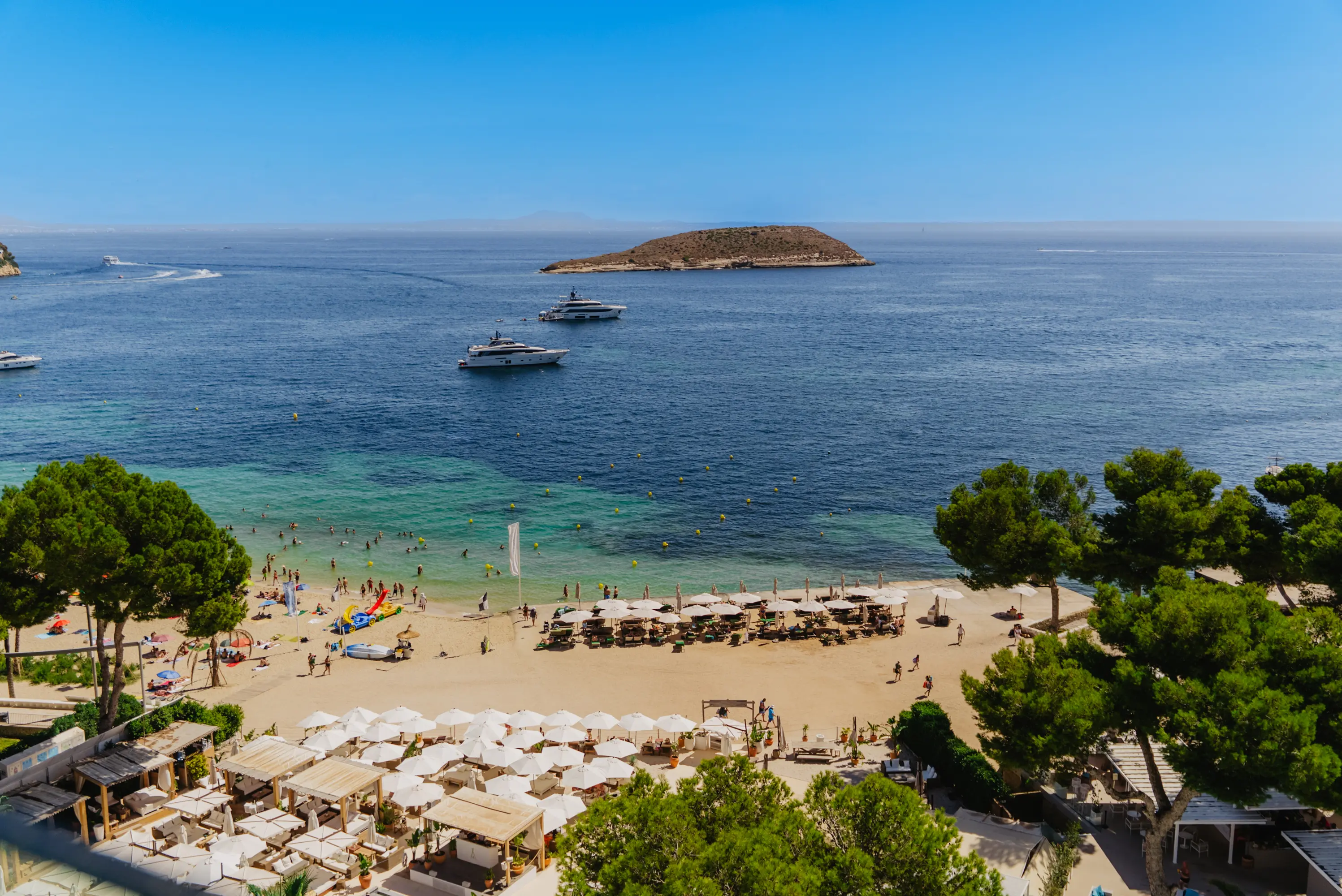
Estamos haciendo grandes inversiones para acabar con este estigma y demostrar que Magaluf es ahora el hogar de una gran playa, clubes de playa y restaurantes de primera clase, pero sobre todo, de una convivencia respetuosa.
.webp)
Era una prioridad absoluta. Tan pronto como asumimos el cargo, en estrecha colaboración con el consulado británico, intensificamos la campaña «Quédate con tus amigos». En junio de 2023, reuní a toda la comunidad: hoteleros, comerciantes, operadores turísticos, la universidad y el gobierno de las Islas Baleares. El objetivo era claro y compartido: lograr «cero balcones».
Es importante entender lo que está en juego: detrás de estos casos se esconden auténticas tragedias familiares y sociales, en las que jóvenes de veinte años pierden la vida. Más allá del inmenso dolor que esto causa a las familias, cada accidente nos hace retroceder en los medios de comunicación con respecto a todo el trabajo preliminar que estábamos realizando. Socavó nuestros esfuerzos por revitalizar la imagen de la ciudad.
Por lo tanto, trabajamos incansablemente en la sensibilización y la prevención directa. Gracias a este esfuerzo colectivo e incansable —toque madera— no hemos tenido ningún caso de este tipo en los últimos años. La última tragedia se remonta ahora a mayo de 2022.
La filosofía es completamente diferente. La antigua ley castigaba a todo el mundo de manera indiscriminada mediante un sistema de zonificación demasiado amplio, que cubría prácticamente la totalidad de Magaluf. Queríamos cambiar eso. En lugar de castigar a los propietarios de negocios, los empresarios y los residentes locales, el objetivo es atacar a la persona que comete un delito. En términos prácticos, hemos reducido el ámbito de aplicación a la calle Punta Ballena, que es el verdadero punto neurálgico.
Esta ley está respaldada por importantes recursos financieros. Permite que cuatro destinos (Sant Antoni de Portmany en Ibiza, L'Arenal en Llucmajor, Playa de Palma en Palma y Magaluf en Calviá) reciban financiación para reforzar la seguridad, mejorar la comunicación y fomentar la convivencia armoniosa entre turistas y residentes.
.webp)
.webp)
El objetivo era llevar el espacio público al mismo nivel que las inversiones privadas masivas realizadas por grupos como Meliá, Fergus y Globales. Estos operadores hoteleros han transformado sus establecimientos, y el ayuntamiento tenía el deber de seguir su ejemplo para garantizar que el destino siguiera siendo coherente. Actualmente estamos finalizando la segunda fase del paseo marítimo, que se inaugurará a finales de junio y que, a petición de los empleados de Meliá, lleva el nombre de Gabriel Escarrer Juliá.
Este nuevo paseo marítimo va acompañado de la renaturalización de las playas, incluida la plantación de palmeras. Pero también estamos tomando medidas en el mar: hemos instalado boyas inteligentes que miden la temperatura, la seguridad y la limpieza del agua. Además, hemos desplazado las boyas que marcan la zona de acceso de los barcos a 200 metros de la costa para proteger a los nadadores y la costa. Por último, hemos comprado dos hoteles abandonados, en Peguera y Magaluf, con el fin de demolerlos.
Tenemos una planta de tratamiento de aguas residuales en Santa Ponsa que recoge un enorme volumen de agua. Tradicionalmente, esta agua se descargaba directamente al mar después del tratamiento. Ahora, antes de descargarla, recuperamos una gran proporción para usarla en el riego de nuestros jardines públicos. Ahora estamos optando por venderlo a grandes fincas privadas. Tras un exitoso plan piloto en el hotel Mardavall de Son Caliu, acabamos de firmar un acuerdo con Hotell Del Mar en Illetas. Actualmente estamos invirtiendo 4 millones de euros en nuevas tuberías para ampliar esta red.
Durante tres años, solo en Magaluf, habremos invertido entre 16 y 18 millones de euros. Esto se desglosa de la siguiente manera: alrededor de 8 millones para el paseo marítimo, 3 millones para la compra y demolición de dos hoteles abandonados en Paguera y Magaluf, y 3 o 4 millones para la adquisición de locales comerciales abandonados, además del presupuesto para la repavimentación de las carreteras. Estos fondos provienen del ayuntamiento, pero también de la ecotasa y de los fondos European Next Generation. Como Magaluf es una «zona madura», tenemos un acceso privilegiado a estos proyectos.
Magaluf ya no es solo un resort de playa; es un destino para la cultura y los eventos. Ahora organizamos importantes eventos internacionales, como el Mallorca Live Festival, el festival literario Flem y la conferencia audiovisual Conecta. También estamos invirtiendo en nuestro patrimonio al convertir la Torre Nova, una torre de defensa del siglo XV, en un espacio público cultural y educativo. Al ofrecer gastronomía, deporte y cultura, estamos dando a las personas motivos para visitar en marzo o noviembre. Nuestra estrategia es crecer en calidad más que en cantidad y extender la temporada. Esto está dando sus frutos: el número de hoteles abiertos durante todo el año ha aumentado un 20%.
Usamos datos para poner este debate en perspectiva. Gracias a nuestras herramientas de «destino turístico inteligente», sabemos que el verano pasado, la tasa media de ocupación en nuestras playas fue solo del 50%. Incluso una playa como Magaluf solo tenía la mitad de su capacidad (3000 personas). Puede haber hacinamiento de vez en cuando, como el 15 de agosto en Illetas, pero nuestros letreros interactivos, que hemos instalado en todo el municipio, ahora dirigen a las personas hacia las zonas menos concurridas para mayor comodidad.
El problema se debe en gran medida a los alquileres vacacionales ilegales, que han reducido la oferta de viviendas para la población local, especialmente para los jóvenes. Son ellos los que, en este momento, no pueden encontrar un lugar donde vivir y se ven obligados a vivir con sus padres o en alojamientos compartidos. Estamos intentando invertir esta tendencia para proteger los intereses de los residentes. A través del programa «Construir para alquilar», estamos transfiriendo terrenos públicos a promotores para que construyan viviendas asequibles (VPO), dando prioridad a los jóvenes de Calviá y a los residentes que trabajan aquí.
En Calviá, el 80% de la población vive y trabaja gracias al turismo. La gente sabe que es nuestro elemento vital económico. No ha habido protestas importantes contra el turismo, como hemos visto en Palma y Barcelona. Mi mensaje es claro: hay una vida nocturna y queremos que la haya. Debe haber espacio para todo. Lo fundamental es que estos diferentes aspectos coexistan con respeto mutuo.