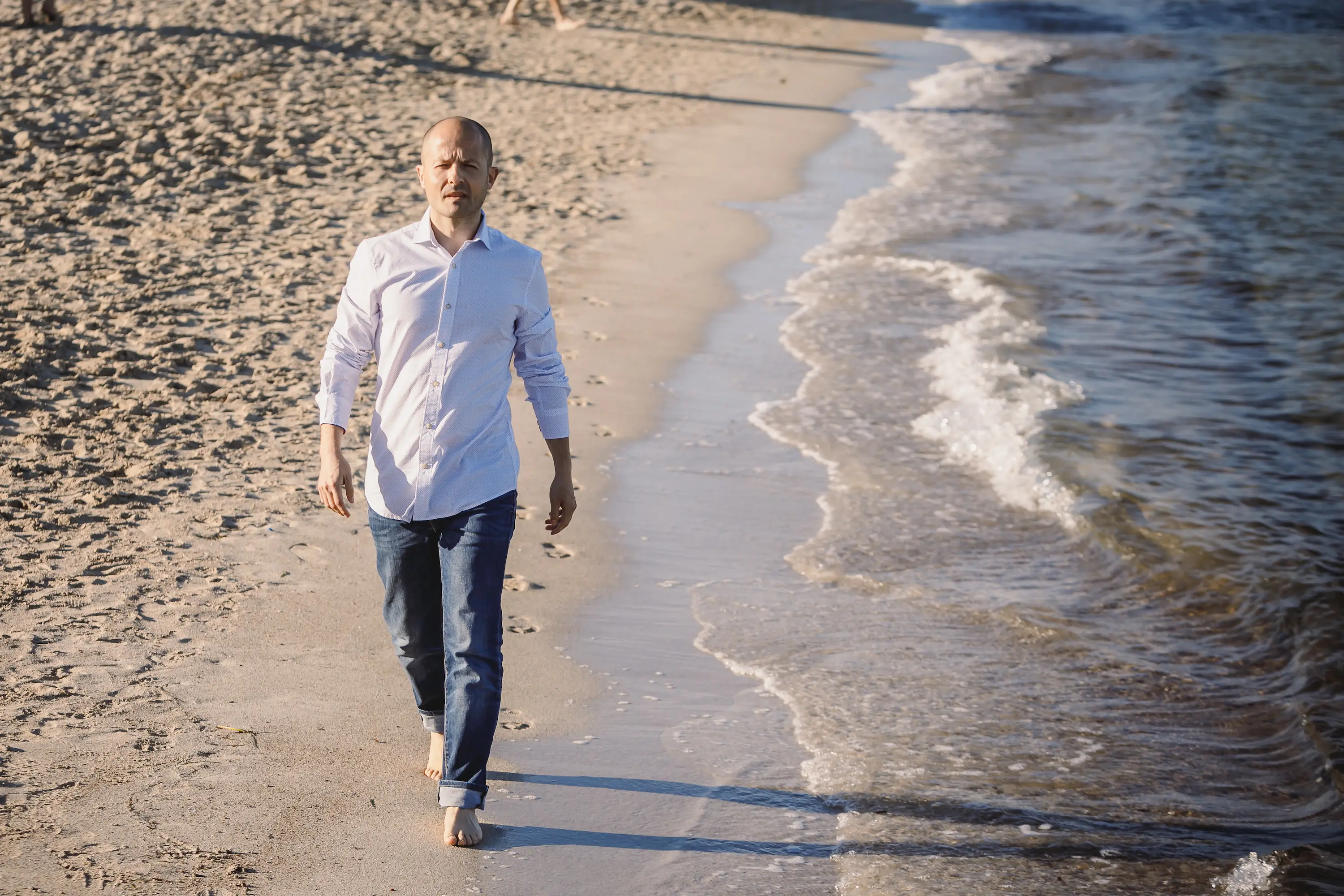
There came a point when clinical practice showed me symptoms, but I felt the map was missing. I couldn’t connect all the pieces of the patient, and that created more frustration than answers. Right then, 22 years ago, I discovered a European master’s program in Girona and had a clear intuition that this was what I was looking for. I left everything and took the leap. Psychoneuroimmunology brought order to that chaos and completely changed the way I understand human beings.
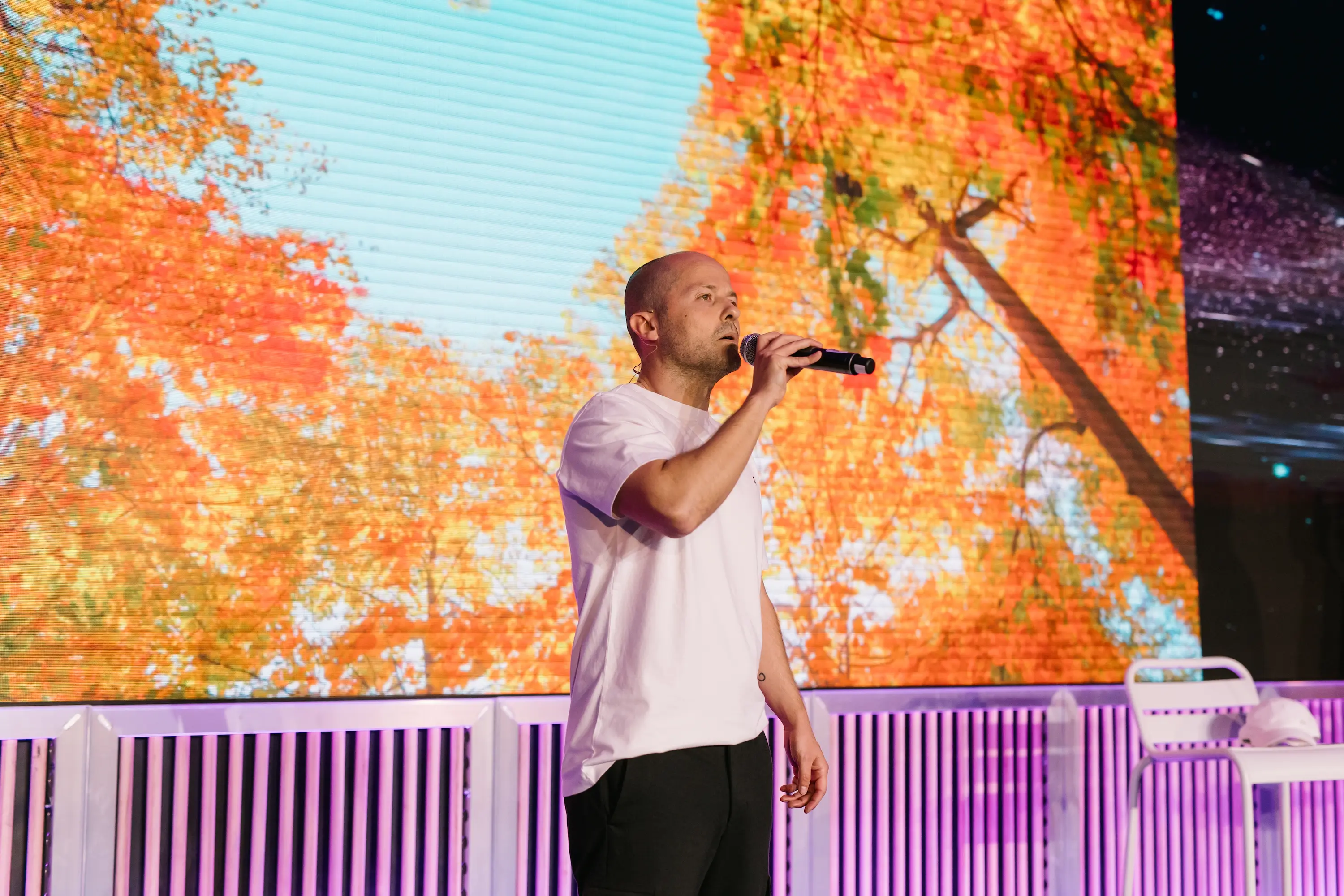
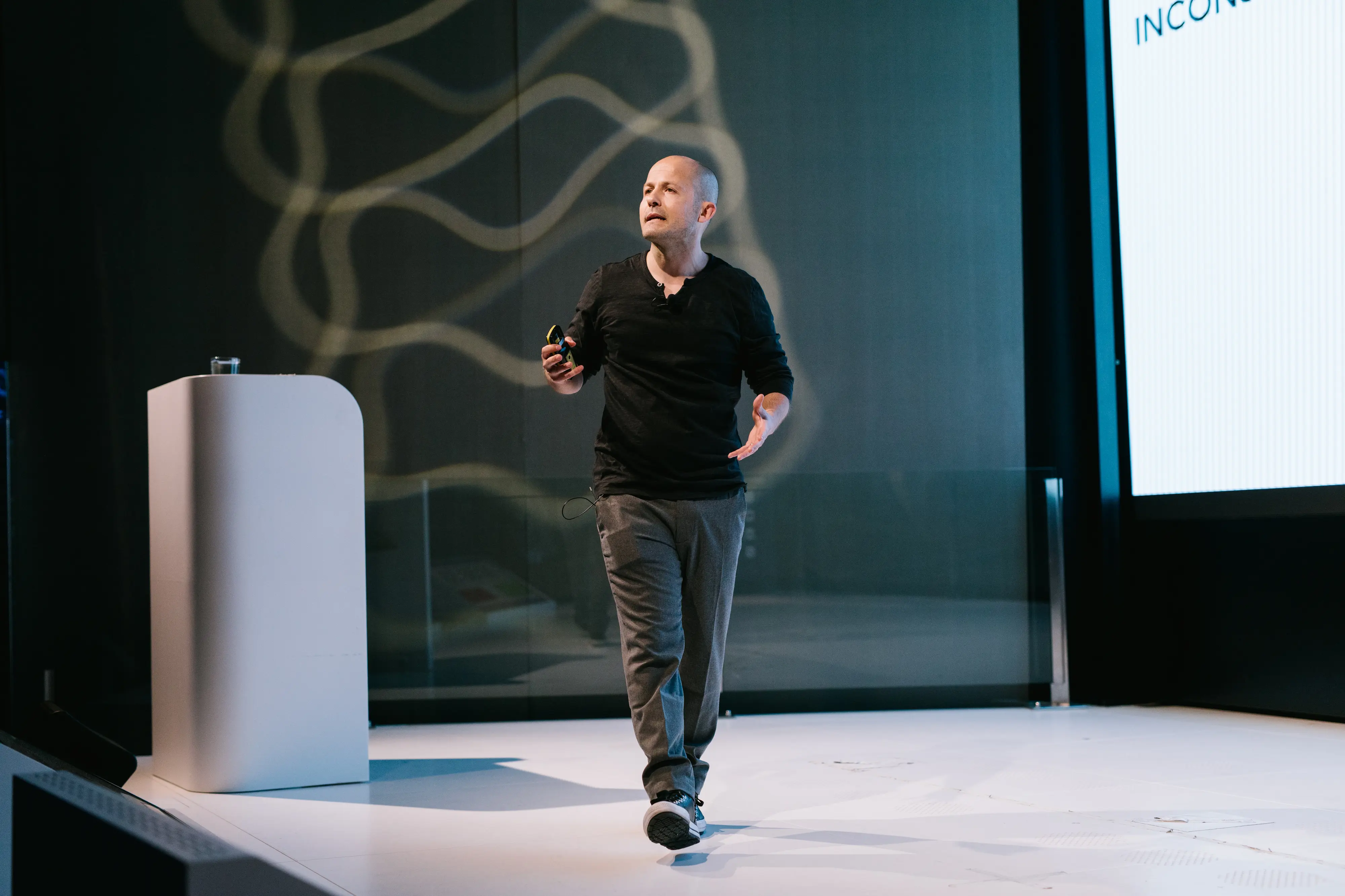
Emotional legacy is not symbolic, it’s pure biology. We know that in most symptoms and chronic illnesses there is a common denominator: a dysregulated nervous system that keeps inflammation active. And that dysregulation doesn’t appear out of nowhere, it comes from early experiences, sustained stress or patterns inherited from the family system. But we also can’t forget our habits. How we sleep, eat, move and relate can activate or deactivate those patterns. When we work on the emotional origin and align habits, the body exits the state of alarm, so health and longevity begin to change.
People with good health share something very simple: they don’t go against their biology. They regulate their nervous system well, know how to distinguish noise from priority, and maintain an active attitude toward their own growth. They make decisions and take responsibility for what’s theirs. In addition, basic habits like sleep hygiene, healthy eating and movement are naturally embedded in their routine and don’t depend on willpower.
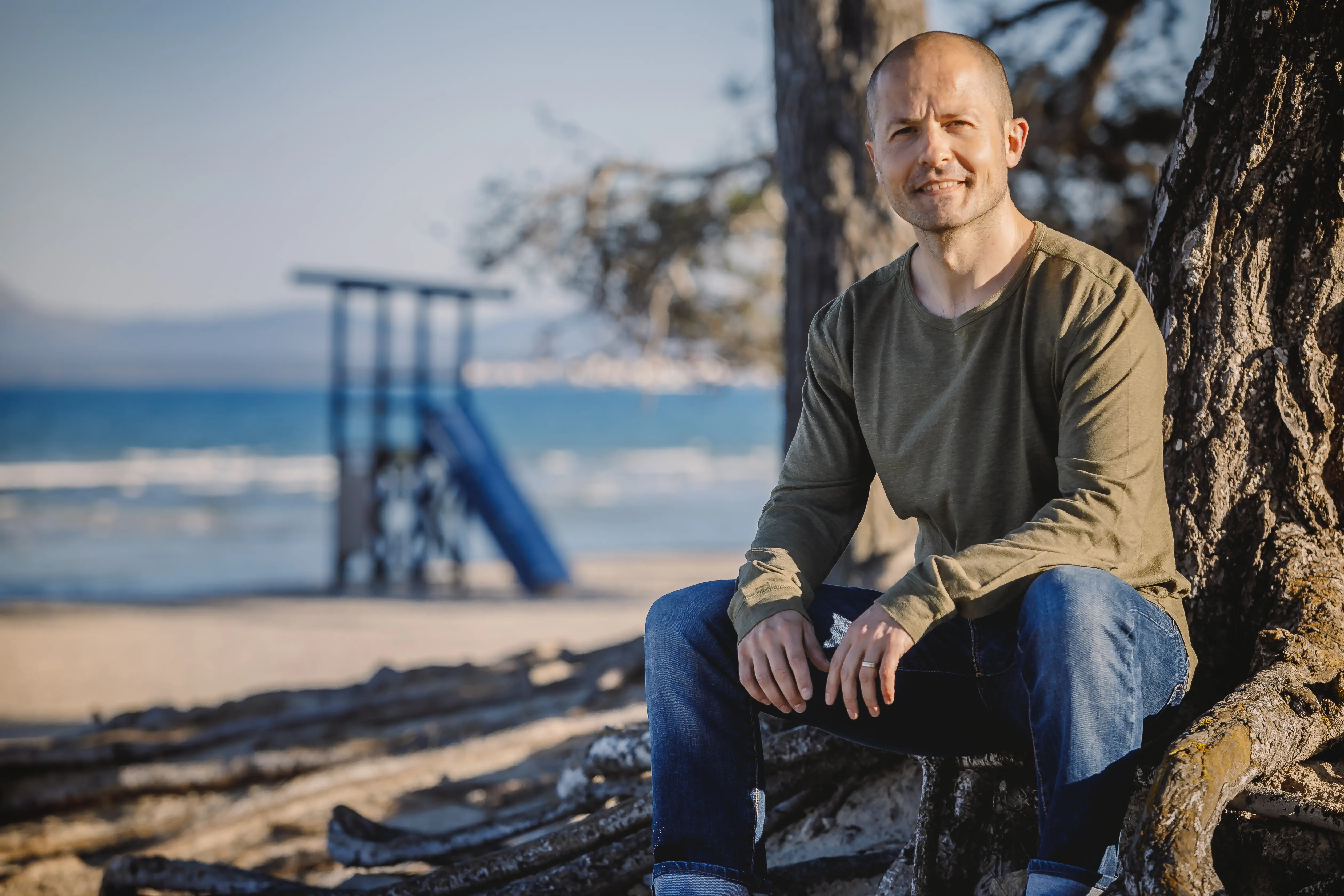
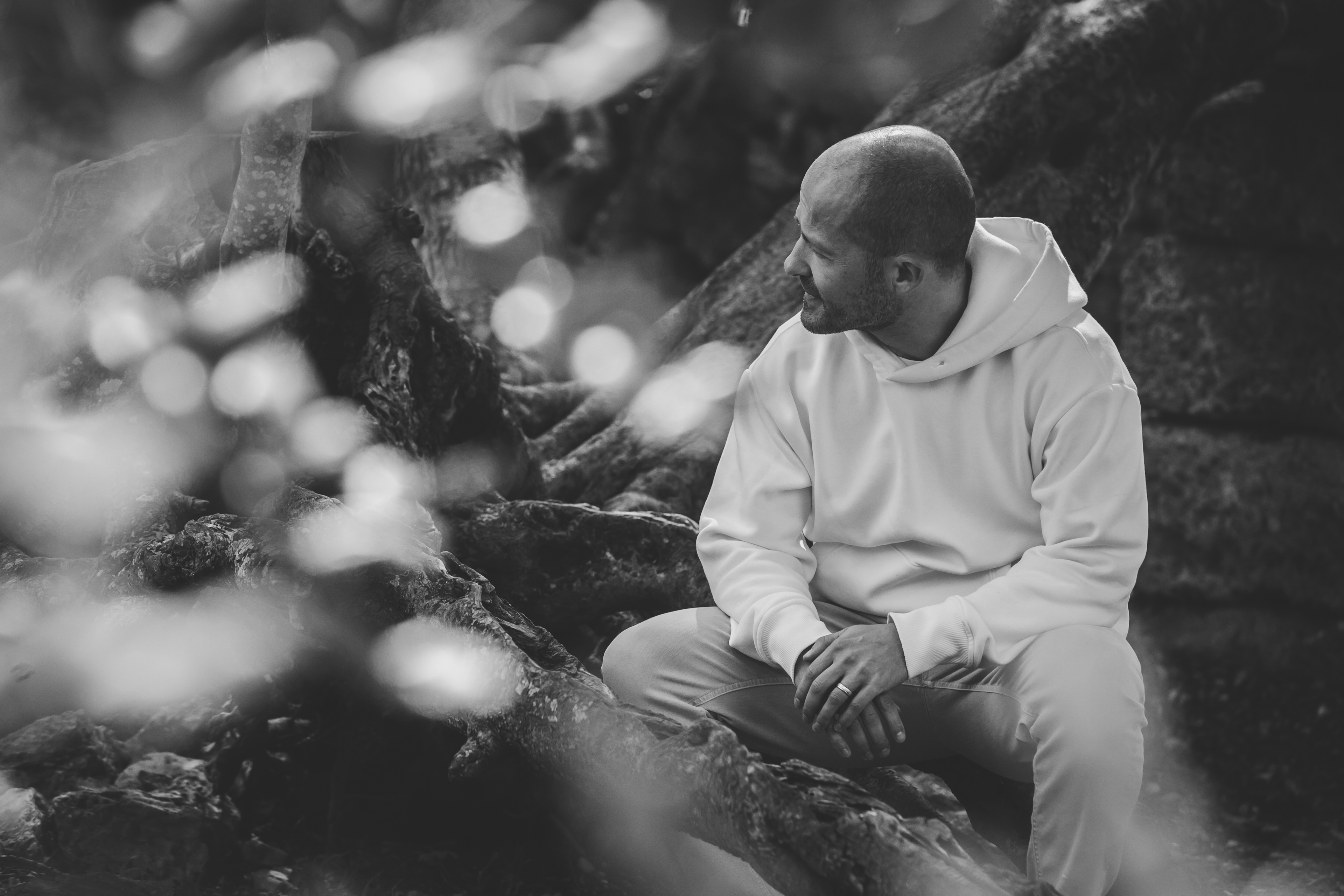
People don’t just want to live longer, they want to stop living exhausted. The wellness boom arises because the current model generates inflammation, stress and a sense of losing control over one’s own health. Longevity has become a trend because many people feel they’re not living, just enduring. And what they’re really looking for, even if they call it “wellbeing,” is something much more basic: regaining energy, clarity and autonomy over their health.
I think we’re going overboard with technology. In the West we’ve industrialized longevity, while in the Blue Zones, the regions most studied for their high life expectancy, no one depends on biometric sensors or complex machines. Their secret is something else: mental peace, healthy bonds, daily movement and nutrition aligned with their biology. That said, when used well, technology is a great advance for measuring, individualizing and preventing, but it can also increase obsession. If we become slaves to the device, we lose what’s essential. Longevity is born in how we live, not only in what we measure.
In ten years, longevity has gone from being a nearly marginal topic to becoming a billion-dollar industry. We’ve gained science and useful biomarkers, but also noise, marketing and increasingly complex solutions to problems that remain basic. The real evolution isn’t in machines, but in understanding that chronic inflammation, stress and incoherent habits are still at the heart of the issue. Everything else helps, but it doesn’t replace living well.
Mallorca has something that can’t be manufactured: a combination of light, sea and nature that helps regulate the body from day one. And it’s not just the landscape, but how the island invites you to live more slowly, more connected and more aligned with our biology. Of course, everyone experiences it in their own way, but the island makes it easy. Mallorca has a natural talent for caring, and those who live here know it better than anyone.
Living in Mallorca touched something deeper than lifestyle. The day I arrived, I discovered that my great-grandfather and great-great-grandfather were Mallorcan. I understood that my roots were here, and I feel the island as home. Living in a village surrounded by nature has also reordered my priorities: health with a natural rhythm, real relationships and a simpler, more coherent purpose. Mallorca hasn’t just changed the way I work, it has changed the way I live.
Our retreats are designed to create a physiologically favourable environment: movement including padel, supporting the circadian rhythm through natural light, rest and activity, cold exposure to regulate inflammation and optimise resilience, coherent nutrition and direct work on the nervous system. We aim to create experiences that reproduce the conditions that improve biological adaptation. In just a few days, participants experience what usually takes months to integrate: a body that responds better and a clearer mind.
Make the most of the gift of being alive. Mental peace governs physiology, and when it’s lost, everything falls into disorder. Train your ability to enjoy, to be happy and to keep your balance when life gets complicated. That is good health. And it’s what sustains everything else.