Close Search
A Century Later, Gaudí's Mark on Mallorca's Cathedral
- By
Mario Flores
sustainability 2030
off the island
A Century Later, Gaudí's Mark on Mallorca's Cathedral
Aug 19, 2026
by
Mario Flores
A Century Later, Gaudí's Mark on Mallorca's Cathedral
sustainability 2030
off the island
Aug 19, 2026
by
Mario Flores
sustainability 2030
off the island
A Century Later, Gaudí's Mark on Mallorca's Cathedral
Aug 19, 2026
- By
Mario Flores
A Century Later, Gaudí's Mark on Mallorca's Cathedral
Aug 19, 2026
- By
Mario Flores
sustainability 2030
off the island
off the island
sustainability
A Century Later, Gaudí's Mark on Mallorca's Cathedral
Aug 19, 2026
- By
Mario Flores
Photo: Duncan Kendall
U

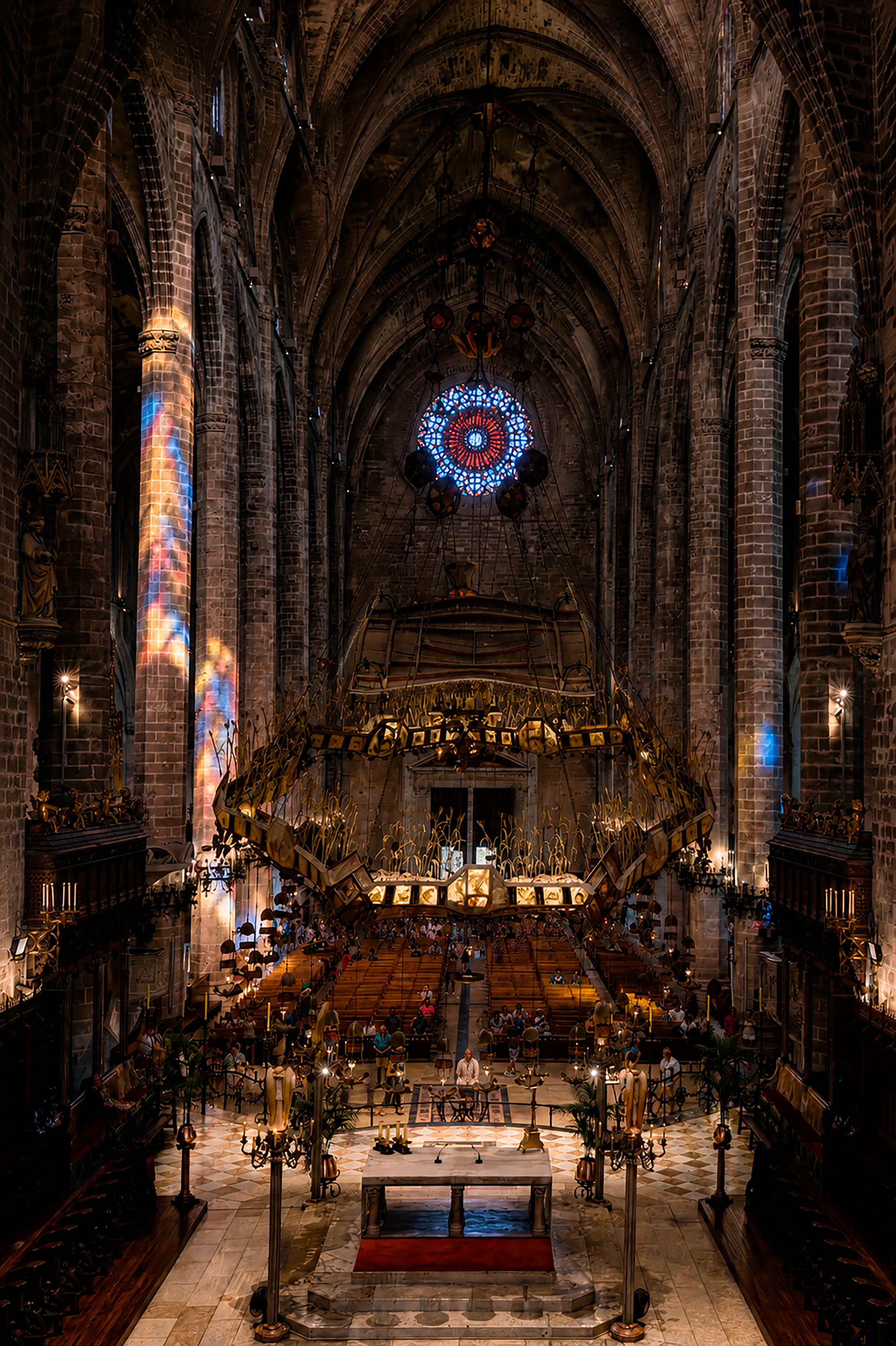
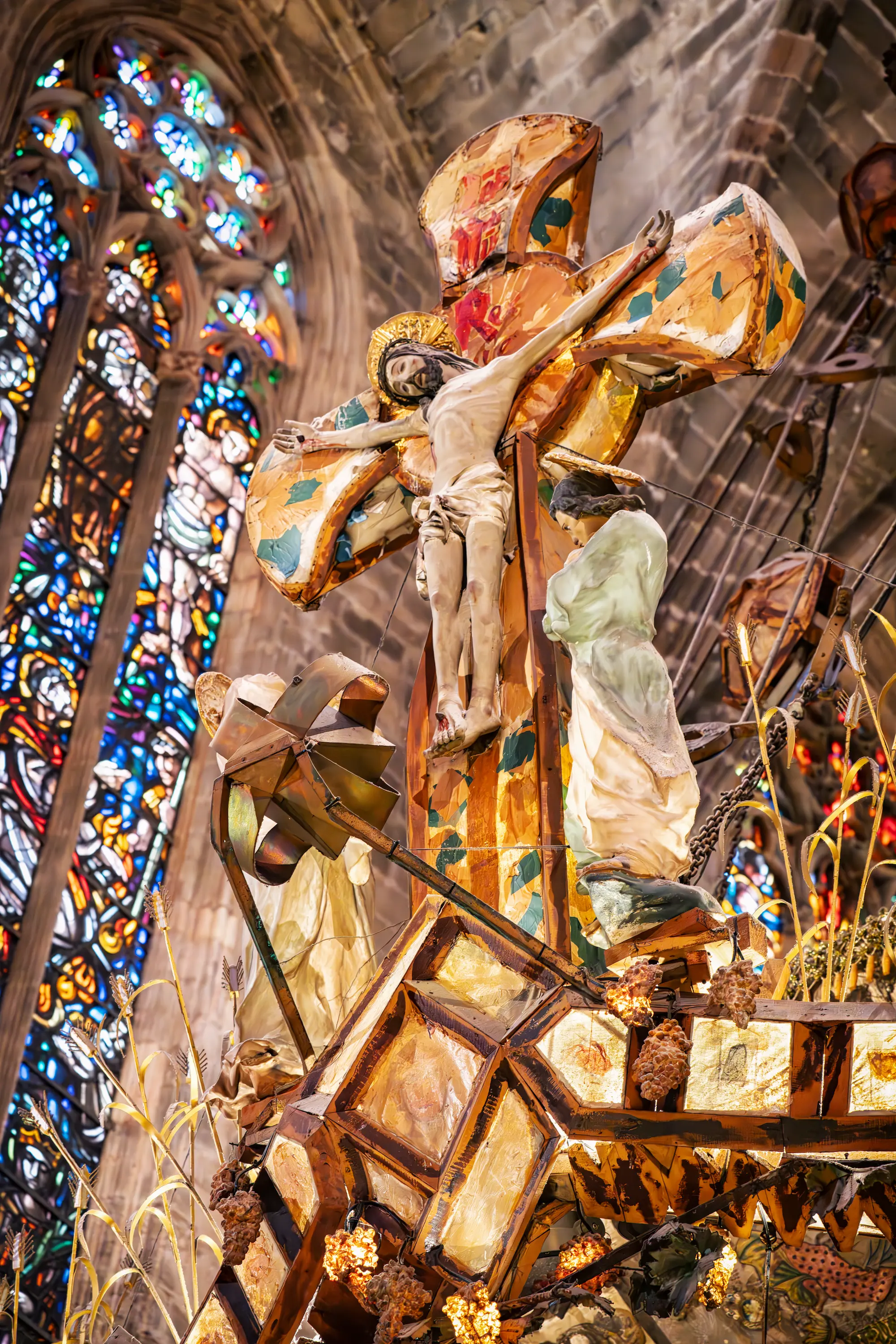
pon entering Mallorca Cathedral, the eye eventually settles on the baldachin suspended above the altar. Light, strange, and full of forms, it has spent more than a century defying gravity. Gaudí is easy to recognize there. Also in the lamps, the ceramics, the gilding, and Jujol's paintings. What's harder to discover is that his mark isn't only in the objects, but also in the way we perceive the Cathedral's space today.

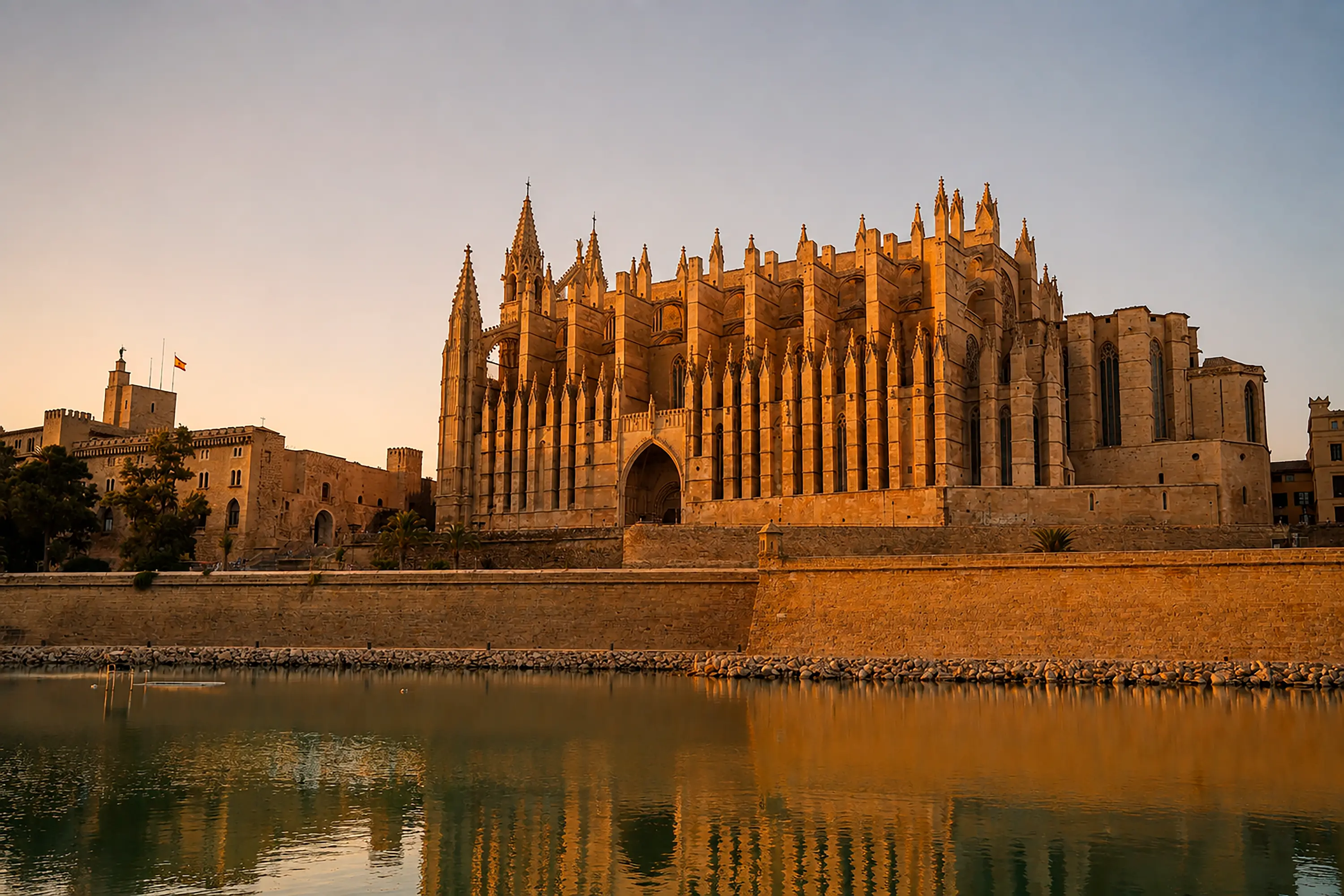
In 2026 it will be a hundred years since Antoni Gaudí's death. The anniversary invites a return to his most celebrated buildings, but Palma holds a work that's difficult to compare with any other in his career. The great silhouette of La Seu rising above the sea belongs to a story that had begun many centuries earlier. Gaudí did not build a house, a park, or a temple here from its foundations. His work unfolded within an already-built structure, with its own architecture and too many accumulated decisions to act as if none of it existed.


For Mercè Gambús, art historian and one of the leading researchers of the reform, this is the point that makes everything comprehensible. "What he did here in Mallorca, he never did in any other work of his," she explains. The Cathedral was the only great historic building already constructed on which he had the chance to intervene. Before creating, he had to listen.

That forces a correction to the story of the genius who arrives and transforms a monument through pure intuition. When Bishop Pere Joan Campins summoned Gaudí, the interior reform already had precedents. During the 19th century, the building's deterioration had required a deep restoration. Juan Bautista Peyronnet, responsible for the main façade we see today, had proposed removing the choir from the center of the nave and reorganizing the chancel. Campins picked up that plan and turned it into a liturgical restoration: an intervention meant to recover the arrangement that, in his understanding, had originally given the temple its meaning. The bishop was to occupy the cathedra, the canons to be positioned around him, and the faithful to take part before them, with a clear view of the celebration.
G

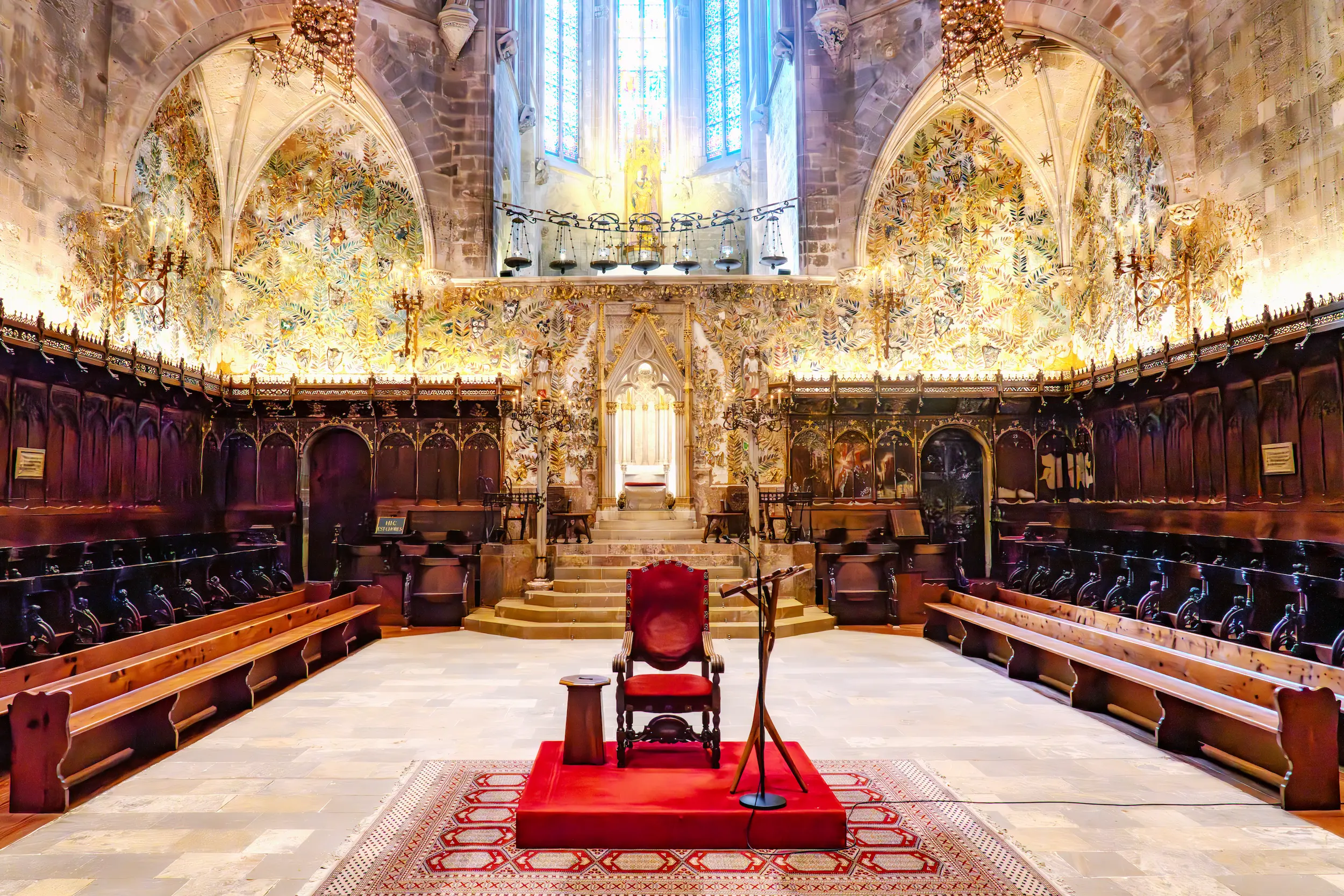
audí found his commission there. The choir occupied a large part of the central nave and fragmented the view of the temple. The chancel was cluttered with altarpieces and elements from different periods. The altar sat far from a community that could barely take part together in the services. The first major move wasn't to add, but to remove, shift, and reorder.

The choir was removed from the center of the nave. The choir stalls moved around the presbytery. The altar advanced toward the faithful. The bishop's throne recovered its position, and the Chapel of the Trinity became visible again. Suddenly, the Cathedral's height and breadth could be perceived in a new way. Gaudí hadn't built those vaults, but by clearing the nave he let them be seen again in their full scale.

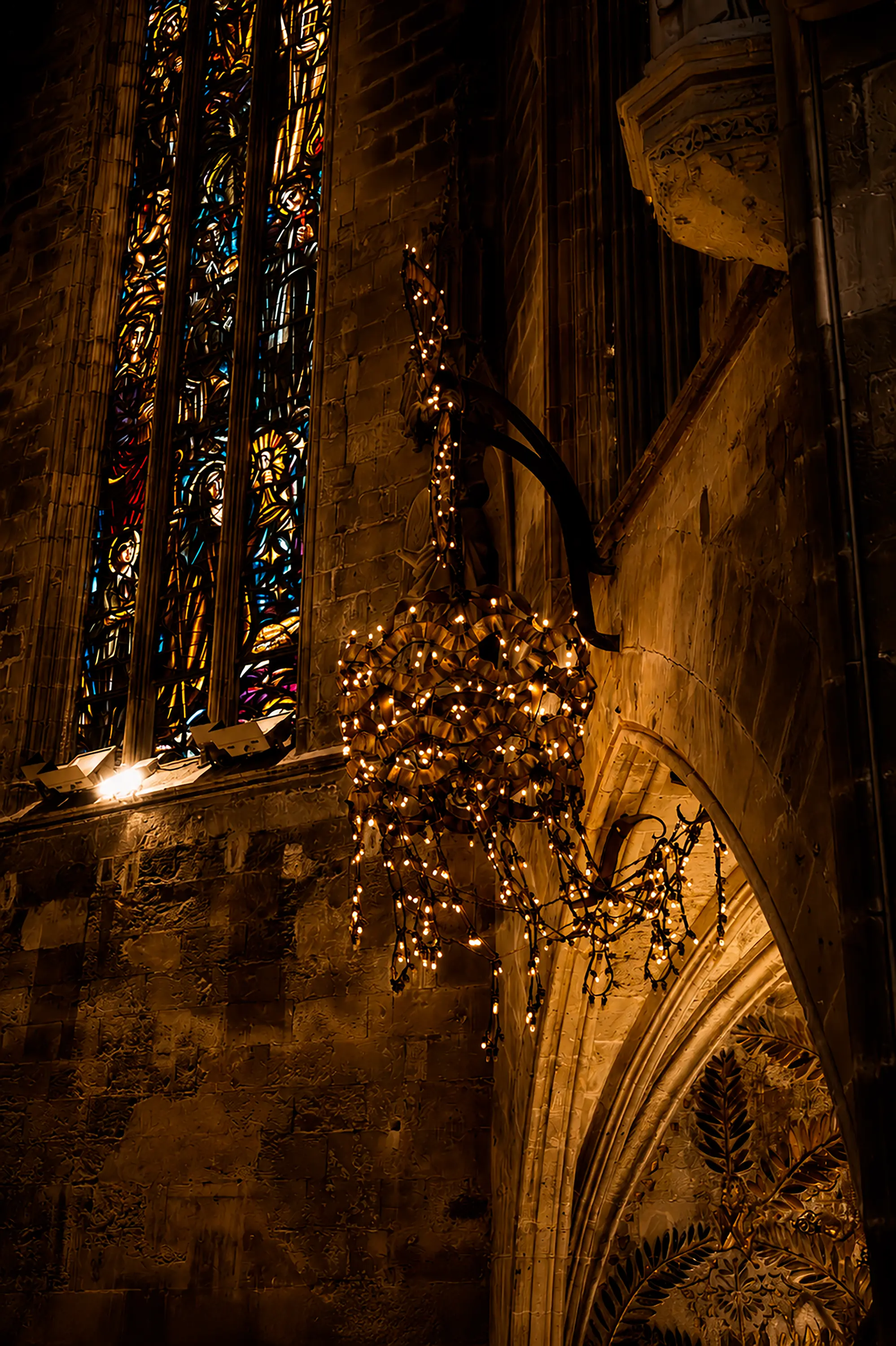
The light also began to behave differently. By clearing the nave and freeing the chancel, Gaudí not only recovered the building's depth: he allowed the lighting to once again organize the space and guide the gaze toward the altar. He later reinforced that effect with the stained-glass windows, electric light, and the lamps placed around the columns. In La Seu, lighting wasn't simply about making the architecture more visible, but about deciding how it should be perceived.


That's why Mercè uses a particularly useful word to describe his role: scenographer. Not because the reform was theatrical, but because Gaudí organized a scene in which people, the altar, music, light, and architecture had to communicate with each other. His intervention directed the gaze and gave the nave back to the public.

Then came the Gaudí that's easier to point to. The wrought iron curving around the columns. The lamps that bring the immensity of the space visually down to a more human scale. The ceramics, color, and paintings developed together with Josep Maria Jujol. The stained glass, in which he experimented by layering panes of different colored glass. And, above all, the baldachin.

None of that was the work of one man alone. Gaudí coordinated architects, workshops, and craftsmen the way a conductor leads an orchestra. Joan Rubió, a specialist in geometry and structural calculation, acted as his representative in Mallorca during his absences. Jujol pushed the intervention toward some of its freest forms. The reform blends iron, wood, stone, glass, paint, and ceramic without clearly separating architecture, object, and decoration.

"The architect's intervention transformed the space, the light, and the relationship between worshippers and the temple — without erasing the centuries of history that preceded it."
Photo: Duncan Kendall
Join the conversation
Share your thoughts, tips, and local knowledge with our community
Discuss this story
Related Stories.
Dogs in Mallorca: Portixol - View Mallorca
Mar 31, 2026
sustainability 2030
Dogs in Mallorca: Portixol