Close Search
Béns d'Avall: Michelin-Star Cuisine in Mallorca’s Serra de Tramuntana
- By
Anne-Sophie Castro
sustainability 2030
off the island
Béns d'Avall: Michelin-Star Cuisine in Mallorca’s Serra de Tramuntana
Jan 14, 2026
by
Anne-Sophie Castro
Béns d'Avall: Michelin-Star Cuisine in Mallorca’s Serra de Tramuntana
sustainability 2030
off the island
Jan 14, 2026
by
Anne-Sophie Castro
sustainability 2030
off the island
Béns d'Avall: Michelin-Star Cuisine in Mallorca’s Serra de Tramuntana
Jan 14, 2026
- By
Anne-Sophie Castro
Béns d'Avall: Michelin-Star Cuisine in Mallorca’s Serra de Tramuntana
Jan 14, 2026
- By
Anne-Sophie Castro
sustainability 2030
off the island
off the island
sustainability
Béns d'Avall: Michelin-Star Cuisine in Mallorca’s Serra de Tramuntana
Jan 14, 2026
- By
Anne-Sophie Castro
Jaime Vicens
N

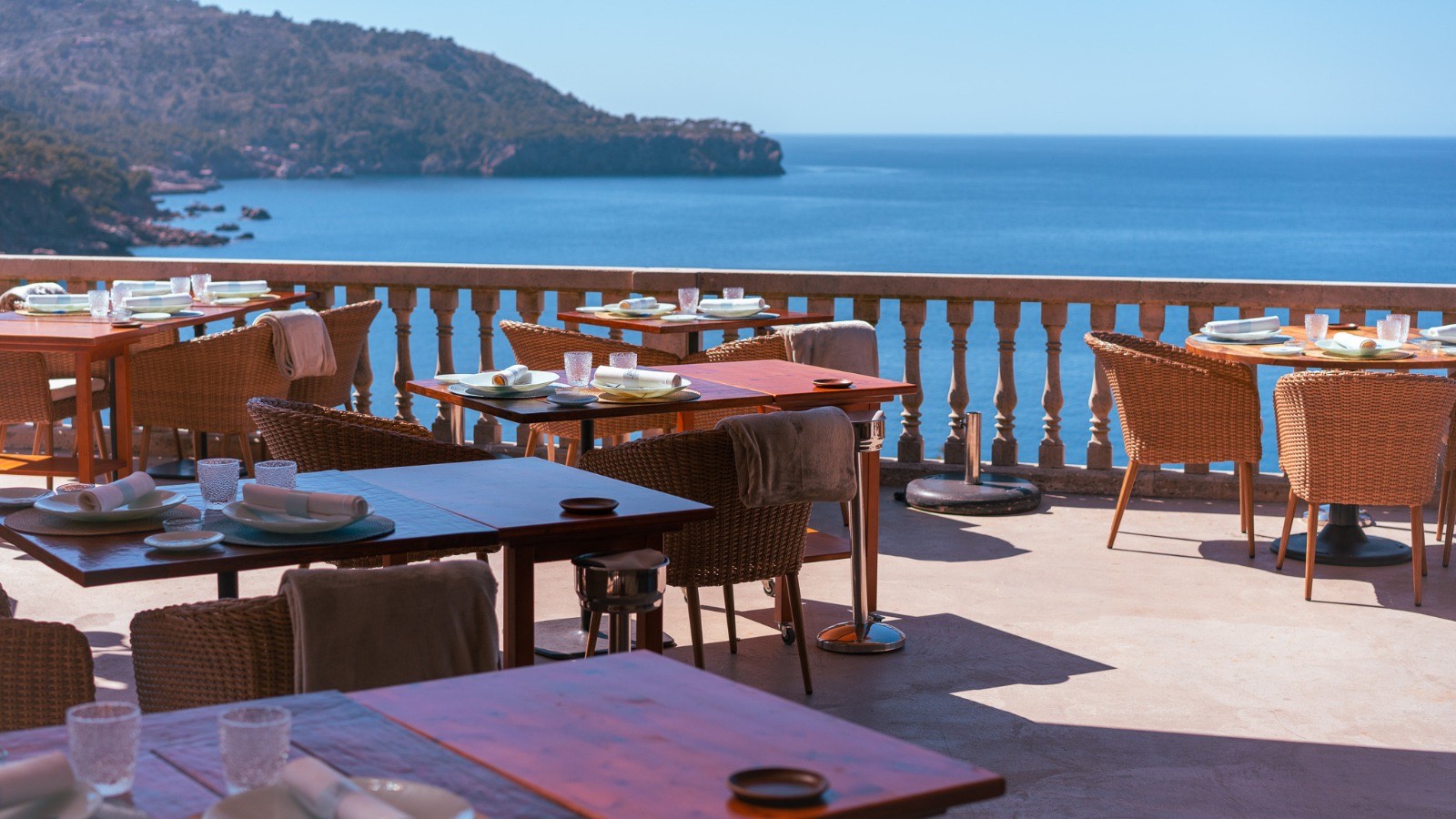
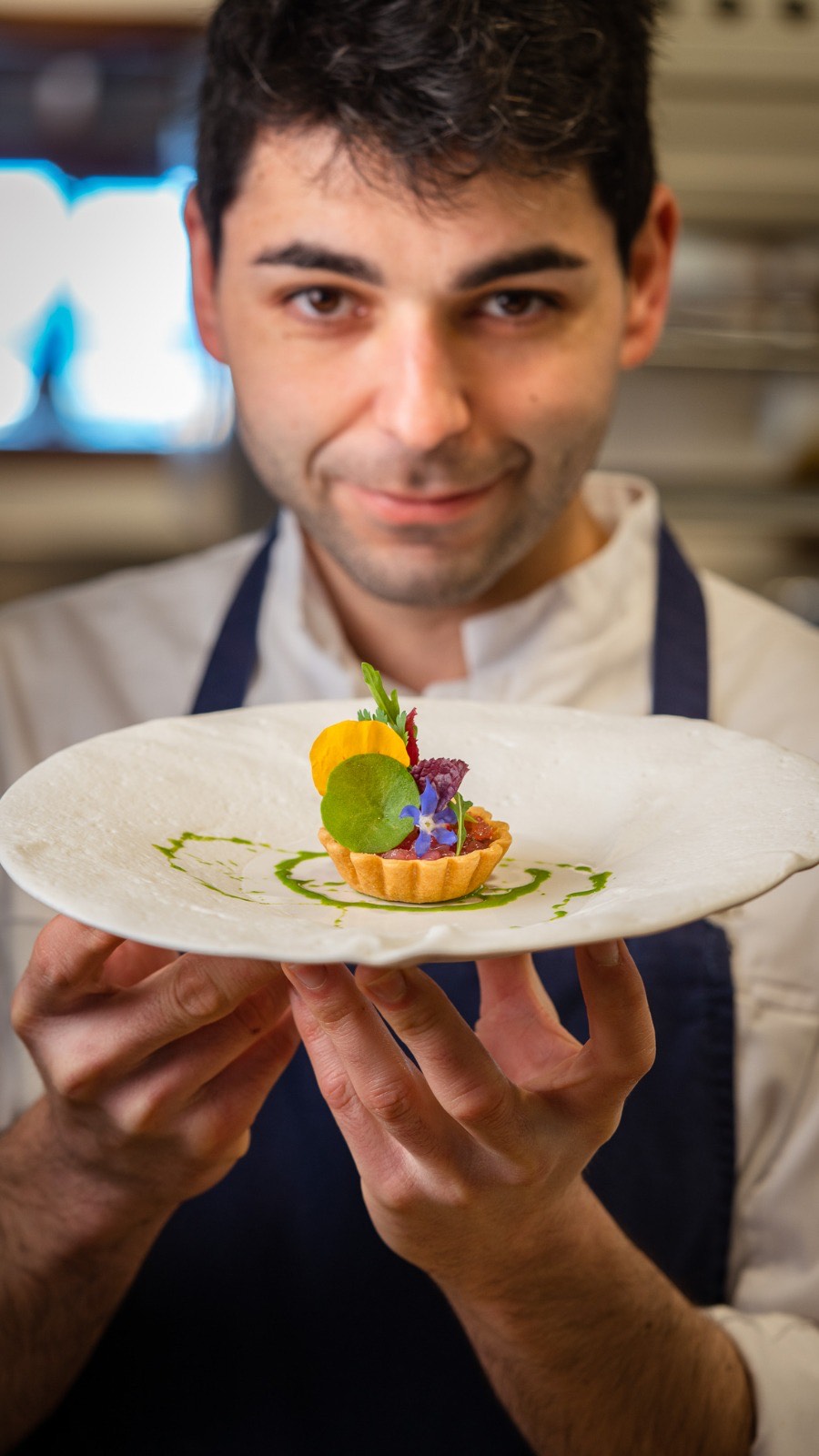
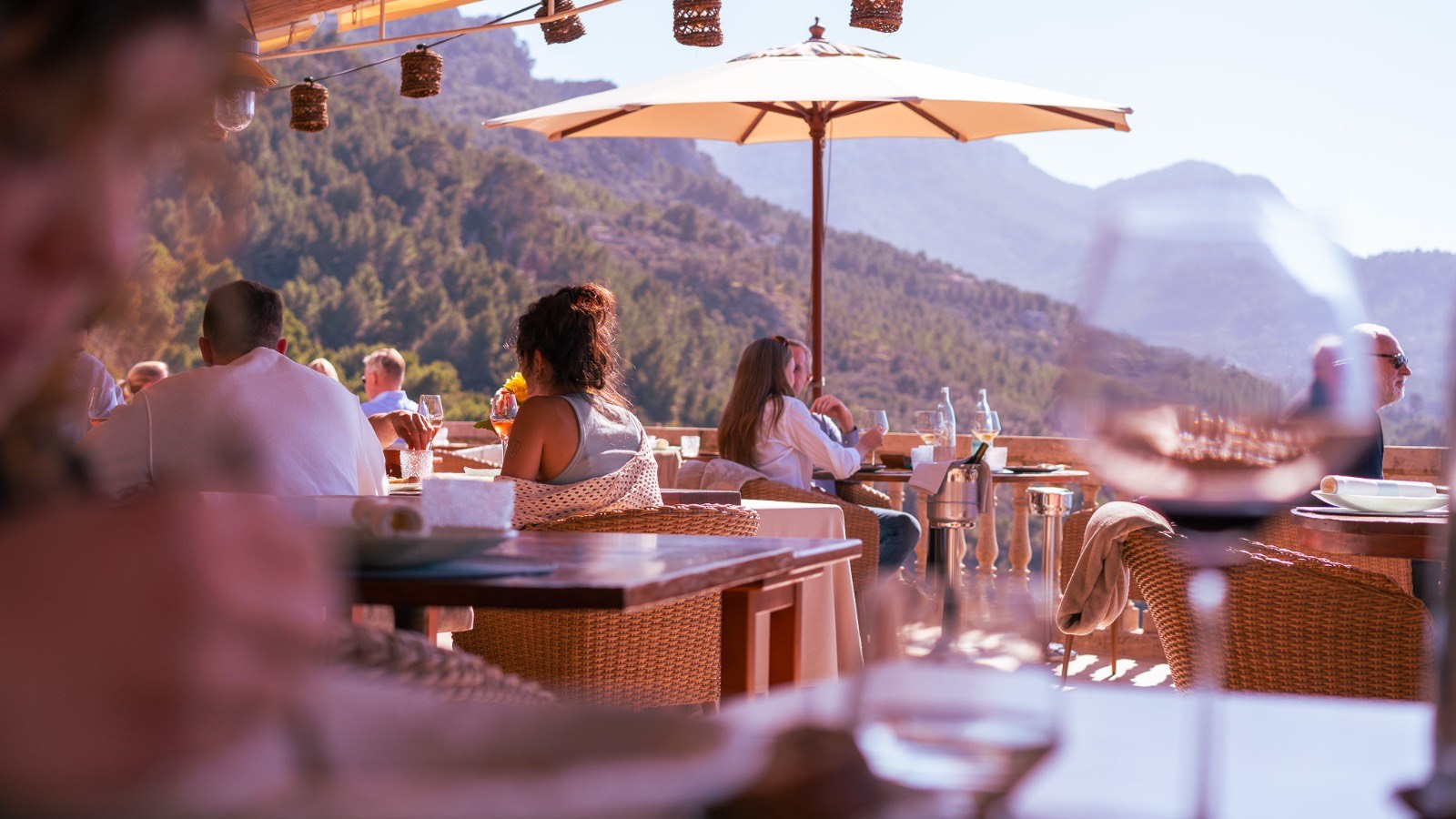
estled in one of Mallorca's most impressive landscapes, Béns d'Avall is not just a restaurant with a Michelin star and a green star, but a project deeply connected to the land, to memory, and to an honest way of understanding gastronomy. Under the culinary direction of Jaume Vicens and with the enological expertise of Manuel Zambrana, the experience at Béns d'Avall is built as a constant dialogue between cuisine, wine, and landscape.

At the helm of the kitchen is Vicens, who defines himself as a Mallorcan cook and head chef of Béns d'Avall, whose career is intimately linked to the restaurant's own history. Coming from a family closely tied to this place and to the restaurant business, his vocation emerged quite naturally. Over the years, his training and experiences outside the island have allowed him to learn both at home and through travel, broadening his perspective without renouncing his origins. Today, Vicens cooks "from maturity, with respect for what I've learned and a strong desire to keep evolving."

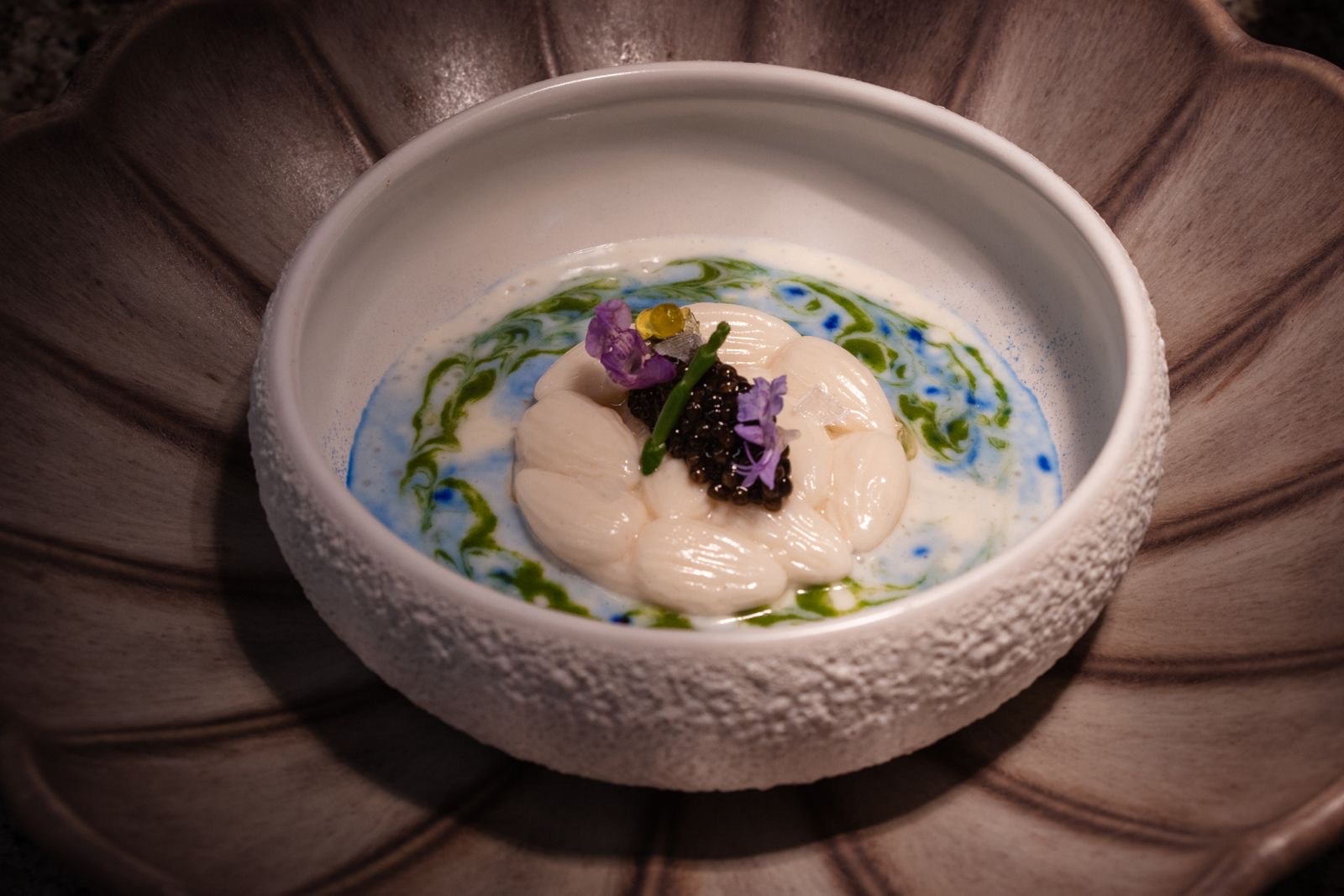
The gastronomic proposal of Béns d'Avall is articulated from a direct relationship with the surroundings. For Vicens, "the essence of Béns d'Avall is about place," and his cuisine is a way of interpreting Mallorca, and especially the Serra de Tramuntana, from a contemporary vision that remains faithful to its roots. The landscape influences everything: "it sets our rhythm, our products, and even the way we understand cooking," a cuisine based on "well-understood austerity, respect for the environment, and a natural beauty that translates into clean, balanced, and meaningful dishes." Cooking in this privileged enclave is, according to the chef, "a privilege and also a responsibility."

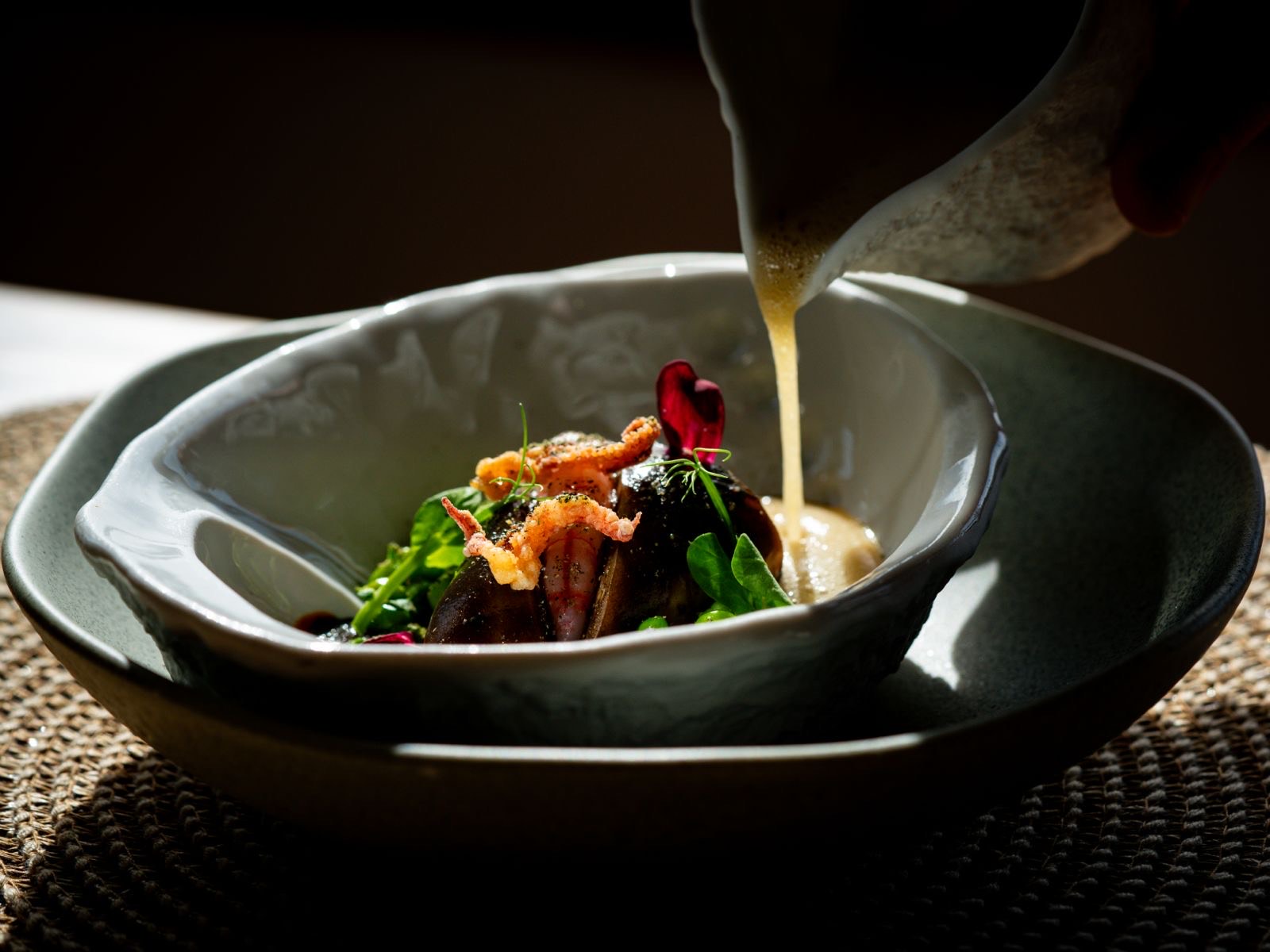
Local produce and seasonality are the pillars upon which each menu is built. In their daily work, they use "local fish, vegetables from small producers, Mallorcan lamb, olive oil from the Serra, and aromatic herbs from our surroundings," ingredients he considers essential because "they speak of who we are and where we are." In this context, seasonality is not experienced as a restriction, but as a natural guide: "The season is not a limitation, it's a guide."
A

lthough Vicens's cuisine dialogues with international references, these never override the product. He explains that international influences are part of his learning and his curiosity as a cook, but they are always applied with respect, maintaining coherence when "technique and ideas add value, but don't eclipse the flavor or the origin."

This balance between memory and creativity is reflected in dishes that reinterpret tradition. The chef speaks of creations born from "traditional dishes linked to the sea and the garden," connected to "family memories, childhood flavors," and transformed through contemporary techniques to tell a current story. It's a way of paying homage to Mallorcan cuisine without remaining anchored in the past. 

Working so closely with the natural environment means accepting its limits. Vicens acknowledges that "the greatest challenge is set by nature: the climate, the sea, the land," since not everything is always available in the desired conditions. However, this very reality becomes a source of inspiration, forcing him to "listen, adapt, and cook with humility." The variability of each season is, for him, one of the keys that keeps creativity alive.

Obtaining the Michelin star has reinforced this working philosophy. Beyond the recognition, it has meant "greater responsibility and an even higher level of self-demand." The goal is not just to maintain the award, but to "grow as a team, care for every detail, and continue innovating without losing our identity," a drive that Vicens attributes to the collective effort of "the entire team, who are the ones who really make the project possible every day."

Looking to the immediate future, the chef is clear about the path forward: continue refining the gastronomic proposal, deepen even further into local produce and the relationship between cuisine and wine, with the aim that each visit be "an authentic experience, linked to the landscape, the moment, and the people who make it possible." Evolving without losing one's soul is, in his words, the true objective.

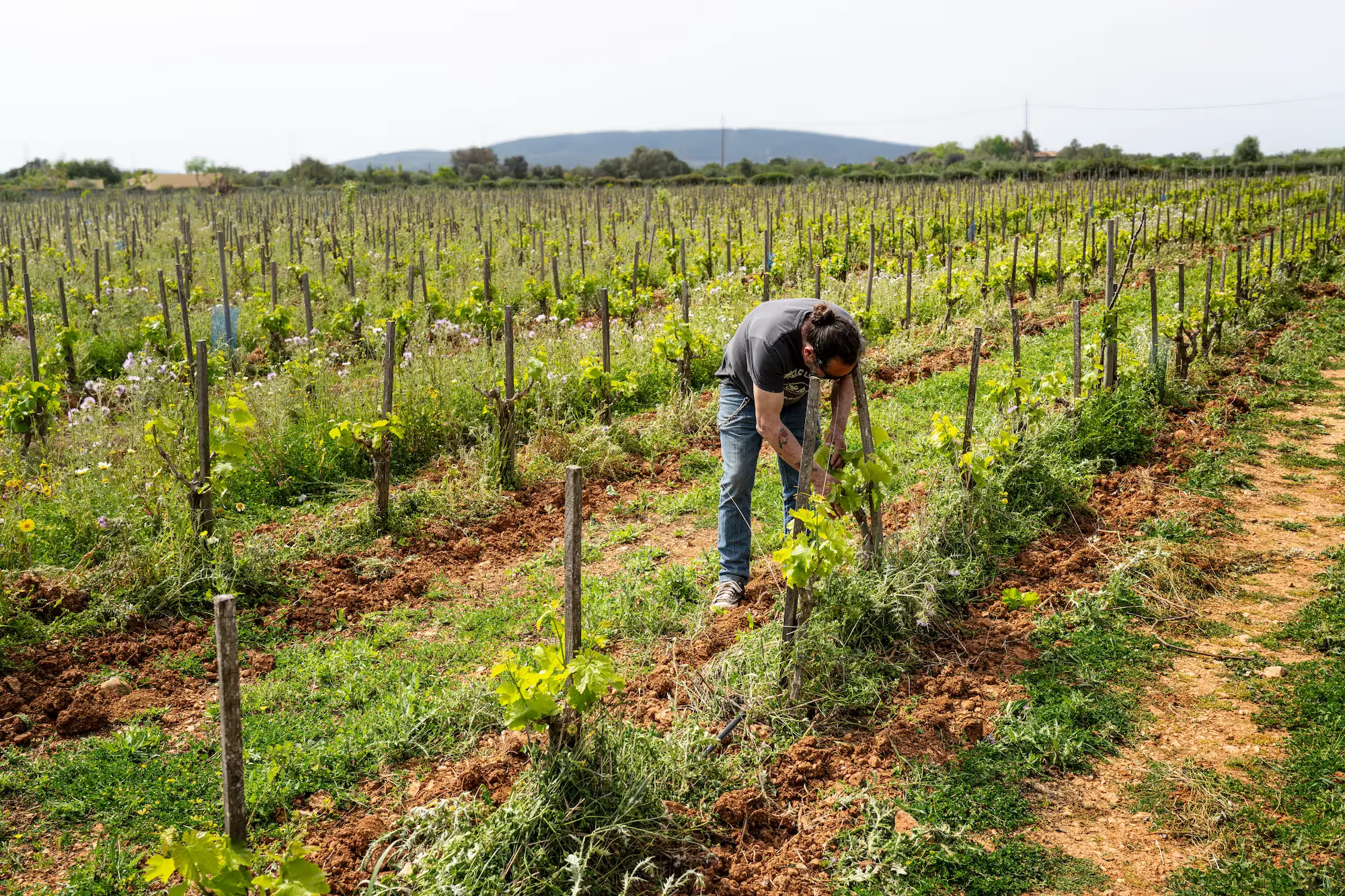
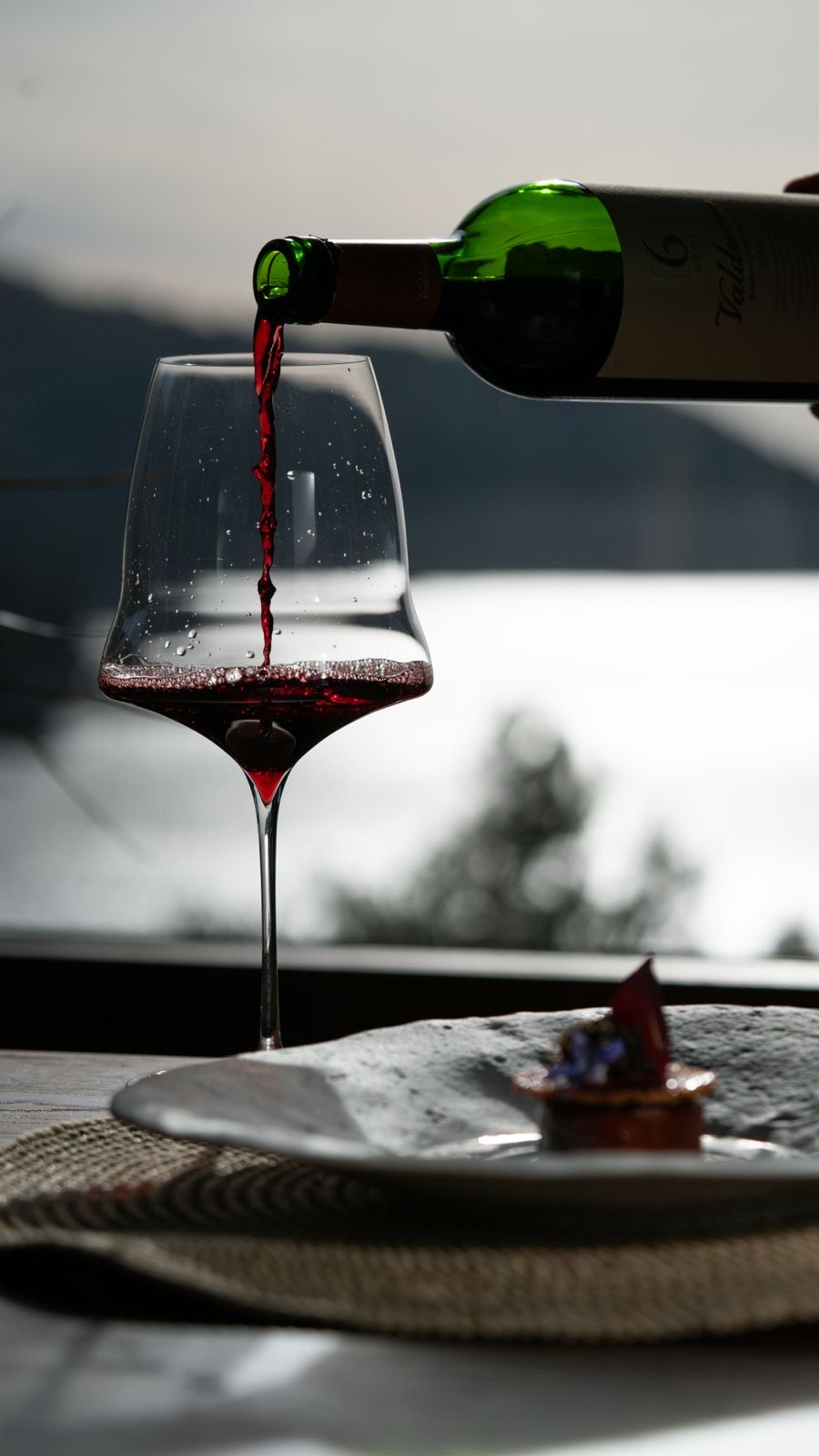
This dialogue between cuisine and wine extends naturally to the dining room, where Manuel Zambrana builds a wine list coherent with the restaurant's philosophy. For the sommelier, the wine selection starts, above all, from the type of cuisine carried out at Béns d'Avall, with a strong connection to the territory, though also influenced by factors such as "the Mediterranean climate, the restaurant's own location, or the months in which it remains open, focused mainly on spring and summer."

For Vicens, "the essence of Béns d'Avall is about place," and his cuisine is a way of interpreting Mallorca, and especially the Serra de Tramuntana, from a contemporary vision that remains faithful to its roots.
Courtesy of Bens d'Avall