
F
ourteen years after a citizen movement reopened Palma's old Renoir cinemas, CineCiutat is going through one of its best moments, according to its team. Its deputy executive director, Eugenia Sampedro, explains how films are chosen and new audiences reached in a project that is reactivating its volunteer base.
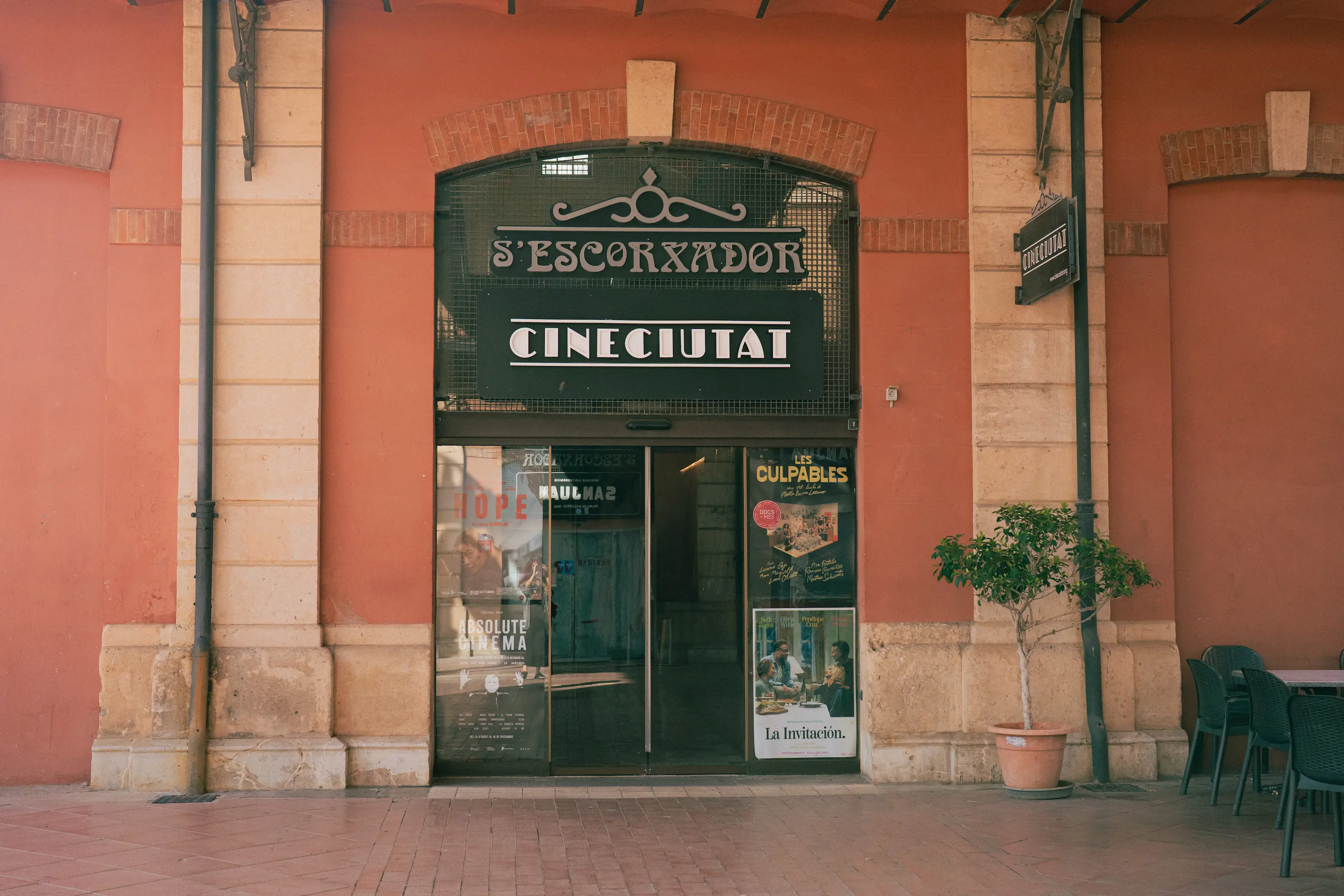
Full theaters tell only part of the story of CineCiutat, housed in s'Escorxador, Palma's former slaughterhouse. In September, around twenty people attended a meeting to revive its volunteer circle. According to Caterina Llabrés, who organized it, they wanted to give their time, contribute their skills and take part in what happens around the films. "It was a very hopeful meeting," she recalls. About fifty people had signed up, and many of those who couldn't attend wrote afterwards to stay connected to the process.
The meeting is part of a renewed push in the Communities area. Caterina, assistant director and head of educational and community work, explains that the circle had seen little activity for a while: there weren't enough hands to coordinate and support those who wanted to help. There was interest, but it needed continuity. Now they are organizing support for events, educational activities and outreach to new groups. On the programming side, Eugenia Sampedro helps make the decisions that shape this moment. She shares the work with Javier Pachón, the cinema's director. Together they choose which films reach the screens, how long they stay and which offerings might spark the public's curiosity.
CineCiutat was born out oof citizen participation. In 2012, the closure of the Renoir cinemas threatened to deprive Palma of one of its main screens for independent and original-language film. The Salvem els Renoir movement led to Xarxa Cinema, the non-profit association that runs CineCiutat. Hundreds of members and volunteers managed to get all four screens reopened in under three months. Those who had wanted to save the cinema were now taking charge of it.