F
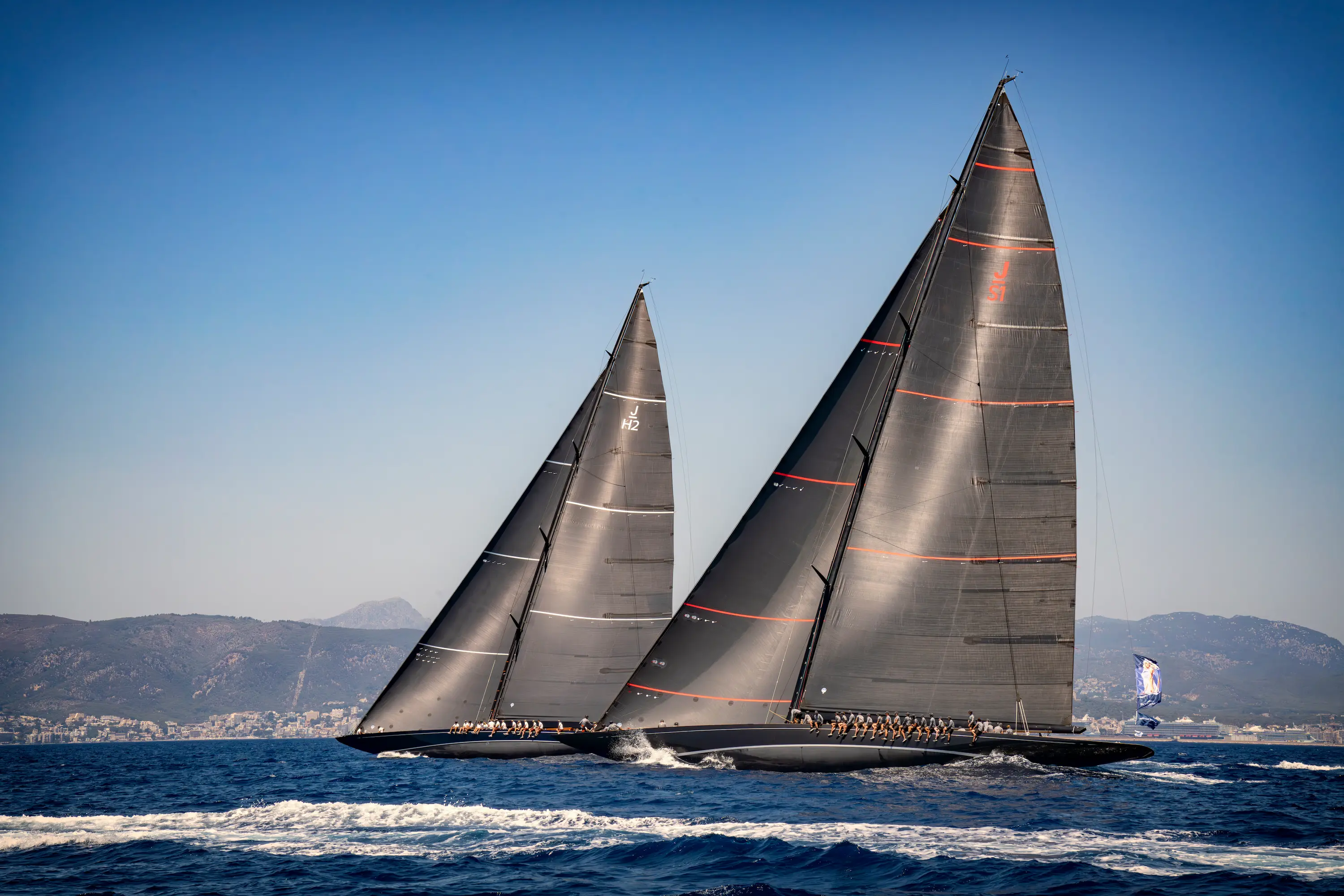
or thirty years, the Bay of Palma has served as the theater for a truly unique spectacle. Every year, The Superyacht Cup Palma Richard Mille gathers some of the world’s most exclusive sailing yachts that are over 24 metres long. These floating palaces, accustomed to the farniente of summer cruises in the Mediterranean and mild winters in the Caribbean, rediscover their original nature for the duration of a regatta: that of pure racing machines.
"We are delighted to welcome so many participants for our 30th anniversary," says Kate Branagh, event owner and director. This year, twenty superyachts moored at the Club de Mar Mallorca are competing in the Bay of Palma. The defining feature of this race? More than half of them are directly helmed by their owners. These wealthy individuals possess a deeply ingrained competitive spirit; they are willing to line up the zeros to fund these regatas, eager to push their giants to the absolute limit. Behind the scenes, this hands-on involvement is highly celebrated. "It’s a great signal for the competition and for the industry," explains Branagh.
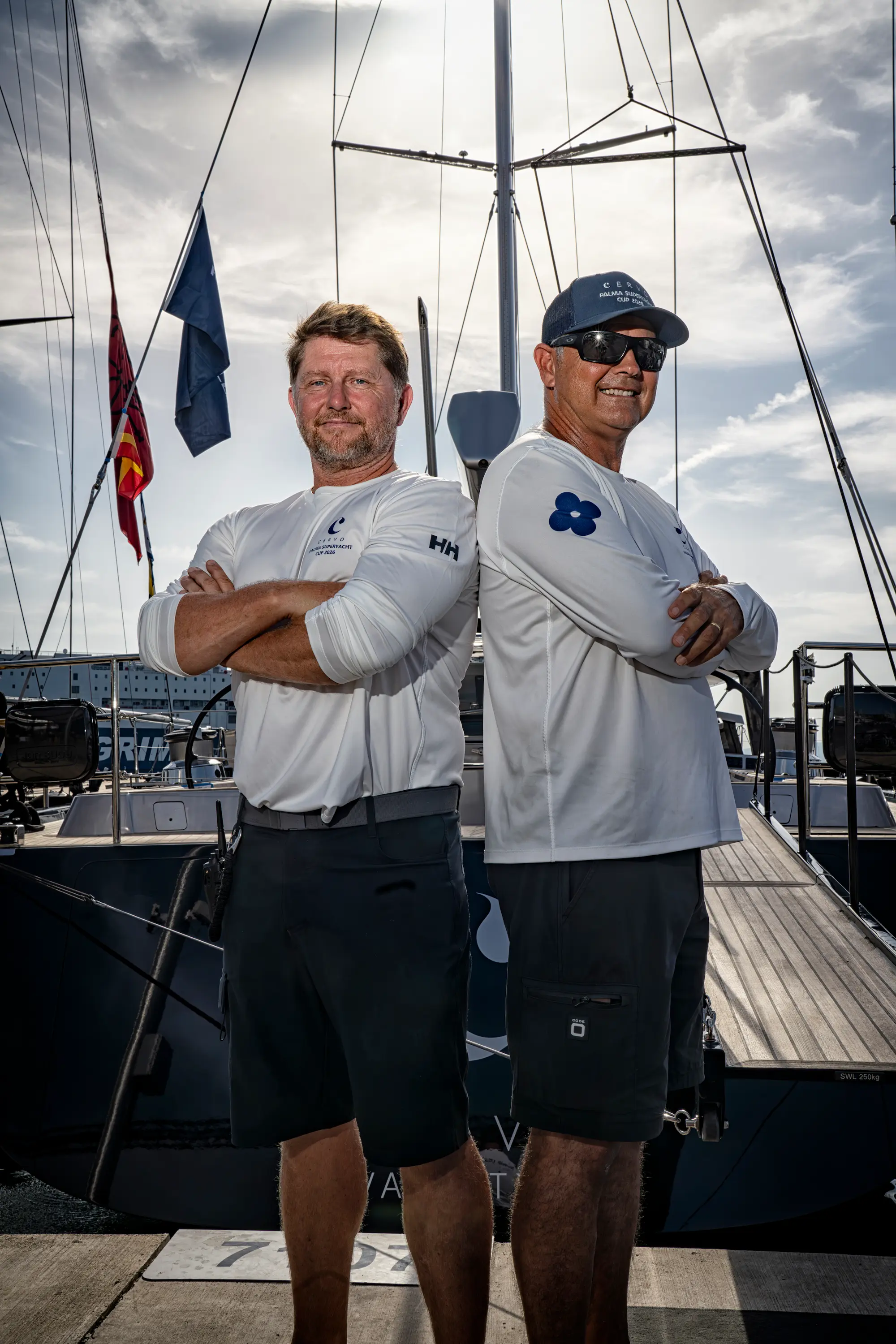
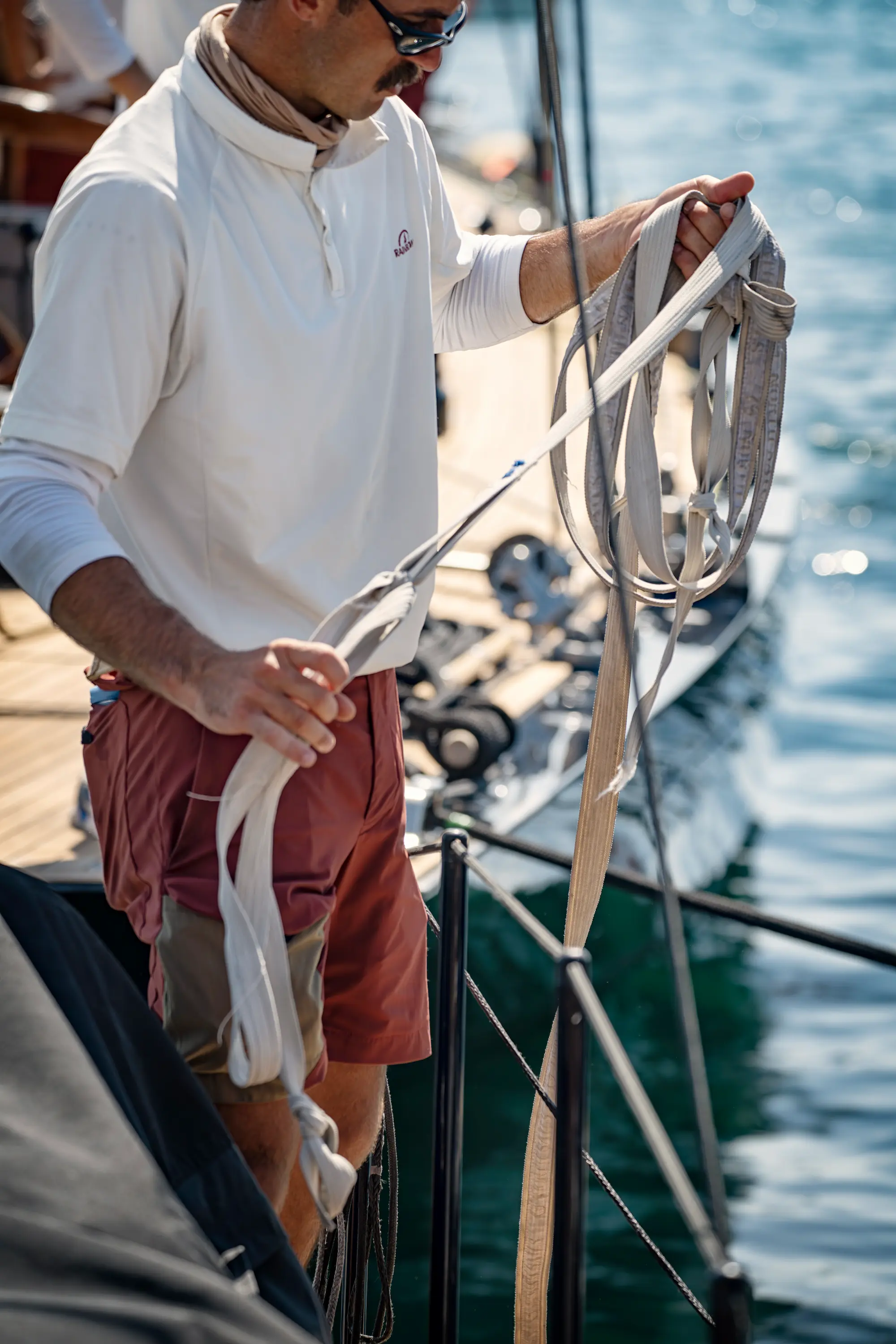
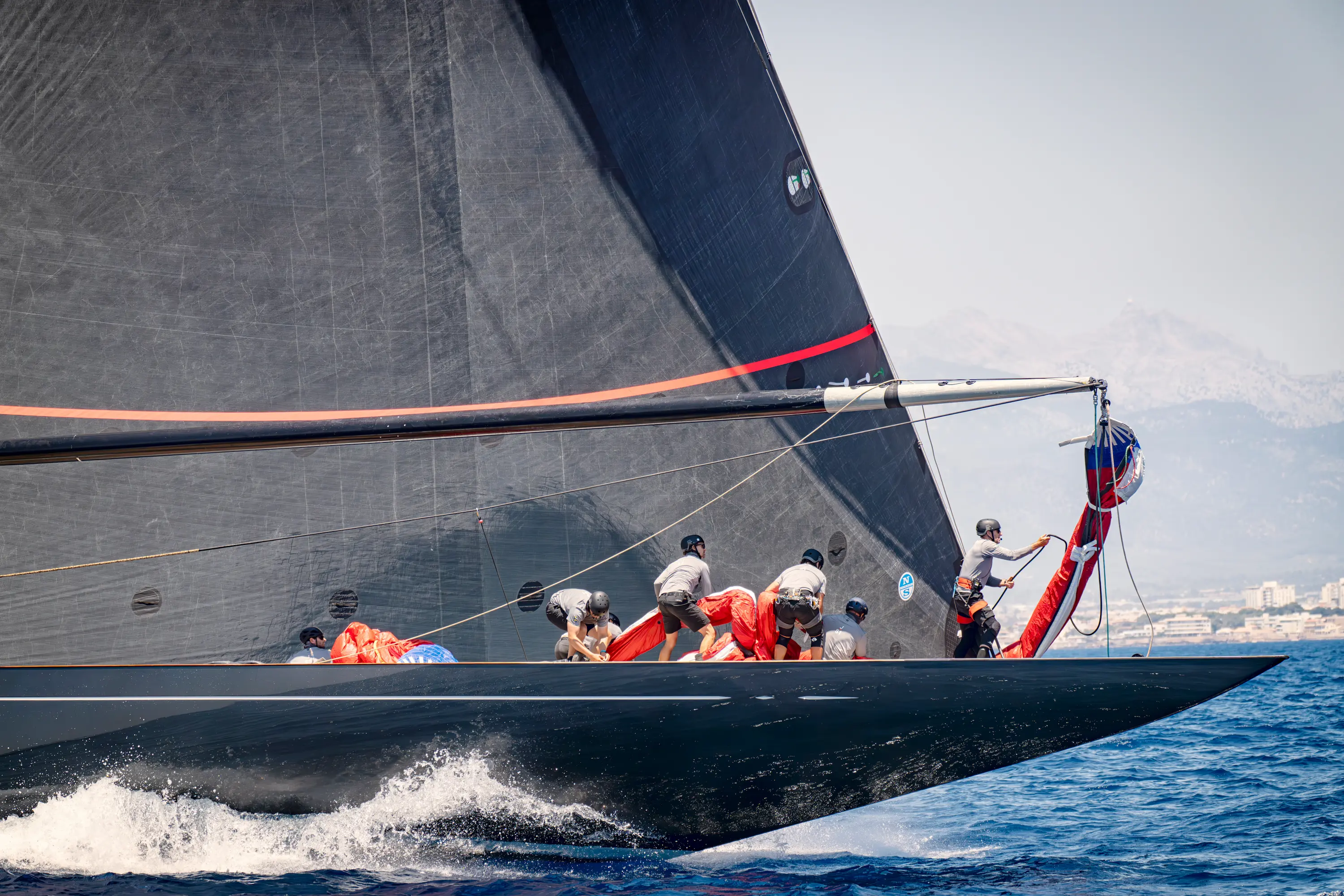
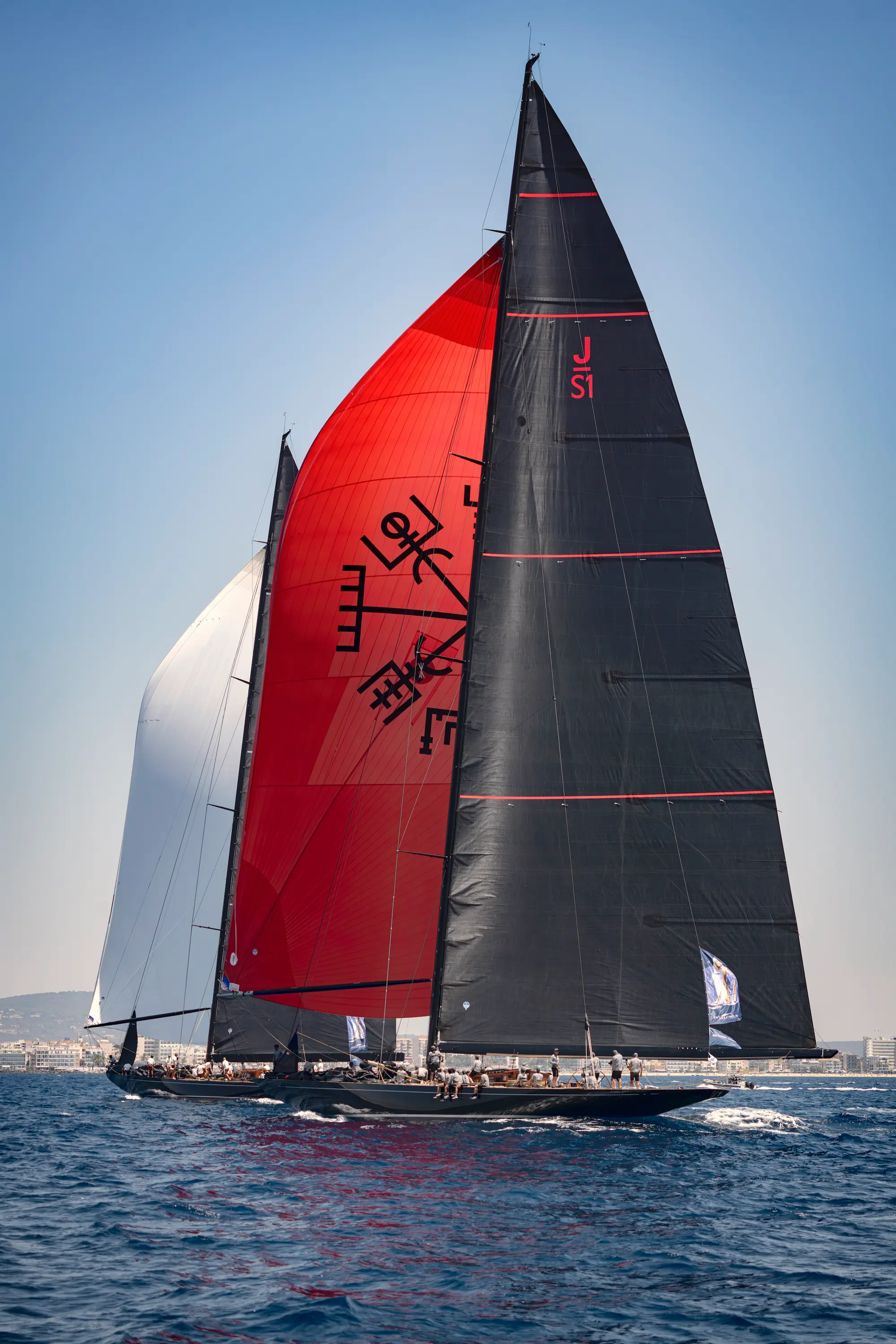
For the occasion, standard cruising sails are swapped for carbon racing sails—ultra-fragile pieces of high-tech craftsmanship valued at €200,000 apiece. To maneuver these Formula 1s of the sea, the crew expands from 6 or 8 people in cruise mode to more than 30 seasoned professionals. On deck, everyone scrambles to recruit the best talent. "We really do have some of the top crew that we could possibly get; we have some rock stars on board," enthuses Roderick Anderson, captain of Cervo. Arming such a vessel comes at a price: "It depends on the boats, it can range from €50,000 or €100,000 up to a million for the J-Class," estimates Yann Gouniot, mainsail trimmer on Cervo.
In the exclusive world of superyachts, money is no object. "If you have to ask how much it costs, you can't afford it," a banker at J.P. Morgan once said. The reward? Prestige, the adrenaline of competition, and the absolute perfection of the technical execution.
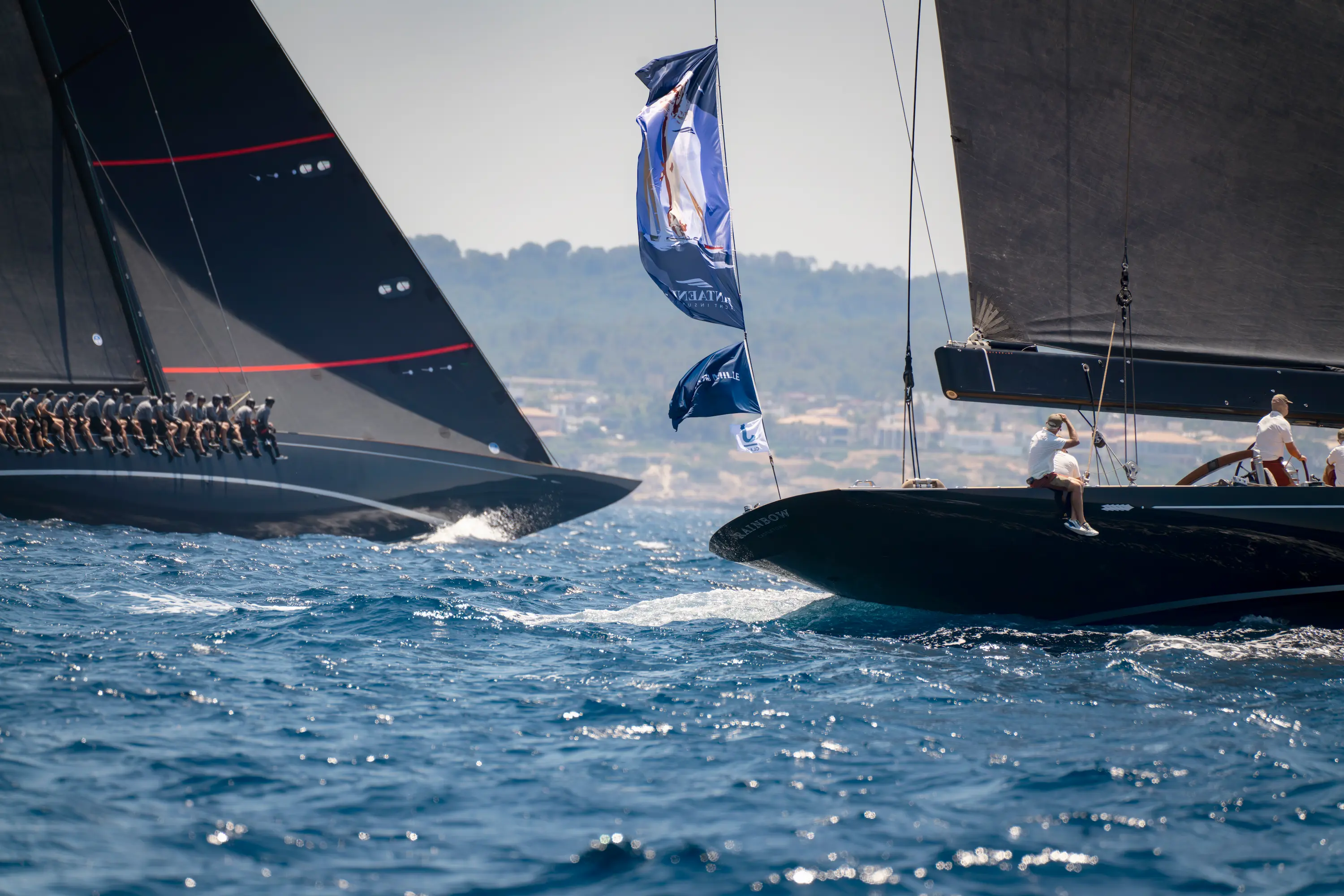
Berthed on an exclusive Wajer Yachts VIP hospitality boat for the event, we follow the fleet as closely as possible. As we draw near Svea, a low, terrifying sound echoes from the depths of the vessel: a groan of carbon fiber worthy of an abyssal titan. During a tack, the vertical compression at the base of the carbon mast suddenly climbs to reach 50 to 80 tons. Naval engineers estimate that this pressure can exceed three times the weight of the boat. For a 135-ton giant like Svea, this represents nearly 400 tons that the carbon skeleton must absorb without bending. The yacht heels instantly, tilting the deck spectacularly. Once the maneuver is completed, the sailors sit high up on the gunwale, legs dangling into the void, acting as a counterweight.