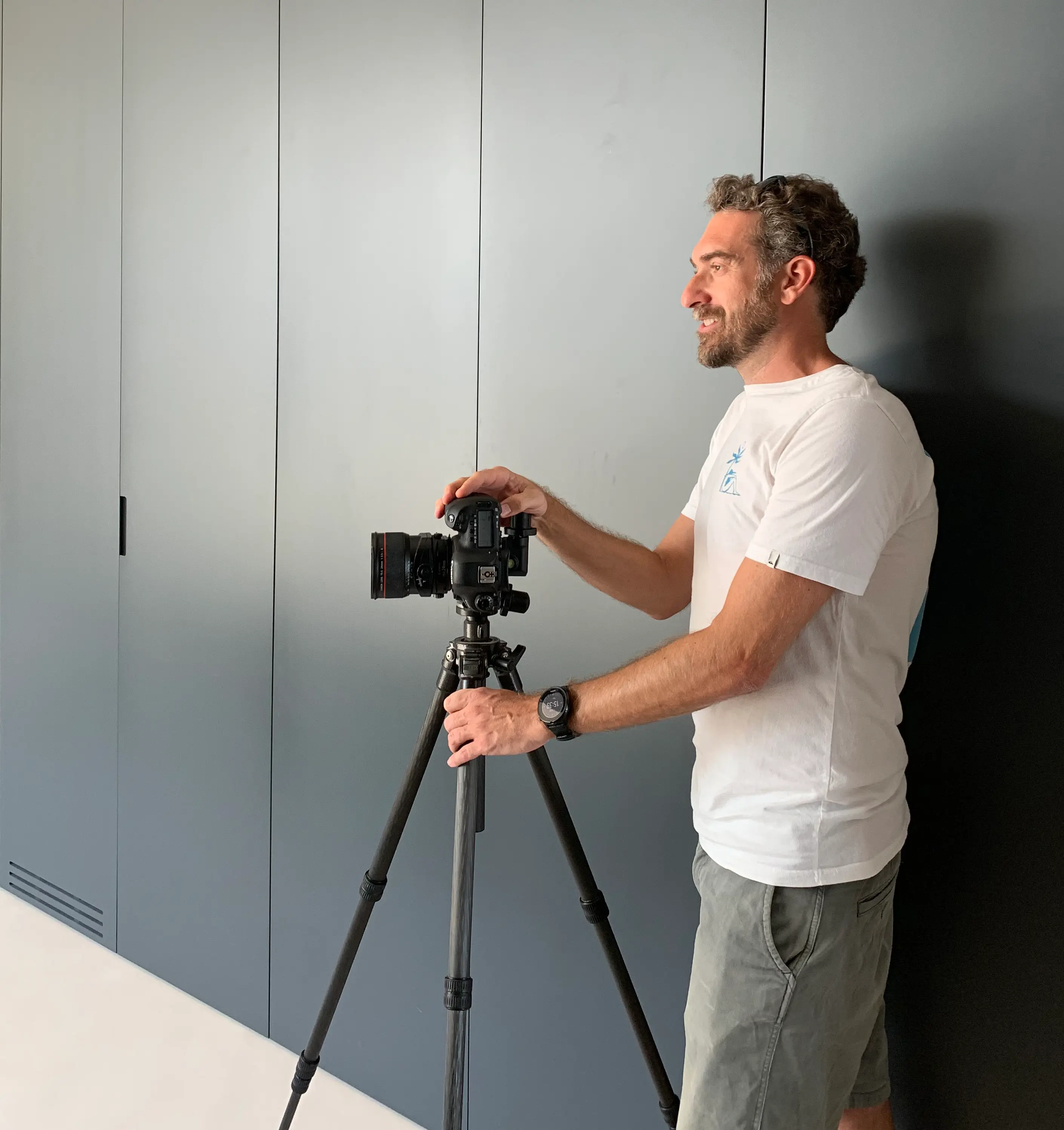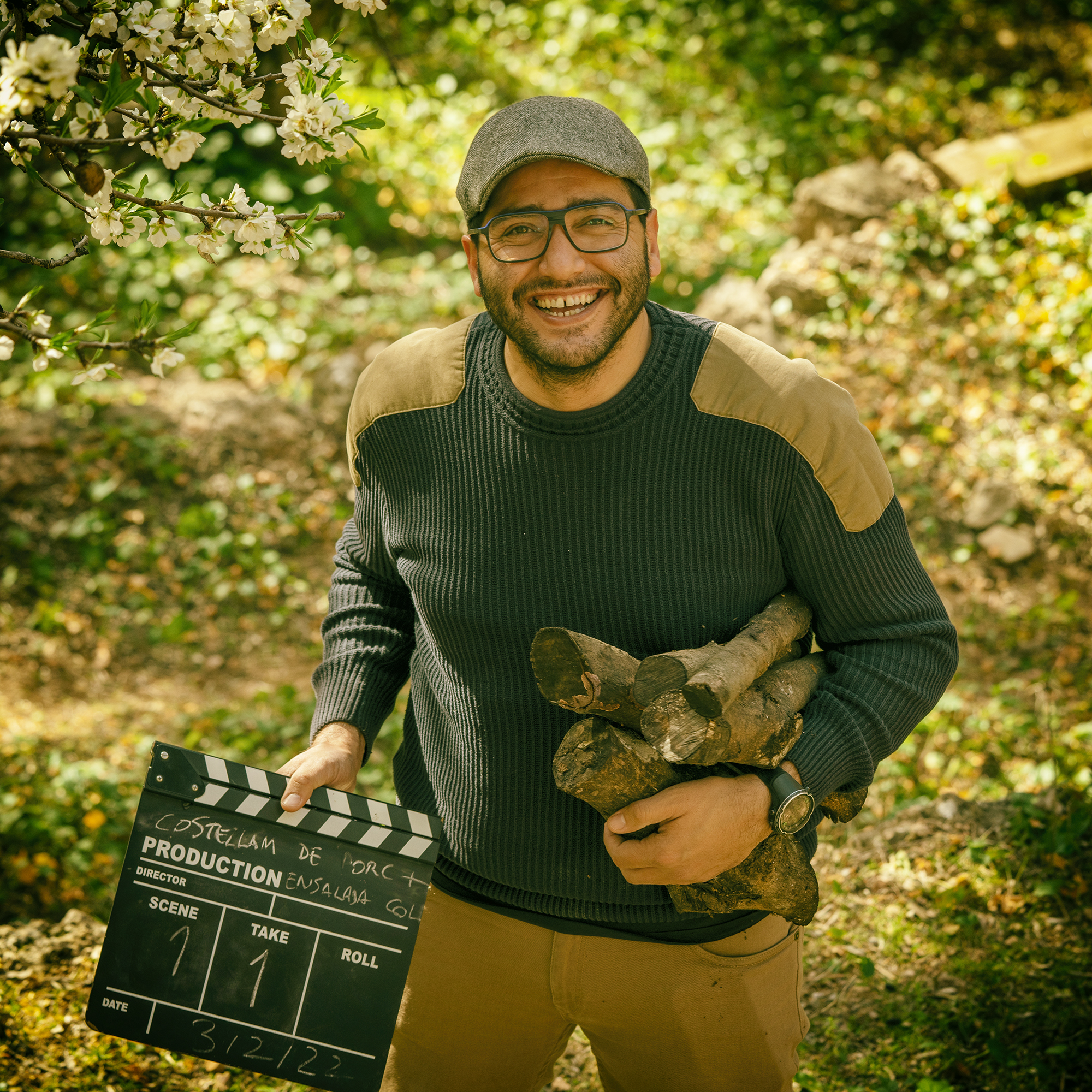
I’ve always worked in television as a reporter and director. I arrived in Mallorca thirty years ago. At first, I worked for Antena 3 at the local bureau; I produced reports for the national news in Madrid on local politics, and in the summer we covered the royal family… I specialised in sport, particularly football; I covered seven league titles, two Champions Leagues and the World Cup in Korea and Japan. What I loved was travelling! I was also a correspondent in New York and Madrid.
It all started when I was very young. At the age of 14, I was already working in local radio and television in my village, near Barcelona. I’ve always been fascinated by news and visual mediums. I remember exactly what sparked it: I’d been lent a camera to film the traditional Sant Antoni festival with the horses. I was perched on a tractor filming and I thought to myself: ‘Wow, this is what I want to do.’ From then on, I worked to fund my audiovisual studies in Barcelona.
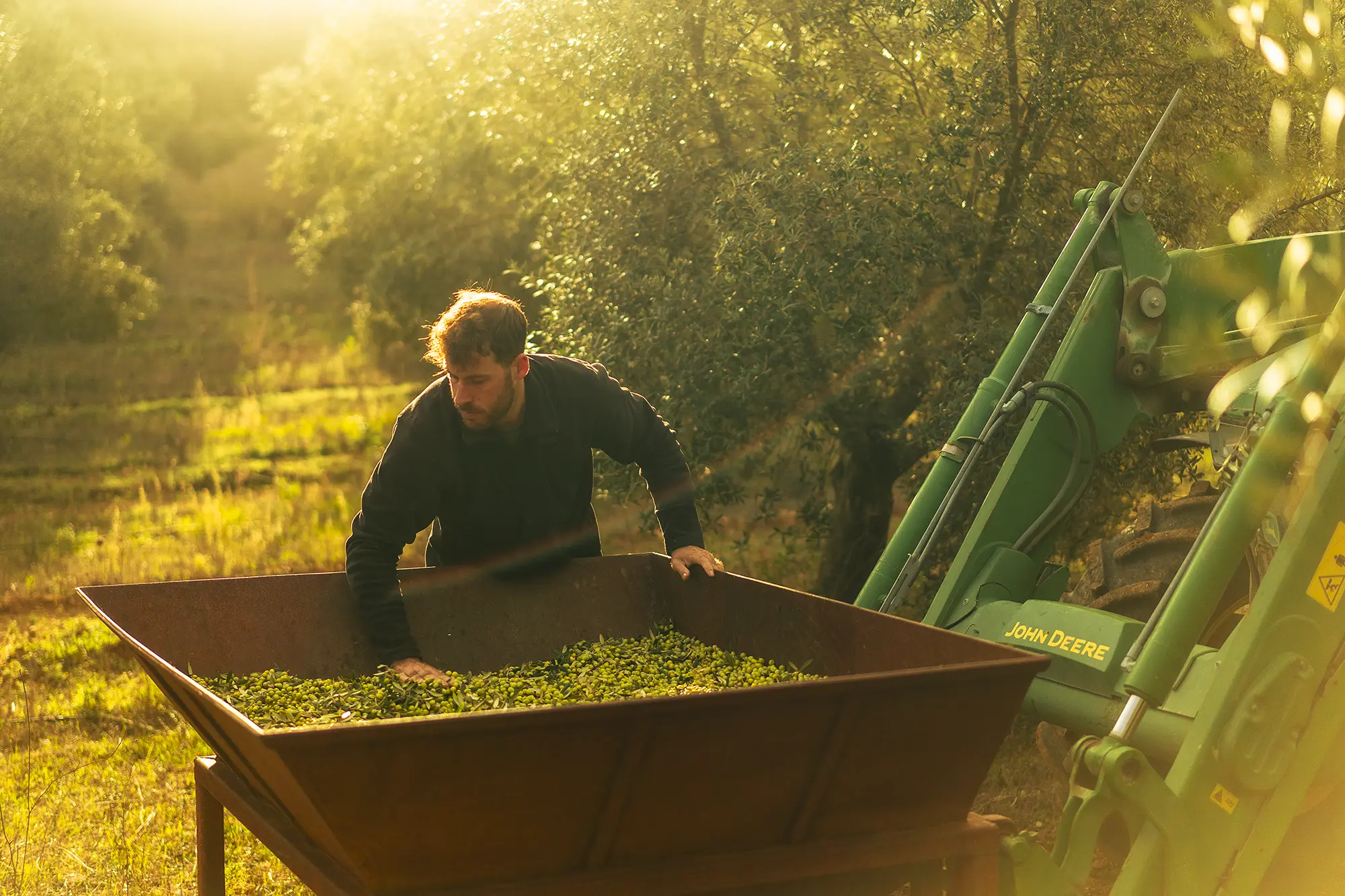
In 2016, I went through a personal crisis. In television production, the stress is constant: you start a project, you finish it, you go through an emotional rollercoaster, and then you start all over again. That relentless pace eventually wore me down. I couldn’t take it any more; I was exhausted. I realised I had to stop. I left everything behind to live in the countryside. I trained in organic farming and spent two years working as a ‘farmhand’ at a country hotel run by a friend. For two years, I had my hands in the soil. I didn’t know how long it would last, but this change made me deeply happy.
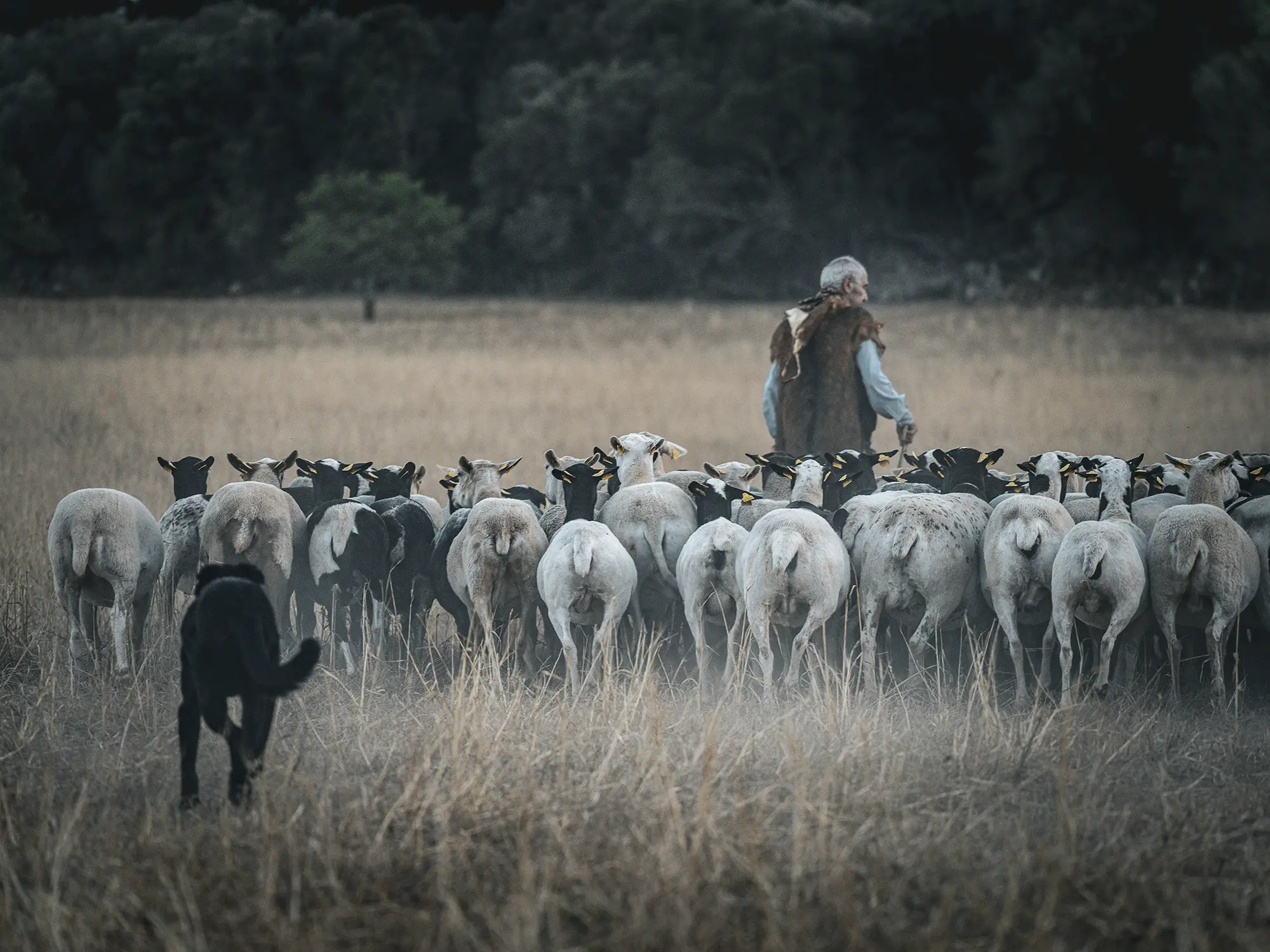
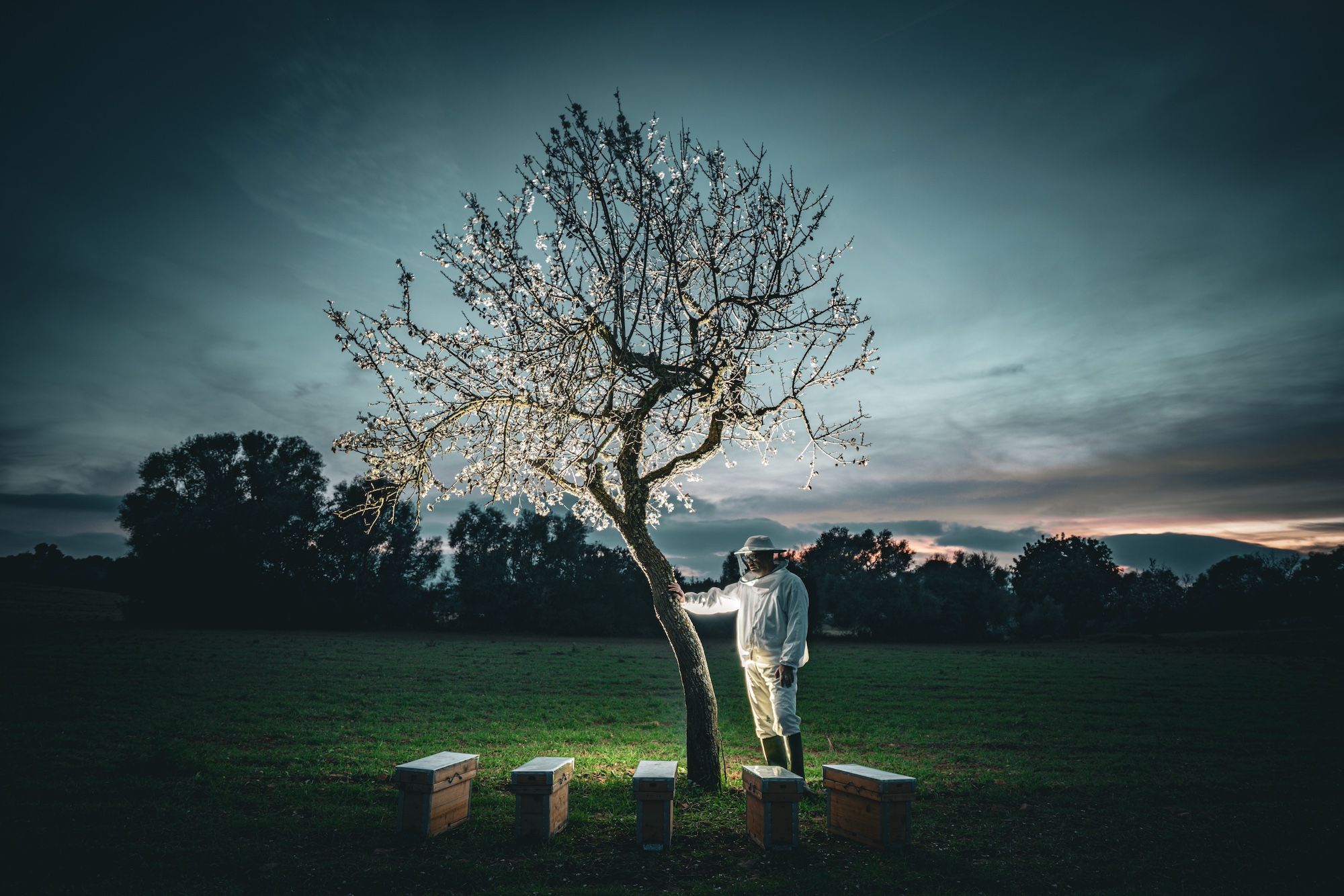
Life in the countryside allowed me to refocus, to see the world in a different light and to rediscover the joy of photography. Even while working in the fields, I never put my camera down. I’d get up early to photograph sunrises, the morning mist… While working the land, I realised just how little visibility people in rural areas and craftspeople had. It was the start of the Instagram boom. But they lacked the images and content to tell the story of their daily lives. One day, the beekeeper Martí Mascaró Capó (Mel Caramel) came to see me in the countryside; he needed some photos. We hit it off, and we’ve been working together for ten years now! After that, I met other producers whom I’ve worked with.
Absolutely. For me, the world of gastronomy has been shaped by the countryside: I started with the land and ended up at the table. It was thanks to these projects that I was approached to produce and direct Chef Santi Taura’s cooking programme on IB3. At first, I was hesitant about returning to television, but the experience was brilliant. Santi quickly realised he also needed visual exposure, and I began taking photos of his restaurant. Word of mouth worked its magic once again and I have been able to collaborate with Clandestí, Stagier, and with winemakers such as Bàrbara Mesquida and 4 Kilos.
Yes, cooking has been part of my life for a long time! When I was younger, to pay for my studies, I used to work at weekends in a restaurant run by a very well-known chef in Catalonia, Nandu Jubany. I started out washing dishes, and Nandu would say to me: ‘If you hurry up, you’ll have time to pop into the kitchen to watch and peel some garlic cloves.’ After a year, I was in the pantry preparing desserts, starters and canapés for weddings. At the time, I was torn between becoming a chef and going into photography.
Food has always been a part of my life. I was born in Artès, in Catalonia. It’s a village with a strong agricultural and wine-growing tradition, where everything revolved around the produce: we’d go and collect milk from the dairy, rabbits from Dolores, and potatoes from Manuela. Everyone had their own speciality. The smells were very strong when the grape harvest came round; the village smelled of grapes. That’s certainly where my passion for wine and sparkling wines comes from; we produce a lot of cava in my home region. For me, one thing is certain: without farmers, there is no gastronomy. I come from a Moroccan family, and in Morocco, culinary and rural traditions have remained intact. In fact, there’s a great deal of traditional know-how there that reminds me of what you could still find here in Mallorca a few years ago. I remember my grandmother getting up at 5 o’clock in the morning to knead the bread. We’d go together to bake it in the neighbourhood oven. It was magical coming back an hour later with the warm bread.
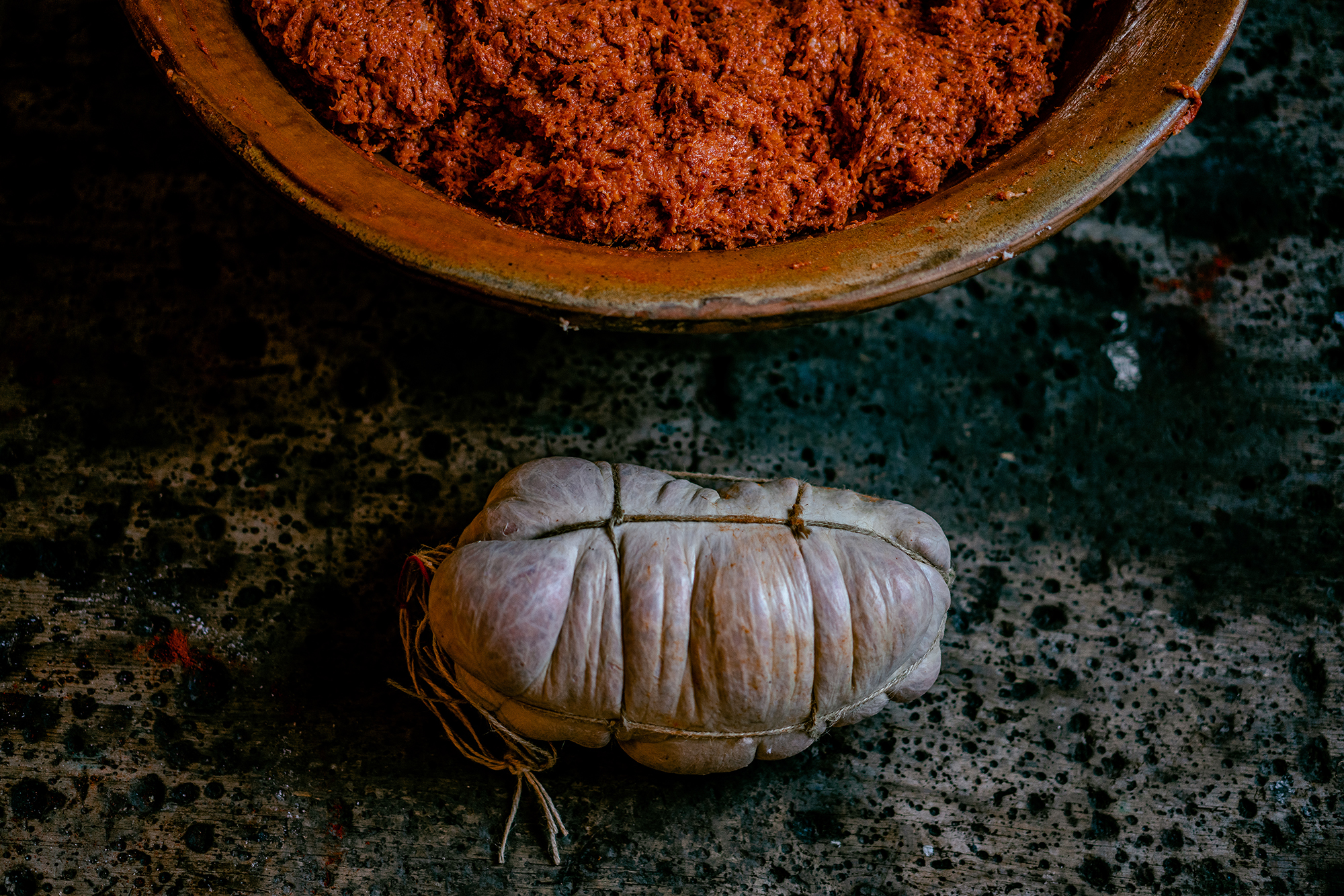
When I look at a dish, I see a landscape. For me, a photograph must tell a story. The plate is the central link in a chain that starts in the fields or the sea, passes through the producers, and then on to the chef who transforms it all. That’s why I approach gastronomy from a different angle, always rooted in the world of the land. In my approach, I favour discretion. I don’t like to impose myself. In the kitchen, I blend into the background so that I’m forgotten. I capture moments, gestures, the intense concentration of a chef or an artisan. My perspective is fundamentally documentary.
Over the last twenty years, cooking has become more accessible and access to information has increased dramatically. During the pandemic, with the boom in social media, everyone started cooking: people are showing what they’re making and sharing tips. As a result, there’s a sense that everything is on an equal plane. One photo is as good as another. But not everyone knows how to convey a story through a dish. The world of communication often falls into the trap of valuing only the final visual result – pure aesthetics – without telling the story behind it: how and why we got to this point.
In the Balearic Islands, we’re lucky to have excellent chefs – Santi Taura, Maca de Castra, Ca na Toneta, and so on – and visionary artisans such as Xesc Reina in charcuterie, as well as a whole new generation who are daring to reclaim the land abandoned by their families or reopen neighbourhood bistros.
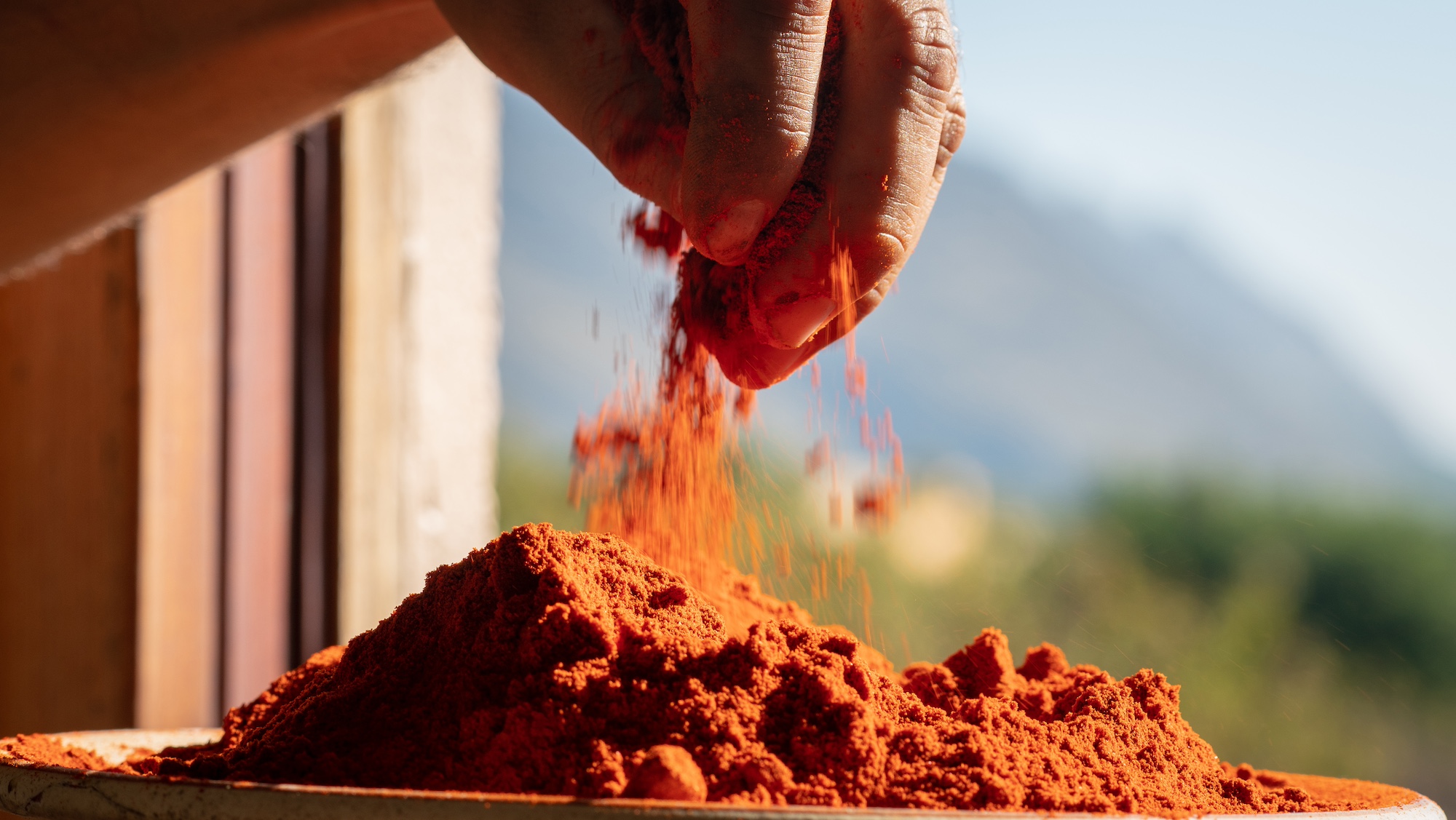
I fell in love with Mallorca, its light and its relaxed way of life as soon as I arrived. If I had to sum up the Mallorcan landscape through its produce, I’d immediately think of figs, almonds and carob, not to mention the red chilli used in tap de cortí, or even sheep farming. Personally, I’m a huge fan of cheese and wine! In Mallorca, just like in Menorca, there are some fantastic cheeses, and the wine industry has experienced an incredible boom, growing from just a few estates to over a hundred today. It’s all this rural richness that forms the very soul of the island.