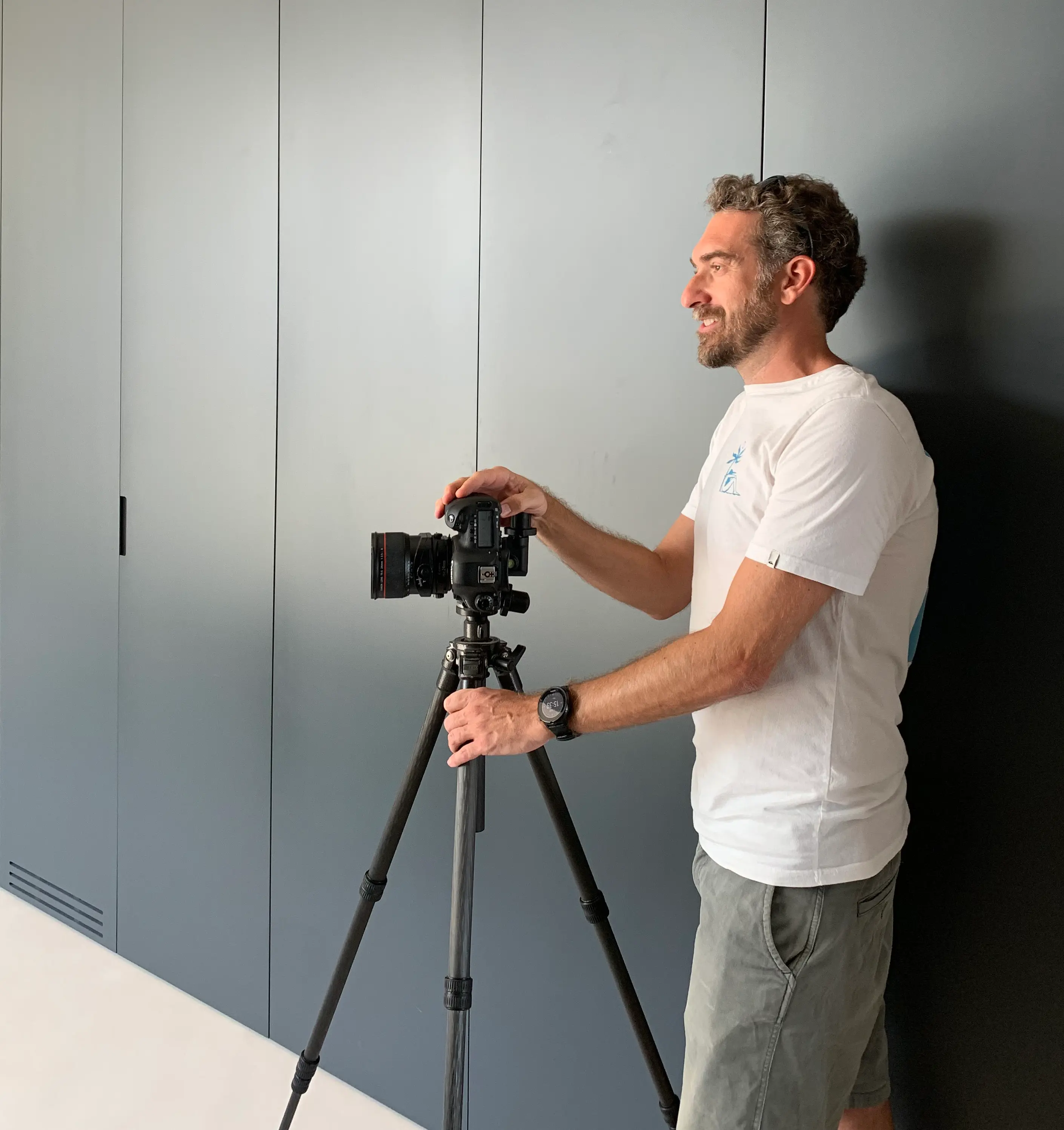
People often see science and photography as two completely different worlds, but for me they have always been closely connected. Science taught me to observe carefully, to ask questions and to look beyond the obvious. During my years in academia, photography gradually evolved from a passion into a profession. Between 2010 and 2017 I divided my time between working at a marine research institute and working as a photographer. In 2017 I finally decided to leave science behind and commit to photography full time. It wasn't an easy decision, but I've never regretted it. Looking back, I don't think I abandoned science, I simply found a different language for my curiosity.
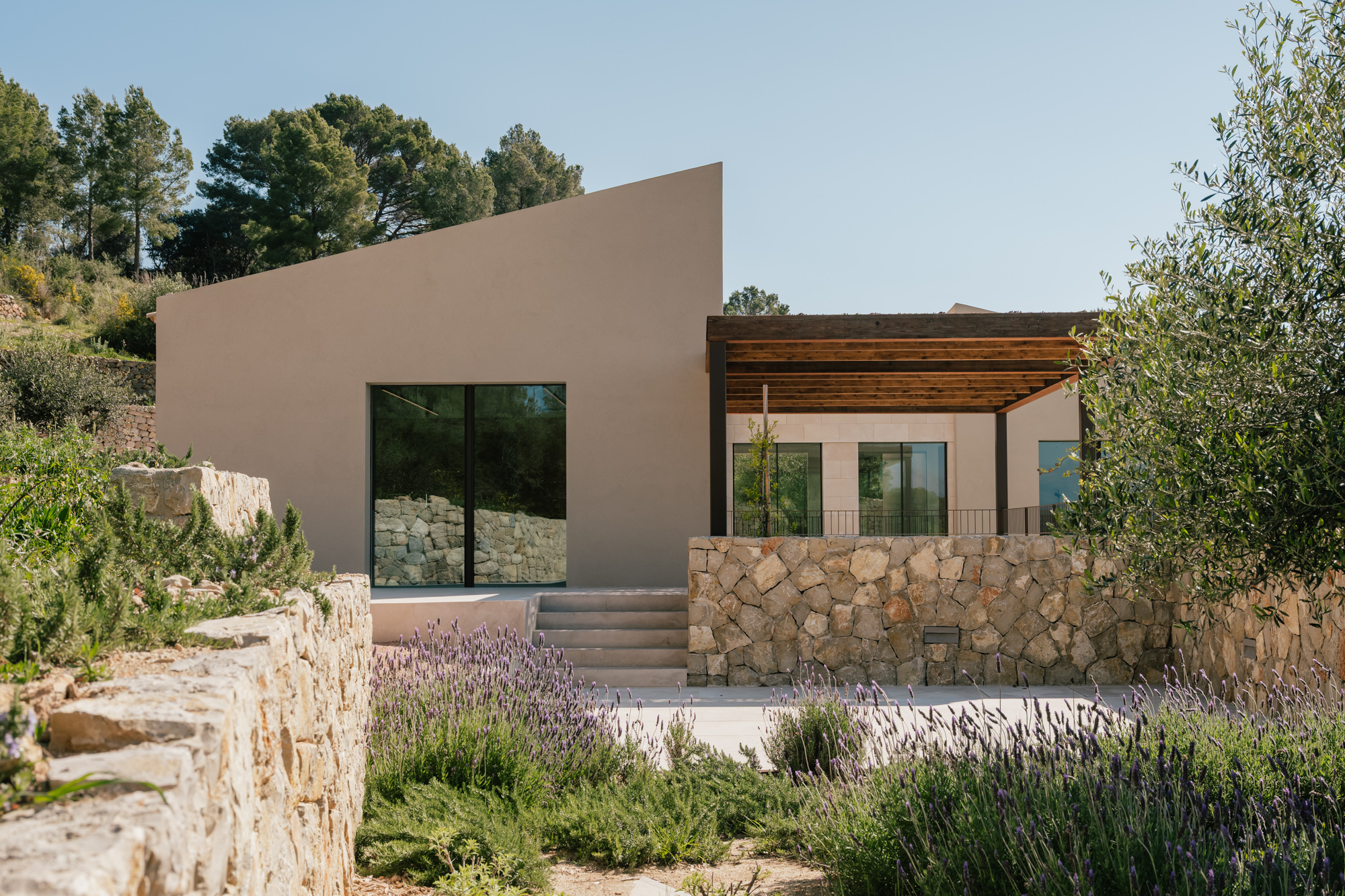
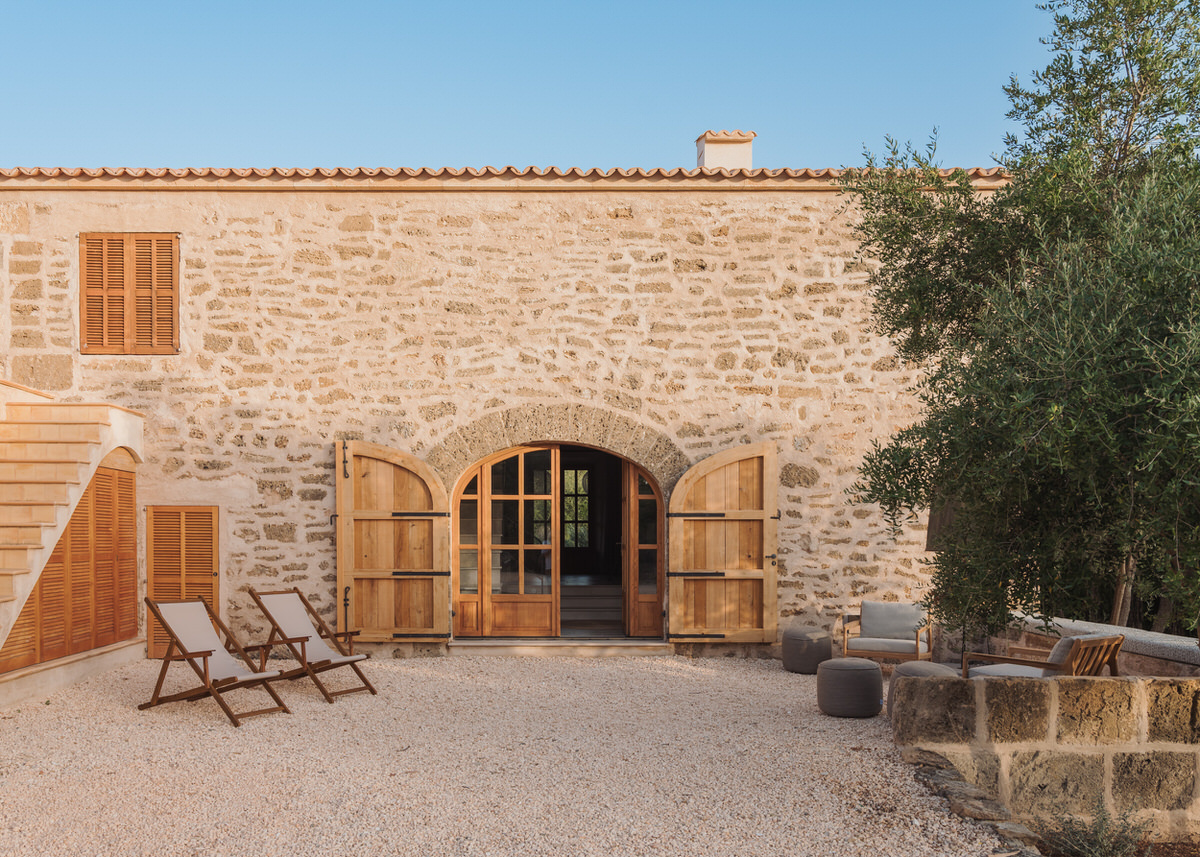
Yes, I started with analogue photography, but only as an amateur. My entire professional career has been digital. Film teaches you patience because every frame has value, and it forces you to slow down and think before pressing the shutter. When digital photography arrived it completely changed the technical side of the profession, but my way of seeing remained the same. Cameras continue to evolve, but I still believe photography is much more about observation than technology. Digital also makes learning much faster because every mistake becomes an opportunity to improve without the cost of film.
Absolutely. Growing up in Mallorca means I don't experience the island as a visitor but as someone who has lived with its landscapes and light all my life. Over the years you develop an instinctive understanding of how the Mediterranean light changes throughout the day and across the seasons, and how architecture has traditionally responded to its surroundings. I think that familiarity allows me to photograph buildings in a way that feels more connected to the place, showing not only the architecture itself but also its relationship with the landscape. I don't think you can separate architecture from its surroundings. The landscape is part of the project, and that's something I've probably learned simply by growing up here.
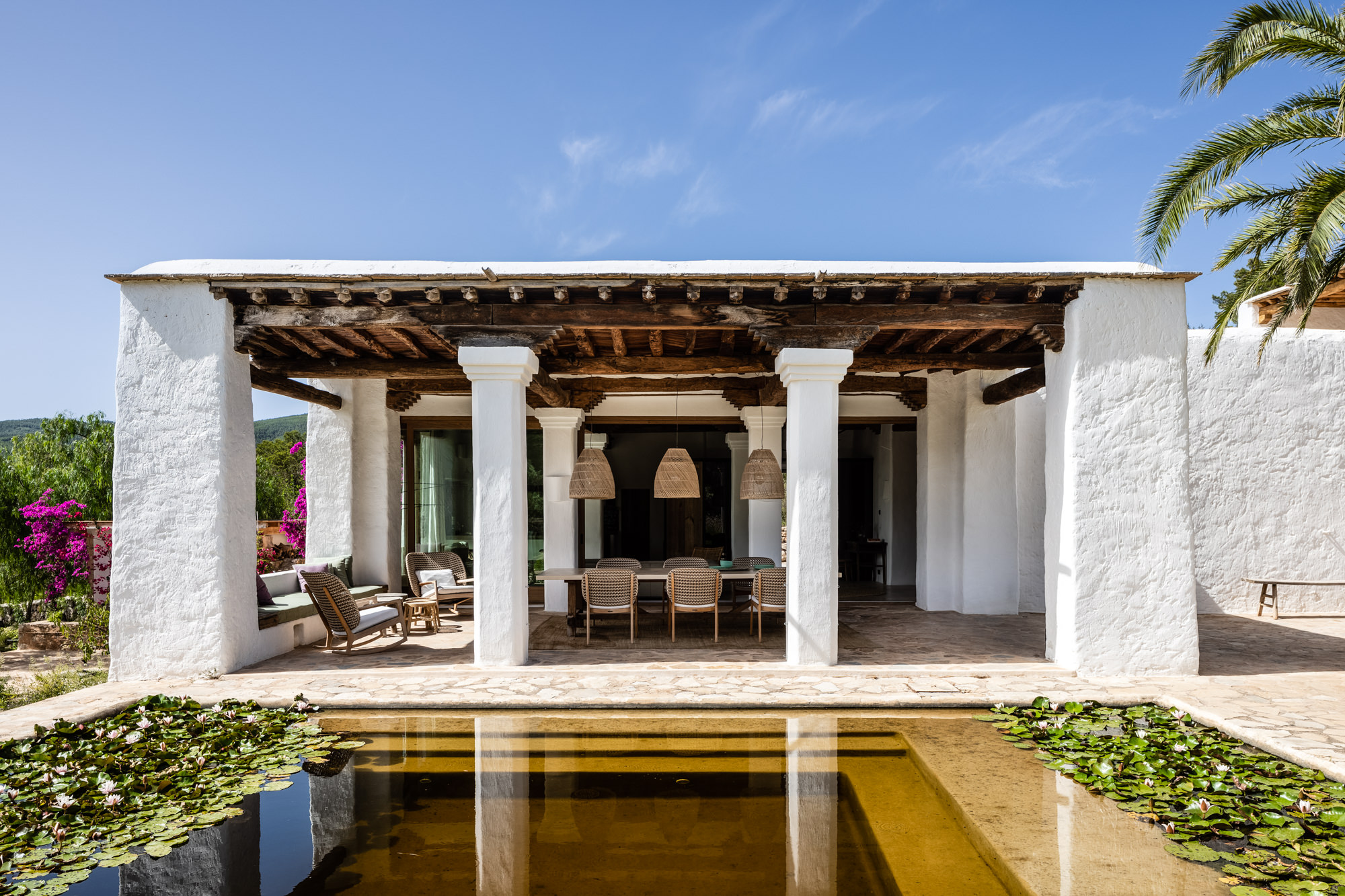
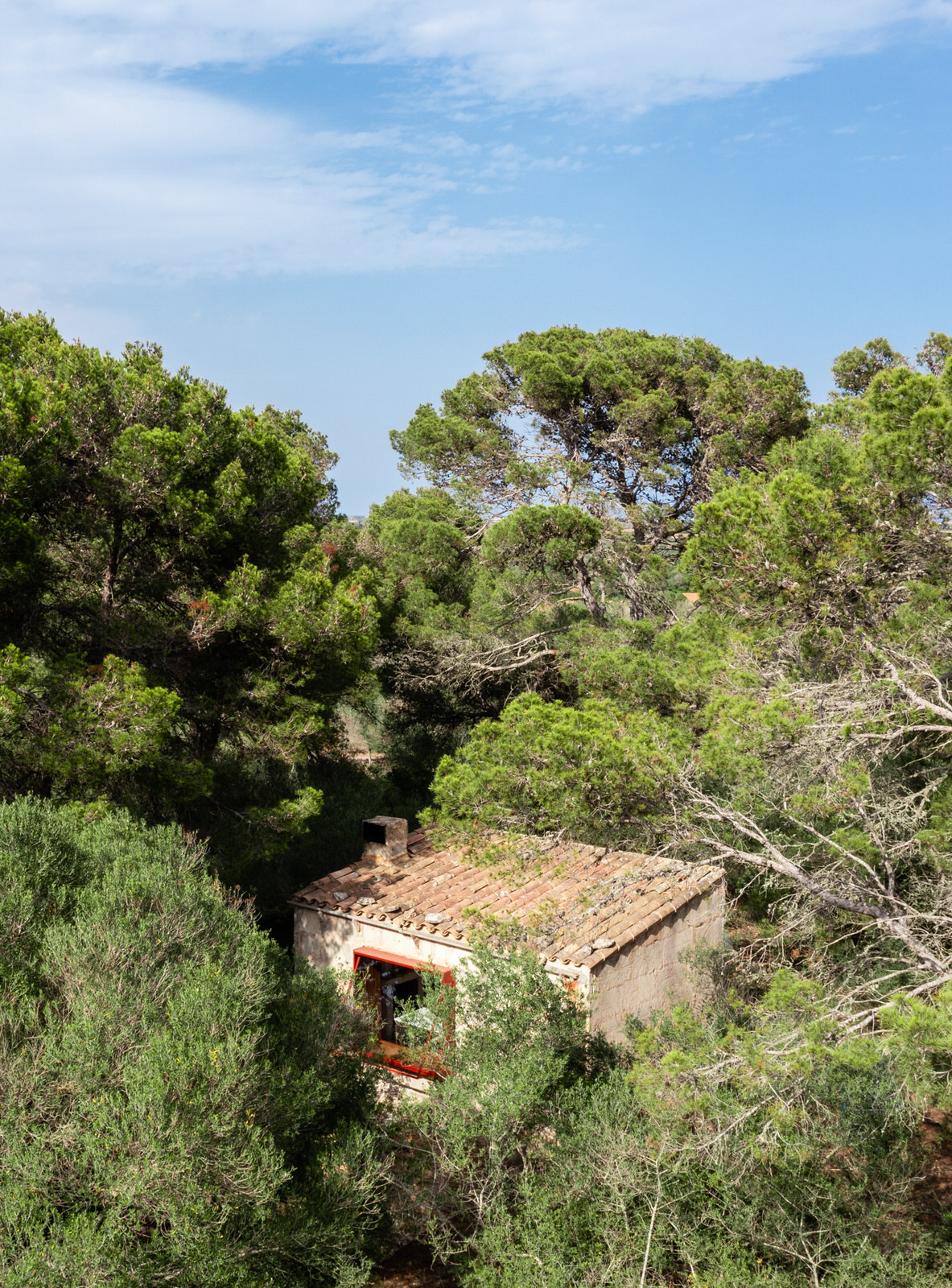
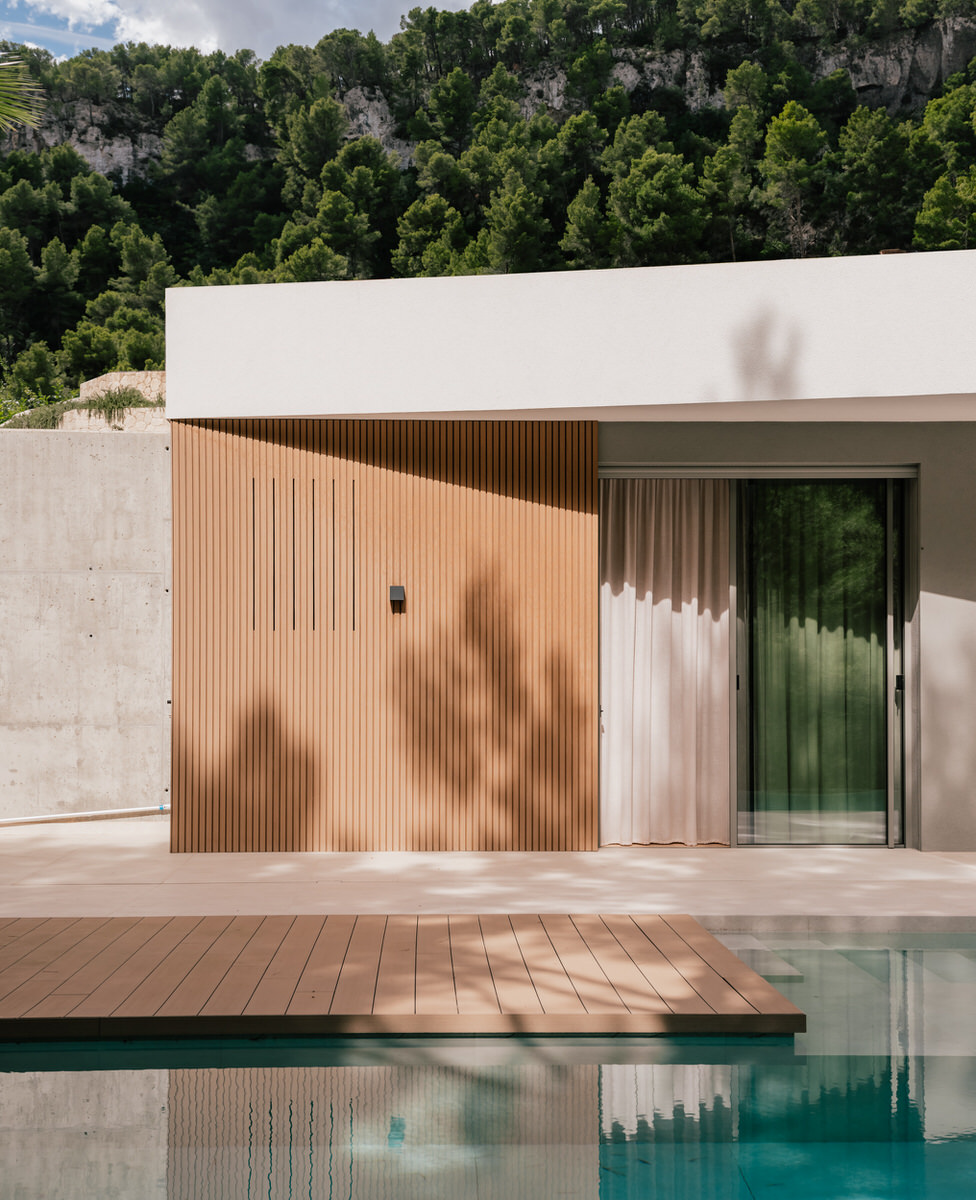
One of the most interesting changes I've noticed is a growing sensitivity to the landscape. Many contemporary projects no longer try to dominate the landscape but instead establish a dialogue with it. There is also a greater appreciation for natural materials, craftsmanship and the quality of light inside a space. As a photographer, I find these projects especially rewarding because they rely less on spectacle and more on atmosphere, proportion and detail.
It's fundamental. Architectural photography is built on trust. When an architect hires me, they already know what the building looks like, they designed it. My job is to discover something they may not have seen yet, maybe a relationship between light, space and atmosphere that reveals the true character of the project at different moments throughout the day. Also my perspective on the work as a photographer evolved in the last years, the same as the architecture studios they also evolved and grew.
Light is the most important element in architectural photography. It defines volume, texture and atmosphere, and Mallorca offers an extraordinary variety of light throughout the year. I often spend far more time waiting than actually photographing because the difference between a good image and a memorable one can be just a few hours. Learning to work with natural light and being patient has probably been one of the greatest lessons I learned. I always try to work with natural light and not to use any artificial lighting such as strobes or continuous lighting.
lthough they may seem very different, I see them as part of the same conversation. Architecture and fine art photography ask different questions, but they both come from the same curiosity. I'm interested in understanding how people shape landscapes and how landscapes shape people. Sometimes that conversation happens through a commissioned building; sometimes through a personal project. Looking back, I think my personal work as a landscape photographer naturally led me to architectural photography.
Receiving international recognition has been very rewarding, but awards have never been the goal. What matters most to me is continuing to grow and finding projects that challenge me creatively. Over the years I've had the opportunity to exhibit my work in different countries, and I still enjoy developing personal projects whenever possible. Today I work independently, which gives me the freedom to decide which projects I want to pursue and how I want to present them.
People often expect me to name a beautiful landscape or an iconic building, but I've always been fascinated by places like Magaluf in winter. When the crowds disappear, these spaces reveal a completely different identity. There's something strangely poetic about them, almost cinematic. They become quiet, slightly melancholic, and they invite you to think about how places change depending on the time of year. I find that transformation far more interesting than simply photographing a famous location.