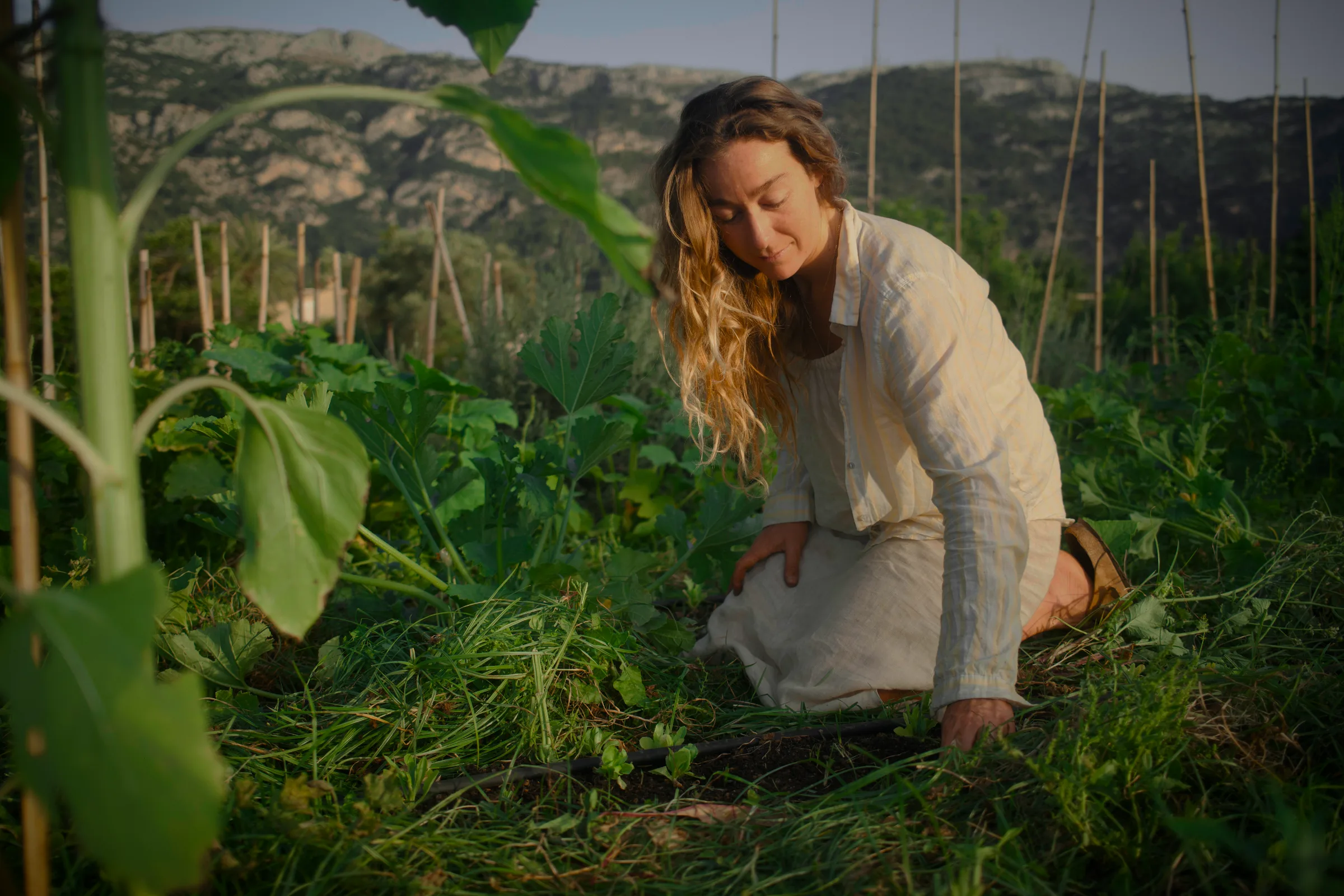
I suppose I became interested in ecology because all of the most zealous, engaged people I met were working outside with their hands. When I graduated from design school in 2020 it was the early pandemic and no one was really hiring in a traditional sense. I worked at a few farms and then started doing some landscaping gigs. Once I bought my truck and got a shovel I was off to the races. One day I would be pruning raspberries, just covered in scratches from hacking through thickets, the next day I was grading gravel. After years of academic theory, I just loved the feeling of being bone tired at the end of the day, designing and building something in real time. I bobbed along, camping out on various farms and following the seasons: a wine harvest in the Columbia River Gorge, pruning rare apples in Santa Cruz, grafting avocados, herding goats in the Cuyama Valley, growing corn on the Pacific edge of the world in Big Sur – there is honestly no limit to what you can get into if your mentality is chop wood, carry water.
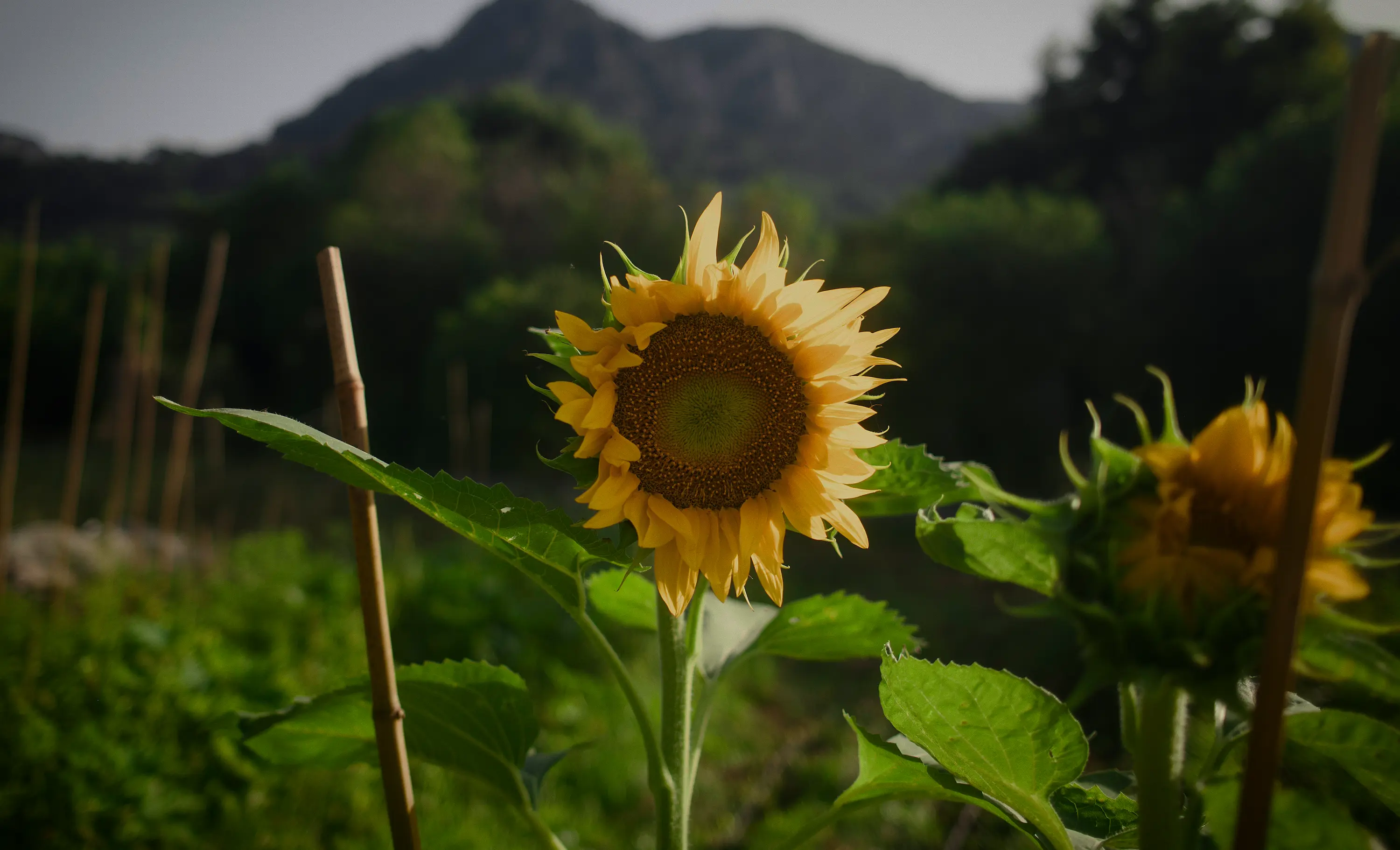
Feral! I really agitate against highly manicured; the illusion of control falters quickly when dealing with plants. I prefer edible and pollinator gardens, growing herbs, flowers and the like, because they are creating habitat, food, forage, shade and pollen. It's important the plants are site specific and climatically appropriate, that they are allowed to falter in the off-season, succumb to high heat and wilt and droop; that the umbels are left on the stalk of, say, carrots or fennel gone to seed, for bees to land on and pollinate and have food long after things look like a cottage garden rendering.
Yes, definitely. The ley lines are close, if not identical, and the drought conditions are not unfamiliar to me. As far as growing seasons go, Mallorca is very similar to southern California because there is such a late frost, although that isn't necessarily true high up in the Tramuntana. I think the water crisis here may be even more acute, which makes me question the notion of a purely ornamental garden. When you're trucking in water physically and the tap runs dry, it's a visceral experience. It suspends the illusion of infinite resources we get hooked up to via city piping or municipal infrastructure.
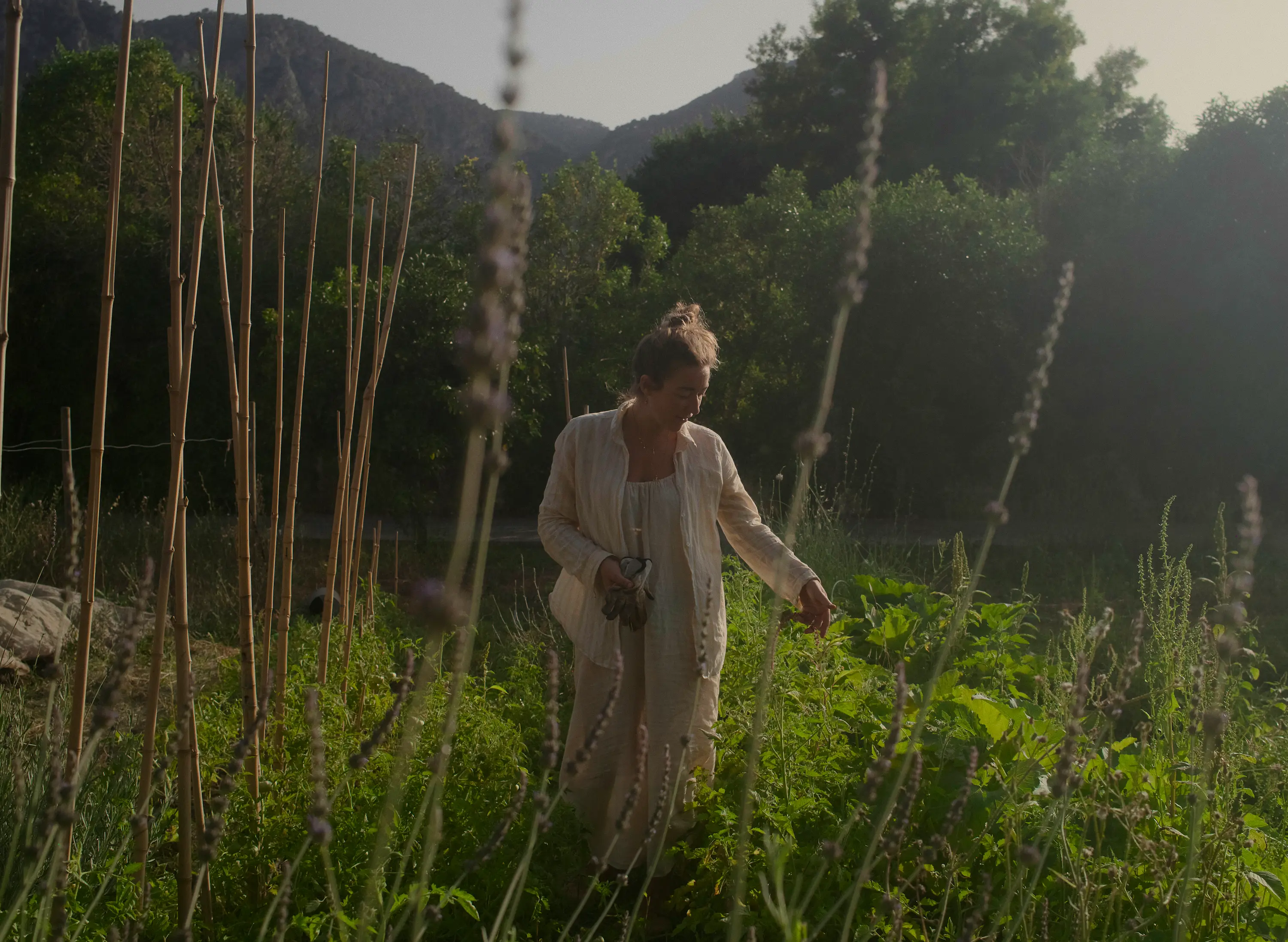
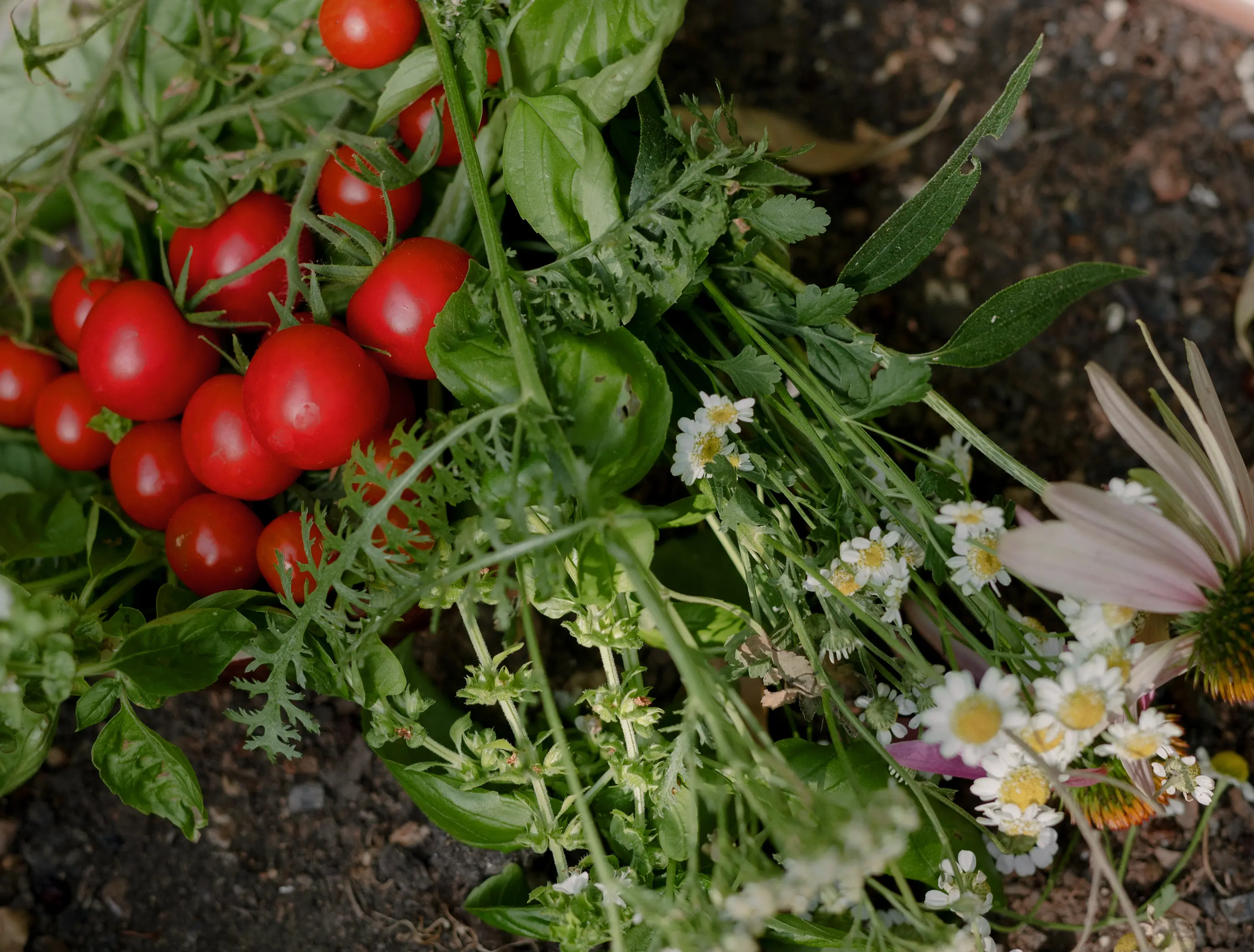
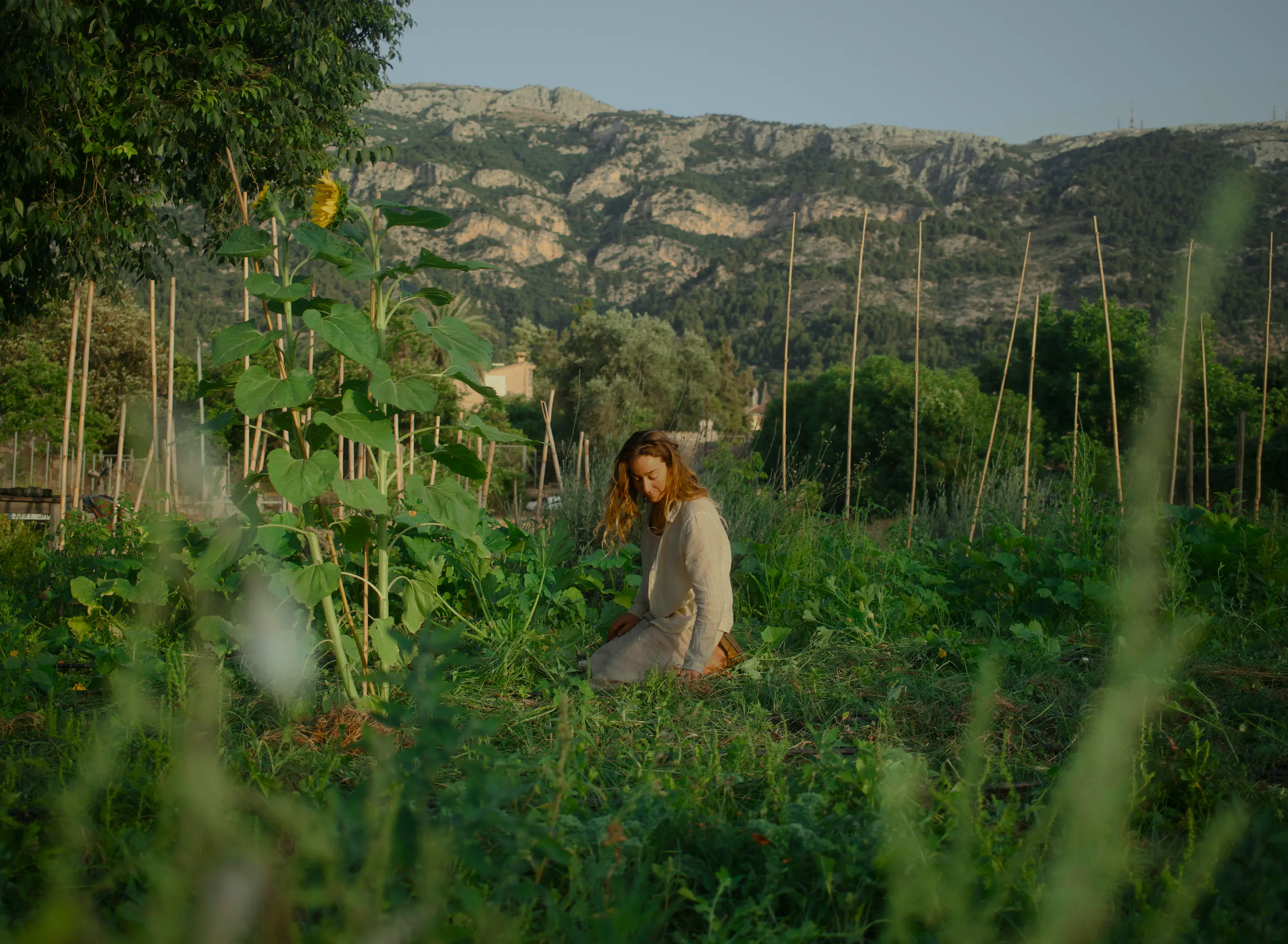
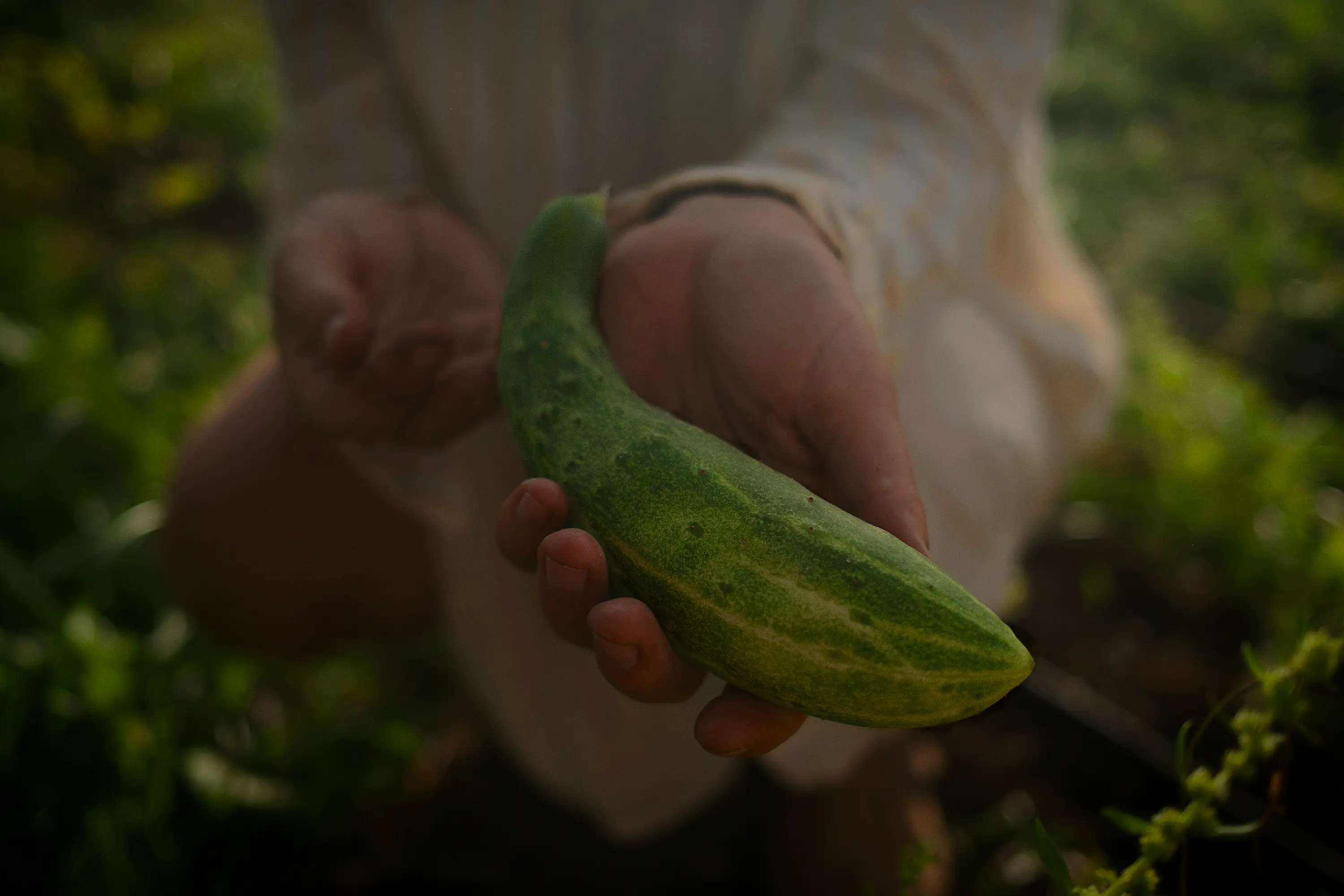
Farming or gardening can be a solitary experience. Depending on the day or task, you could be alone in a field, communing with irrigation piping, dirt, seeds and little else for upwards of eight hours. Working with a chef creates a conversation, and it allows you to be part of the whole life cycle of a plant – seeing it from seed to plate is really gratifying. It’s also nice to have a thought partner, and it’s compelling to grow things that aren’t readily available from other purveyors.
Grace is really singular in that she can execute a vision, a mood, via the vessel of a spoon, a leg of lamb, a tousle of green beans on a smear of ricotta. At the beginning of the spring, I was growing a glut of lettuce and mustard greens, so there was a big, bouncy caesar salad on the menu. Then, with the soaring temperatures of summer, the lettuce all went to seed, which is pretty normal. Usually chefs would switch to lettuce grown in a greenhouse with controlled climatic conditions, but she just pulled caesar salad from the menu, and then other, more climatically and seasonally appropriate dishes popped up, such as these super silky, off the hook zucchinis cooked in olive oil and showered with parmesan. She cooks within the constraints of what is available, which to me is very cool. Seasonality is about having something, an absolute rush of it, for a window of time, really savouring it, and then allowing it to disappear, rather than this permanent, suspended state of peaches and tomatoes because we live in a Mediterranean village.
Spring is fab because it is the beginning of things. Then summer this year was really humbling. It was just hot in what I can only call a defeating way. I have been thinking a lot about growing and gardening in a changing climate. I think it is important to note that plants, especially those with deep tap roots and perennial trees, can have positive effects on watershed restoration or cooling via canopy cover, but water-intensive crop production in the summer in a Mediterranean climate feels downright irresponsible to me. I think we are going to have to really question what is possible to produce in drought crisis months. And then it rains in September and all my speculative climate apocalypse concerns fade with one afternoon of glorious, torrential rain.
I try to choose plants that are regionally appropriate, water wise and support habitat creation. I think there’s also an argument to be made for seasonally appropriate. For example, a self-seeding, perennial wildflower garden that flourishes in the rainy season is very different to pumping water into a cut-flower garden in the middle of summer. I like growing everything from seed because it opens up such a huge range of possibilities about what you can grow. Seed catalogues are so much more comprehensive than the range you can get at a nursery, where plants are often grown with fertilizers and get rootbound. Also, growing things from seed has made me a better gardener. I can tell if something is getting leggy, try to pot them up if they're not getting enough light, etc. There is so much room for error and so much room to learn. It's also pretty magical putting a seed in soil, adding water, and just when you think nothing is going to happen, a plant crowns through the surface.
I have worked with a lot of landowners, and they have been really willing to engage in the process of stewarding the land that they own, so if i can act as a conduit, steering their predilections or inclinations towards certain plants or habitat creation then that network of landowners starts to tip towards engaged land stewards.
I also think having a land-based career is such a collaborative process, regardless of ownership. For Sophie Wahlquist’s garden, I worked with Lluís Borràs and Jordi Amagual of Crassa. They are super knowledgeable landscape designers who grew up in Mallorca and I have learned a ton from working with them. They can show you the seam on an olive tree where the cultivar was grafted to the original, wild root stock, or what duff under an oak tree is good enough to use for soil. For Sophie’s garden, they did all of the hardscaping, laying pipe, grading, mulching, and then I was able to come in and contribute dollops of flowers I had been growing from seed all winter. Sophie makes these sumptuous, kaleidoscopic ceramics and I wanted the shapes and textures to have a little bit of that: amaranth chandeliers dripping over clumps of calendula and cosmos. An Alice in Wonderland hodgepodge. While I’m not a landowner, landowners have given me a stake in shaping their spaces, creating these technicolour ecologies, trusting in the process and collaboration. There are a lot of involved parties that need to be in cahoots to shape a landscape, and landowners and workers are both part and parcel.
I think this is a little bit of a ‘give a man a fish, he eats for a day, teach a man to fish, he eats for a lifetime’ scenario. For example, Stephanie Paine of Panacea Plants was really interested in having a pollinator garden. All I did was provide a little bit of guidance about removing gravel, sowed some seeds, and she did the rest. She hand watered, which creates a different level of engagement in the garden. Sure, it would be easier to install an irrigation system, but there is something about hand watering, seeing what the plants need, not automating or outsourcing this physical act of care, which pretty quickly turns someone into a gardener. She grew a stunning plot of zinnias and sunflowers, and every day at dawn and dusk they were absolutely abuzz with bees and butterflies.
Going worldwide! Pocket parcels everywhere, setting up shop on more borrowed land, pollinator patches, edible thickets. Growing things everywhere I go and learning from people more experienced than me. My ambition is to become so wizened, so caked in dirt and cloaked in seedpods, that it’s impossible to extricate all the twigs from my hair.
Discover more @roadside_garden [https://www.instagram.com/roadside_garden/ ]
.webp)


