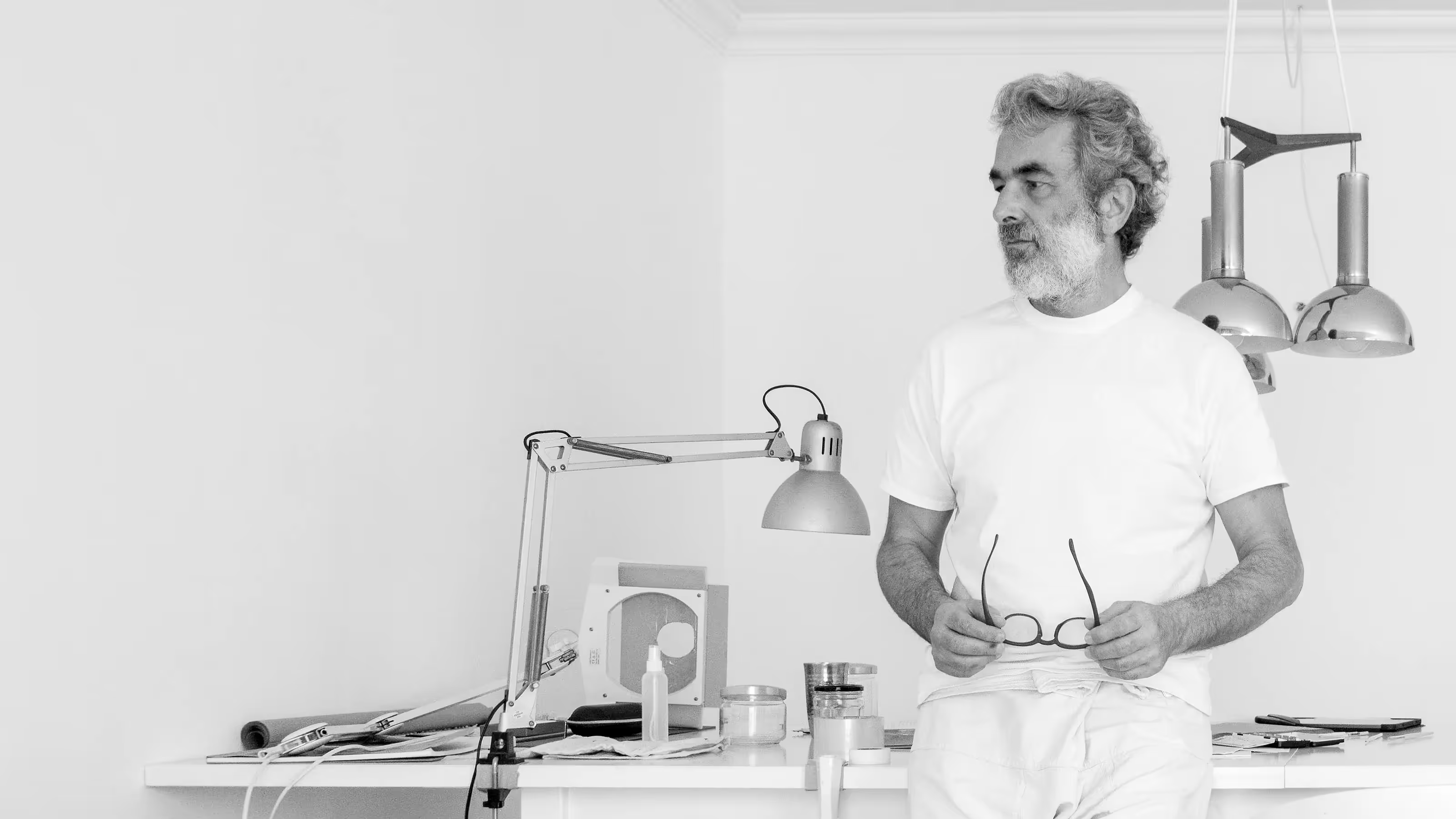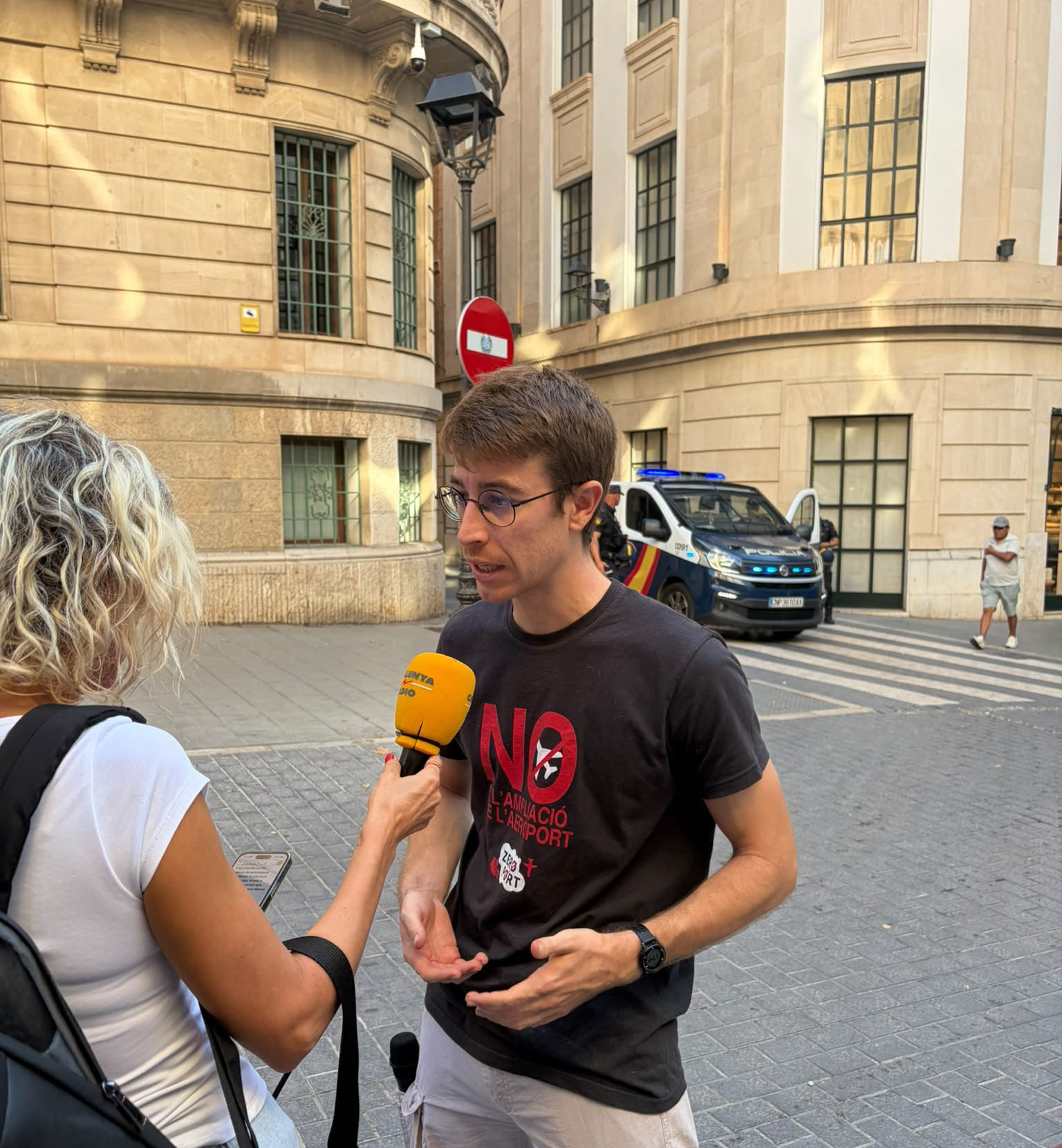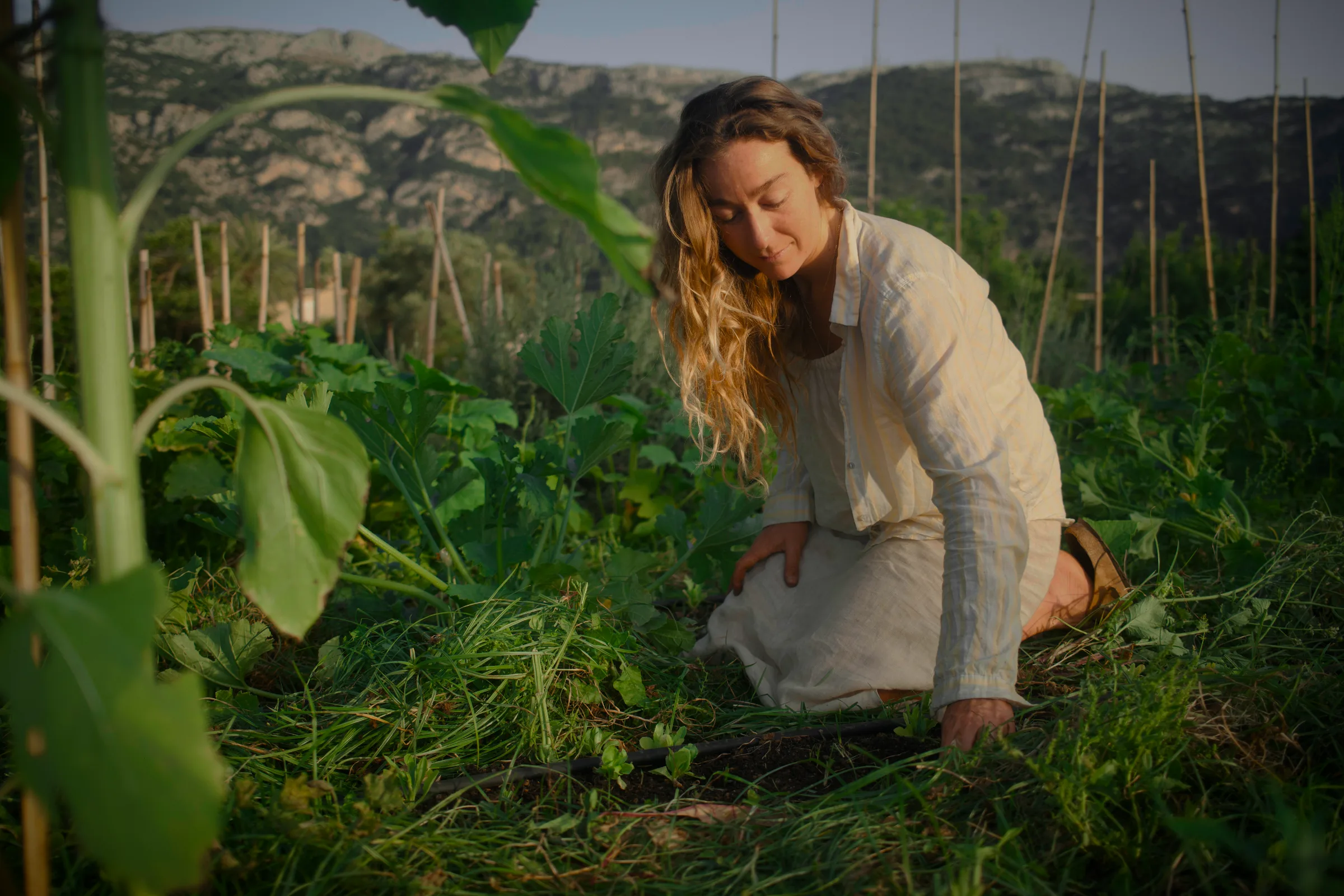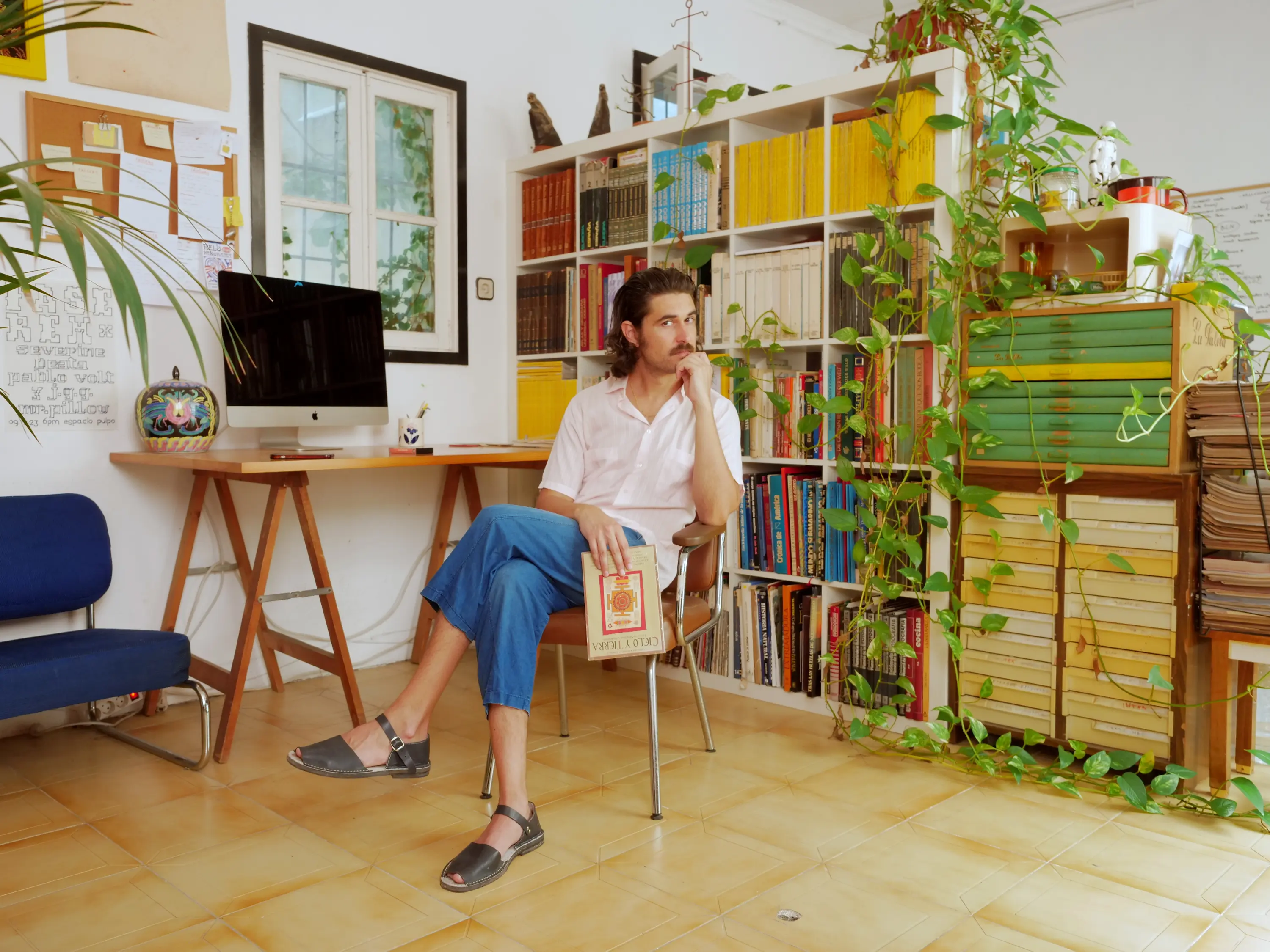
In 2011, I wrote a book called “Suportant el paradis,” which is a tribute to Mallorcan artists. I had interviewed Rafa Cortés about Mallorca, the island’s culture and its artists following the release of his film “Yo,” in 2007. (Editor’s note: shot in Mallorca, this film won numerous awards, including the ‘Revelation of the Year’ prize at the Cannes Film Festival). That meeting inspired me to interview 20 of the island’s leading artists – Miguel Adrover, Miquel Barceló, Toni Cantany, Maria del Mar Bonet, Susy Gómez, Biel Mesquida, Rossy de Palma, Carme Riera, Cristóbal Serra, and others. Each of them talks about their life, their work, their way of understanding the world, their influences, their relationship with Mallorca and the changes they have observed.
I was born in Palma and, like all the artists I’ve interviewed, I left the island. Because it wasn’t possible to build a career here, I went to Barcelona to study journalism at the Universidad Autónoma, and then I studied film. I worked as a cultural journalist; I lived in Germany and then in Bologna. This book changed my life. It was my first artistic project. And it was whilst researching and writing “Suportant el paradis” that I felt the urge to return to live in Mallorca. All the artists featured in the documentary have, too, returned to their native island. I realised that we Mallorcans are viscerally connected to our island. The land calls us back. It’s an unrivalled place for creativity.
When the book came out, I met a producer who suggested I make a documentary out of it. Together with Agustí Torres, the director of photography, in 2012 we filmed almost all the artists I’d interviewed. We interviewed them exclusively in Mallorca. At the time, I had no experience in filmmaking; the subject matter was broad and complex, which made the storytelling difficult – I wasn’t ready yet… And on top of that, there was no public funding. We were all a bit at a loss, so we put the project on hold. The more time passed, the faster massification and touristification accelerated. We were aware that we had precious material: what all these artists were saying in 2012 – which might have seemed pessimistic at the time – was becoming a reality before our very eyes as time went on.
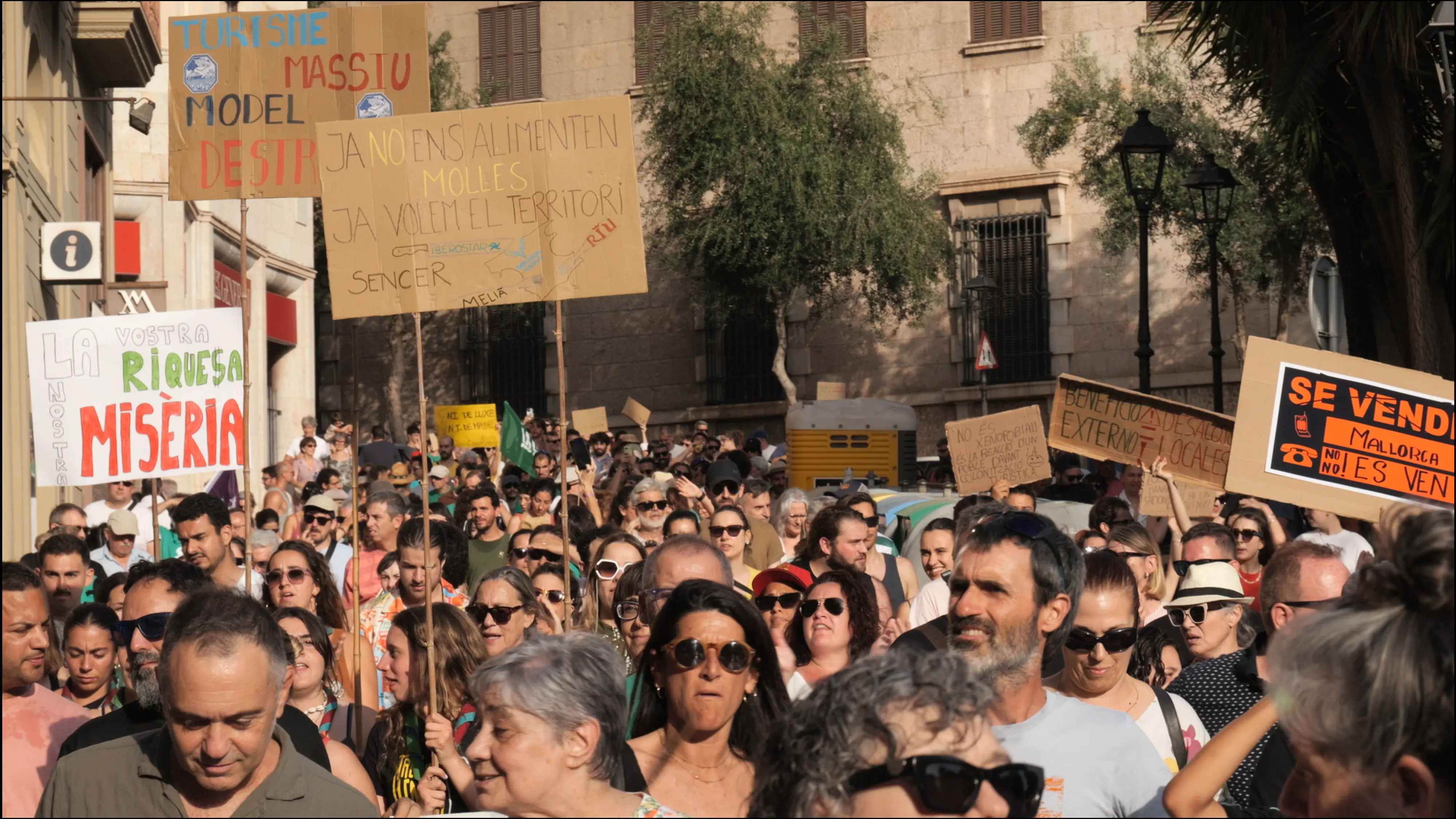
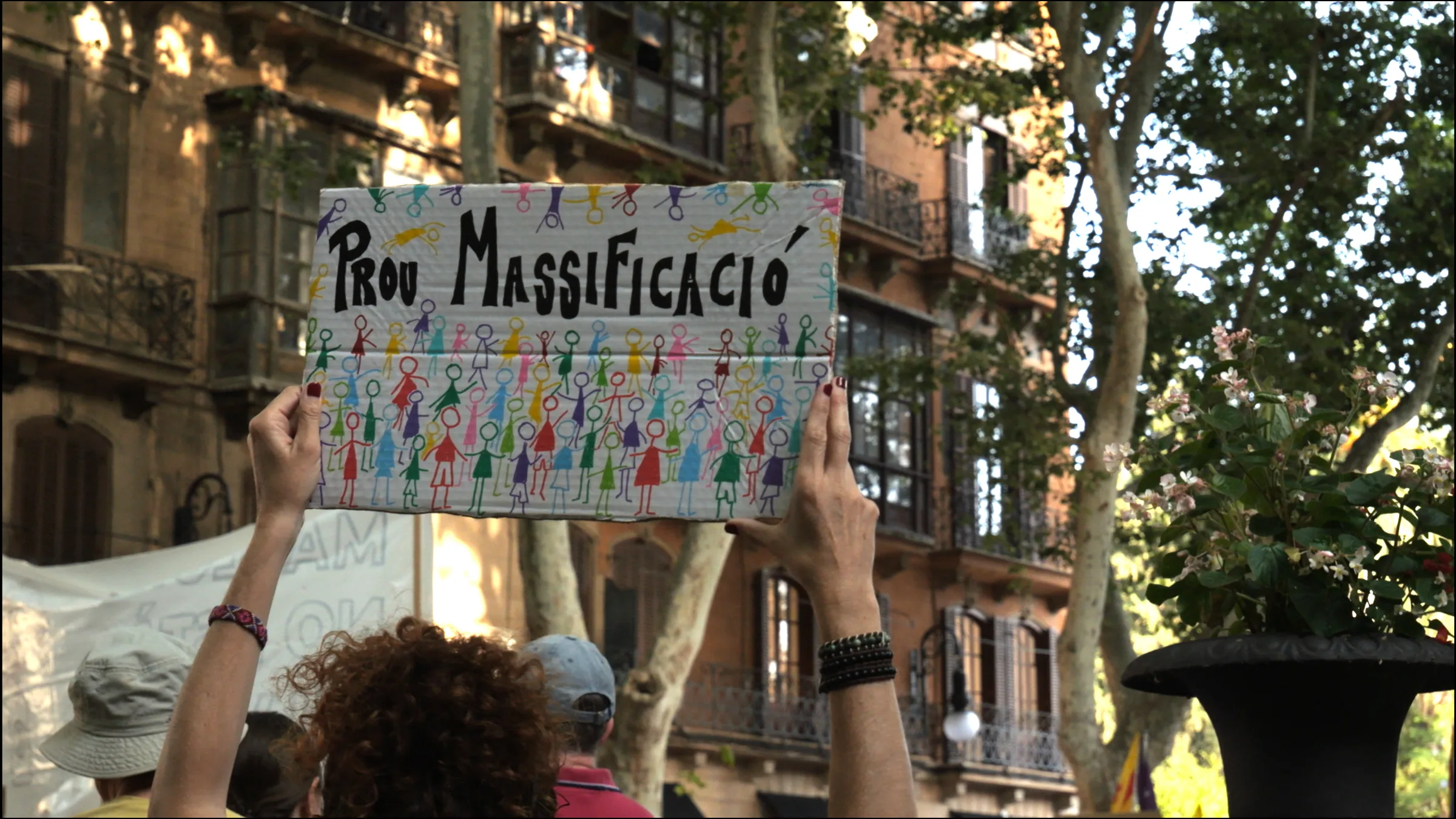
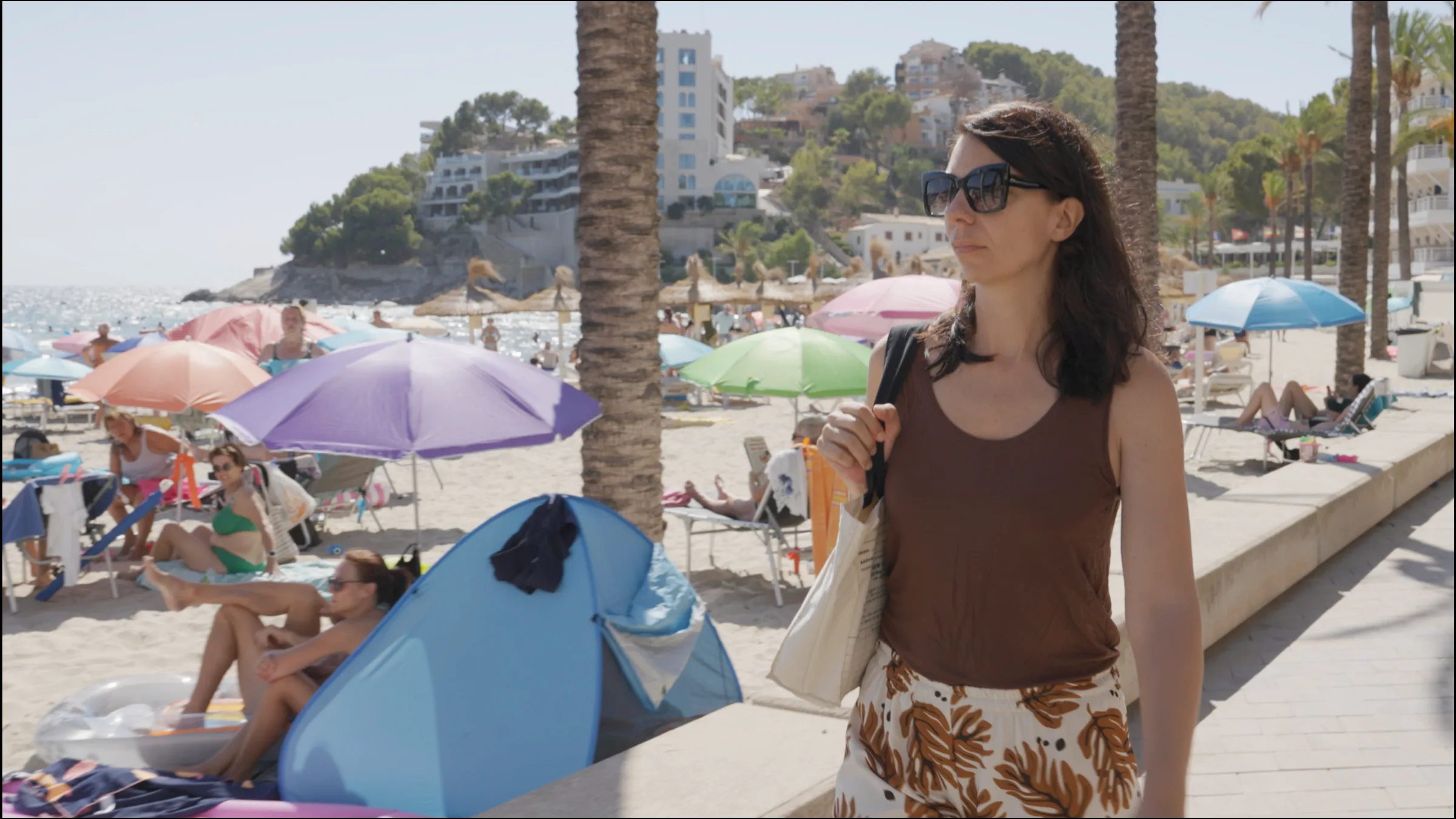
There were the documentaries “Overbooked” and “Tooting’s Forgotten” about overcrowding and gentrification in Tooting, a London neighbourhood. I thought we really needed to get our documentary out there, especially as the situation in Mallorca was getting worse every year. Then came Covid. And two years ago, large-scale protests against overcrowding began. For the first time, opposition was becoming widespread. Even people working in tourism started to question the system. My son asked me, ‘What’s going on? Why are there protests against tourists? We’re tourists too when we travel,’ and yes, he’s a clever lad. Having gained more experience (editor’s note: in the meantime, Marga Melia has made several short films, including “Bittersweet Days,” and documentaries), I realised that the time was right.
In 2012, it was extremely precarious and the transition to digital was only just beginning. My first short film was made without any local support. Since then, grants have been introduced, although they could be more substantial. Today, there is a real sense of momentum and a whole generation of filmmakers are working in Mallorca. We’ve just celebrated the 20th anniversary of the local filmmakers’ association: back in 2006, they were true pioneers, as analogue filmmaking cost a fortune.
When I made my film “Bittersweet Days,” in 2013, I was able to shoot a scene at Cala des Moro right in the middle of August. Nowadays, that’s impossible. The arrival of Instagram in Spain around 2012 and the growth of Airbnb have turned everything on its head. It’s been years since I’ve been able to visit the coves I used to love so much in the summer. If I want to show them to my son, we have to go in winter. It’s very sad!
I come from a family with links to tourism: my parents were tour guides; they started out in the 1960s. Back then, Mallorca was beautiful, poor, cut off from the rest of the world and with no prospects. Everyone lived, to a greater or lesser extent, off tourism. In my family, tourism was an inescapable and unquestioned part of life. Yet, as early as the 1970s, some people were already sounding the alarm: Miró, with his ‘Mallorca’ series – which was recently exhibited at the Museum of Mallorca – criticised the destruction of the landscape. In 1977, there were the major, iconic demonstrations to save Sa Dragonera from development. Over the years, I began to ask myself questions. My mother, too, has changed her mind; overcrowding is affecting her daily life.
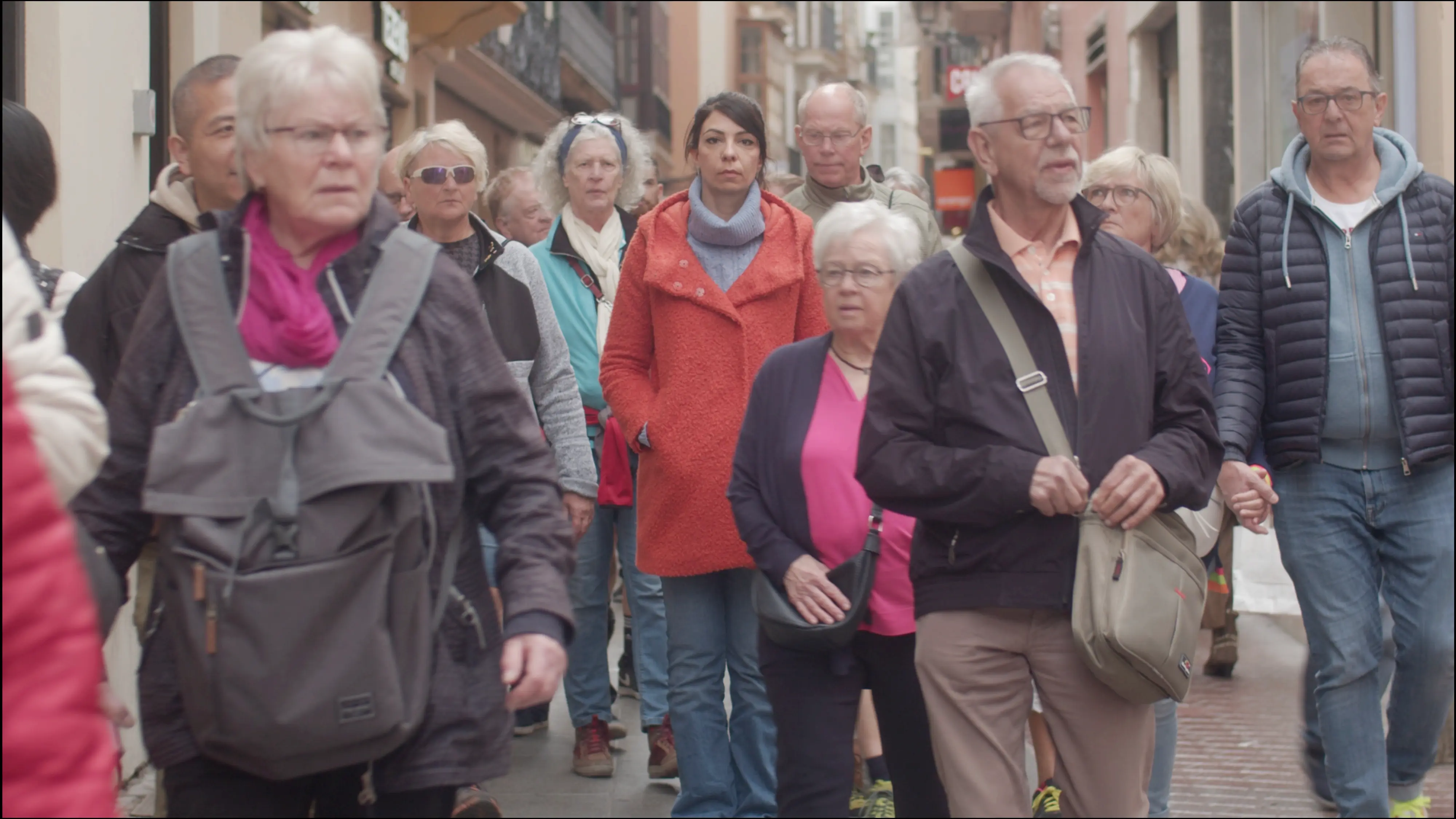
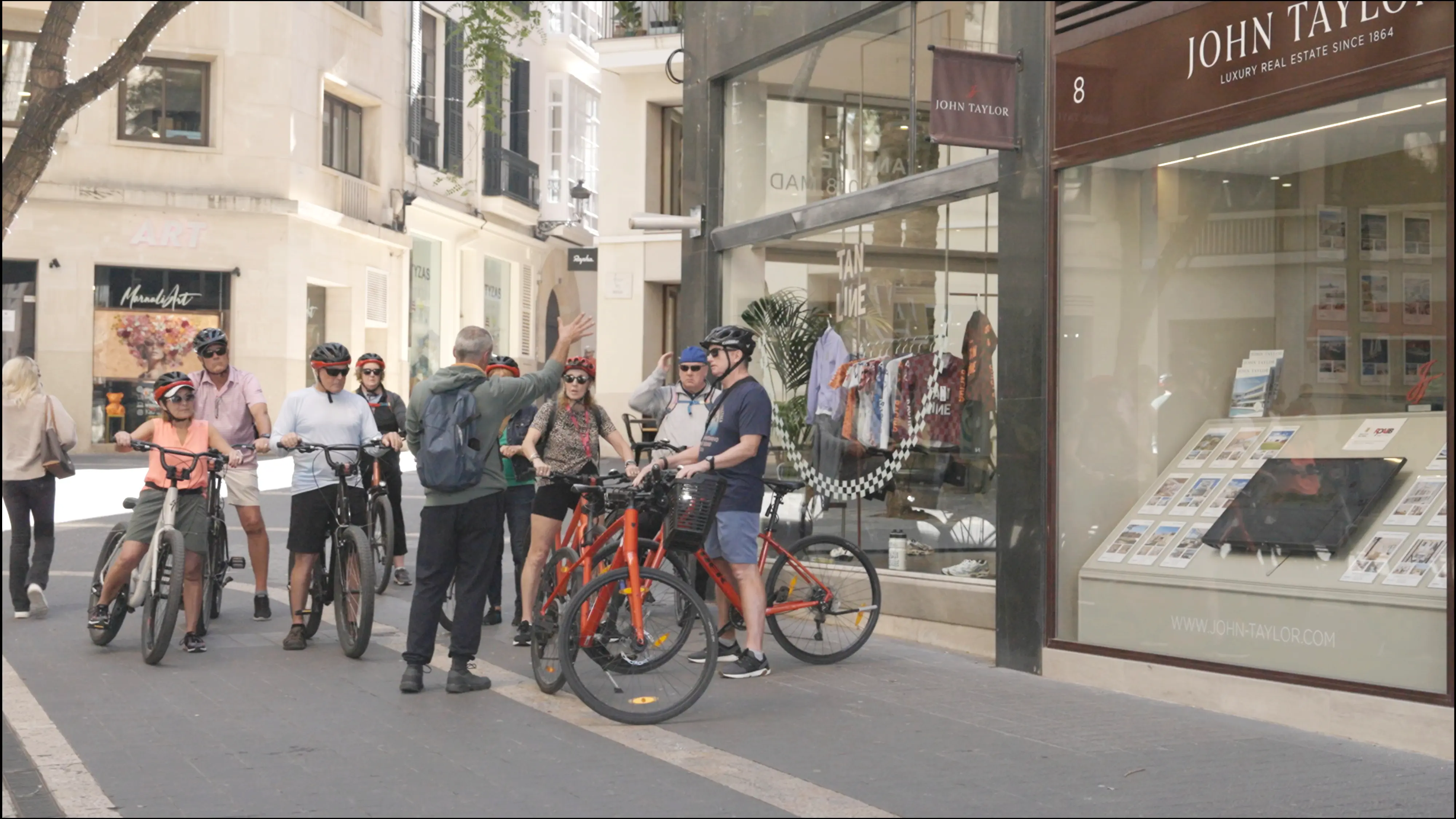
Yes, when I travel, I realise that what has happened here is happening all over the world. Mallorca serves as a testing ground because it is a small island, very emblematic of global tourism. These days, people no longer come to spend a whole summer here: they come for three days and want to cram in as much as possible at breakneck speed. Traditional bars have closed, replaced by international chains. The result is that local culture is becoming nothing more than commercialised folklore. We are losing our authenticity and becoming an interchangeable destination. As some of the artists in the film say, we have sold ourselves out; we have sold our island.
It’s a question I ask myself every day: should we travel less, travel differently, or stop travelling altogether? Artists themselves recognise that there is no simple solution. But one major mistake is clear: almost all the money generated by tourism has been reinvested… in tourism. We have created a monoculture. That money should have been used to diversify the economy, to fund culture, education or scientific research. This realisation is all the more sobering given that the spread of tourism is directly linked to the climate crisis.
More than anger, it is a deep sadness that prevails, no doubt because of our Mallorcan nature: we have never liked conflict. I really like a quote by Cristóbal Serra: ‘The word “progress” should always be written in lower case, not upper case’. For me, that sums up the whole film. In the name of progress, we’ve done a great many foolish things. One of the great mistakes of our society is to believe that we must always accumulate more and keep moving forward. Sometimes, progress means knowing when to stop, or even take a step back. In Mallorca, we’ve never wanted to set any limits.
“Suportant el paradis” opens on September 4th at Ciné Rivoli and Cine Ciutat.