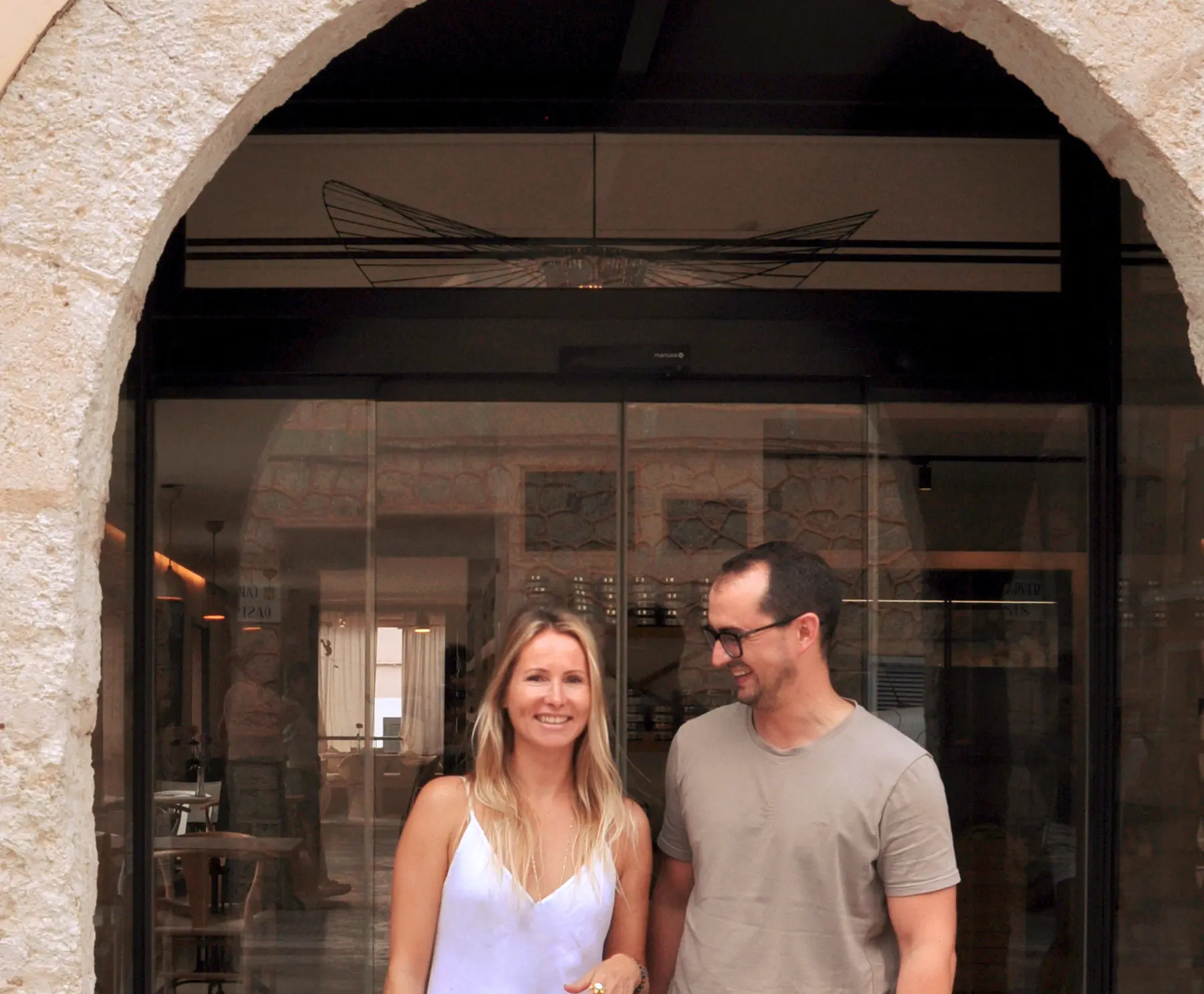
I created RAÍCES because I felt there was a gap between the Mallorca I am perceiving and the way the island was often being experienced by tourists. I kept finding extraordinary places, producers, craftspeople, landscapes and stories that were not necessarily accessible to visitors, while at the same time there was a growing demand for more meaningful alternatives to conventional tourism. I wanted to build a bridge between the two – by creating experiences that allow people to discover Mallorca through the people, places and products that give the island its character. That is what is most important to me about the work of RAÍCES: building bridges towards respectful, low-impact tourism and creating additional value around what is already here.
I see RAÍCES as a translator between visitors and authentic local places. On the one hand, we offer curated experiences that give people the opportunity to connect with the island’s local culture, products and the people and spaces behind them. On the other hand, we support local initiatives with branding, communication and strategies for their products and spaces. There are many people producing beautiful things who may not want to build a visitor-facing business around them. They might want to have a space where they can be discovered beyond the traditional hotel and retail channels. Our consulting services include creating those connections and channels that can contribute to long-term sustainability.
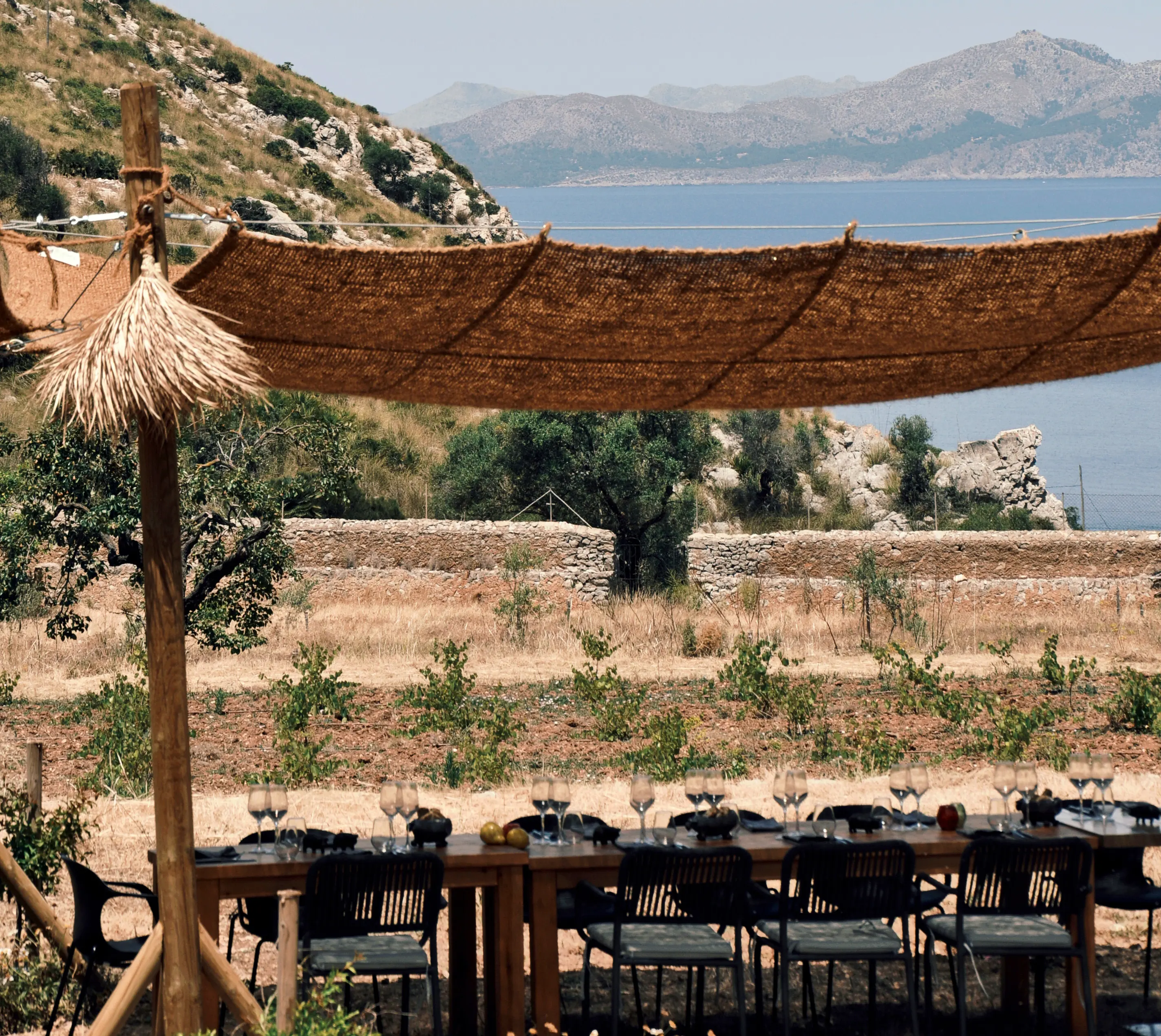
We have partnered with a number of fincas and small producers around the island, consulting, creating experiences with them or developing the ones they already have. We are currently building a project with local winemakers producing natural and organically farmed wines, with the aim of introducing their wines to a broader audience through small, intimate tastings and culinary experiences held within the vineyards themselves. Rather than simply presenting a bottle as a finished product, we want people to experience the wine where it comes from – surrounded by the vines, the natural habitat and the people behind it. These small-scale gatherings give independent winemakers an opportunity to reach new audiences, tell their story in the right setting, and remain at the centre of the experience.
While scouting for locations on the road, literally, I met one of the people involved with the Co-op and told him about my project and we realized right away that this was a natural synergy. What immediately inspired me was the combination of what the Cooperativa already has: beautiful locations, local products, infrastructure, local knowledge and a strong connection to agriculture. It was obvious to me that these existing assets could come together to create meaningful experiences for visitors, while remaining rooted in the character of each place. From there, we collaborated on a business model centered around the Cooperativa’s products and locations, including curated tasting experiences at its two food trucks and fincas in particularly beautiful settings. One is in Sa Duaia above Cala Torta, with sweeping views across the coastal landscape and, on a clear day, as far as Menorca. The other one is next to the Ermita de Betlem, in a very remote part of the island where there has previously been no opportunity for visitors to stop, eat and experience the landscape in this way. For me, these two locations are a perfect example of what RAICES is about. Experiences are a growing part of Mallorca’s tourism landscape, but I believe the most interesting ones don't need to be manufactured from scratch. The most valuable experience is often already there – in the landscape, the food, the people, the agricultural work and the stories attached to a place. Our role with RAICES is to recognise those elements, bring them together and create thoughtful ways for people to experience them, while remaining rooted in the character of each place.
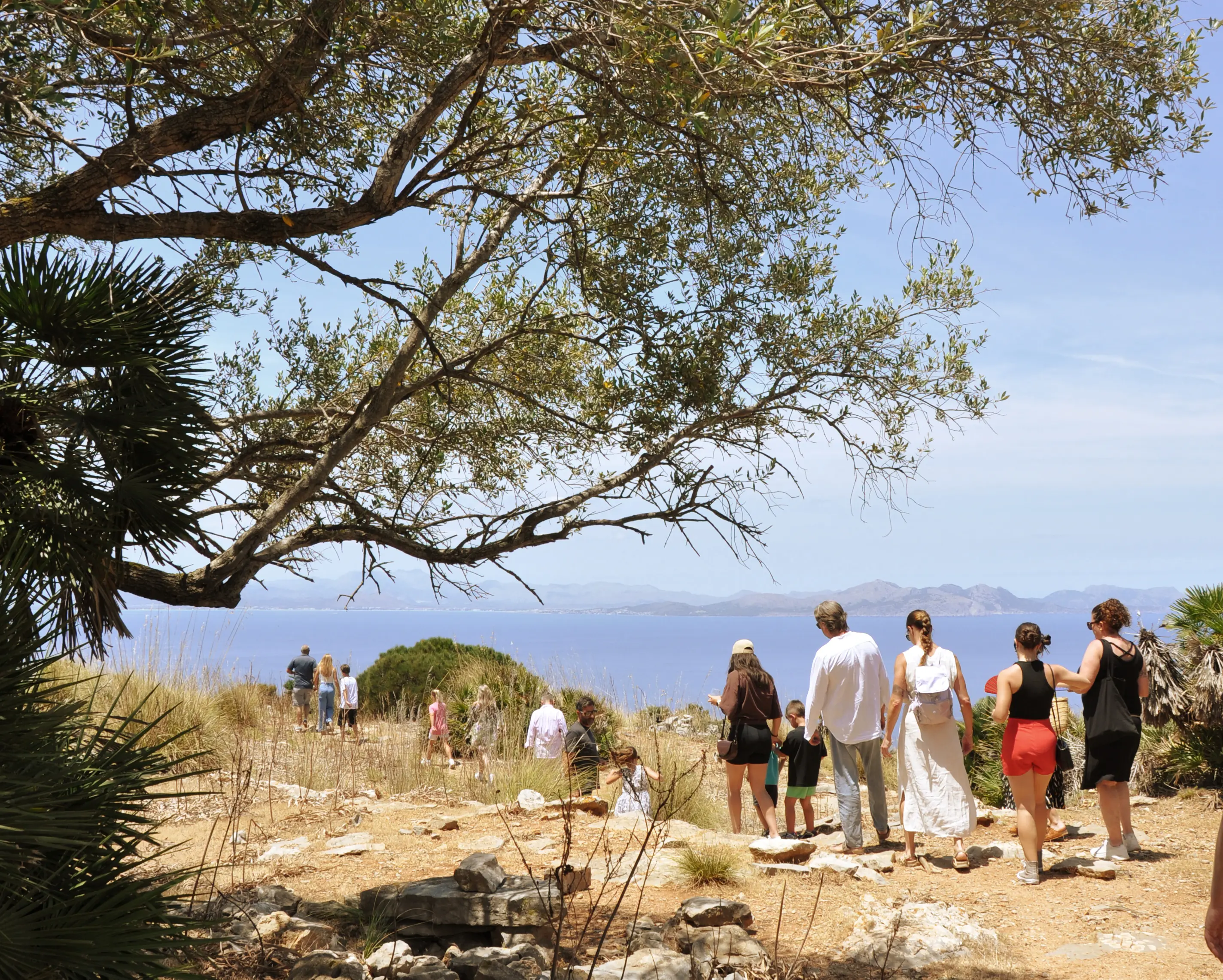
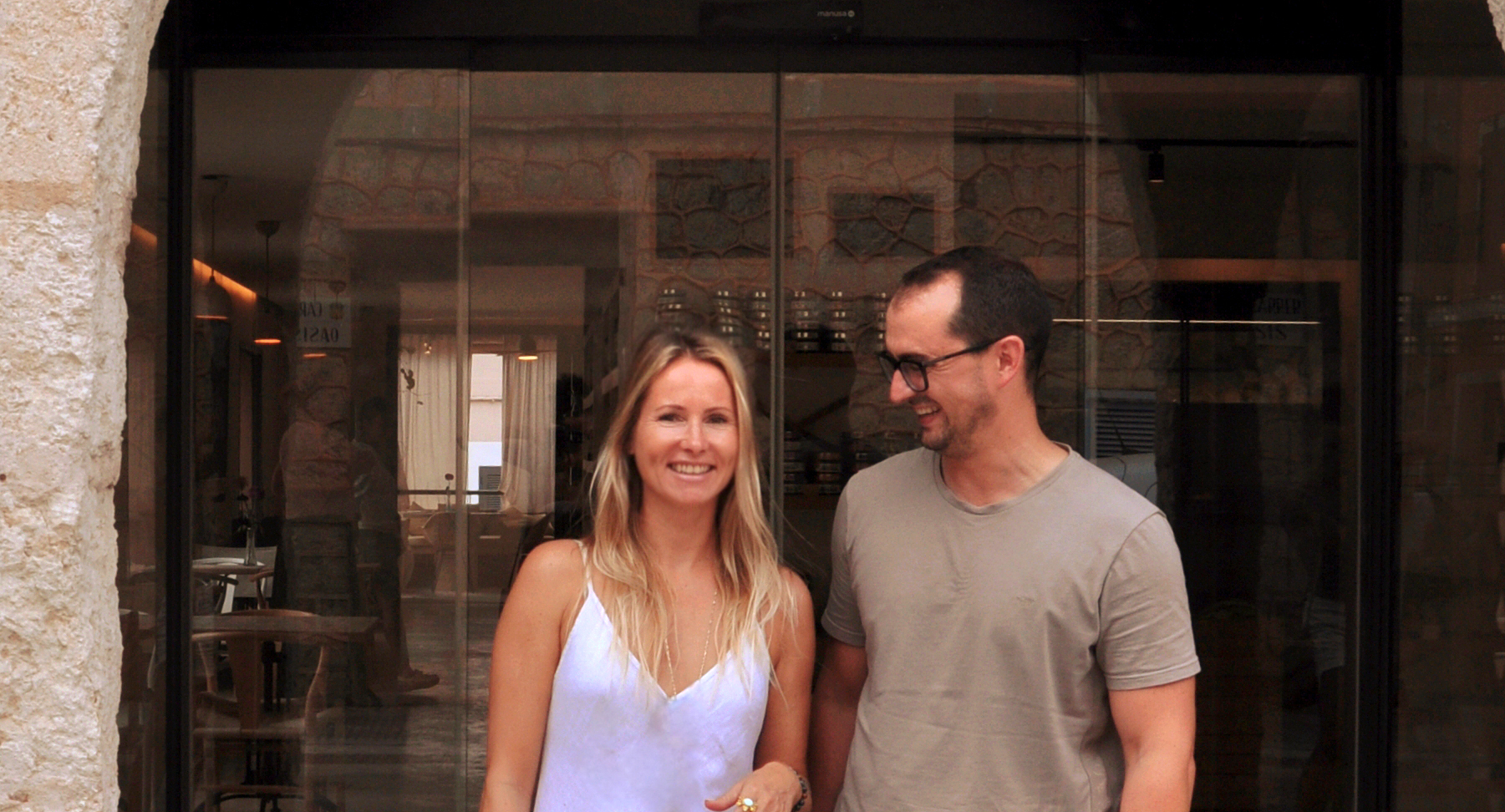
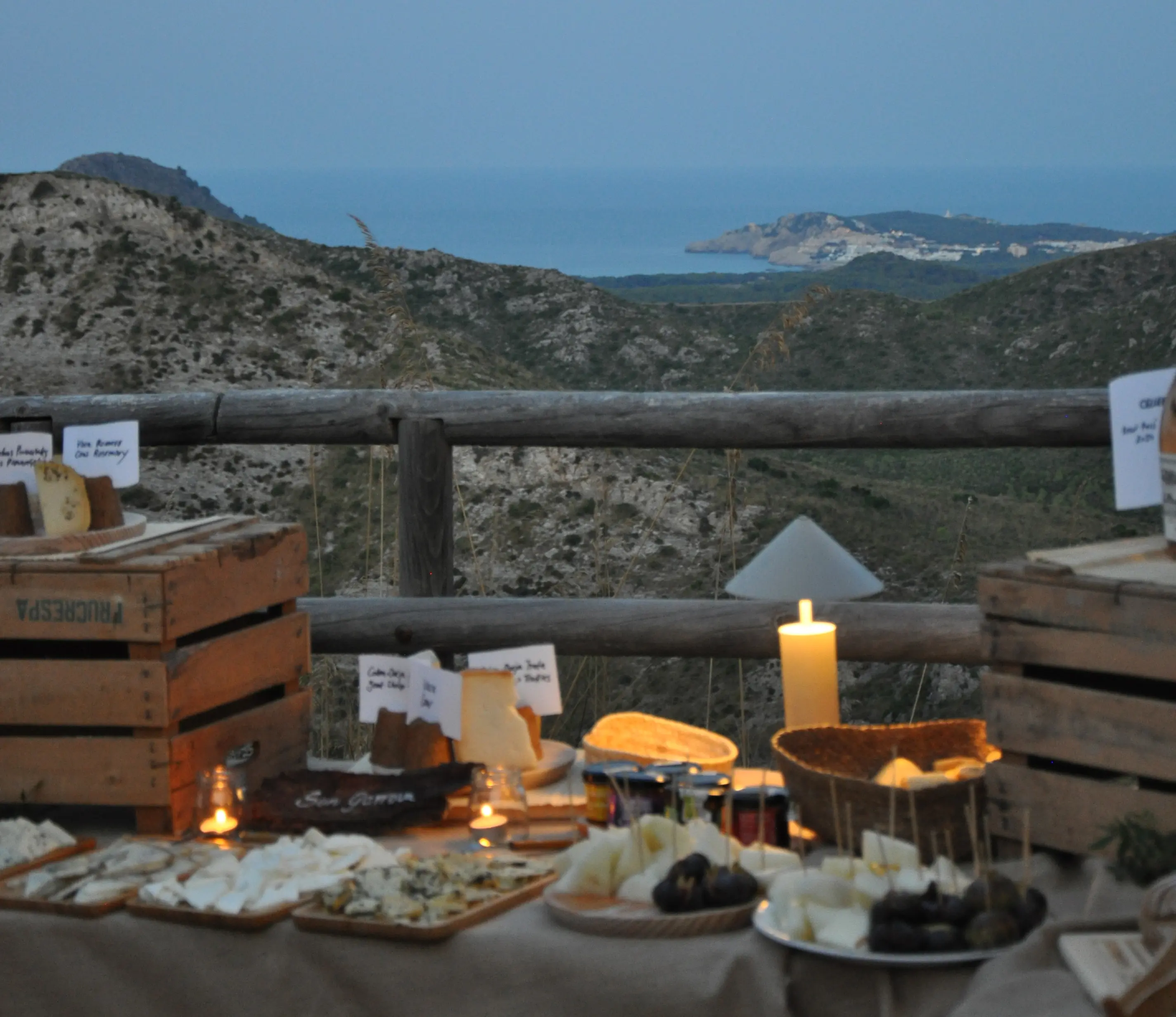
The Cooperativa d’Artà recently took over the former agricultural estate around the Betlem hermitage and is now reactivating the land, working with agriculture, grazing and new ways of welcoming visitors. It is a remarkable setting with a strong sense of history. For me, the exciting part is finding ways to let people experience the place without taking away from what makes it special. It’s a space where you have the opportunity to connect deeply with nature because it's very wild and has amazing views! I’ll let Albert speak about it more.
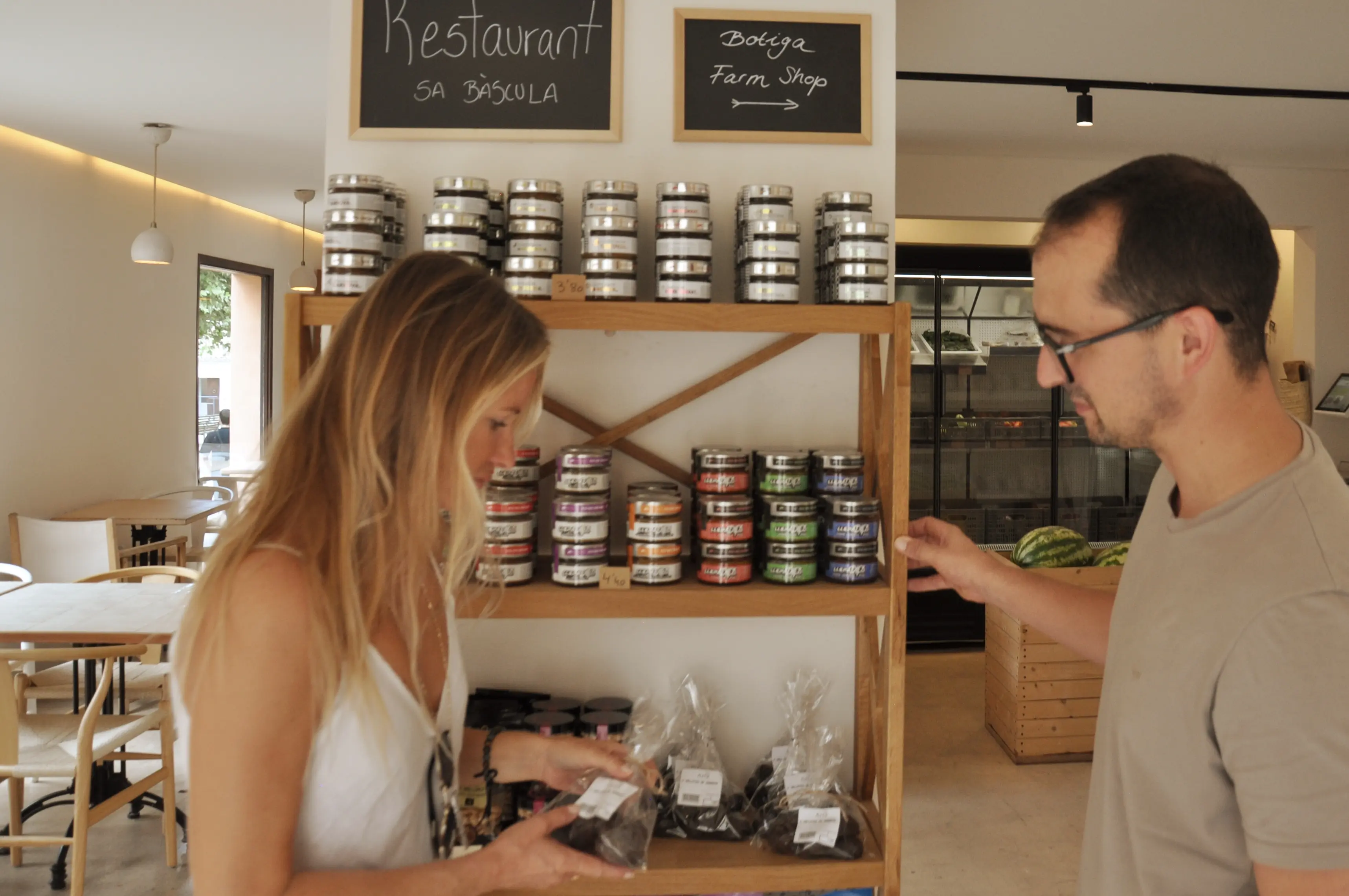
Albert Ferrer: Sure! Our cooperative was founded in 1979, at the same time as the cooperative movement on the island. And we’ve innovated a lot in recent years, particularly by establishing short supply chains with our members. When I joined in 2019, this was a warehouse selling agricultural supplies, and little by little we’ve transformed it into this space that sells local produce, high-end products, artworks by local artists, as well as a café and restaurant where you can try a bit of everything. As our focus is on organic farming, and we know it’s difficult to make a real living from that alone, we suggested to our members that alongside their fresh vegetables they could create ready-made products. That’s how Sa Bàscula grew; we created the foodtruck points of sale and started offering experiences in unique settings. We’ve become a project that combines agriculture with gastronomy and heritage, which adds value to our local products and sets us apart from other similar projects.
Albert Ferrer: At the moment we have a total of seventy members. But of course, as this is a municipality with less productive land, many have left the sector. They are still members and have plots for personal consumption, but they don’t actually produce anything to sell. We only have five members who are active producers. For example, Na Maians is a farm in Capdepera that produces organic olive oil, vegetables and avocados. Then there’s Ses Terres, who also produce olive oil and conserves, which we serve during our dining experiences. We also have local wine, S’Escrivà, and we’re gradually bringing more members on board. The bodega Conde de Suyrot aren’t members yet, but we’re working with them. The aim is to integrate and support local agriculture from Artà and Mallorca at large through this gastronomic project.
Albert Ferrer: When we met Sina and saw how much she loves Mallorca and her vision, we realised straight away that she’s a perfect fit for us. It’s helped us a great deal. The cooperative needs people who truly value what we have to offer, because we’re not always good at promoting it from within. And projects like RAÍCES bring in the elements we lack through images, design, or by attracting people who genuinely appreciate what we do. All these synergies celebrating heritage is what we need, really. So, now we are working on bringing groups of people to see what the Ermita project is all about. They can spend time there, have a drink and go home feeling relaxed after a special meal cooked by local or guest chefs.
Albert Ferrer: I believe the future lies in linking agriculture – which is a sector already operating at a loss – with more productive sectors such as tourism and heritage. Unless we develop projects that harness these synergies, it will be difficult for our initiatives to be sustainable. Let’s take our own example: out of seventy active members, we’re down to five. In other words, we need to be creative. For example, at the Ermita in Betlem, it’s impressive what the hermits achieved in their day: that was truly an inhospitable and unproductive piece of land. They worked it patiently and created an area that was very productive for those times. They had vegetables, honey and livestock for their own consumption, but they also sold their surplus and with the proceeds they bought more land from their neighbours, through purchase, exchange or transfers. Times were different back then! We want to highlight the heritage features they created there, such as the Ermita building itself, beekeeping, the stone path next to the water spring that leads to the coast, the water source itself, the watermill which needs to be restored, and the ancient walls. If you look closely at certain parts of the walls, you can tell who built them and when, because they were different people using different techniques.
The scheduled field-to-table lunches and dinners with the Cooperativa can be booked through Sa Bàscula, and the food trucks can be visited during their opening hours. Through RAÍCES, they can book private, tailored experiences at the Ermita finca including private half-day and full-day experiences, workshops and intimate gatherings, guest-chef dinners, corporate and branded events, and small retreats in nature. We also curate private or corporate events at the food trucks.
At the end of our interview, Sina takes me up to the Cooperativa farm by the Ermita de Betlem. Indeed, the drive up alone is magical and so very beautiful. I felt my body relax and breathe deeper as the view opened up amongst the mountains. I can see how their joint vision could bring the experience home in a powerful and respectful way, for both residents (old and new) as well as visitors. The wish remains that more collaborations like this, based on dialogue and mutual support, shift the scales towards a more reciprocal livelihood for all on the island.
www.raicesmallorca.com/
@raices.mallorca
sabascula.com/
@sabascula
@cooperativaarta/
@sinajanke