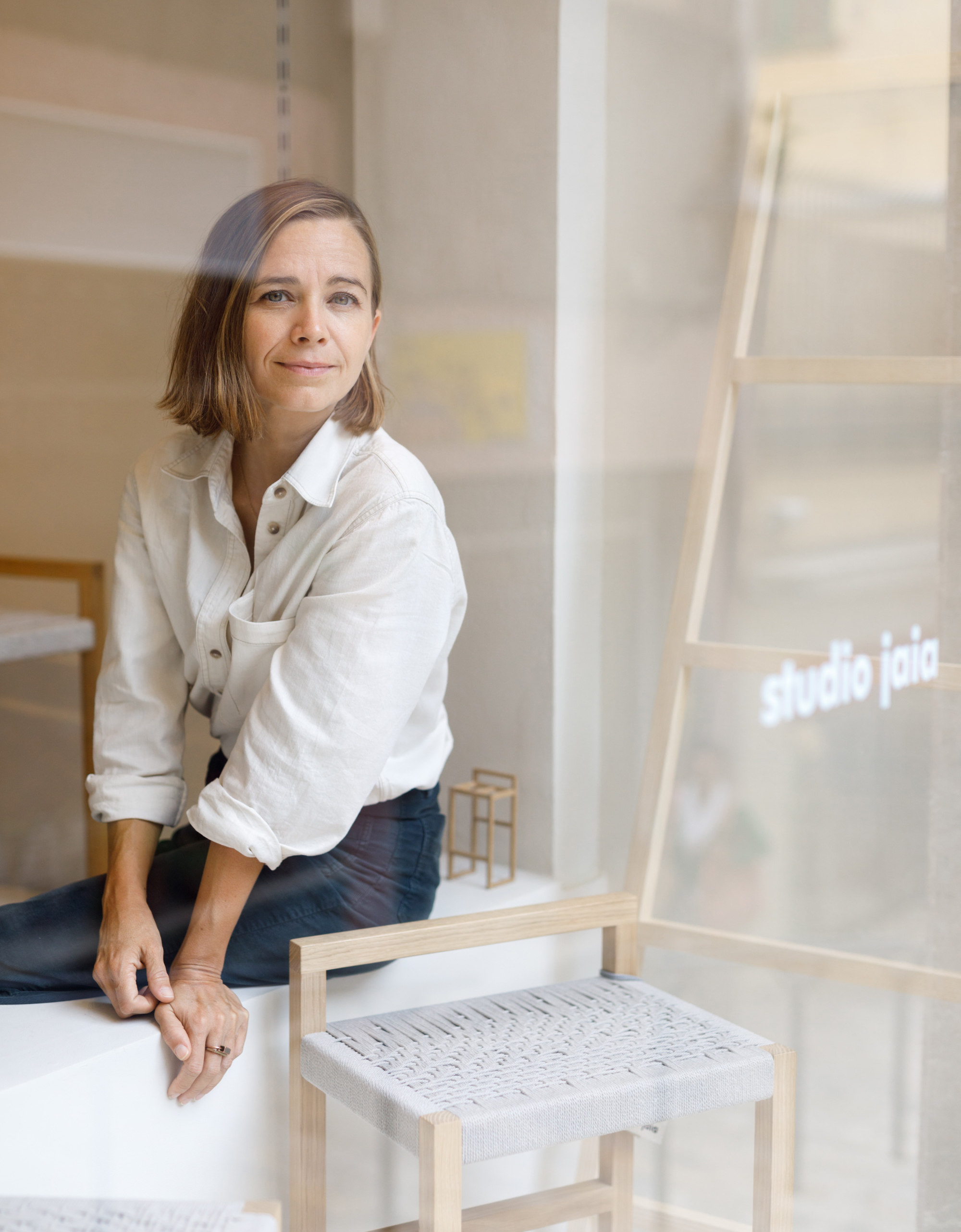
Es begann als persönliche Neugier: mit meinen Händen zu arbeiten, das Handwerk zu verstehen und Muster und Geometrie zu erforschen. Aus dieser Neugier wurde eine Leidenschaft, und mir wurde klar, dass ich weg von der computergestützten Arbeit hin zu etwas ganz Praktischem übergehen wollte, von den ersten Skizzen bis zum fertigen Stück. Studio Jaia wurde geboren, um dieses Handwerk zu würdigen und es gleichzeitig mit meiner eigenen Designsprache zu erkunden. Der Name stammt aus dem katalanischen Wort Iaia, was Großmutter bedeutet — eine Hommage an die Handwerkerinnen, die vor uns da waren.
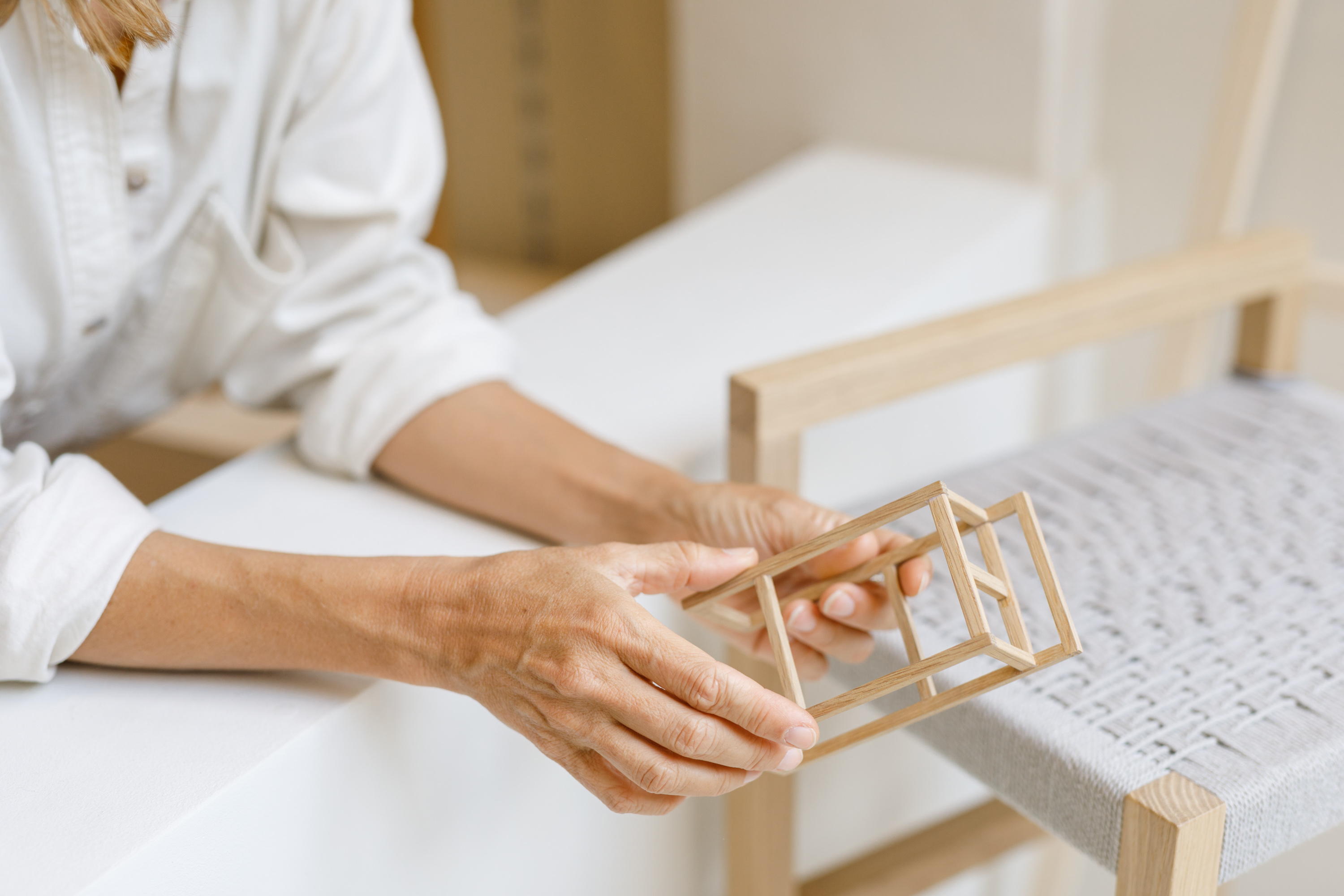
Das Leben und Arbeiten in verschiedenen Ländern macht das Auge neugierig und offen. Es prägt die Art und Weise, wie man Materialien, Räume und die Beziehung der Menschen zu Objekten und Traditionen sieht. Manche Ideen und Gewohnheiten werden Teil Ihrer eigenen Art zu kreieren und helfen Ihnen, offen für neue Perspektiven zu bleiben und gleichzeitig Ihren zentralen Designwerten treu zu bleiben.
Die Arbeit im Handwerk bringt mir Freiheit — ich kann selbstständig arbeiten, Probleme lösen und Ideen vor Ort umsetzen. Es macht mir große Freude, Dinge im Studio herzustellen, ständig zu lernen und mich mit den Ergebnissen verbunden zu fühlen.
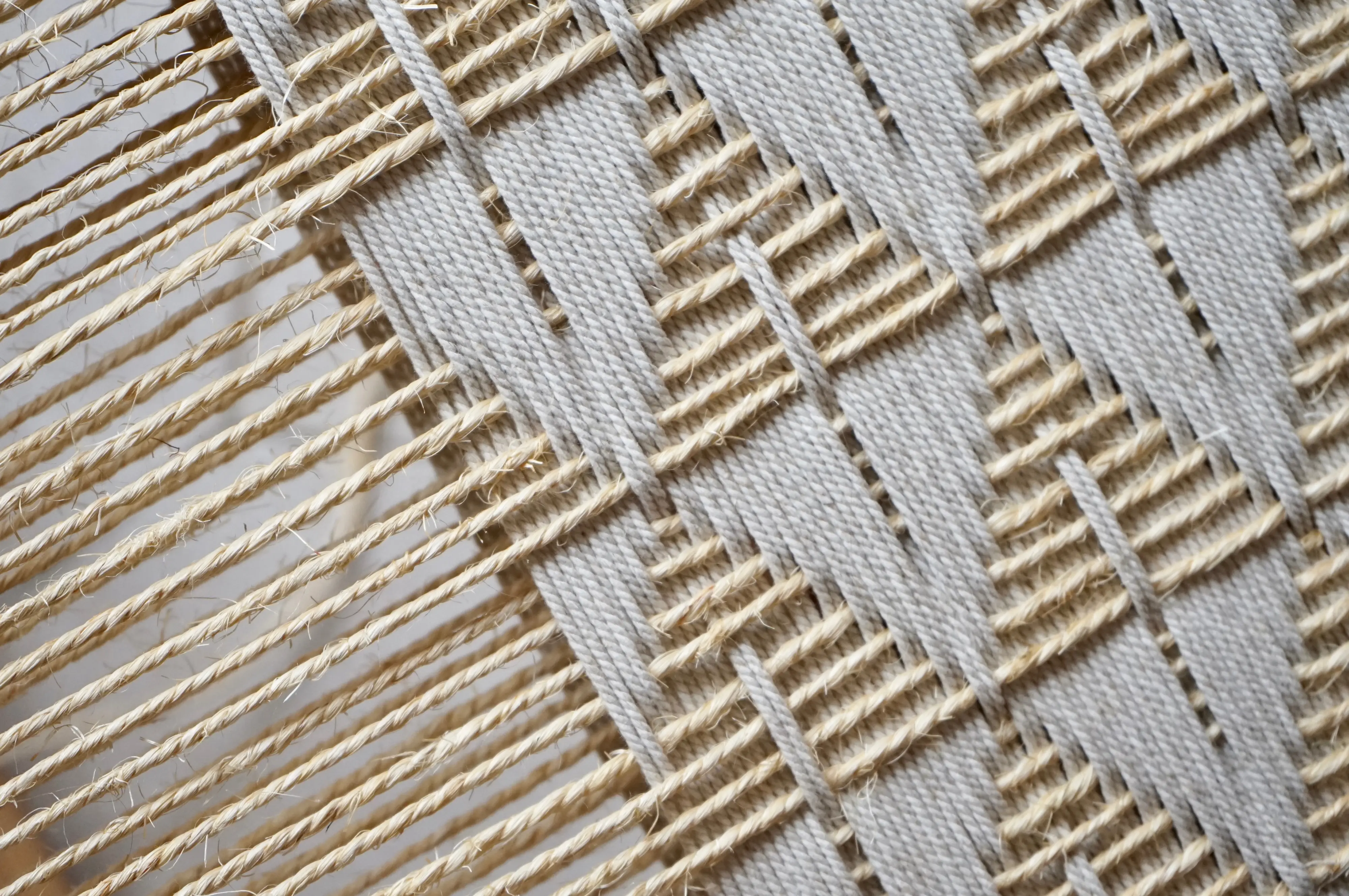
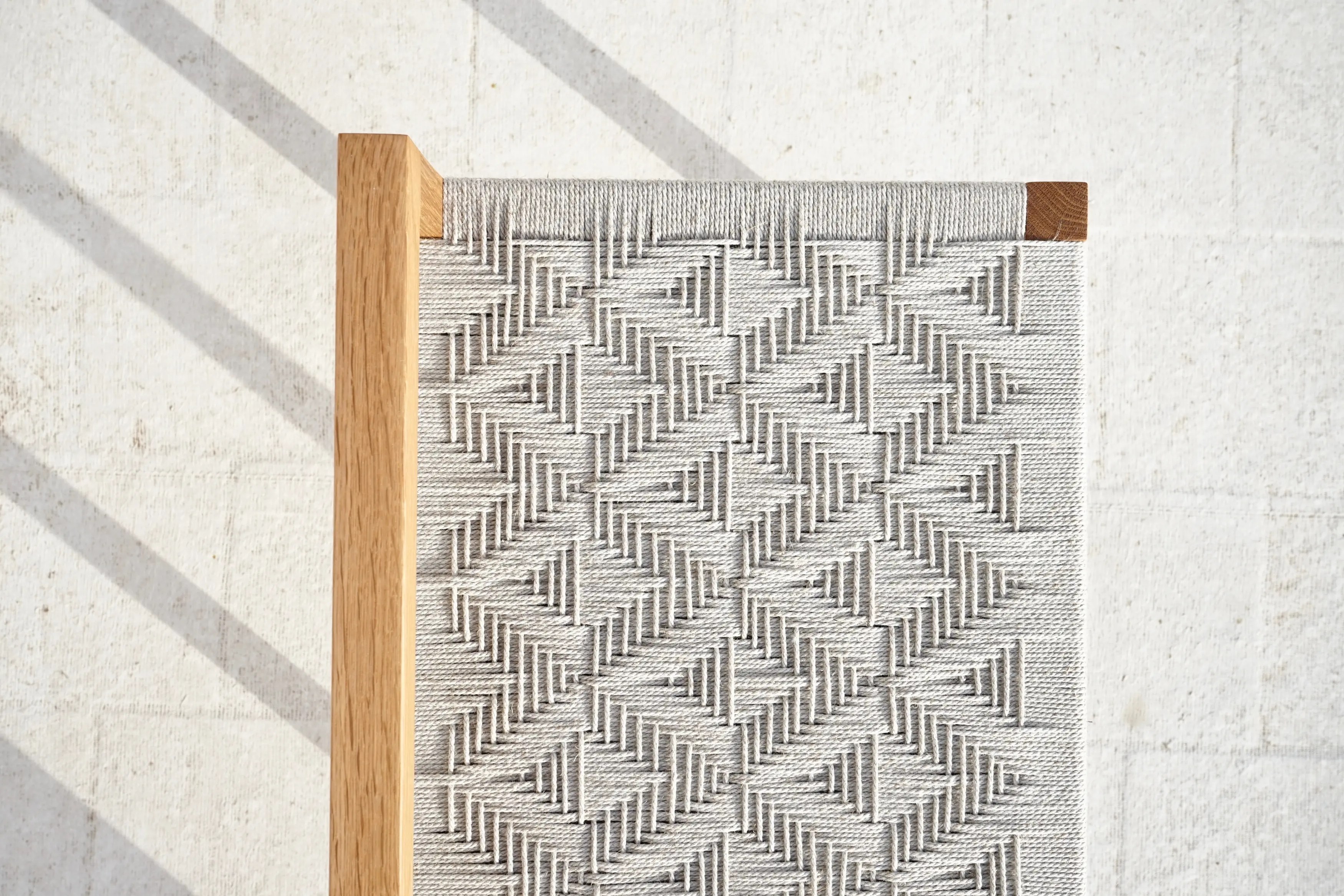
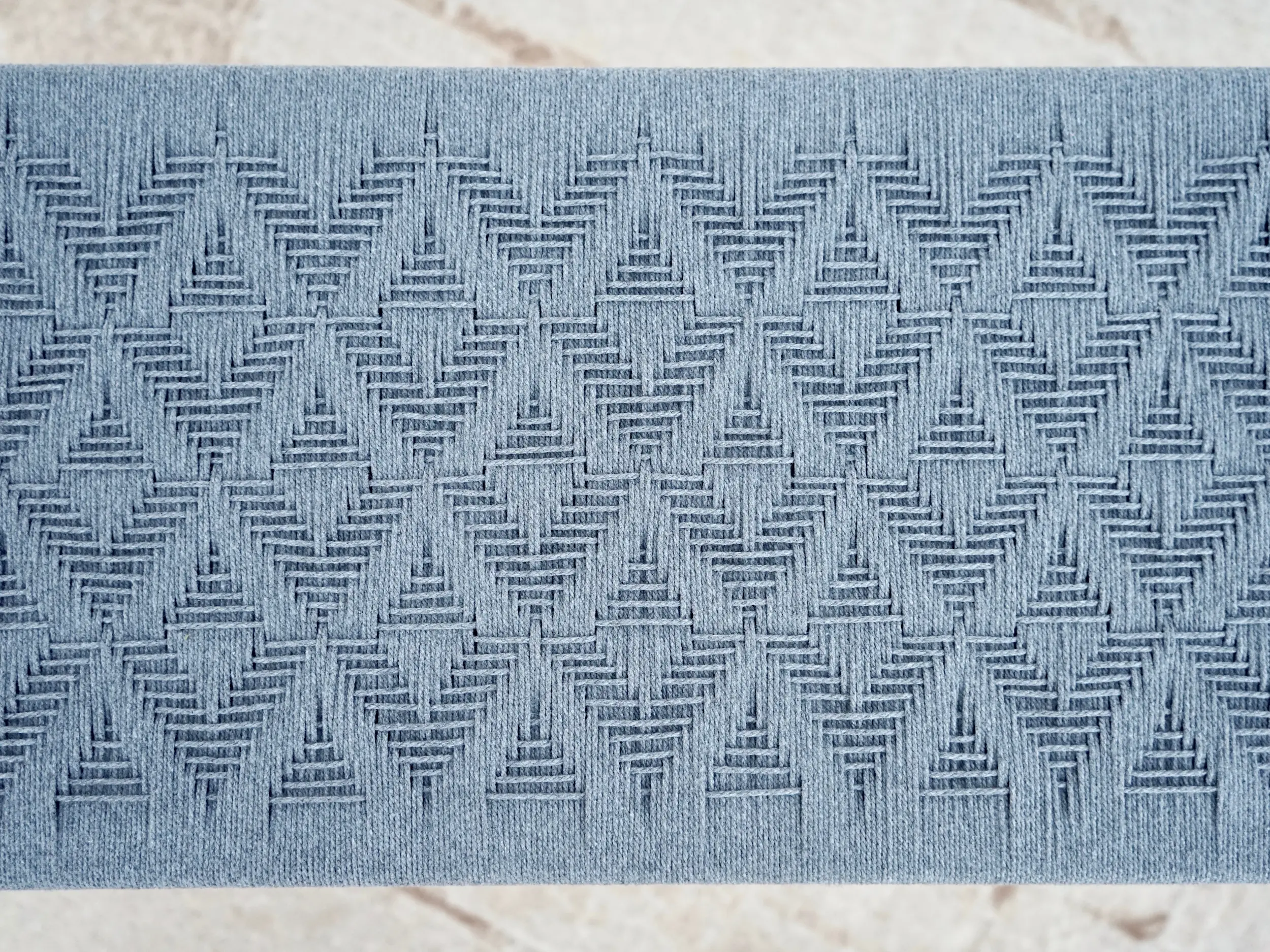
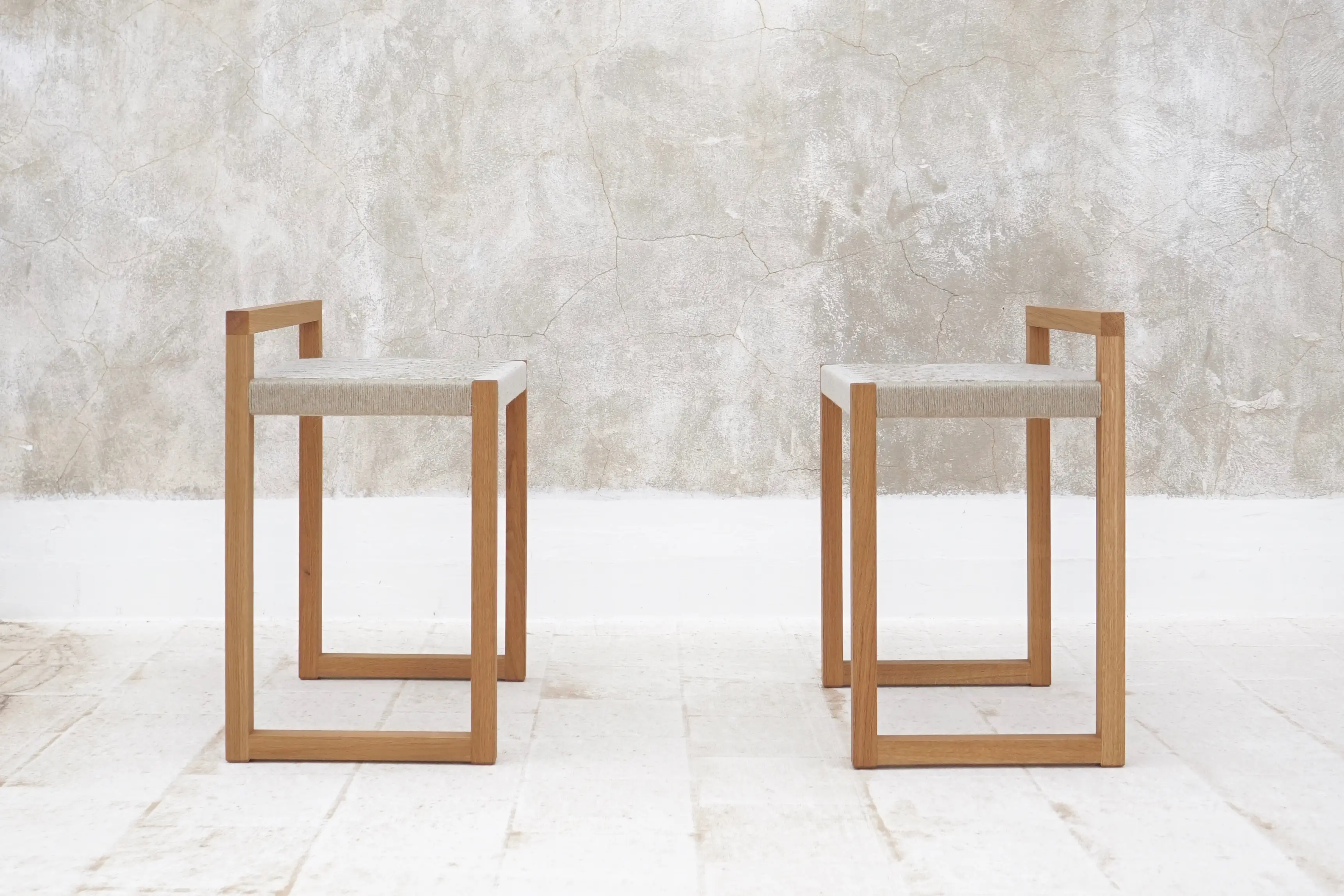
Nachhaltigkeit, lokale Beschaffung und Taktilität leiten meine Entscheidungen. Die recycelte Baumwollschnur stammt von der Halbinsel, und die von uns verwendete europäische Eiche ist mit Hartwachsöl behandelt — Materialien, die umweltfreundlich sind, angenehm zu verarbeiten sind und hohe ästhetische und funktionale Standards erfüllen. Bei gewebten Mustern stehen Geometrie und Form normalerweise an erster Stelle und leiten Textur, Licht und Schatten. Die Farbe wird in der Regel später als zweite Schicht hinzugefügt, wodurch das Muster transformiert wird und ein Kontrast oder ein neuer Schwerpunkt entsteht. Gelegentlich beeinflusst Farbe das Design selbst. Ich arbeite gerade an einem Stück in Electric Blue, einem Farbton, der sofort meine Aufmerksamkeit erregte und an bestimmte Menschen und Orte erinnert.
Bei der Preisgestaltung mit größeren Industrieunternehmen zu konkurrieren, ist immer eine Herausforderung. Während es größeren Marken oft an personalisierten, maßgeschneiderten Optionen mangelt, erwarten einige Kunden immer noch vergleichbare Preise — was unmöglich ist, wenn lokal, ethisch, nachhaltig und nach hohen Standards produziert wird. Der Betrieb von einer Insel aus bringt logistische Herausforderungen mit sich, da die Versandkosten steigen und die Auswahl an Handwerkern und Holz geringer ist. Allerdings ist es dank der sozialen Medien und der digitalen Konnektivität, die es einfacher machen, Kunden zu erreichen und Arbeiten zu präsentieren, einfacher als vor 20 Jahren, ein kleines Designunternehmen zu führen. Es gibt auch eine wachsende Wertschätzung für lokal hergestellte, handgefertigte Stücke: Viele Kunden entscheiden sich bewusst für Studio Jaia aufgrund seiner Einzigartigkeit, Qualität und der Möglichkeit, ein kleines, lokales Unternehmen zu unterstützen.
Ich habe festgestellt, dass ich viel Geduld habe — zumindest wenn es ums Weben geht! Noch wichtiger ist, dass ich gelernt habe, wie befriedigend es ist, etwas von Grund auf neu zu kreieren und den Herstellungsprozess wirklich zu schätzen, nicht nur bei meiner eigenen Arbeit, sondern bei allem, was produziert und konsumiert wird. Ich wurde auch daran erinnert, dass man immer neu anfangen und etwas Neues lernen kann und wie lohnend es ist, sich intensiv einem Handwerk zu widmen und eine steile Lernkurve sowohl für den Geist als auch für die Hände zu erleben.
Ich würde gerne sehen, wie Studio Jaia schrittweise wächst. Derzeit habe ich einen Mitarbeiter, der bei der Produktion und allen anderen Studioaufgaben hilft. Es wäre fantastisch, ein kleines, stabiles Team aufzubauen und Möglichkeiten für den Unterricht auszuloten.
Wir arbeiten an einigen größeren Stücken sowie an Artikeln, die sich auf Holzarbeiten ohne Weben konzentrieren. Bleib dran.